Secure Payments
10% Discount on 3+ Patterns
Secure Payments
Your card information will not be stored on our servers
10% Discount on 3+ Patterns
Buy 3 or more patterns for a 10% discount
Immediate Download
Immediate & unlimited downloads
Your card information will not be stored on our servers
Buy 3 or more patterns for a 10% discount
Immediate & unlimited downloads
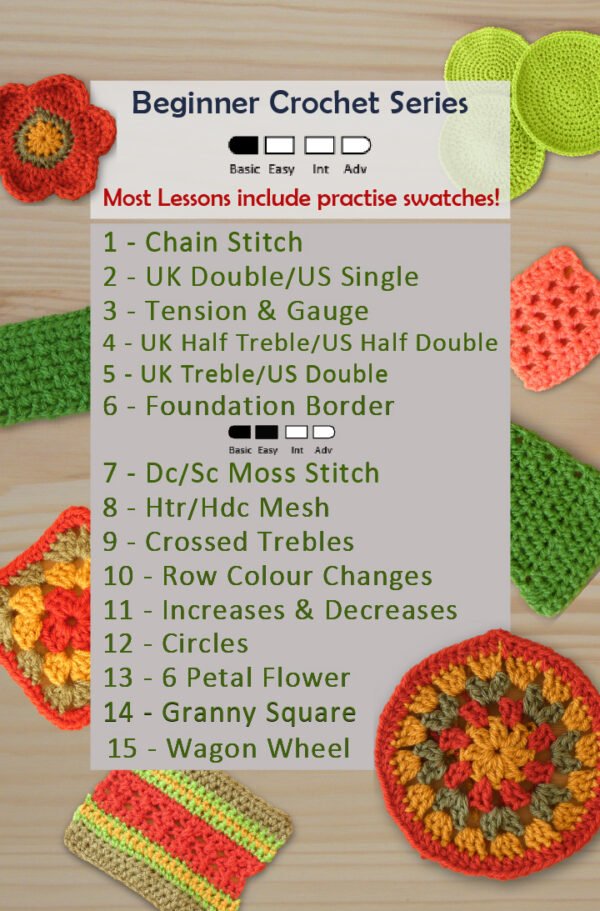
Crochet is a great craft to both relax and get the creative juices flowing! It can help with your mental health and self expression.
These beginner crochet tutorials are aimed at complete novices. The lessons will cover the basics such as how hold to the hook and yarn, as well as the essential crochet stitches. We’ll cover making circles, changing colours and combining the stitches. I’ll even be teaching you how to read crochet patterns!
Most of the lessons will have a practice swatch to put your new found knowledge into practice.
By the end of this beginners crochet course, you will have the skills and confidence to make hats, bags, blankets and an addiction to yarn!
For those that prefer learning by watching, at the bottom of the page is the video version of the lesson.
“If I were able to leave you with only one piece of crochet advice, it would be to always have fun. Learn the basics, but then just go crazy with your crafty self!” -Twinkie Chan
Contents
Welcome to Lesson 11 of the Beginner Crochet Series!
Increases and decreases are used to shape items in crochet.
A decrease is joining 2 or more stitches together to form a single stitch. This reduces the stitch count.
An increase is working 2 or more stitches into the same space, which increases the stitch count.
I’ll cover the 3 stitches we’ve learnt so far.
There’ll be 2 swatches for you to practise increases and deceases. The swatch patterns can be found here.
As usual I’ll be using UK terminology, with US terminology in brackets.
I’ll start with a row of 10 Dc (Sc), and a 2 stitch decrease at the start of the row. It’ll be worked over stitch 1 and 2.
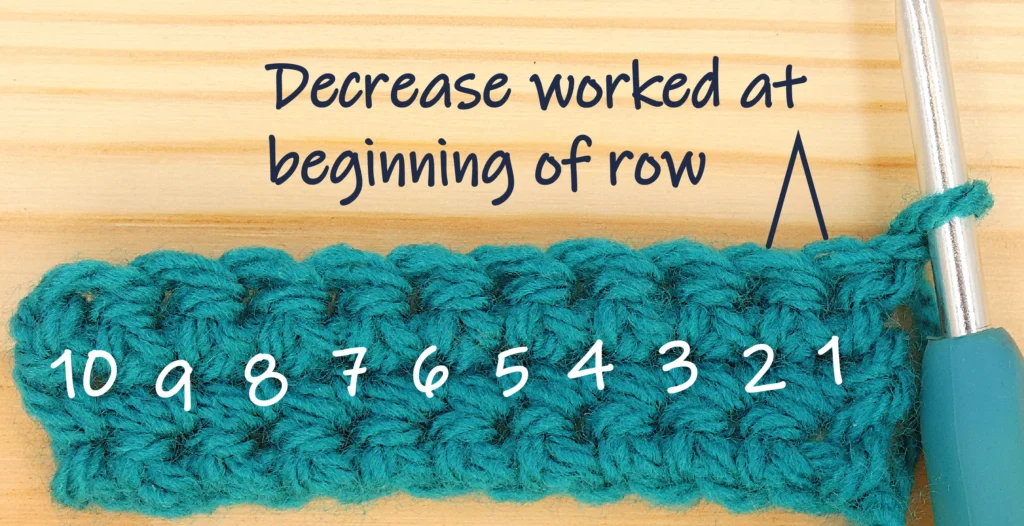
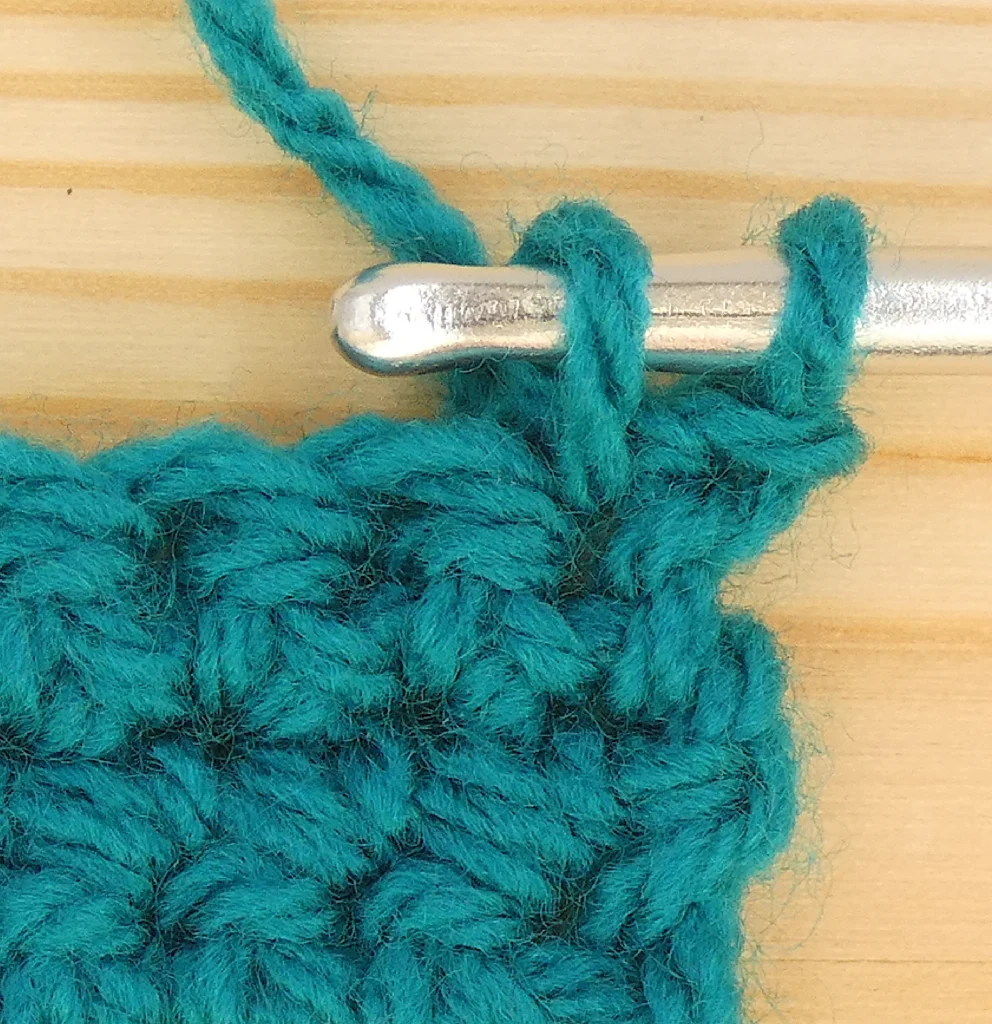
Start by partially making a Dc (Sc) in the 1st stitch. Stop at the point you would close or finish the stitch, so there are 2 loops on the hook.
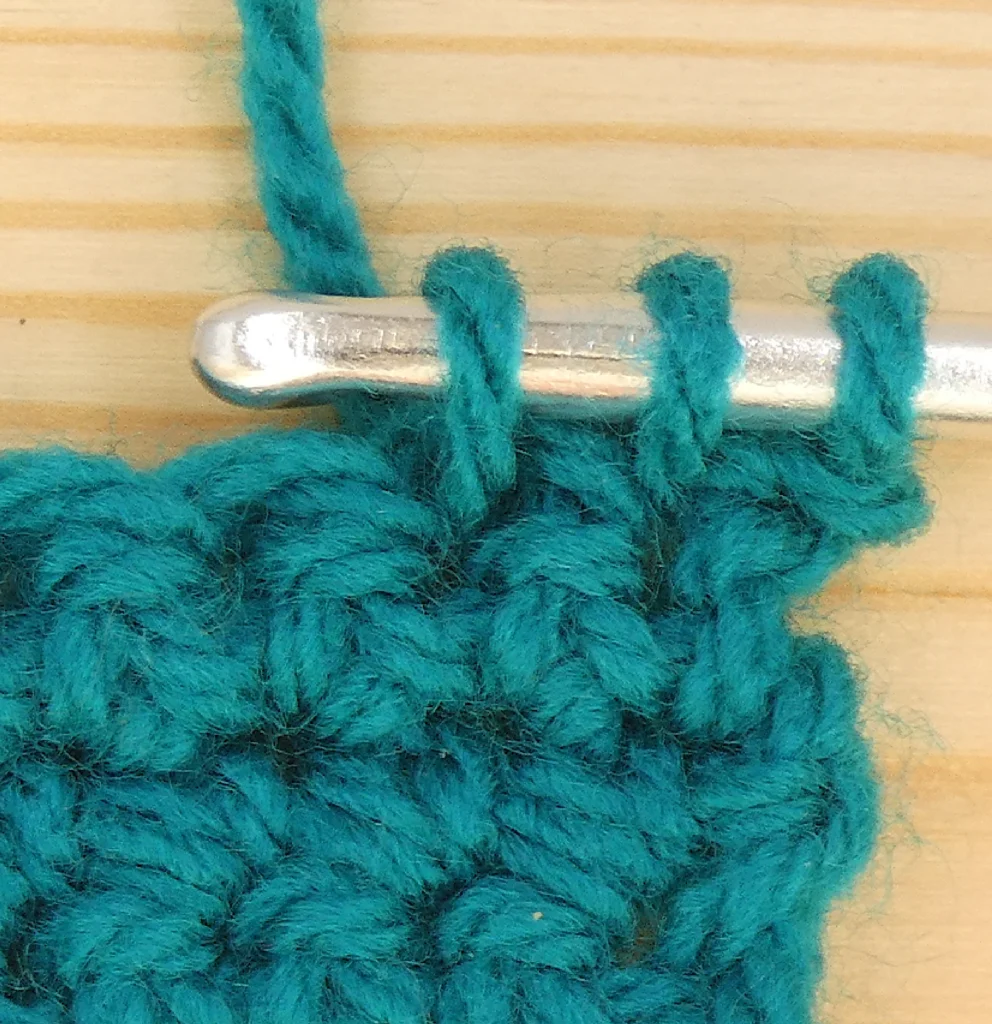
Partially make a Dc (Sc) in the 2nd stitch, so there are now 3 loops on the hook.
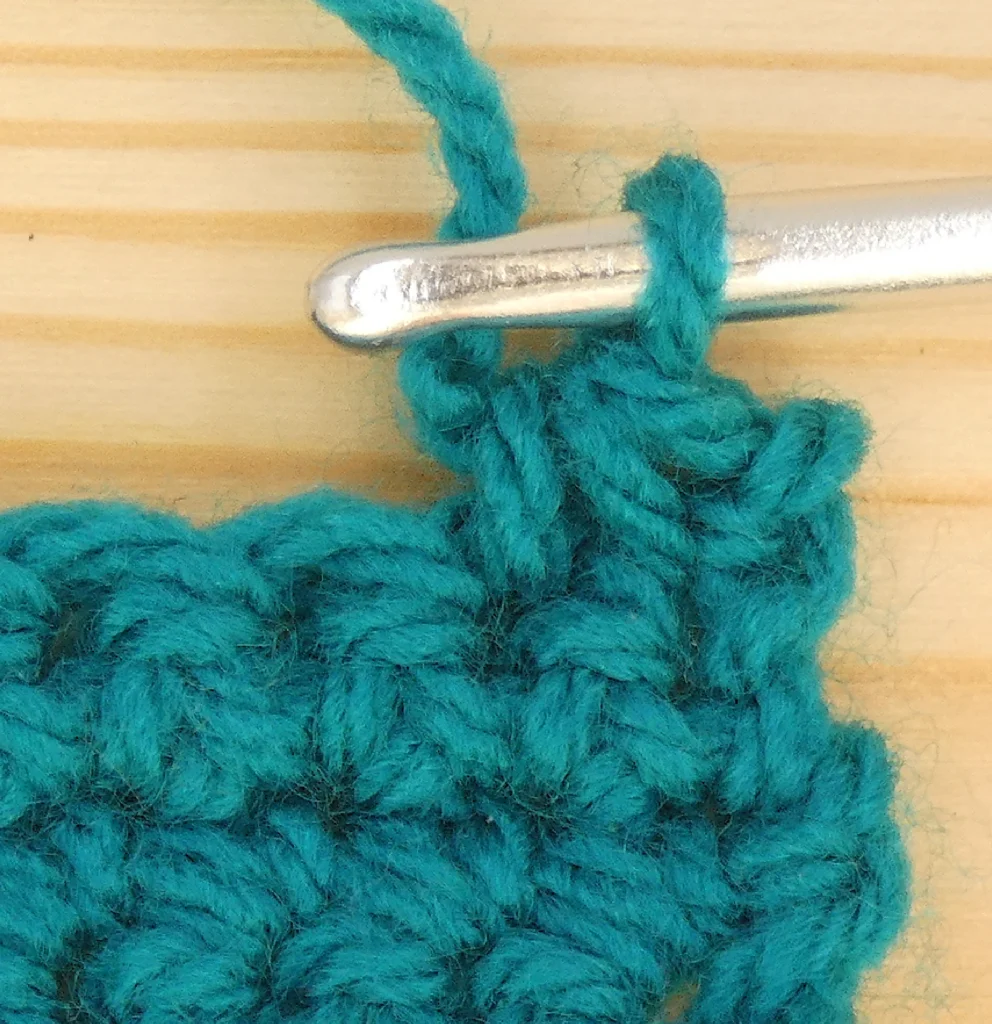
Yarn over and pull through all 3 loops to close the stitches together. There’s 1 loop on the hook and that’s a 2 stitch decrease!
It’s the same principle at the middle and end of a row. After the decrease, continue the stitches as normal.
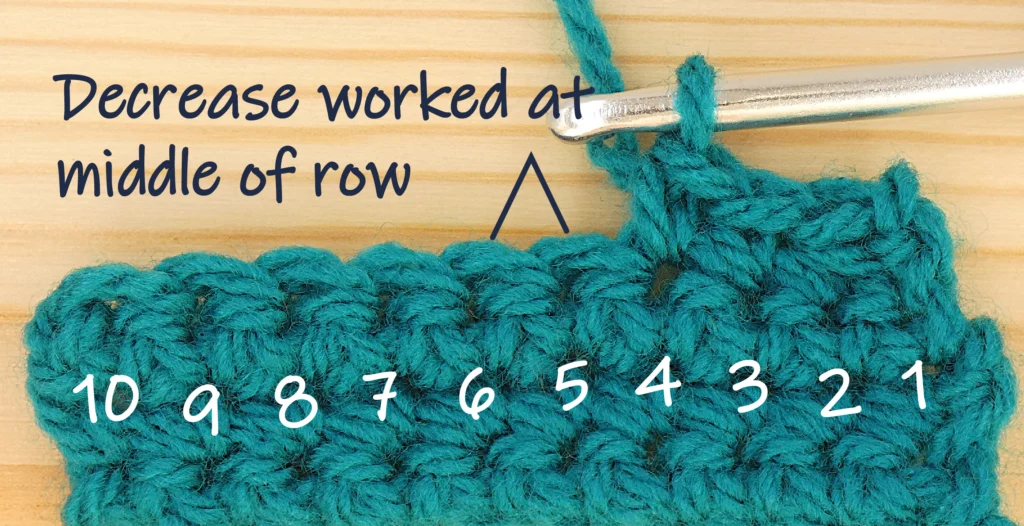
Partially make a Dc (Sc) in a stitch.
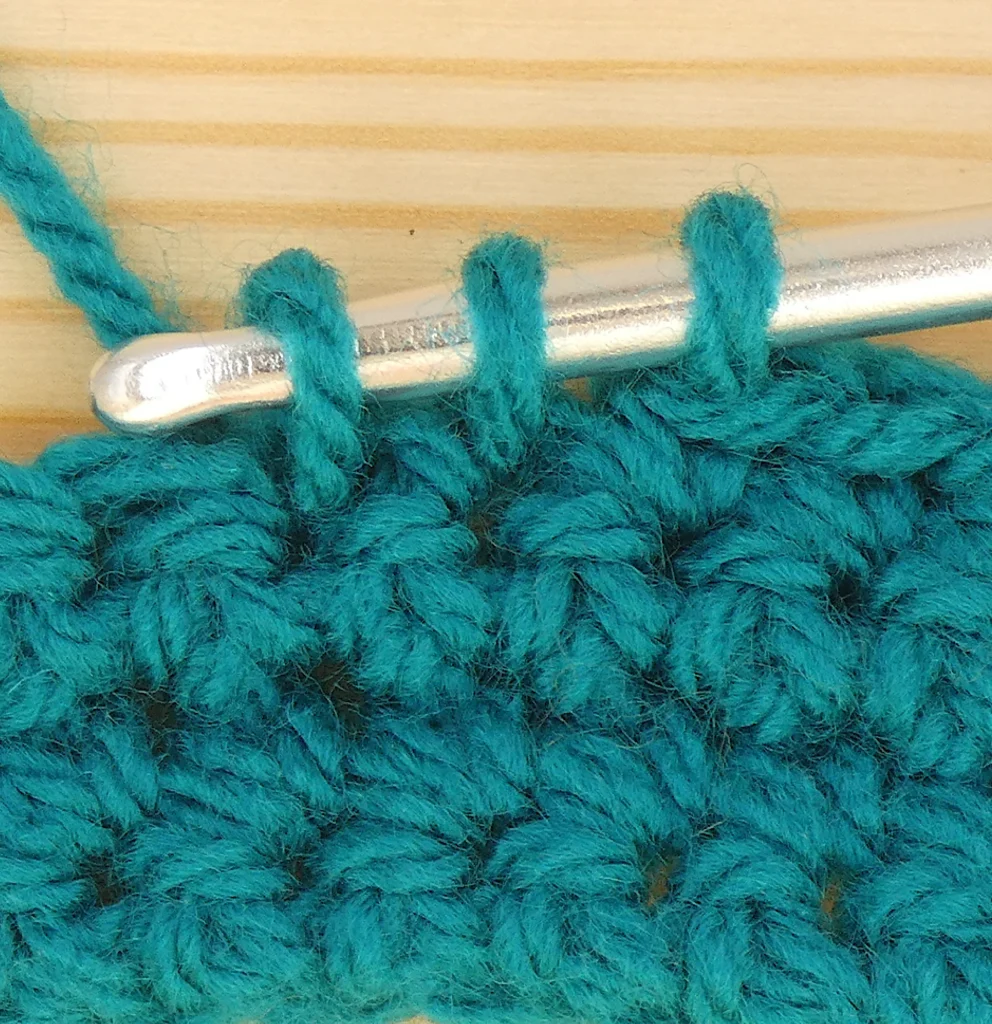
Partially make a Dc (Sc) in the next stitch.
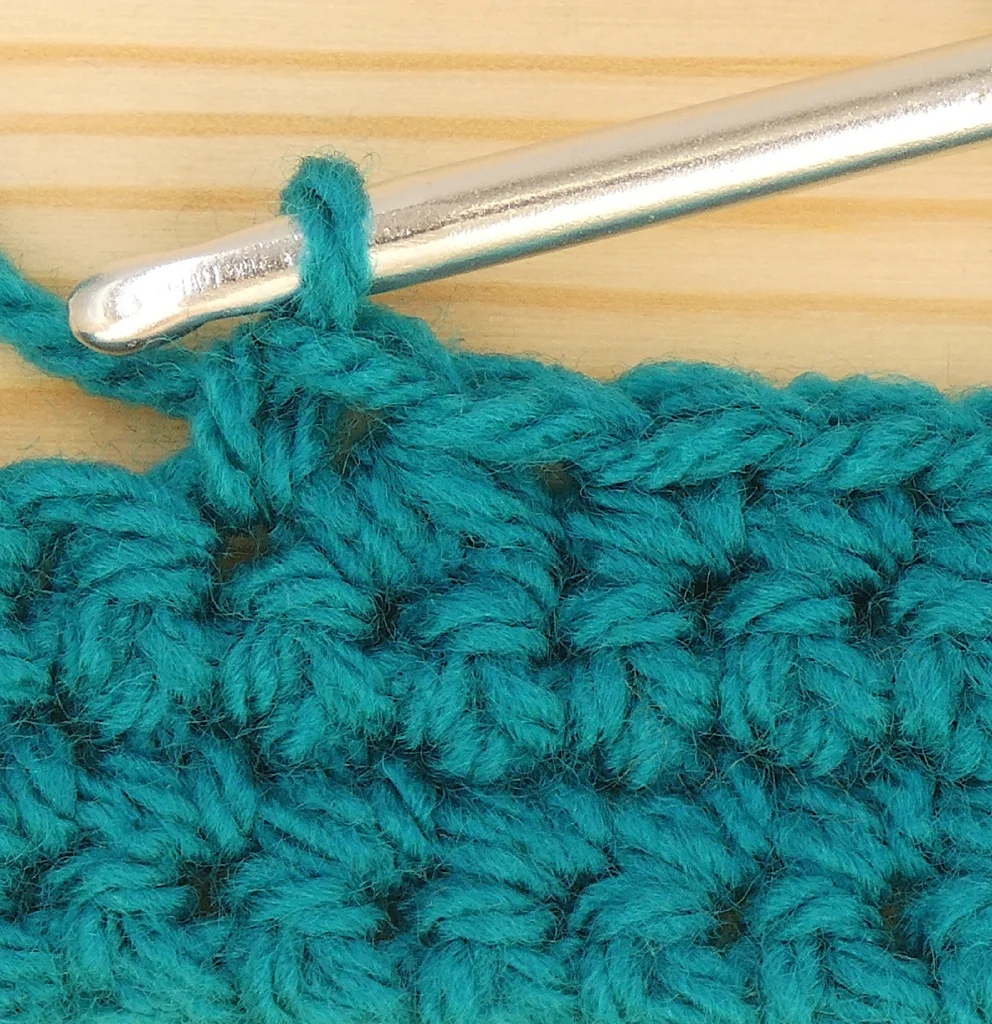
Close the stitches together, and continue crocheting.
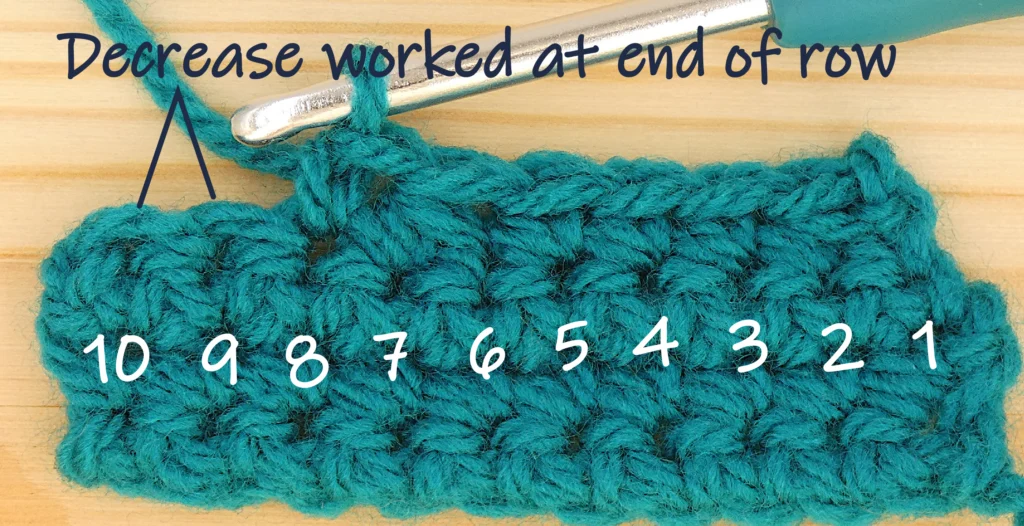
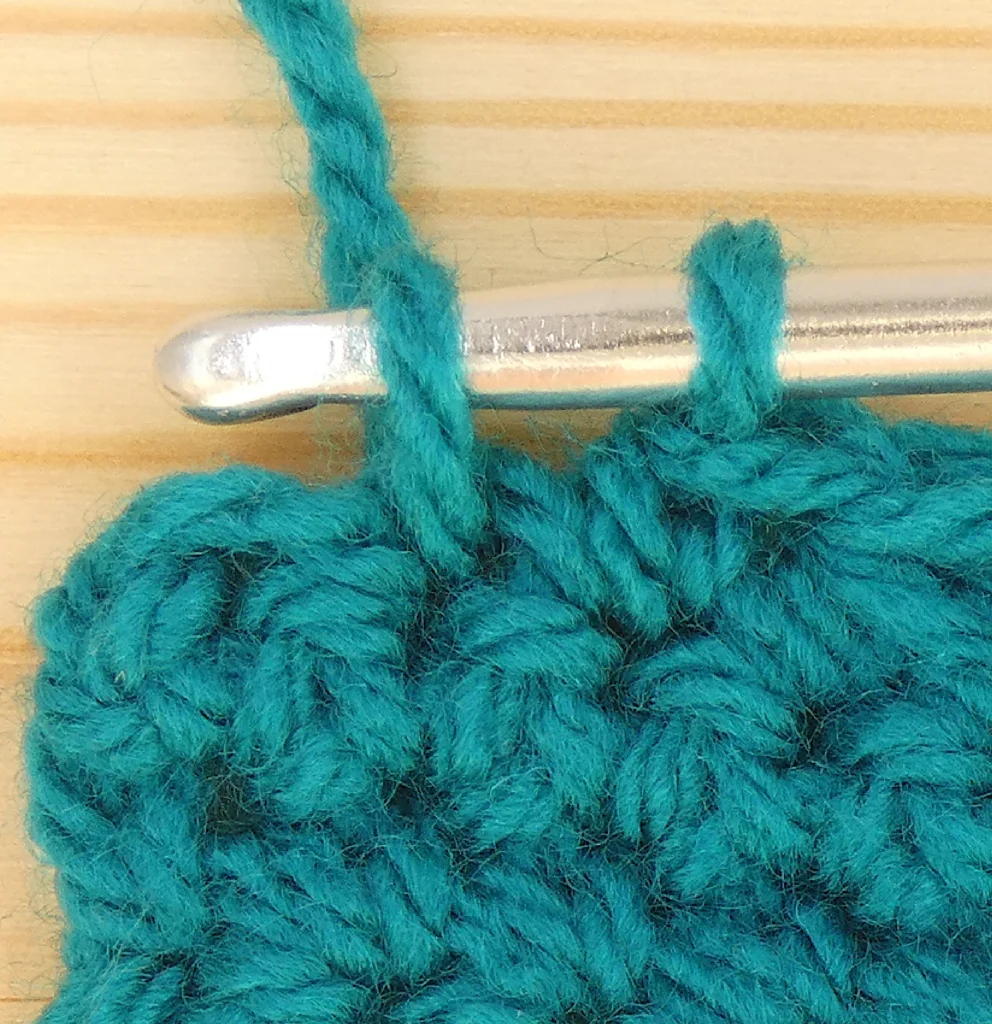
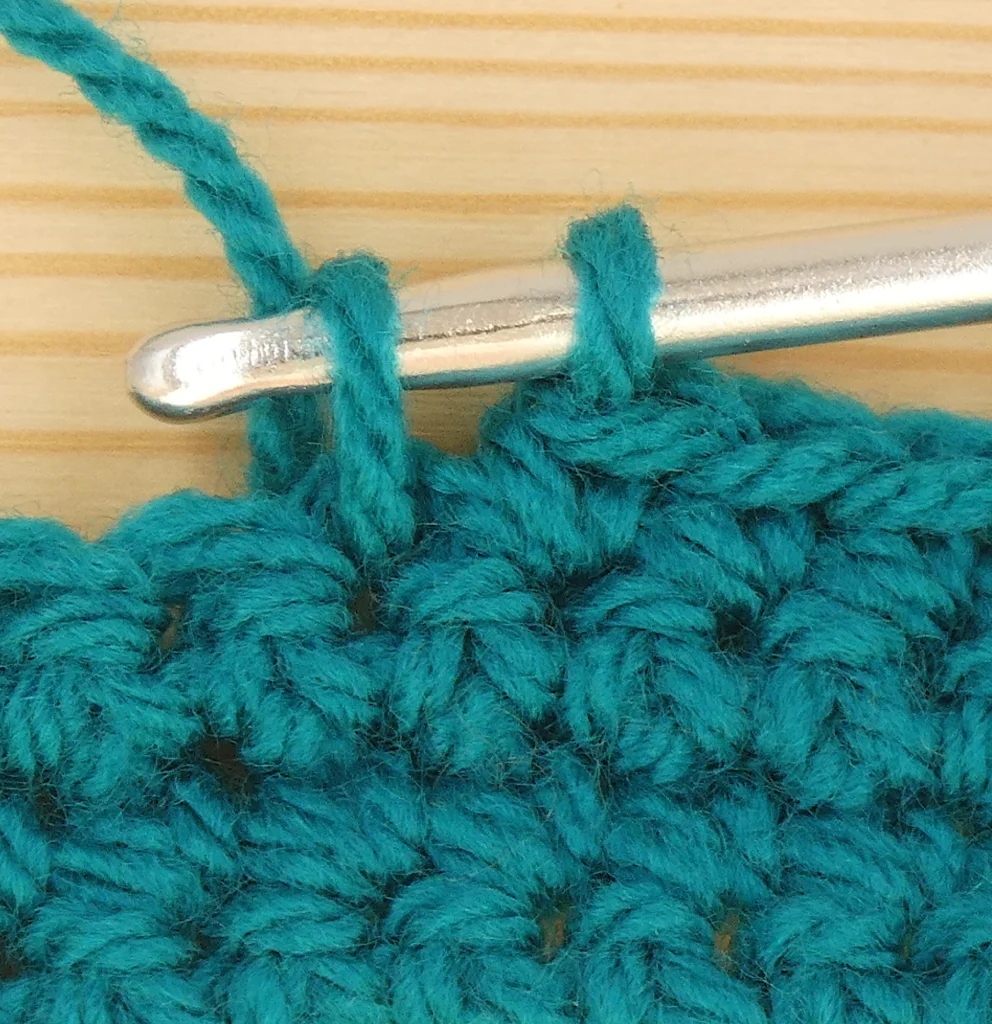
Partially make a Dc (Sc) in the 2nd to last stitch.
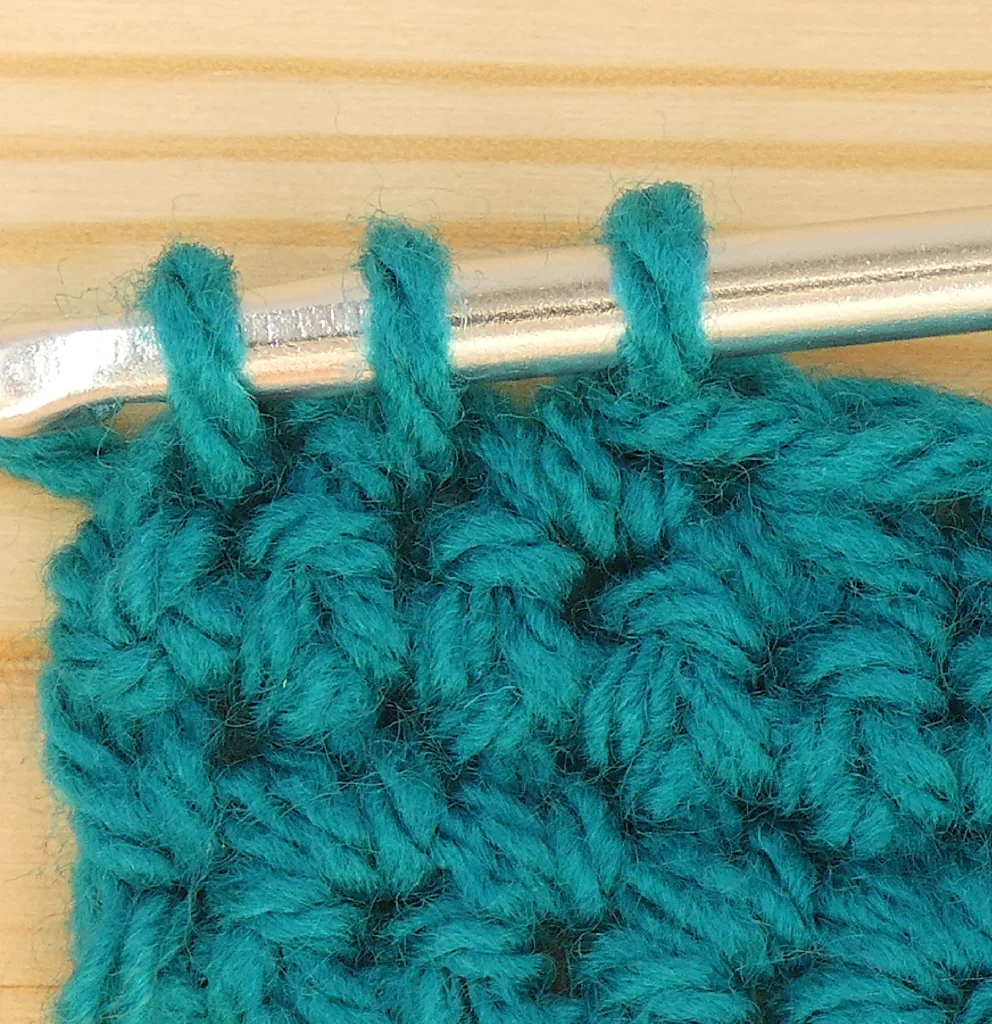
Partially make a Dc (Sc) in the last stitch.
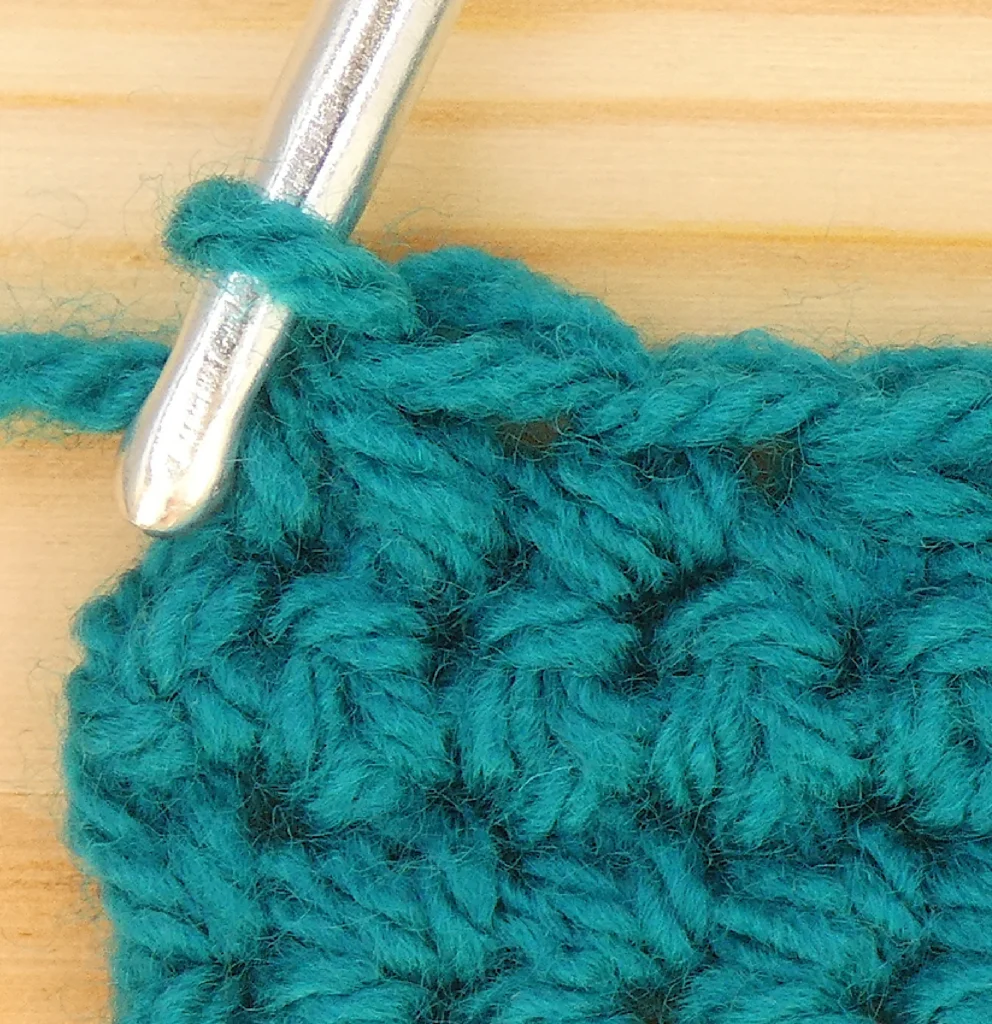
Close the stitches together.
It’s the same principle at the middle and end of a row. After the decrease, continue the stitches as normal.
Partially make a Dc (Sc) in a stitch.
Partially make a Dc (Sc) in the next stitch.
Close the stitches together, and continue crocheting.
Partially make a Dc (Sc) in the 2nd to last stitch.
Partially make a Dc (Sc) in the last stitch.
Close the stitches together.
I made a total of 3 decreases on this row, so the stitch count has gone from 10 to 7.
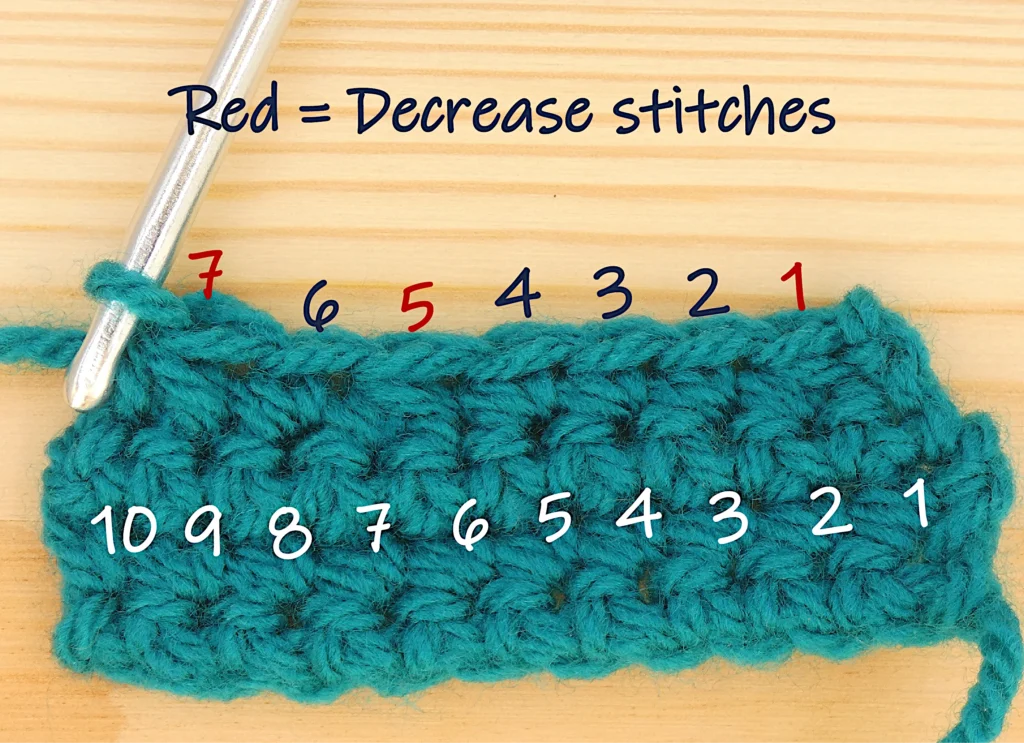
I’ll work this half treble (half double) with a chain 2 as the 1st stitch, therefore the decrease is made over the 2nd and 3rd stitch.
If the Htr had a turning chain of 1, you would work over the 1st and 2nd stitches.
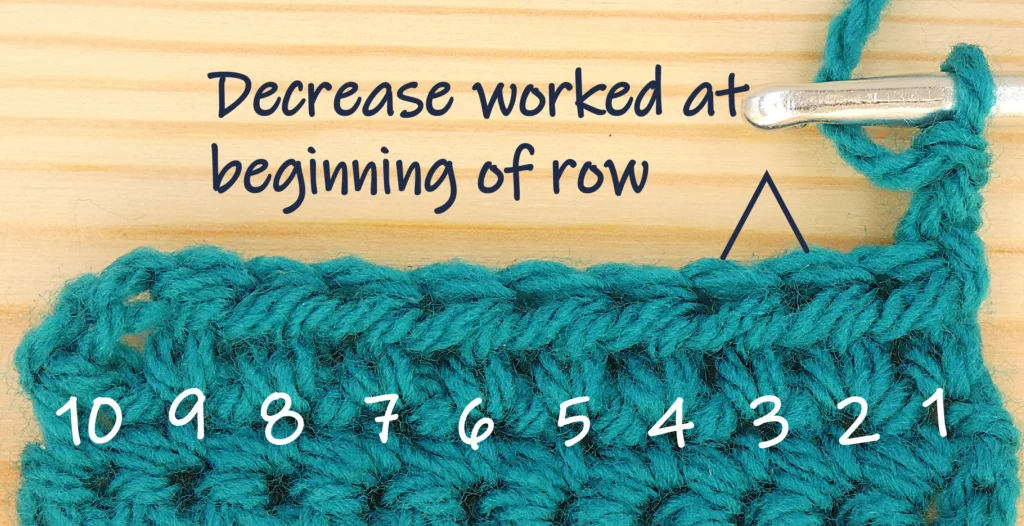
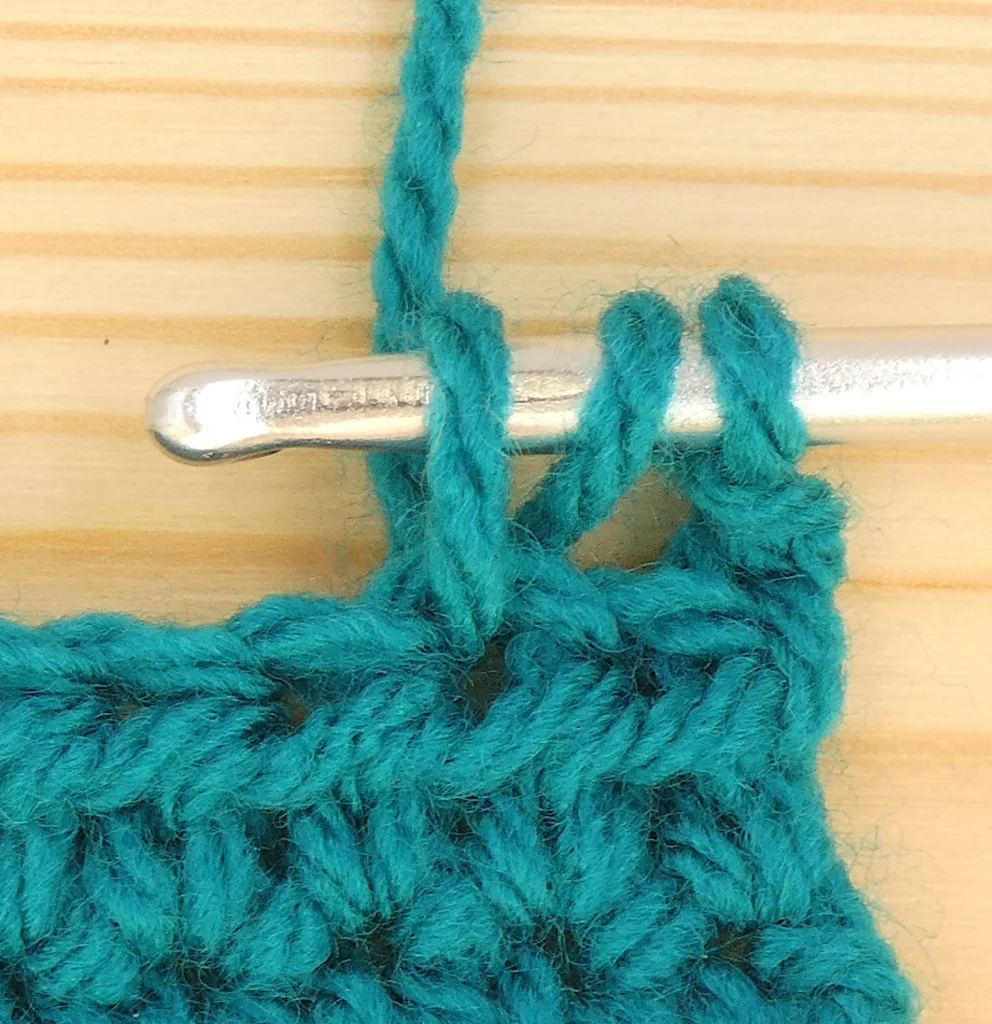
Yarn over, and partially make the stitch. There are 3 loops on the hook.
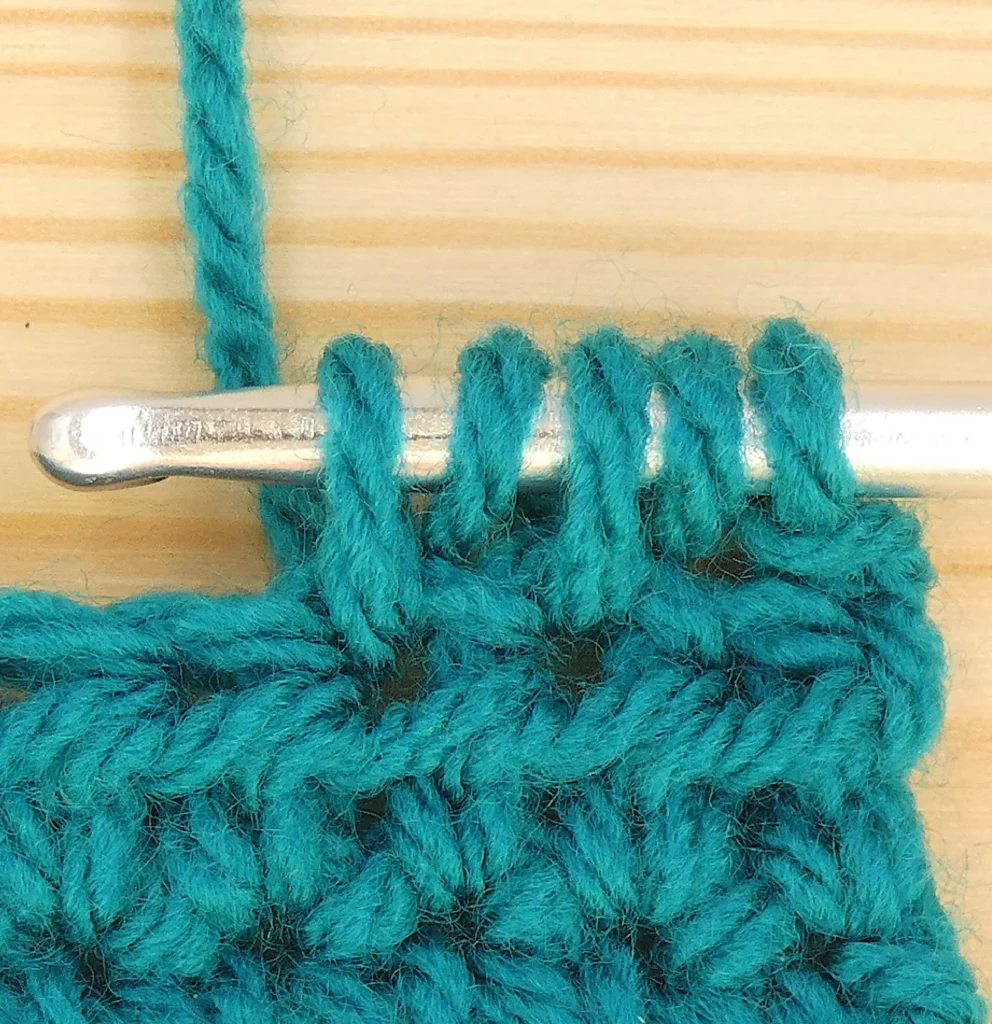
Yarn over and partially make a Htr (Hdc) in the 3rd stitch, leaving 5 loops on the hook.
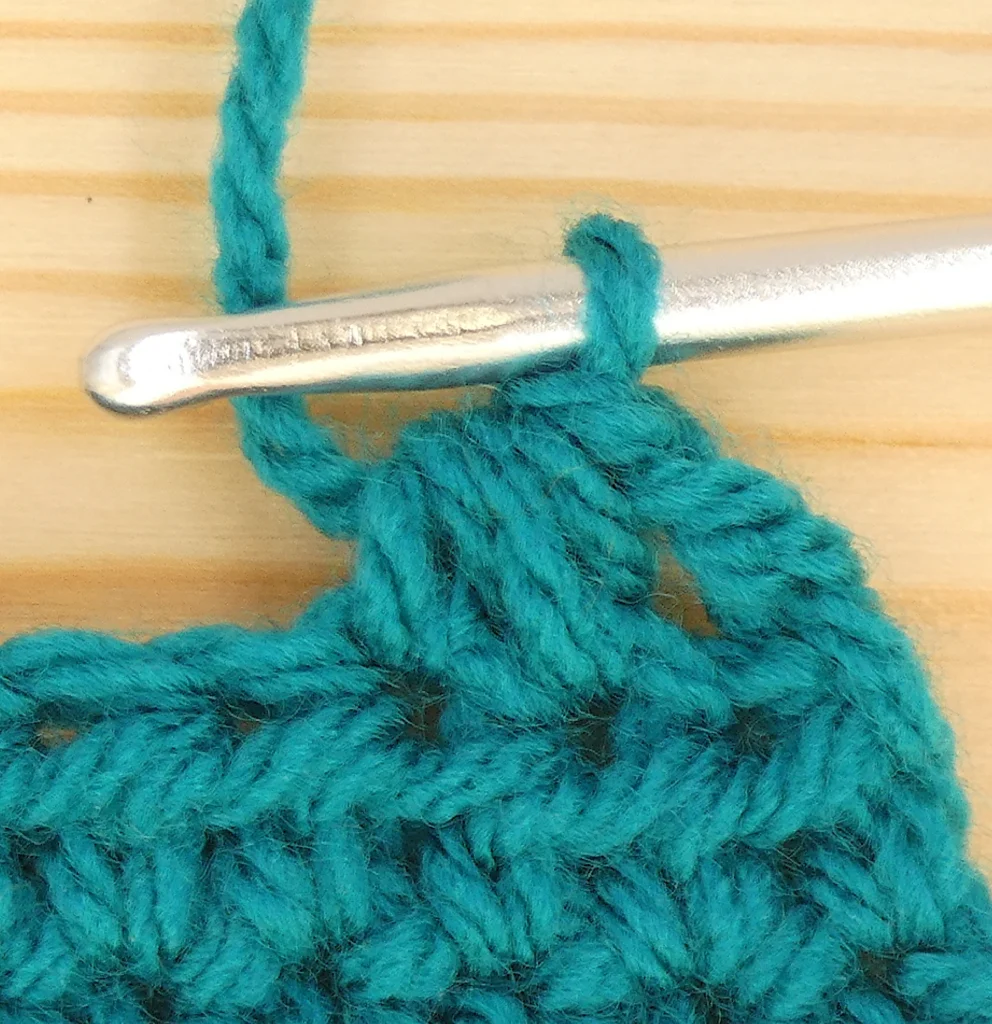
Yarn over and pull through all 5 loops to close the stitches together.
Work the decrease the same for the middle and end of the row. At the end of the row, work into the turning chain.
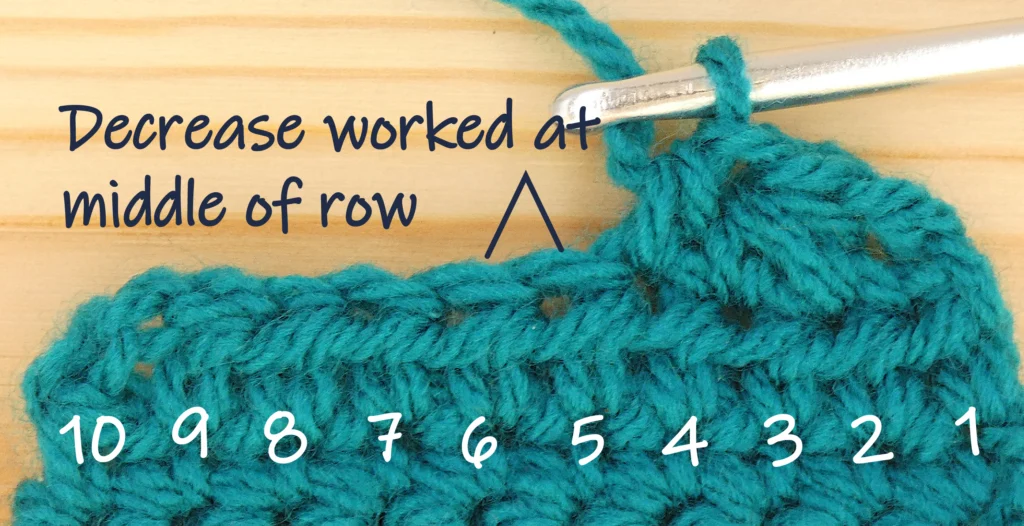
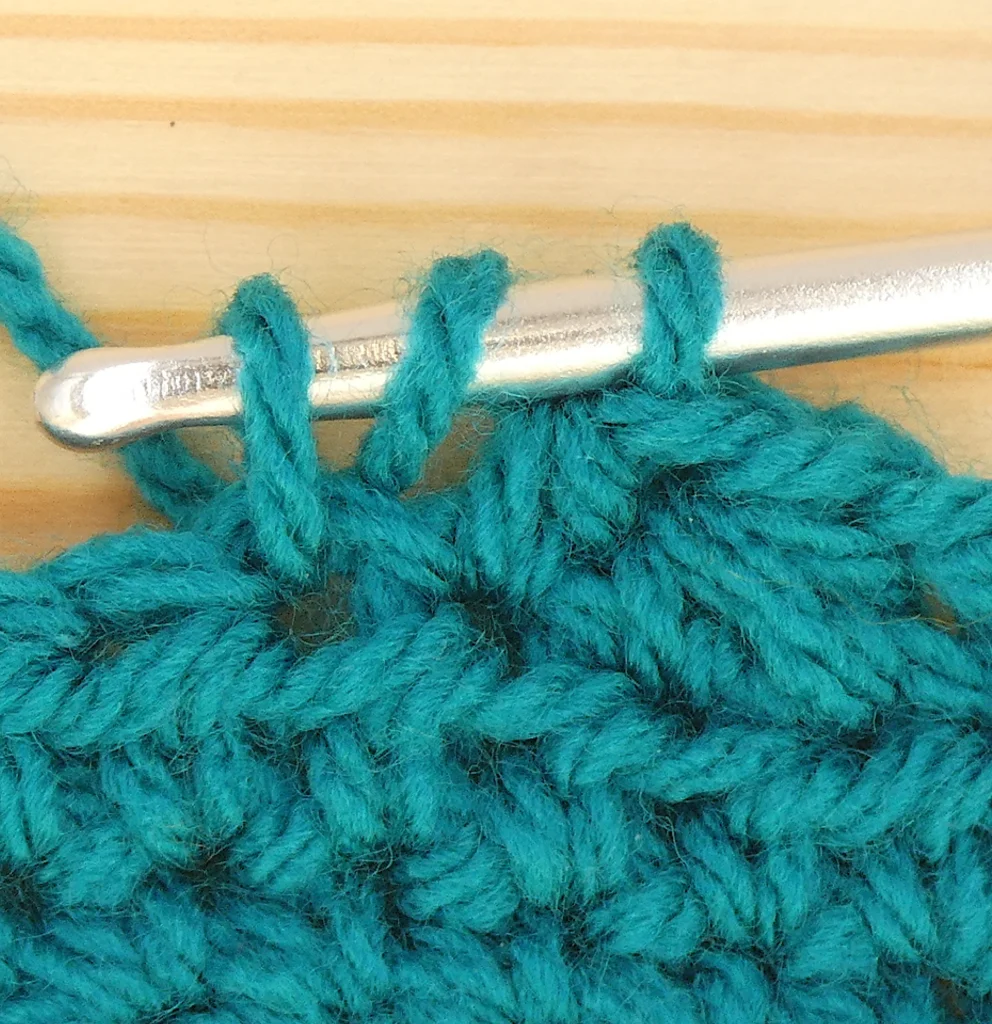
Partially make a Htr (Hdc) in a stitch.
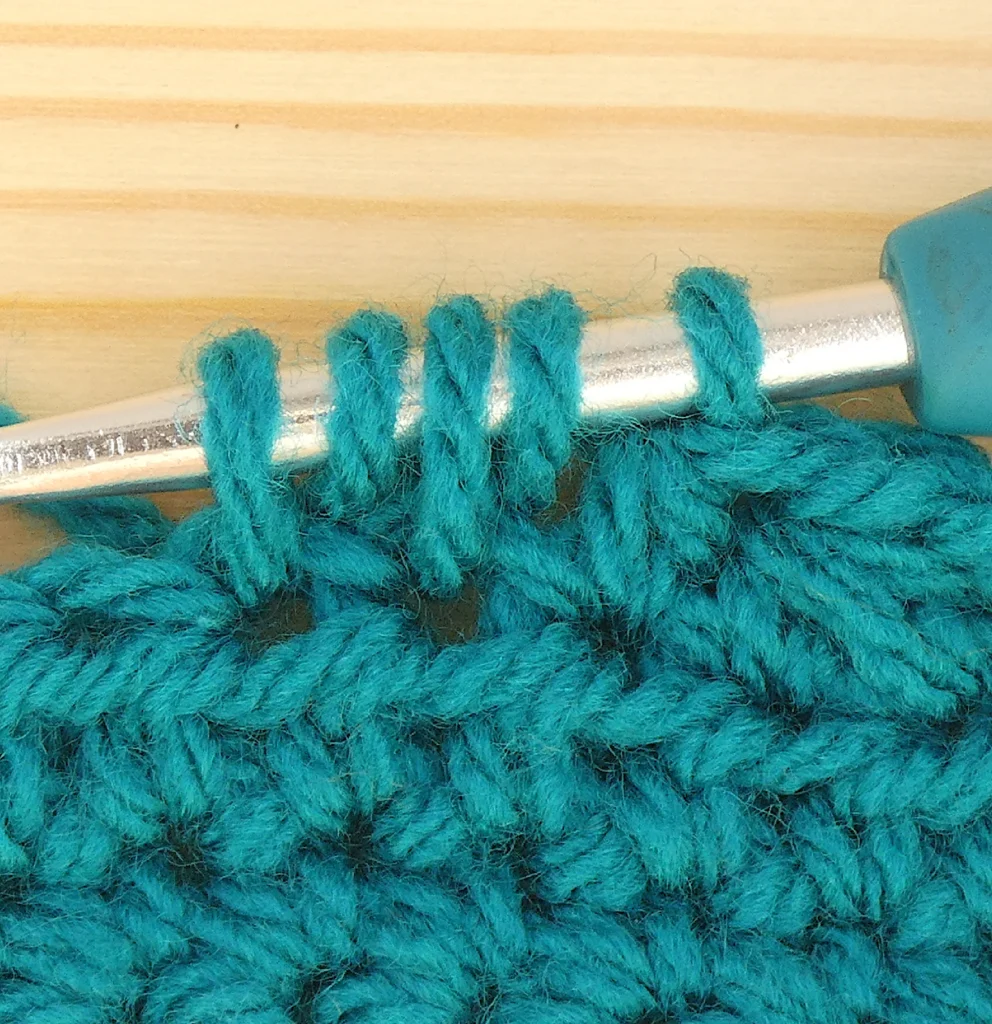
Repeat a partial Htr (Hdc) in the next stitch.
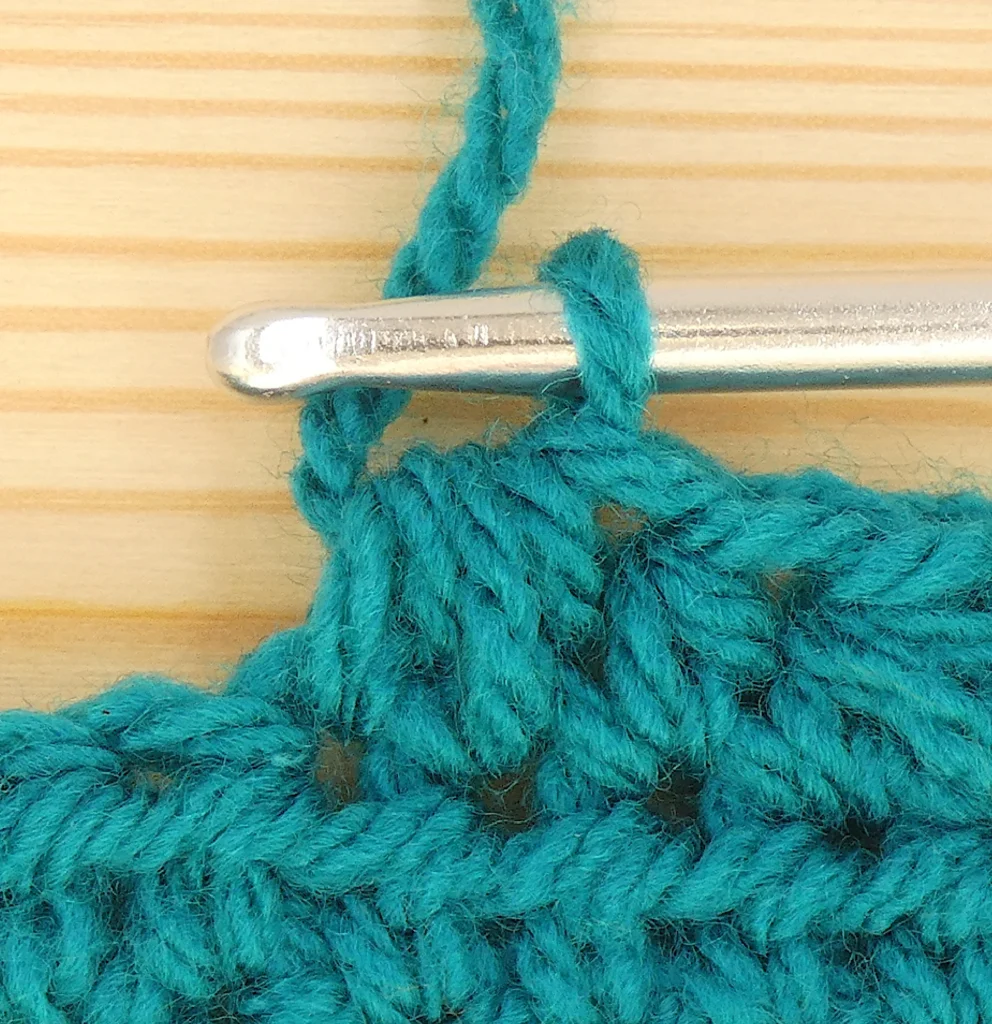
Close the stitches together, and continue crocheting
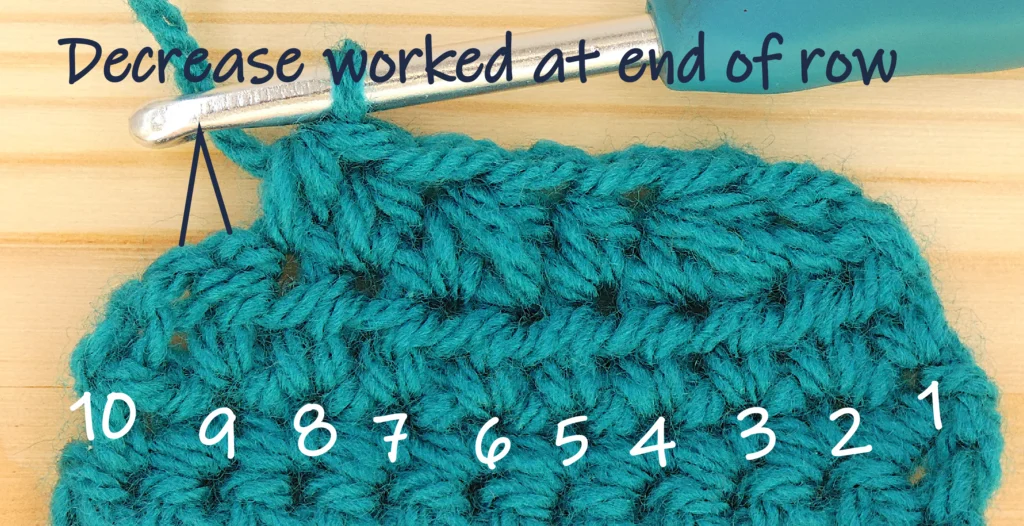
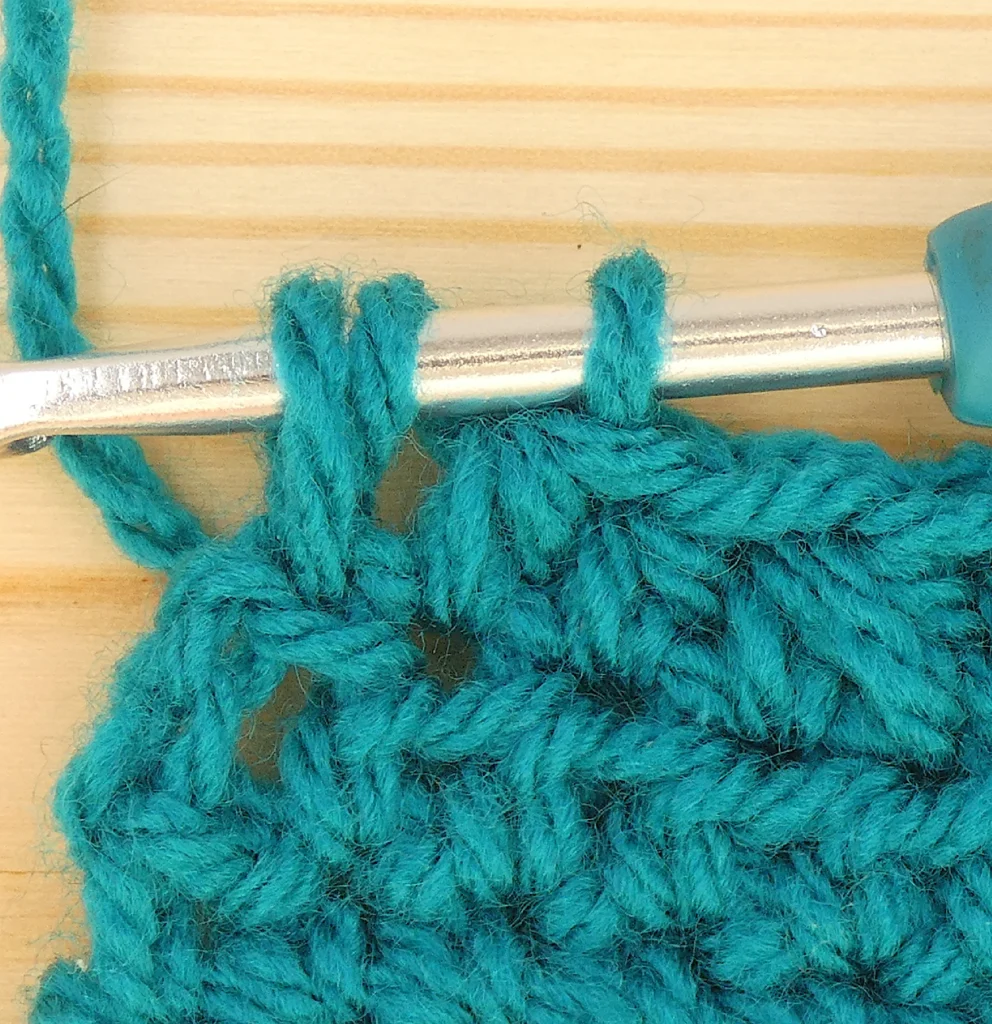
Partially make a Htr (Hdc) in the stitch before the turning chain.
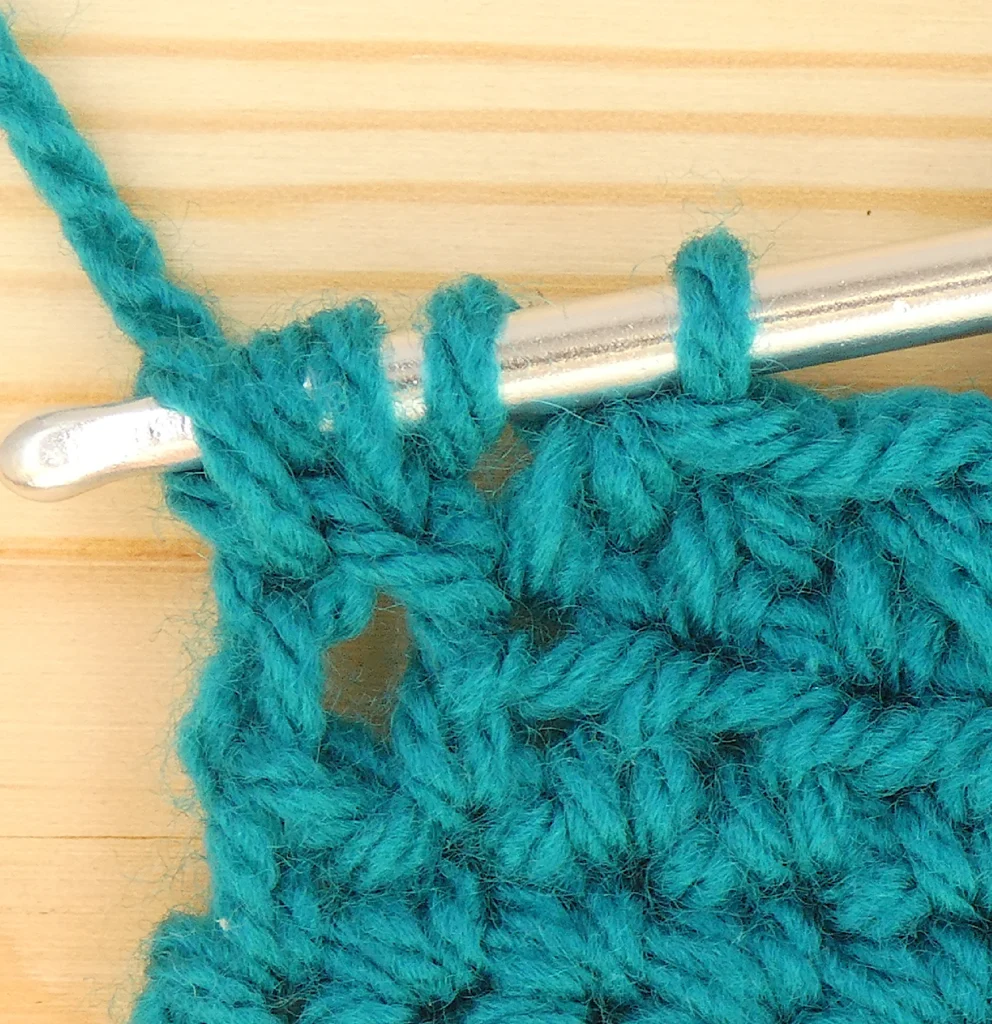
Partially make a Htr (Hdc) in the turning chain.
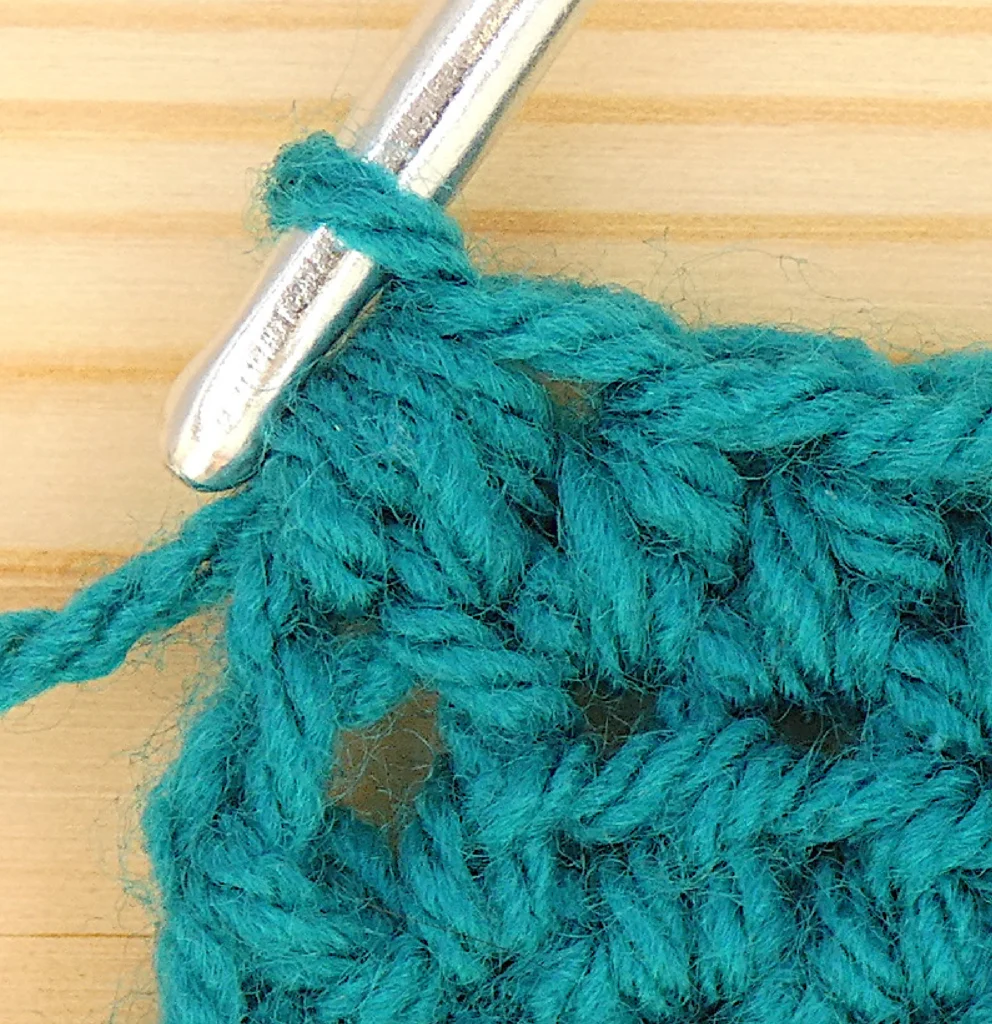
Close the stitches together.
Work the decrease the same for the middle and end of the row. At the end of the row, work into the turning chain.
Partially make a Htr (Hdc) in a stitch.
Repeat a partial Htr (Hdc) in the next stitch.
Close the stitches together, and continue crocheting.
Partially make a Htr (Hdc) in the stitch before the turning chain.
Partially make a Htr (Hdc) in the turning chain.
Close the stitches together.
The 3 decreases on this row have reduced stitch count 7.
The chain 3 is the 1st stitch, so once again, we work over the 2nd and 3rd stitches.
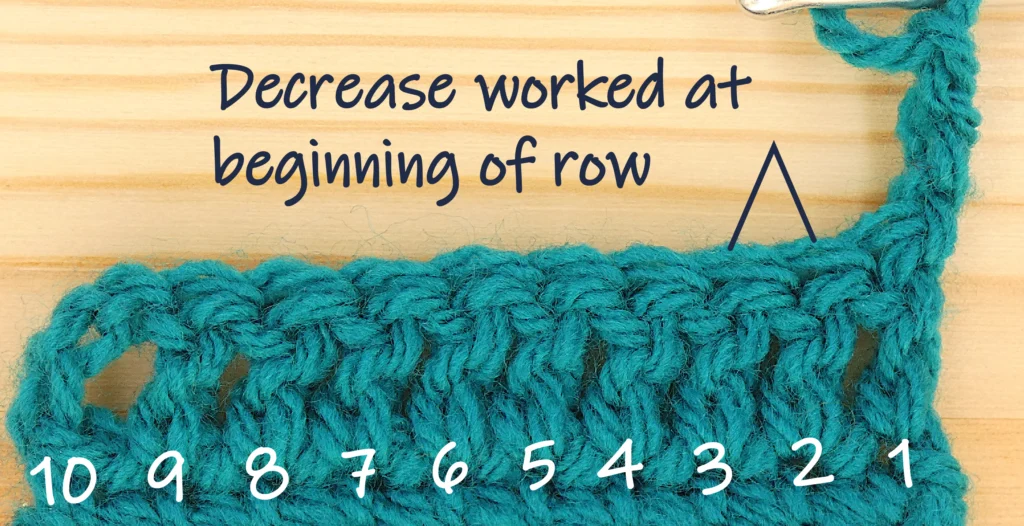
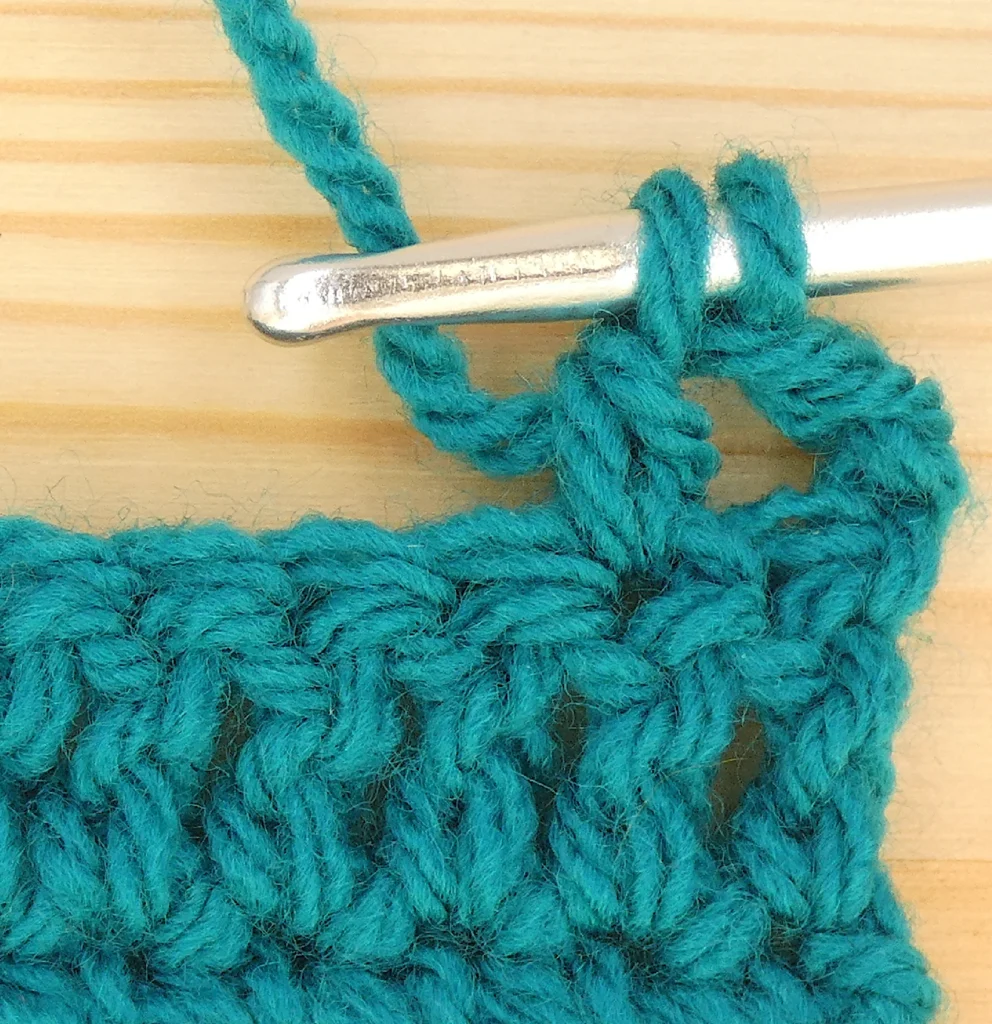
Work the 1st Tr (Dc), stopping before you close the stitch, so there are 2 loops on the hook.

Repeat in the 3rd stitch, so there are now 3 loops on the hook.
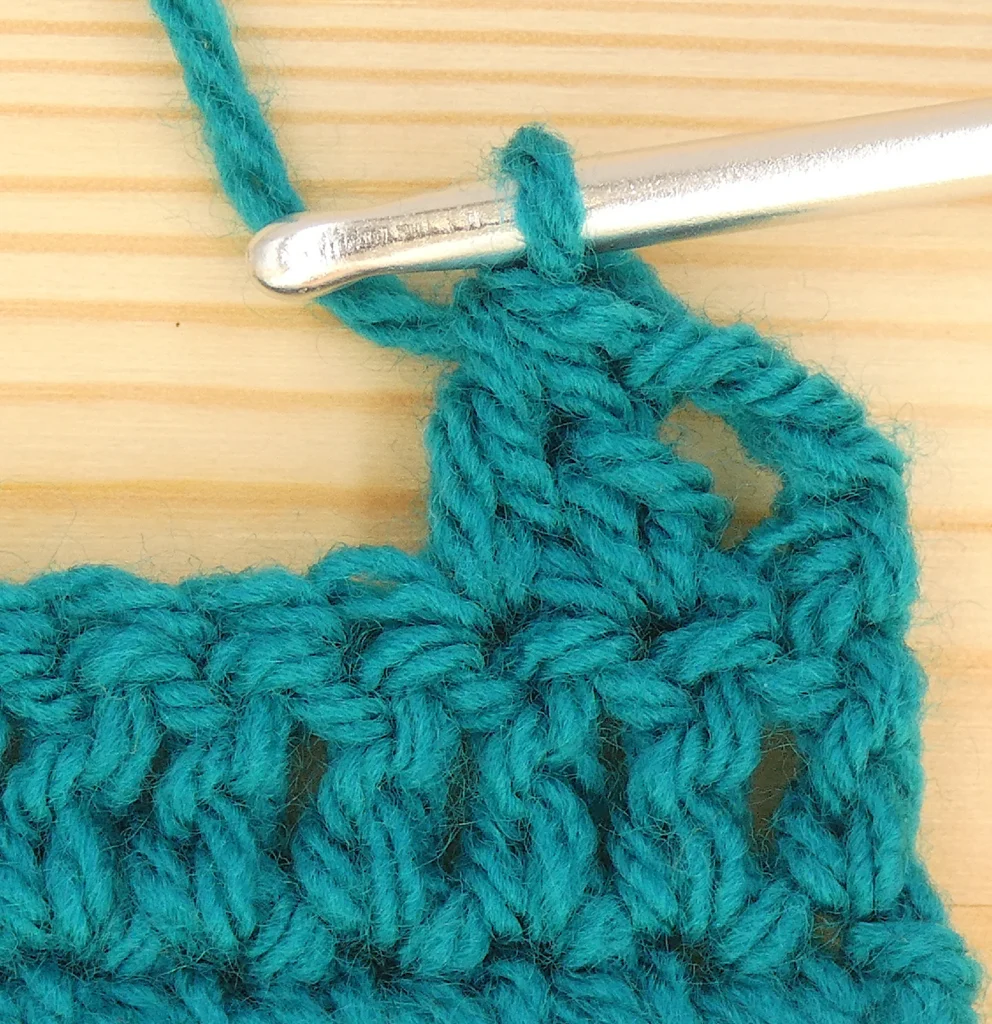
Yarn over and pull through all 3 loops to close the stitches together, leaving 1 loop on the hook.
Once again it’s the same the middle and end of a row.
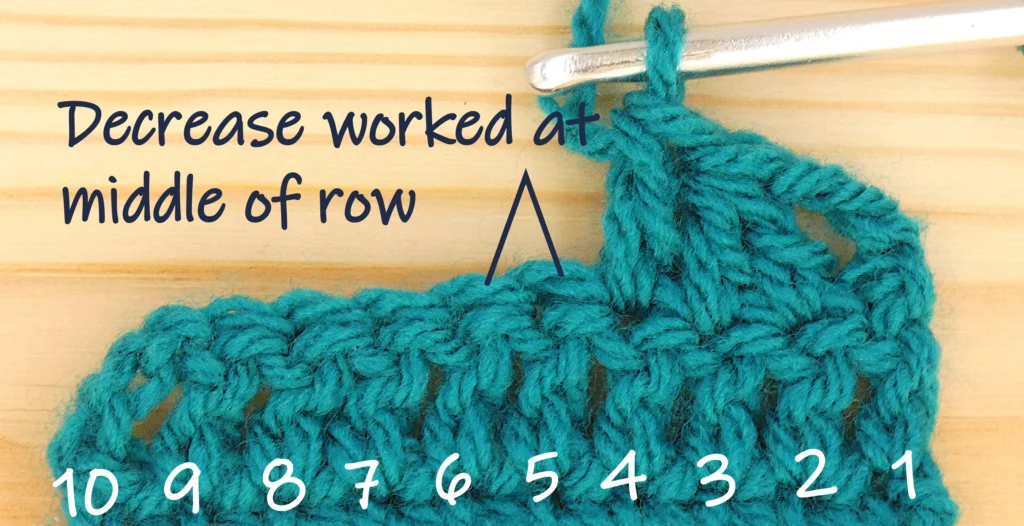
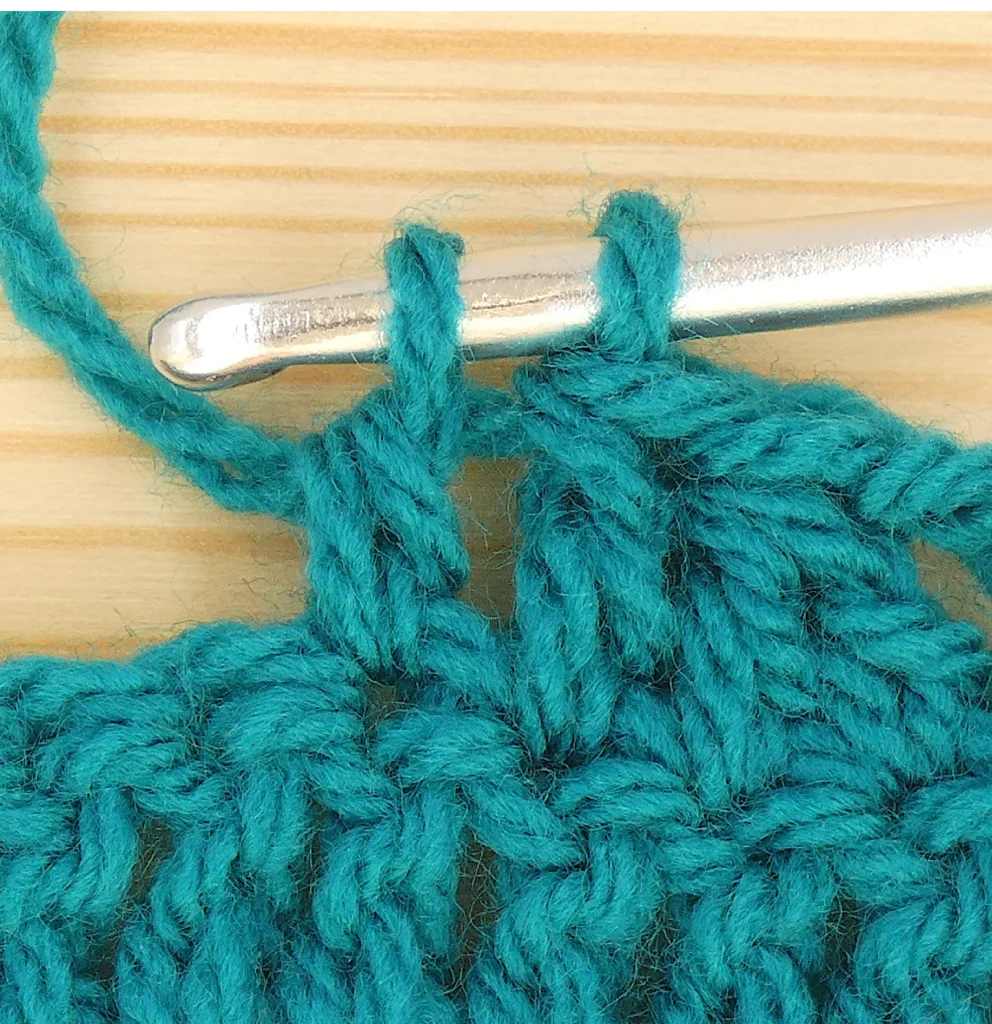
Partially make a Tr (Dc).
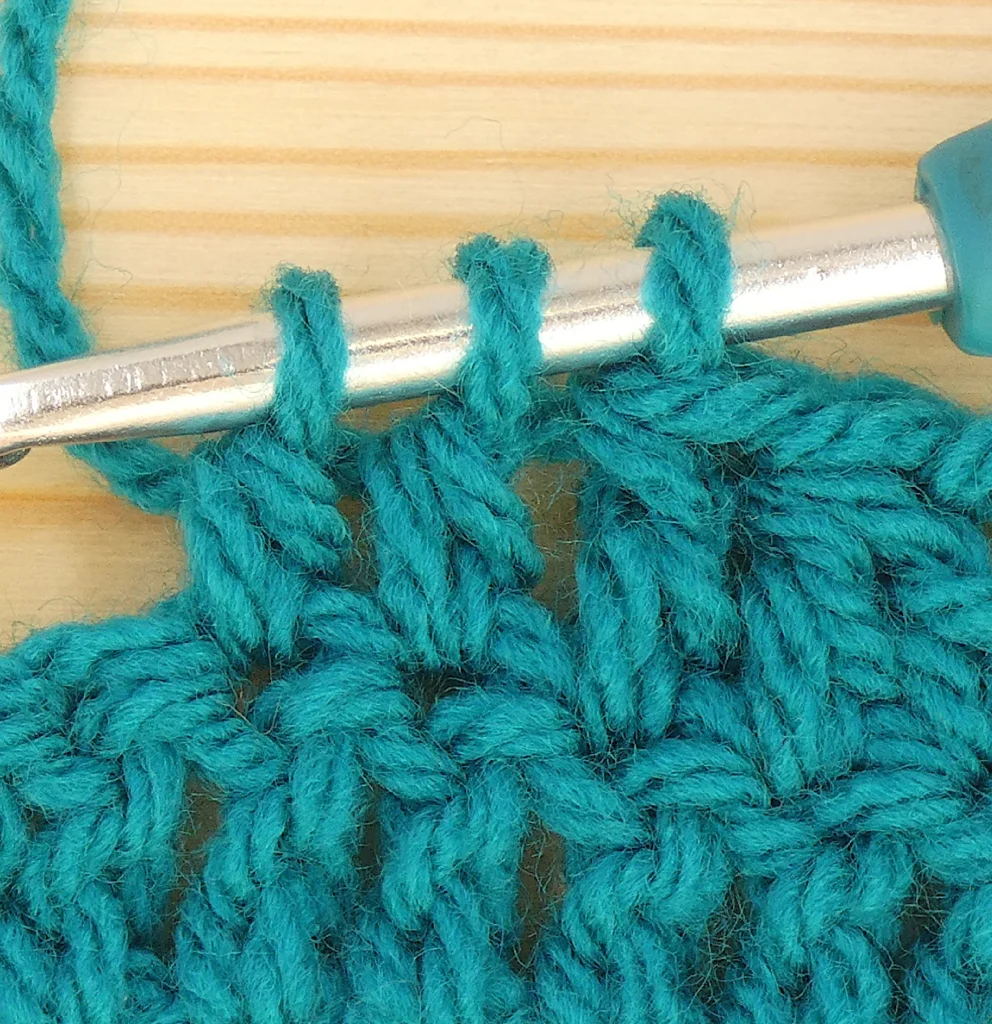
Partially make the next Tr (Dc) in the next stitch.
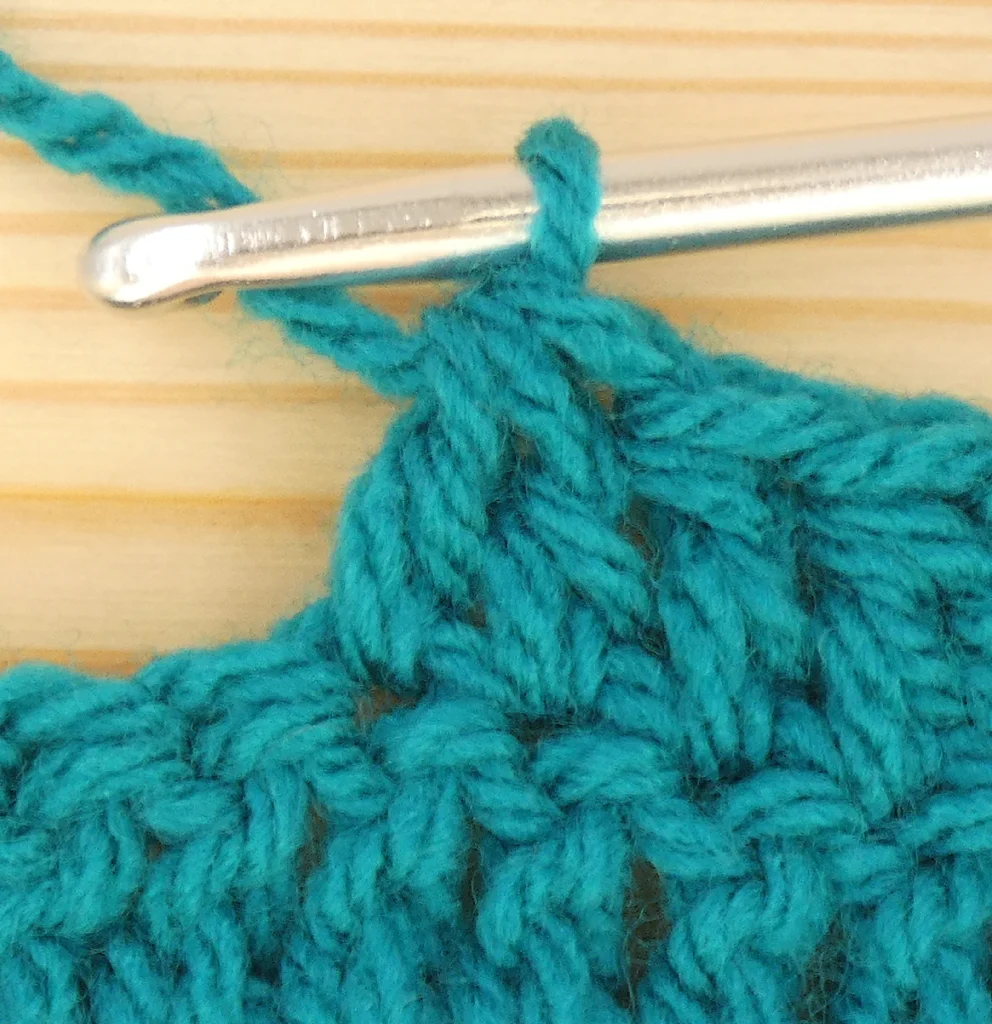
Pull through all 3 loops to close the stitches together.
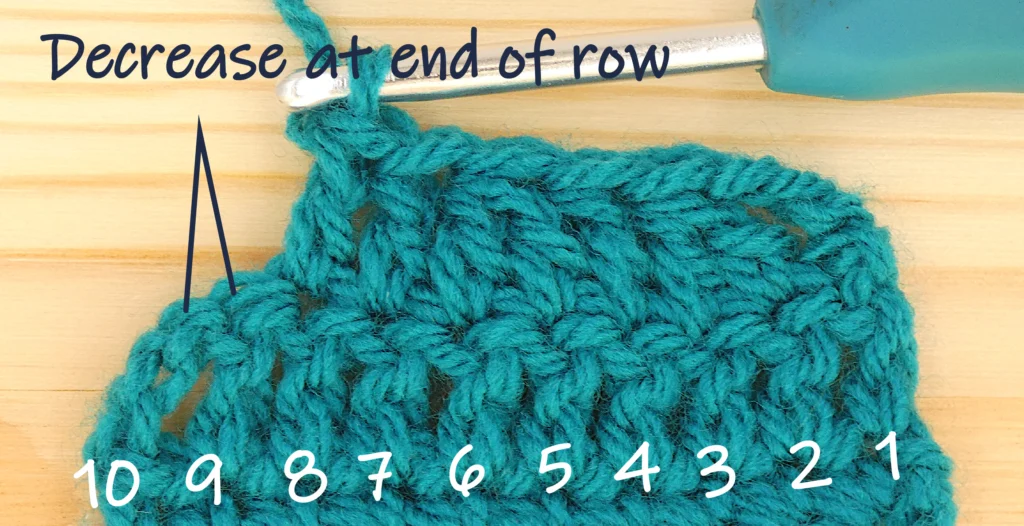
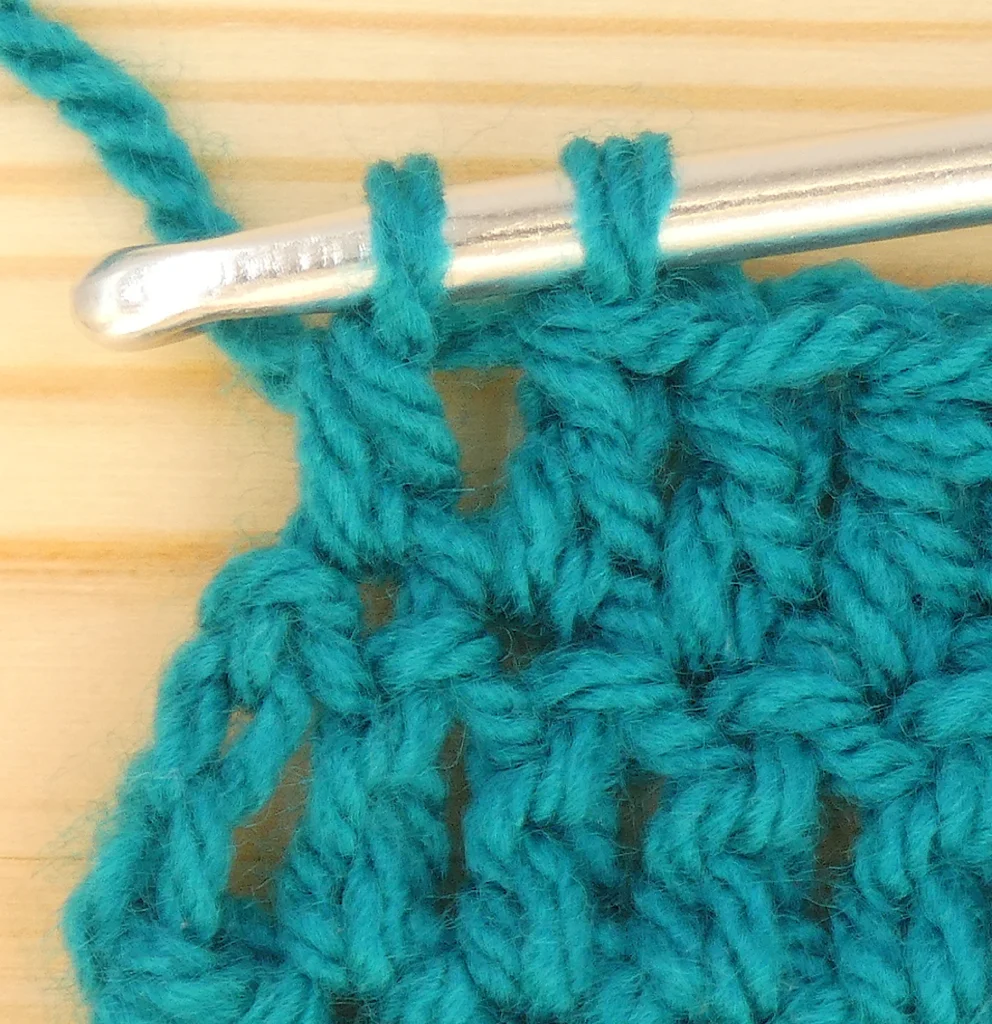
Partially make a Tr (Dc) in the 2nd to last stitch.
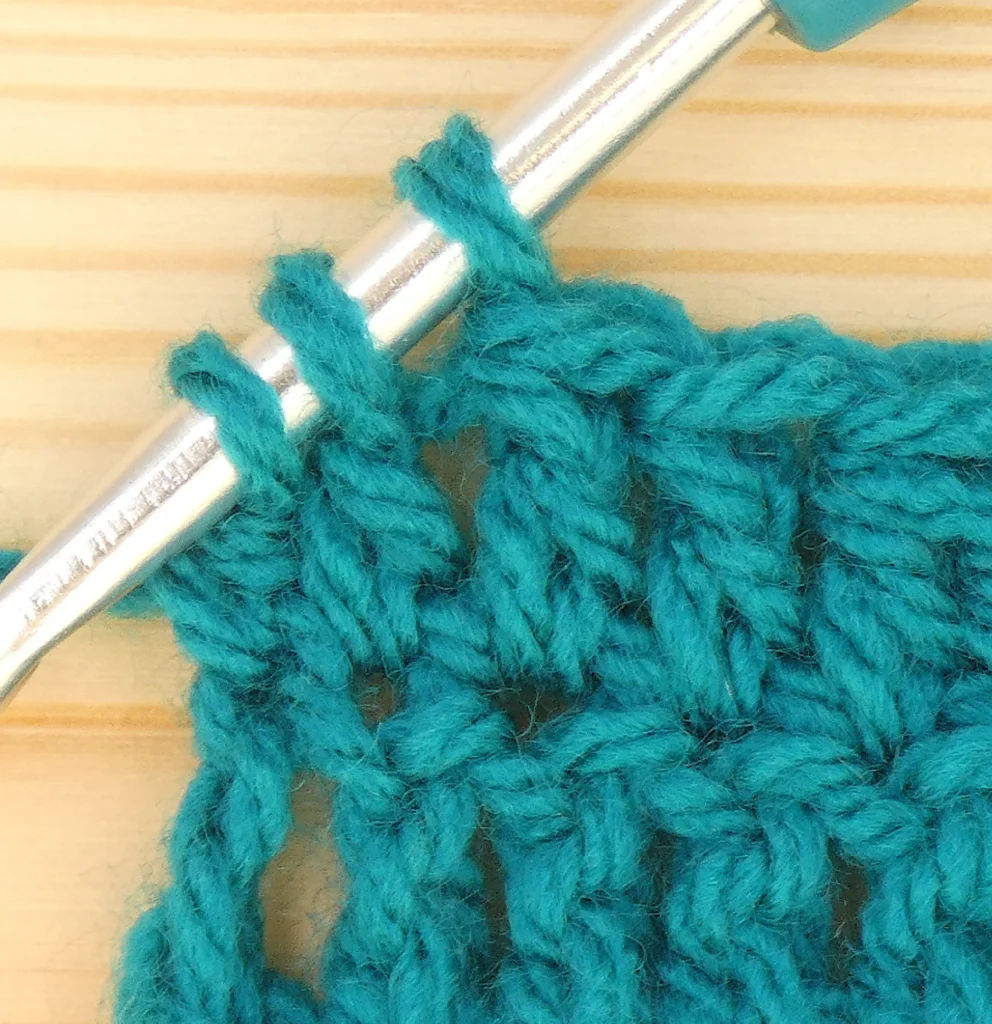
Partially make a Tr (Dc) in the turning chain.
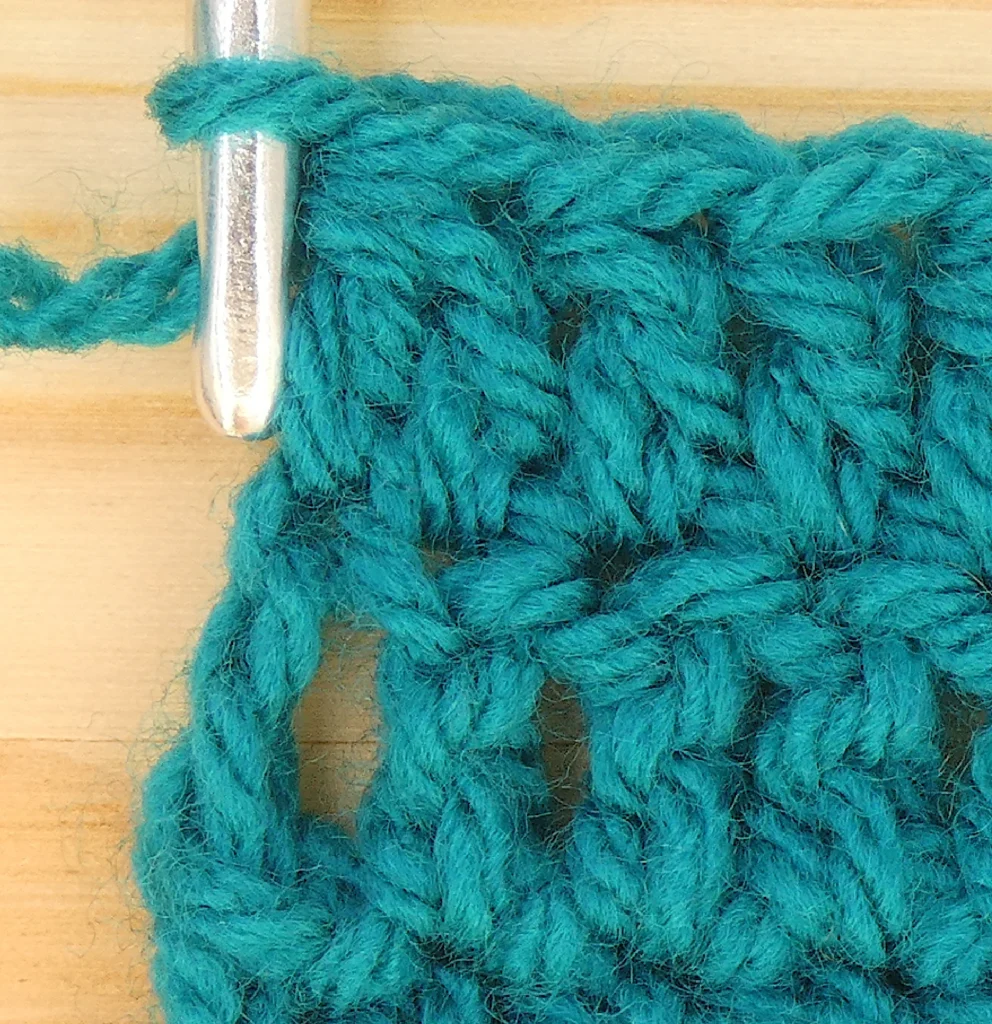
Close the stitches together.
Once again it’s the same the middle and end of a row.
Partially make a Tr (Dc) in a stitch.
Partially make the next Tr (Dc) in the next stitch.
Pull through all 3 loops to close the stitches together.
Partially make a Tr (Dc) in the 2nd to last stitch.
Partially make a Tr (Dc) in the turning chain.
Close the stitches together.
And again, the 3 decreases have reduced the stitch count from 10 to 7.
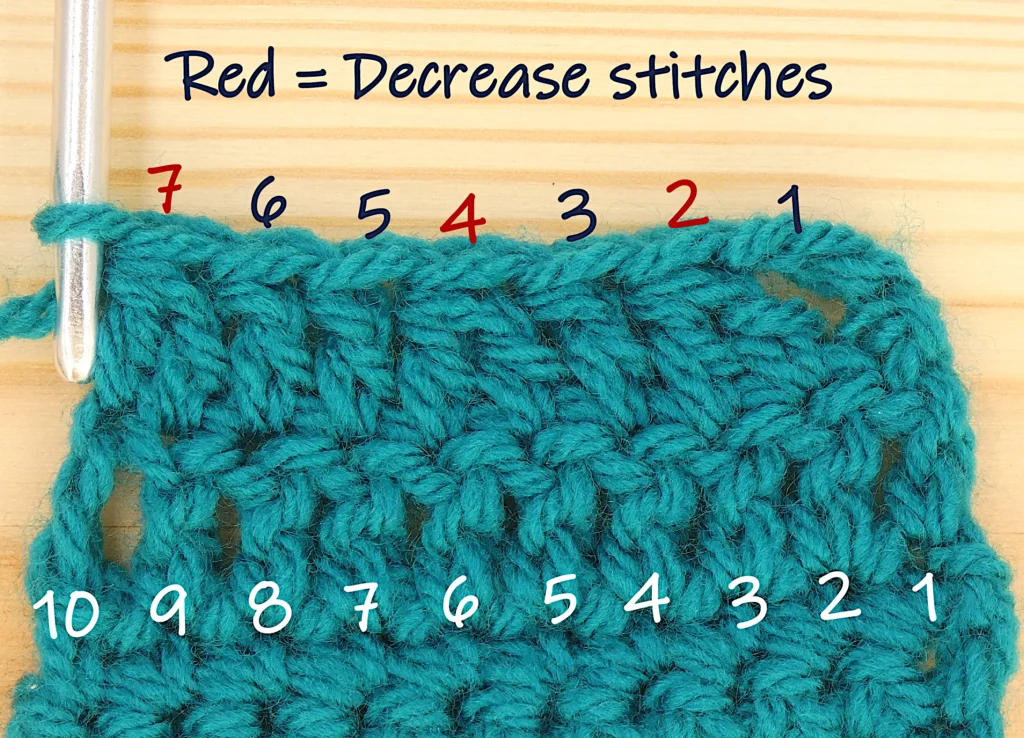
Increases at the beginning and end of a row are slightly more complicated, so I’ll be showing those in the intermediate lessons.
For now, I’ll just explain increases in the middle of a row. The method is the same for all stitches.
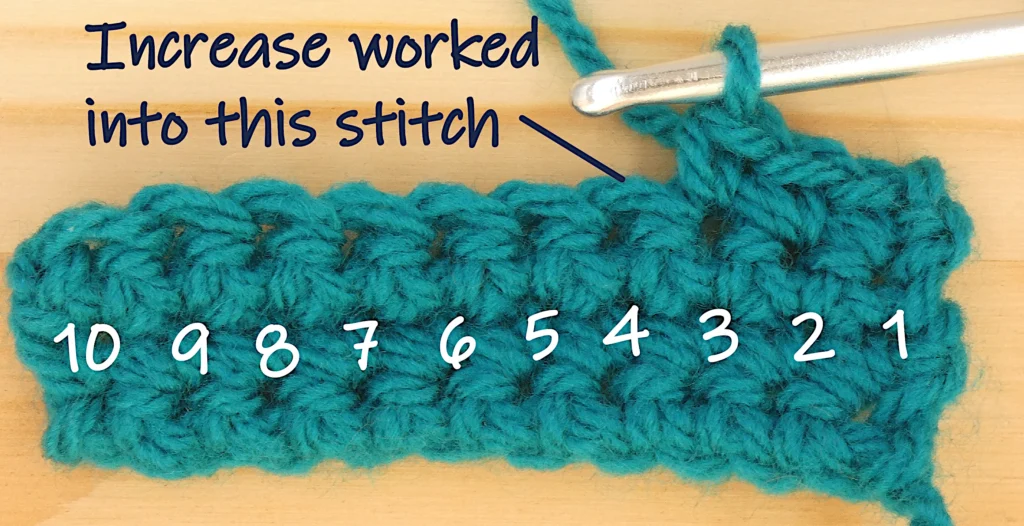
I’ll make an increase in the 4th stitch.
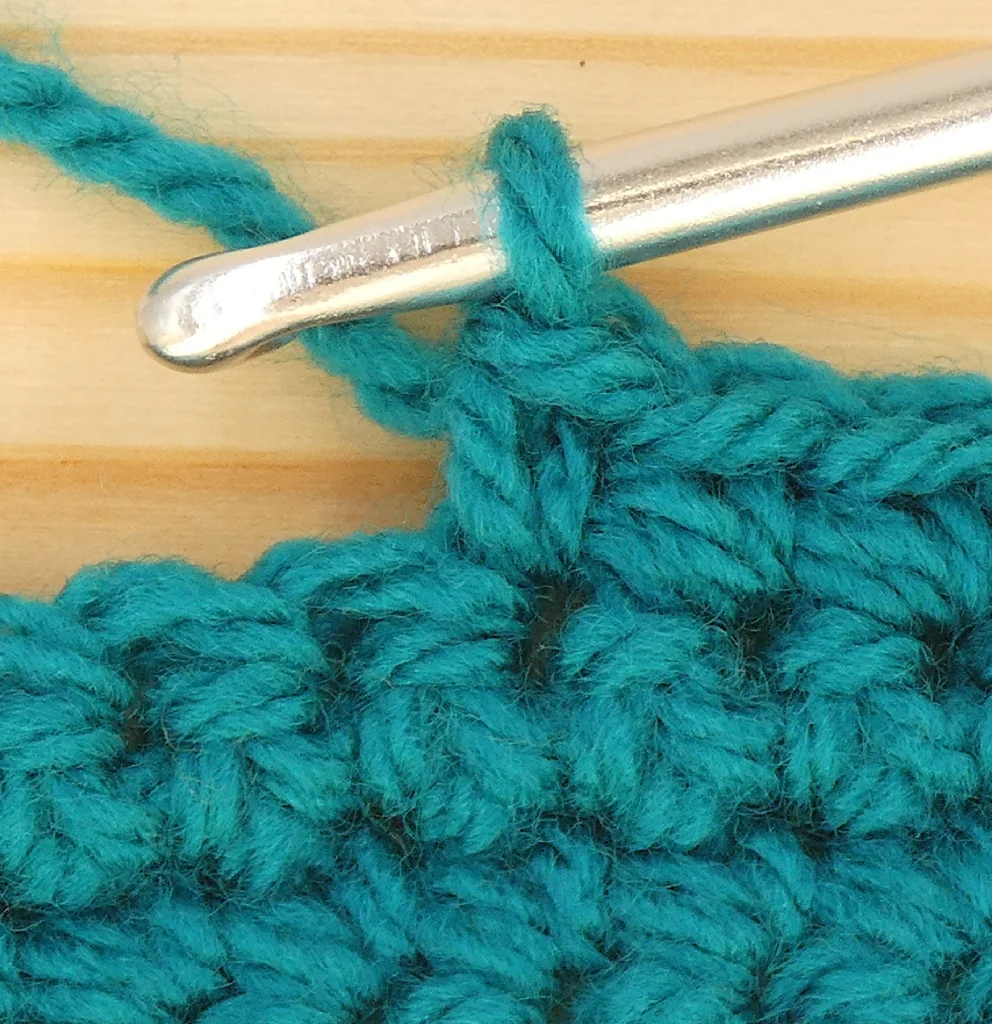
Make a Dc (Sc) in a stitch.
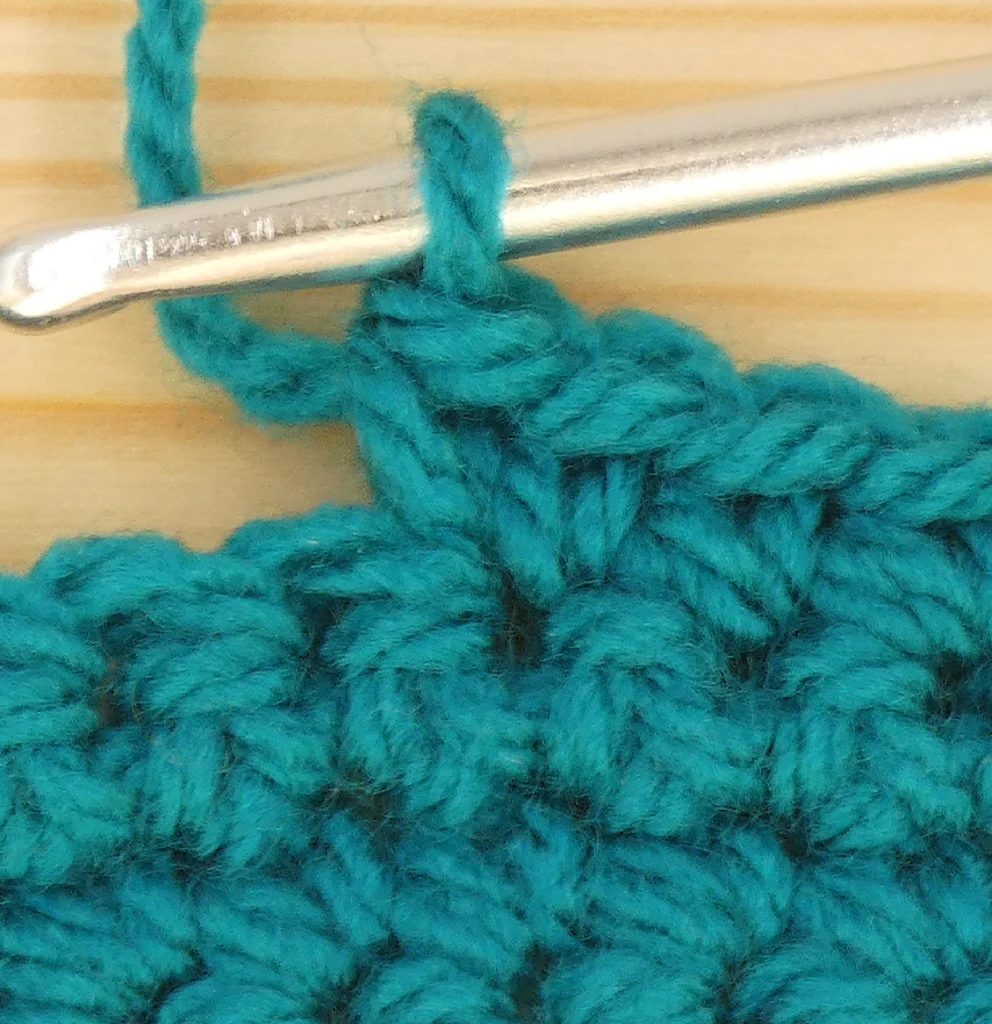
Make another Dc (Sc) in the same stitch, and that’s a 2 stitch increase!
The stitch count has gone up by 1 due to the extra stitch.
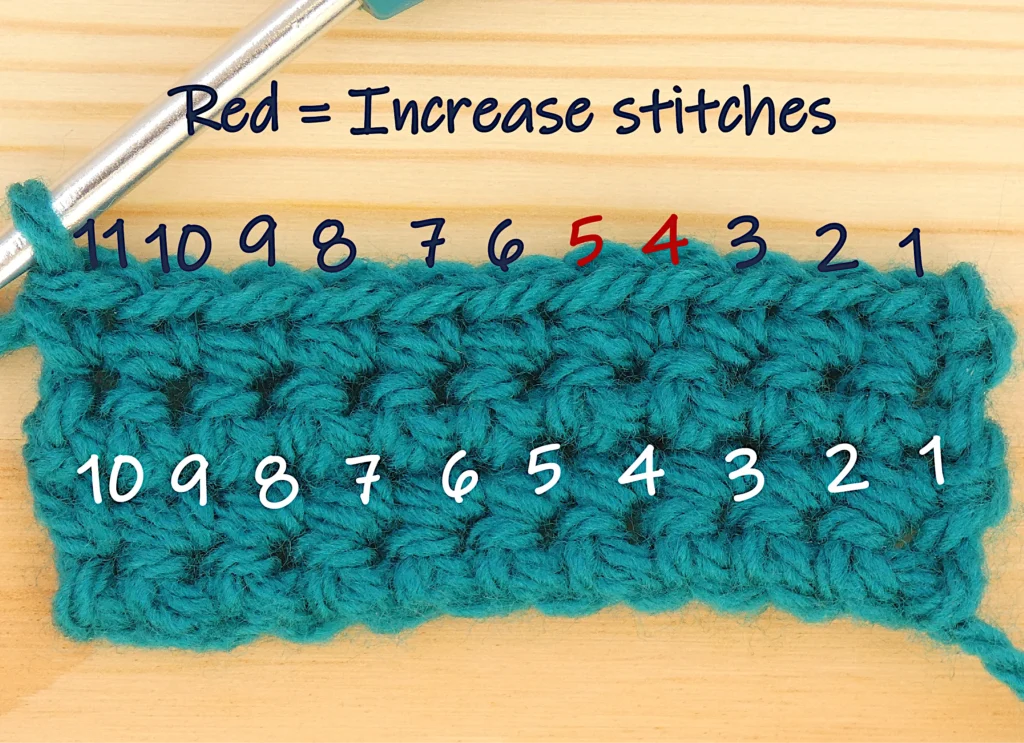
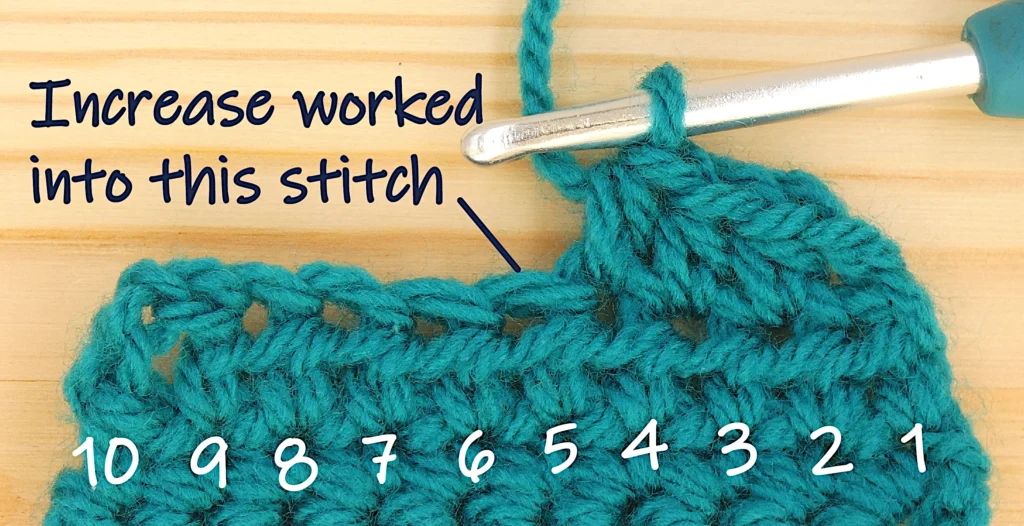
I’ll make an increase in the 5th stitch.
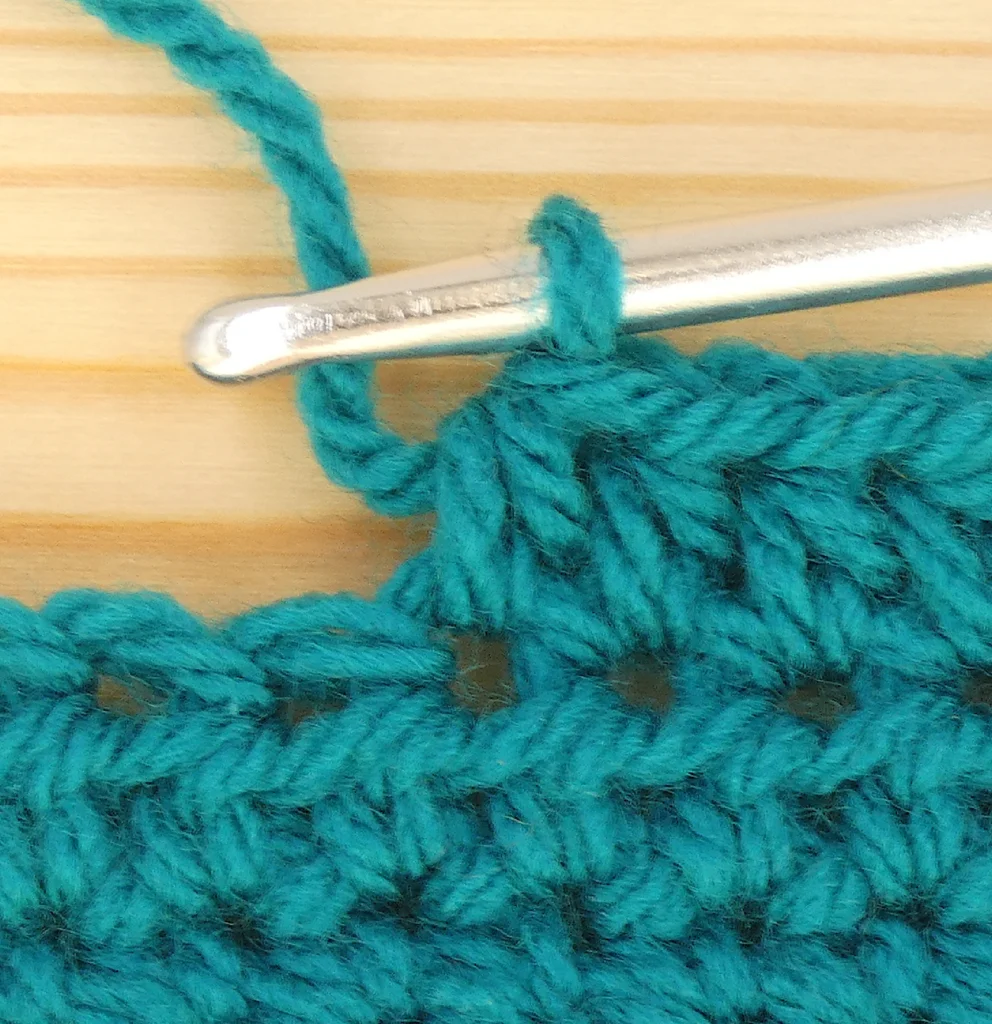
Make the first Htr (Hdc).
And make the 2nd Htr (Hdc) in the same stitch.
The stitch count has gone up by 1 with the increase.
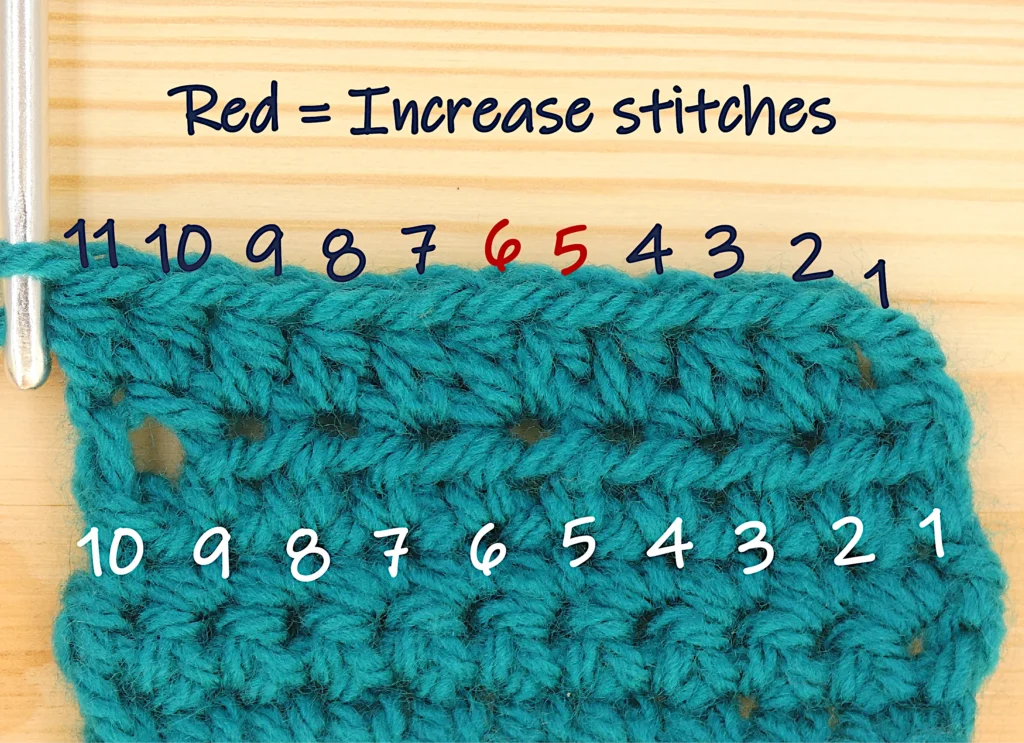
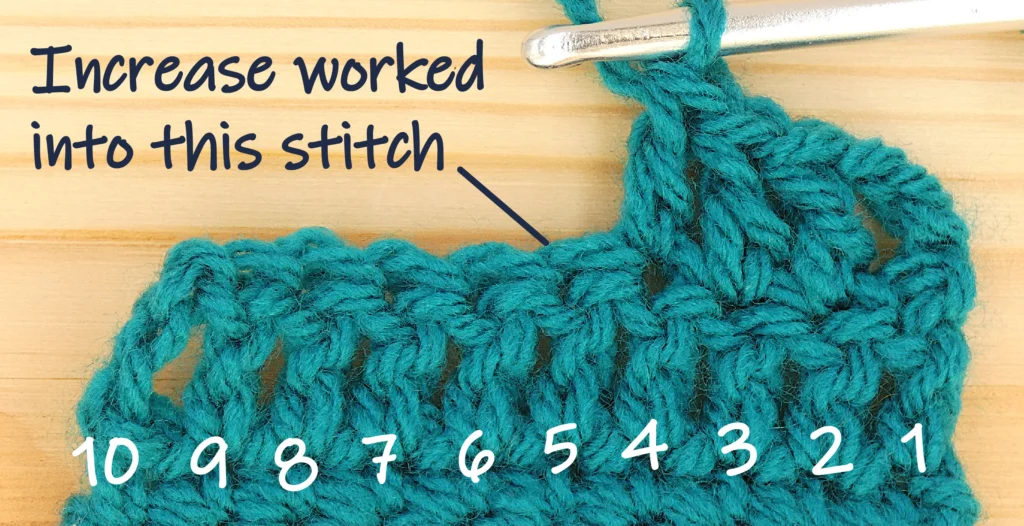
This increase will be in the 5th stitch again .
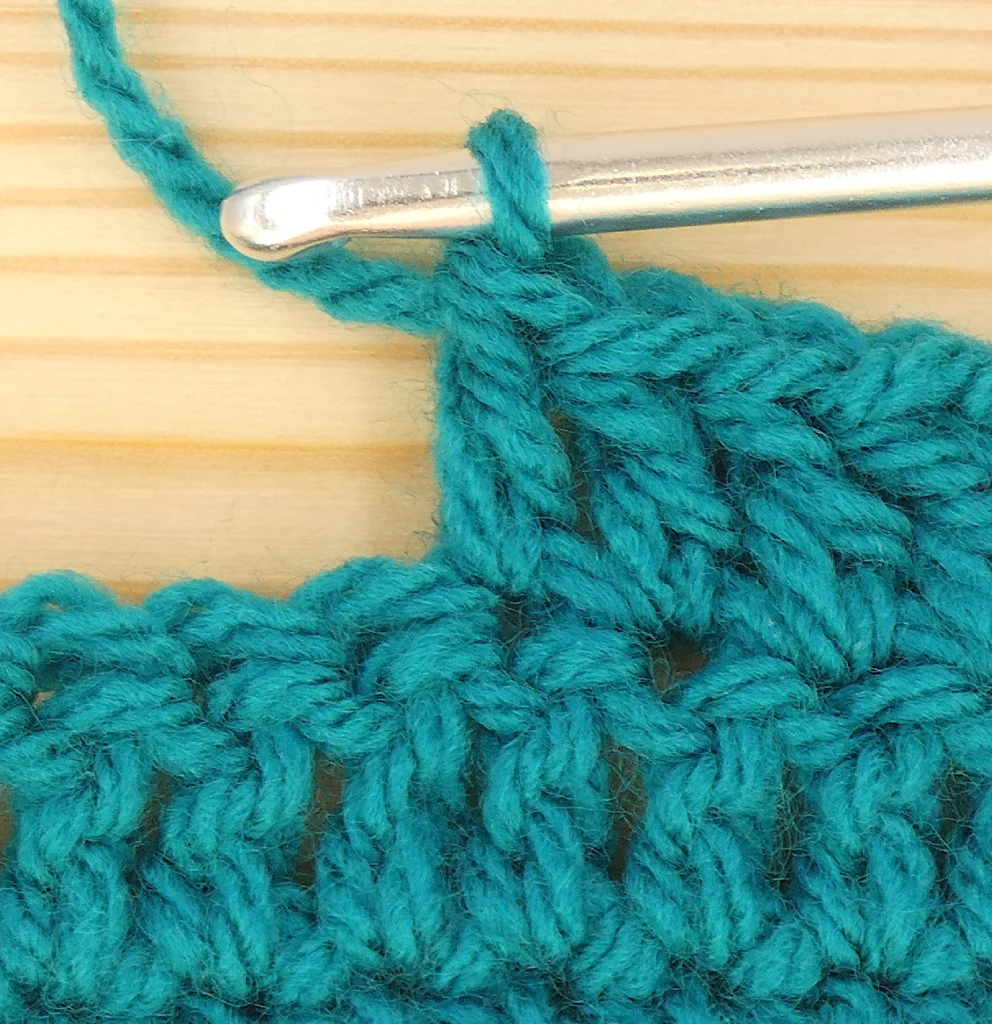
The 1st Tr (Dc),
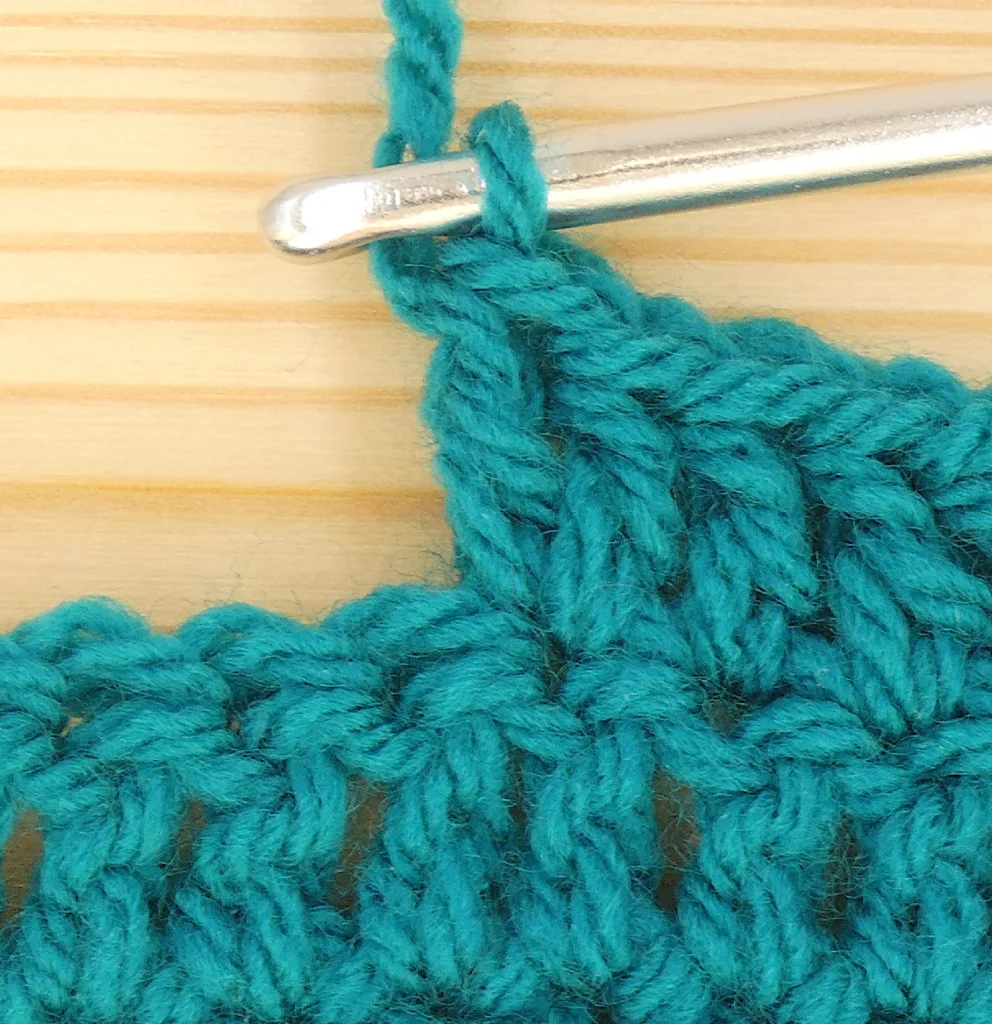
Followed by the 2nd in the same stitch.
The stitch count has gone up by 1 due to the extra stitch.
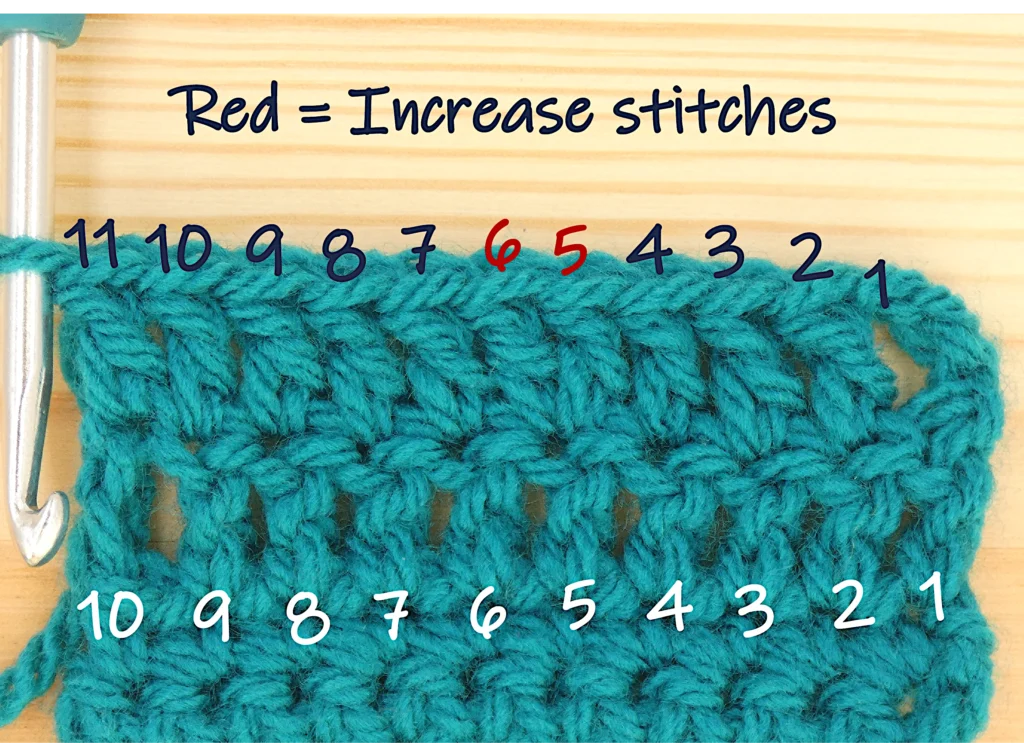
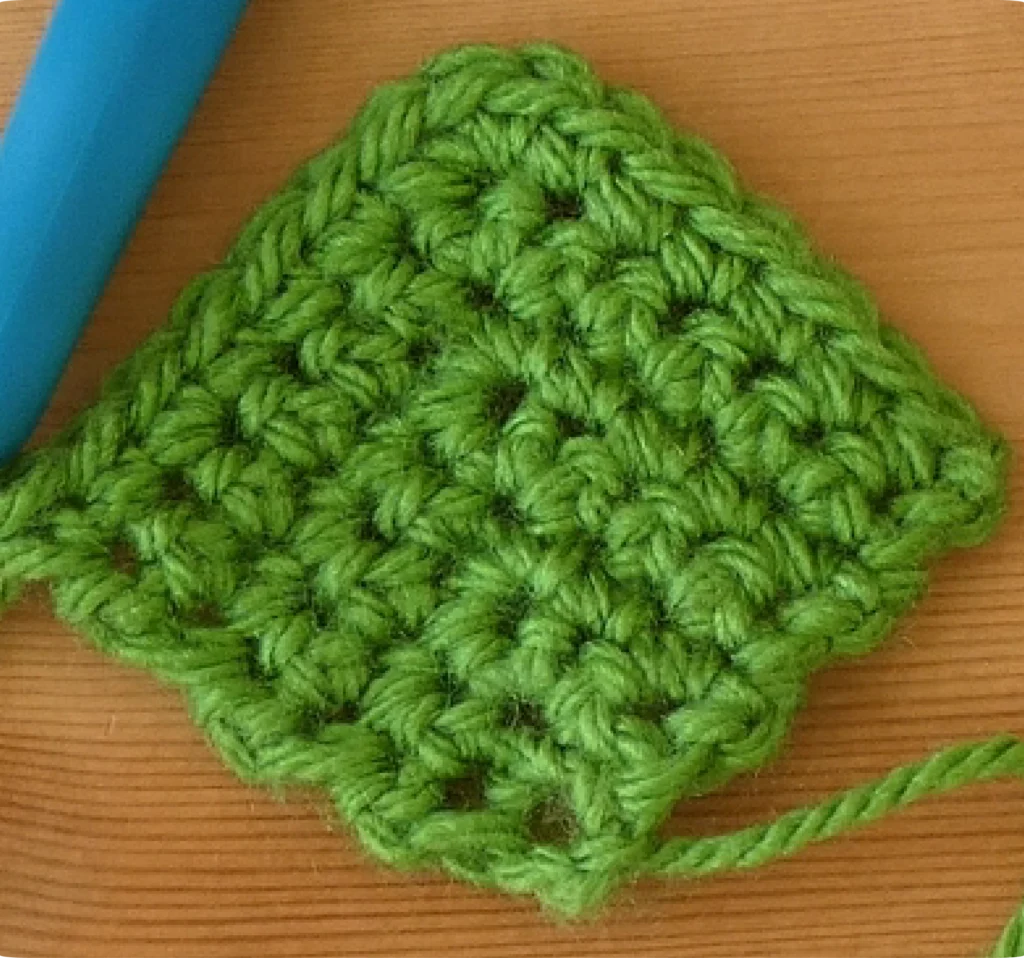
The increase swatch has 7 rows
The swatch starts at around 05:40 in the video tutorial, if you prefer to see it “live”.
The pattern for both swatches are available here.



There’s another new symbol and abbreviation for the increases.
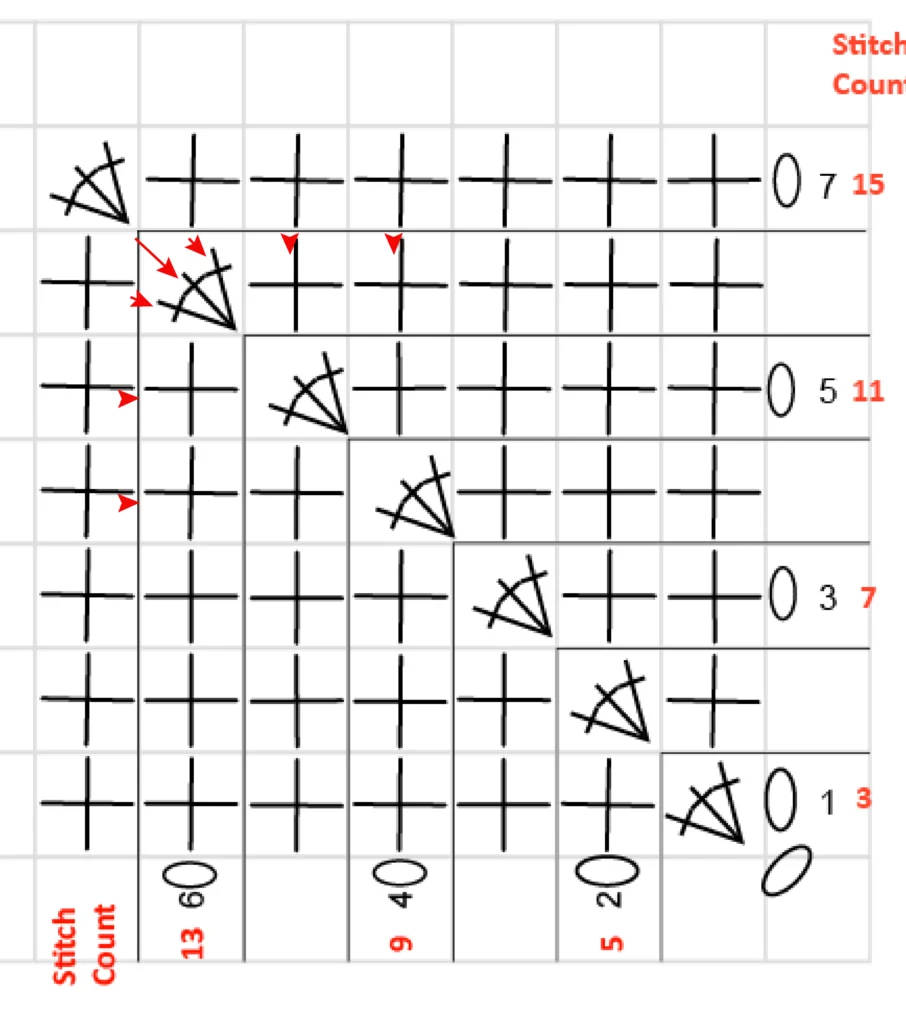
As we’ll be making a 3 stitch increase, the symbol has 3 Dc’s (Sc’s) joined together forming a point. The abbreviation has “inc” next to the amount of stitches.
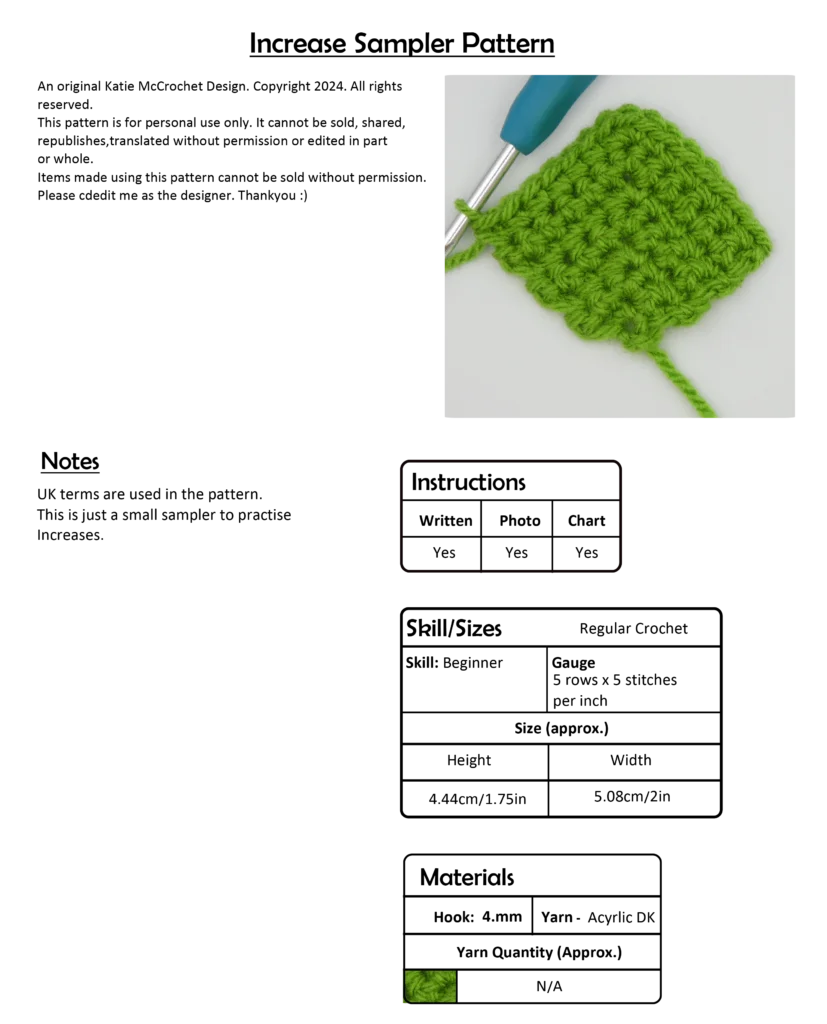
There isn’t anything of significance in the notes section.
The pattern calls for a 4mm hook and acrylic yarn.
The swatch measures 1.75 inches in height and 2 inches in width.
The gauge is 5 rows by 5 stitches per inch.

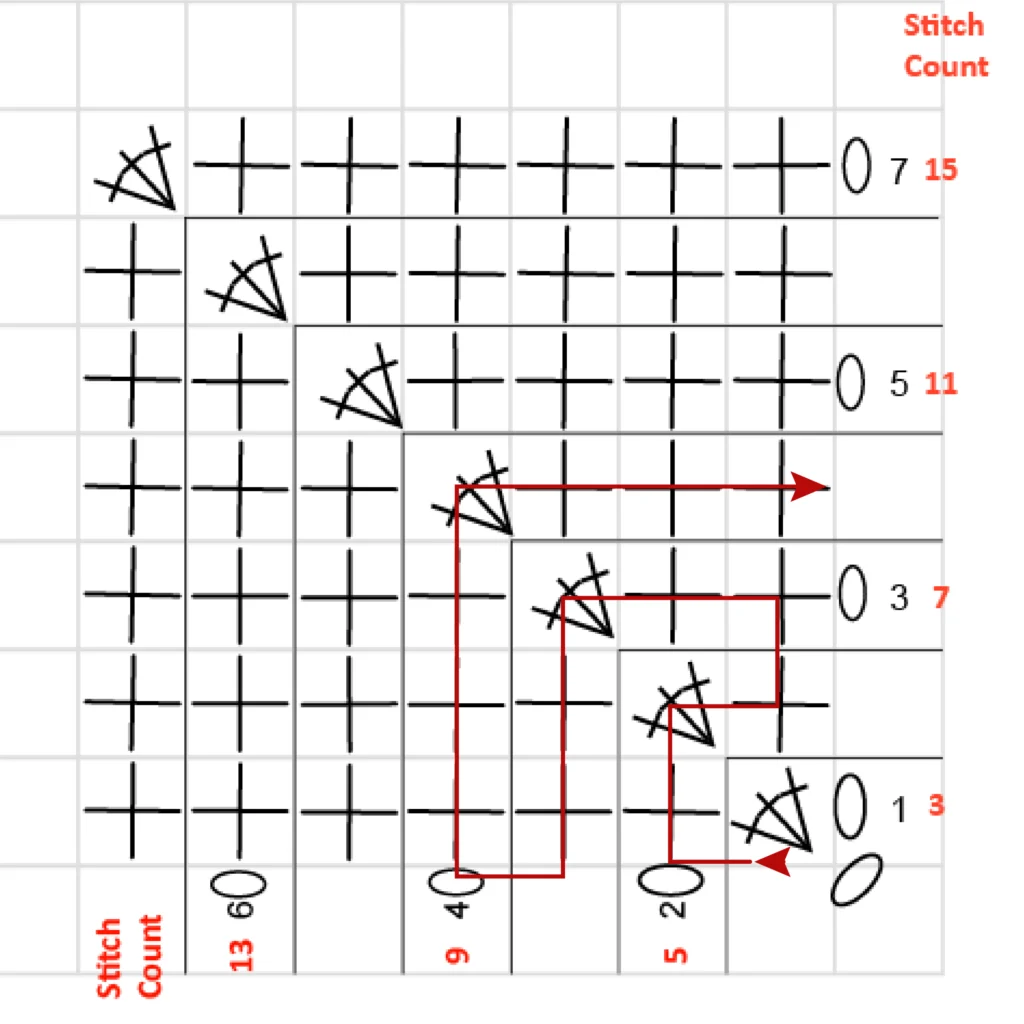
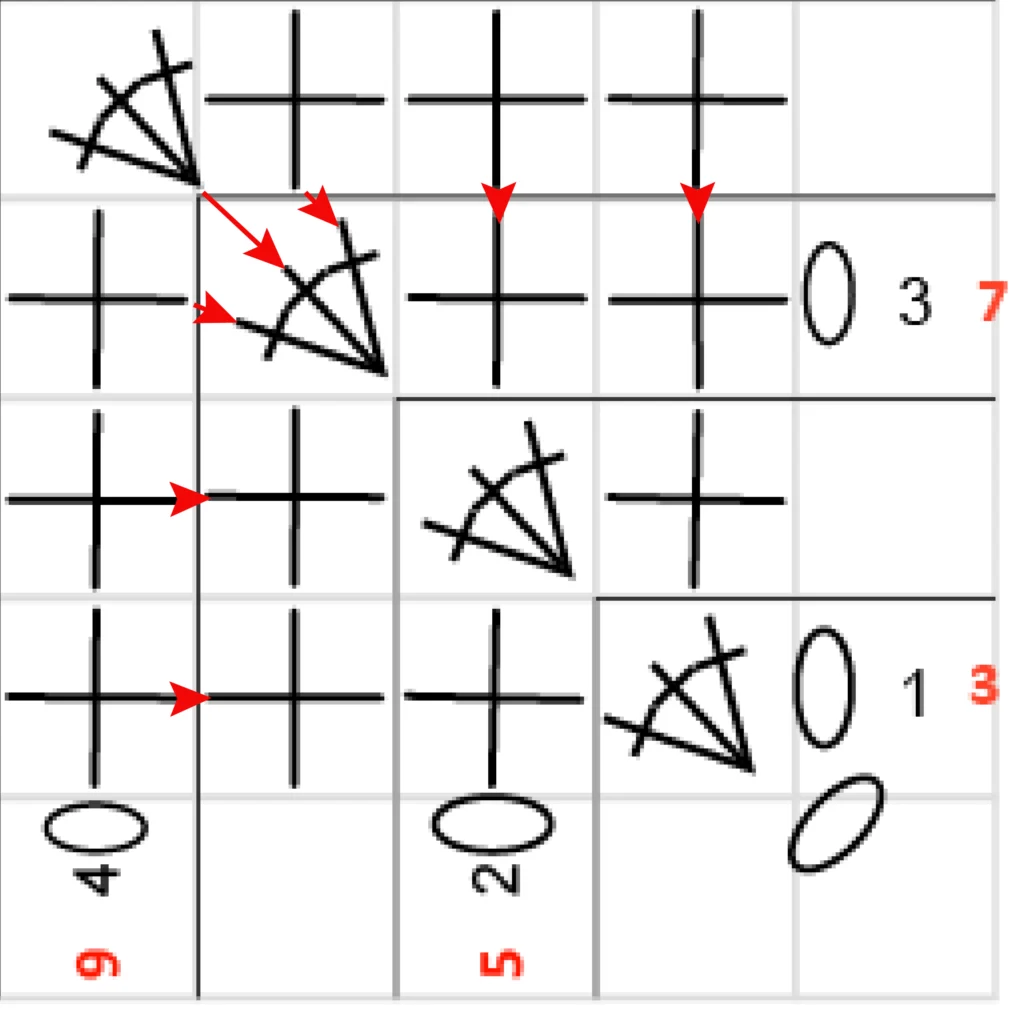
This chart is read in a different direction to previous charts.
The increases push the centre of the row out, creating a corner.
After the increase we ‘turn’ a corner to continue the row.
The chart is still read right to left, then left to right for the next row, the same as a regular chart.
We start with a chain 3 and work a 3 Dc(Sc) increase in the 2nd chain from the hook.

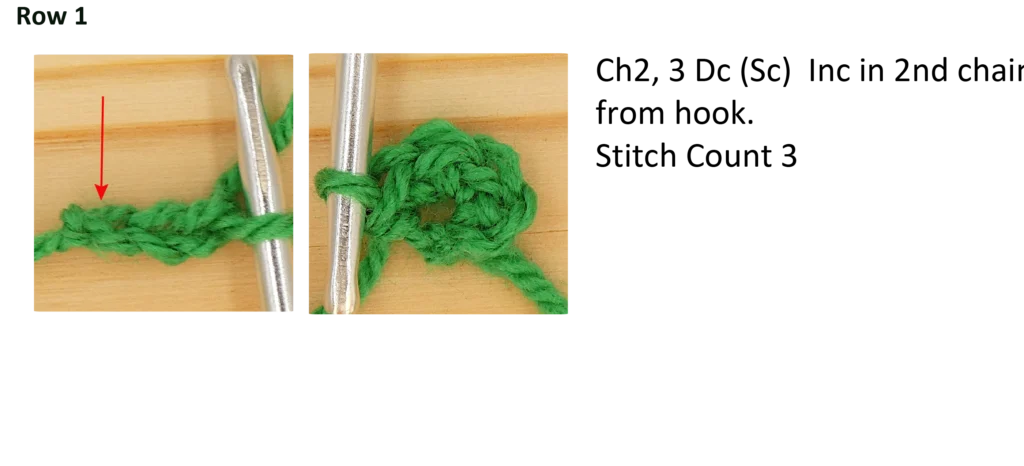
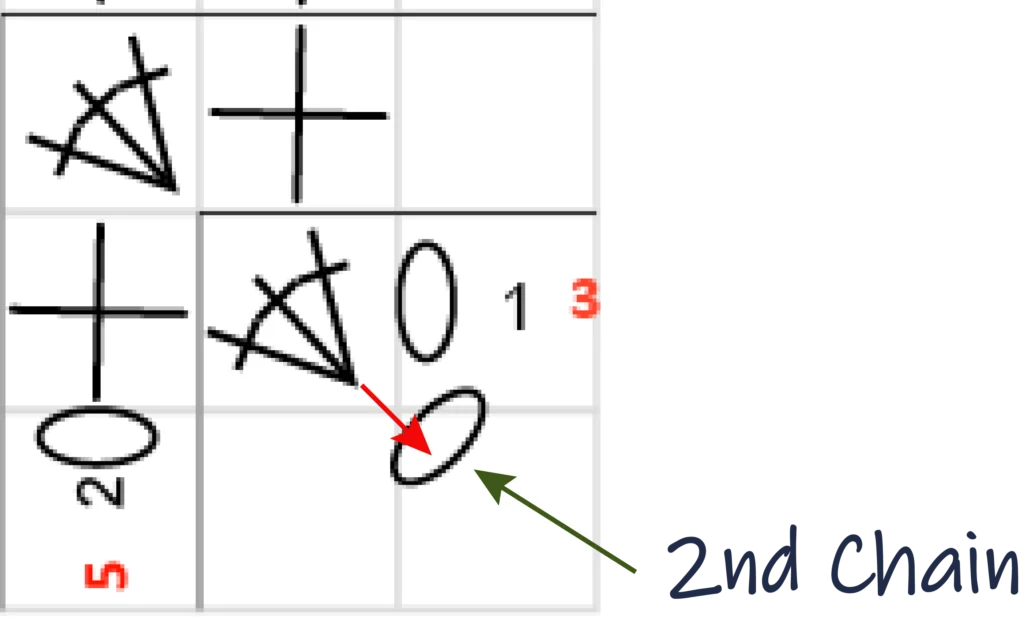
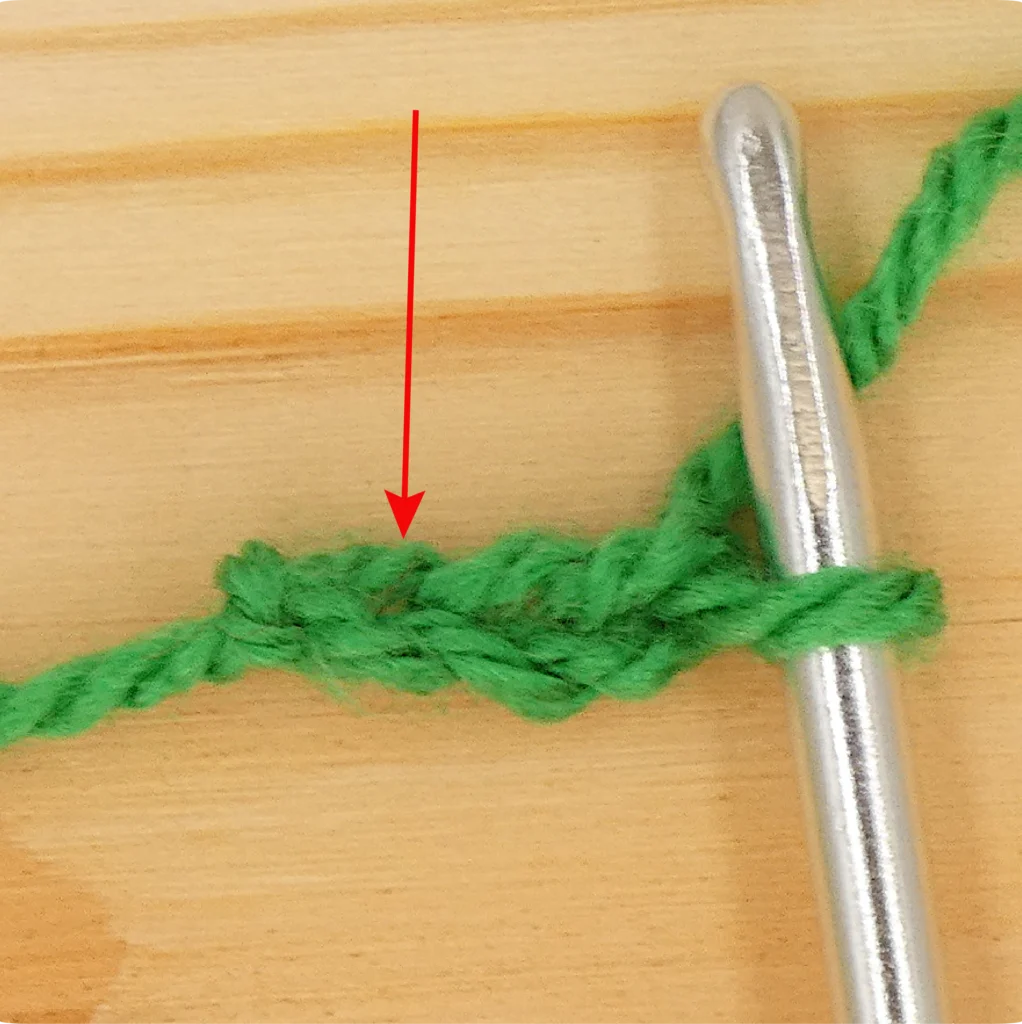

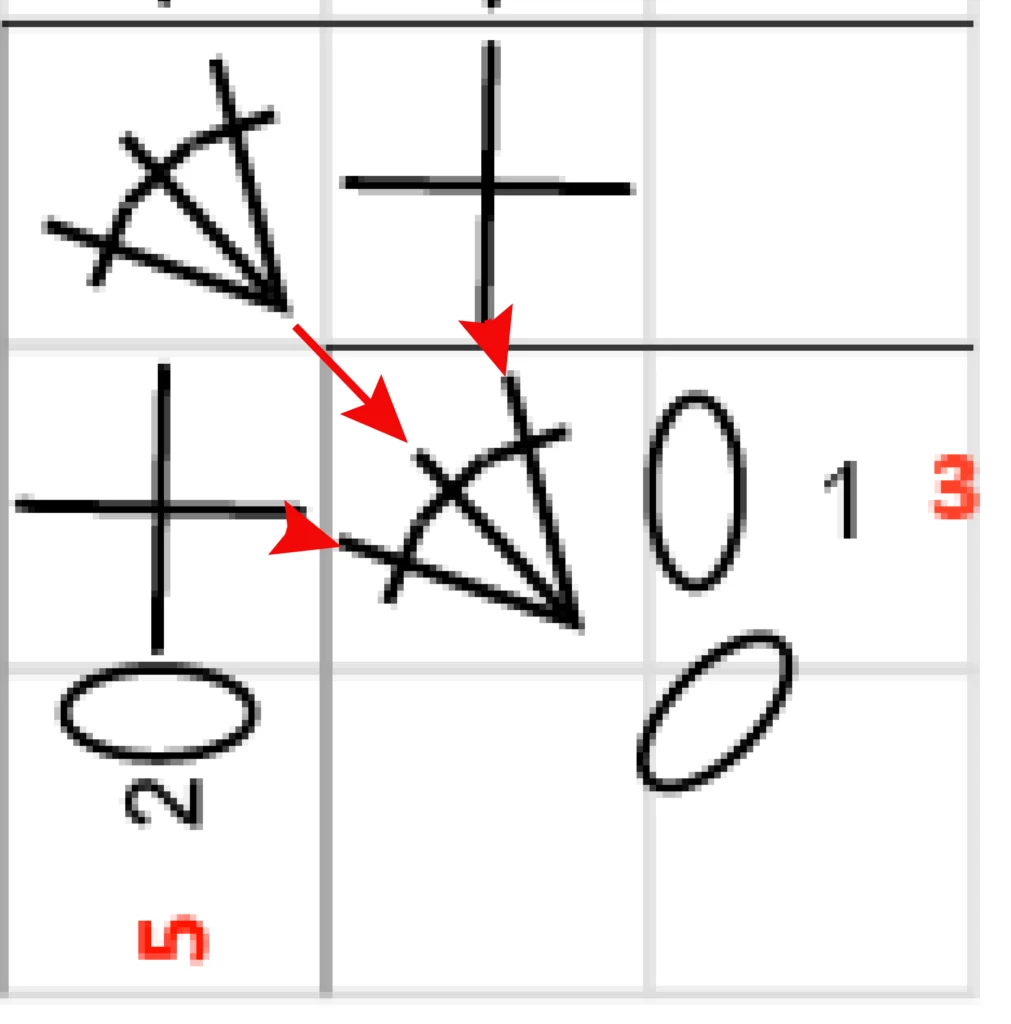
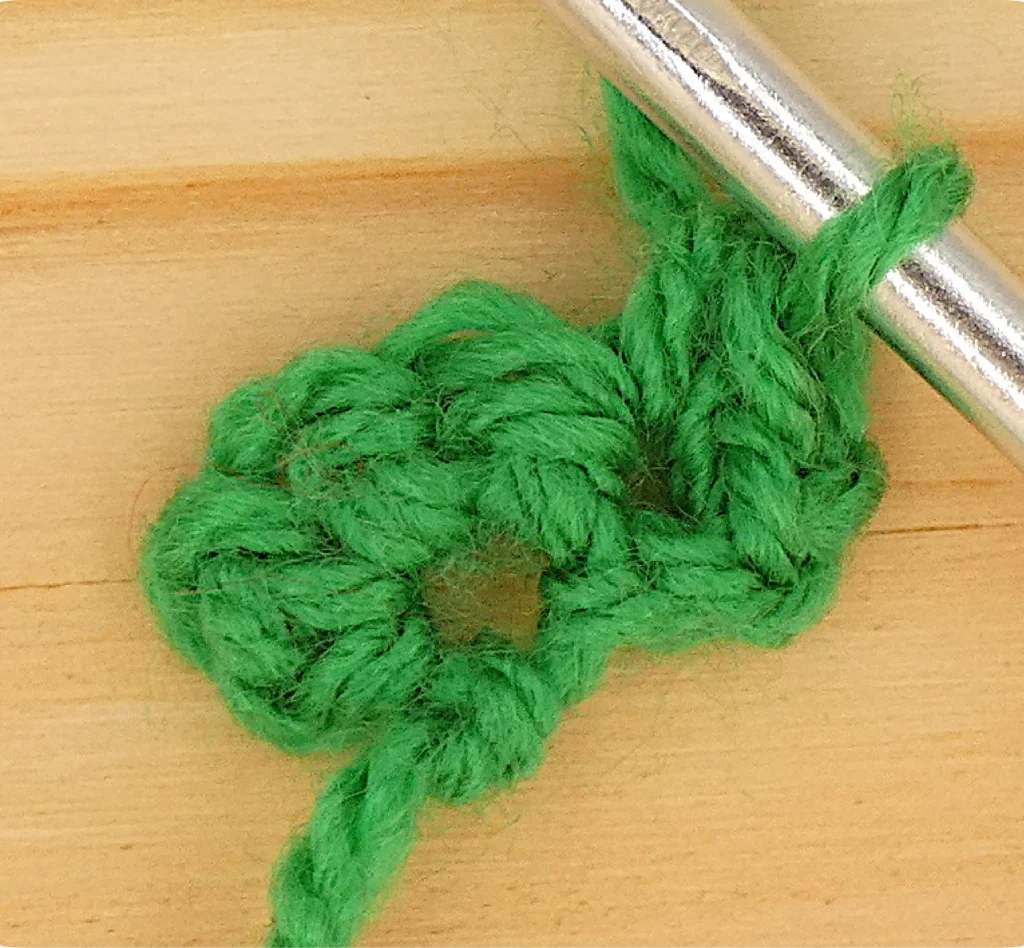
Chain 1 and turn. This row consists of 1 Dc (Sc) worked in the 1st stitch, a 3 Dc (Sc) increase worked in the centre stitch, followed by 1 Dc (Sc) in the last stitch.
If you look on the chart, you can see the increase is worked into the middle stitch of the previous increase.
The stitch count is 5.
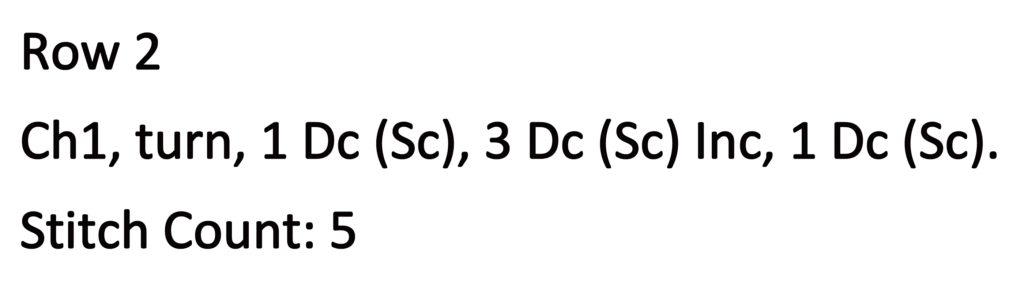
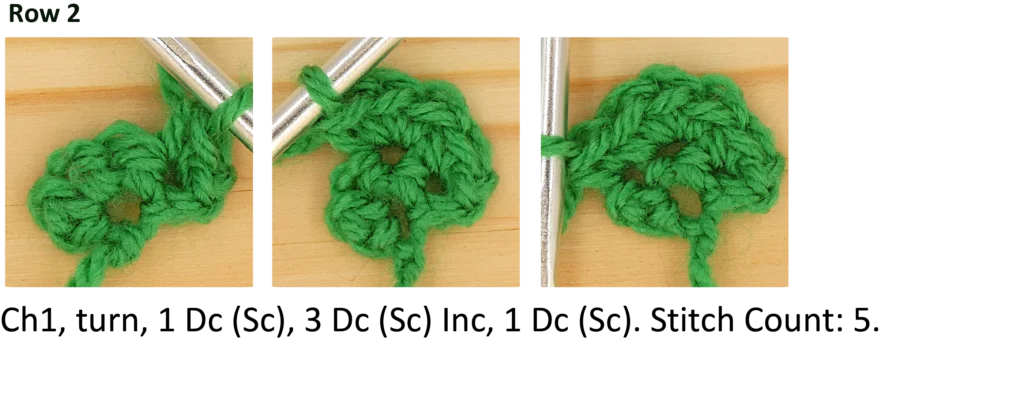
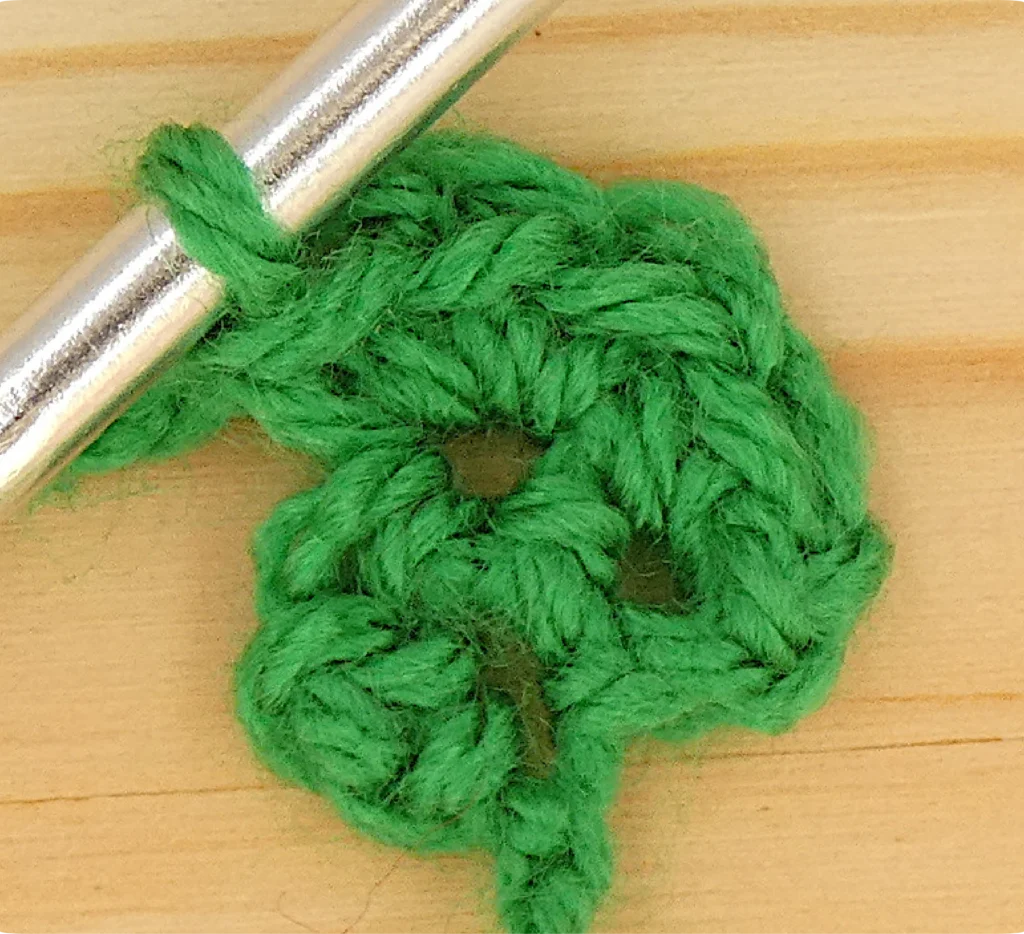
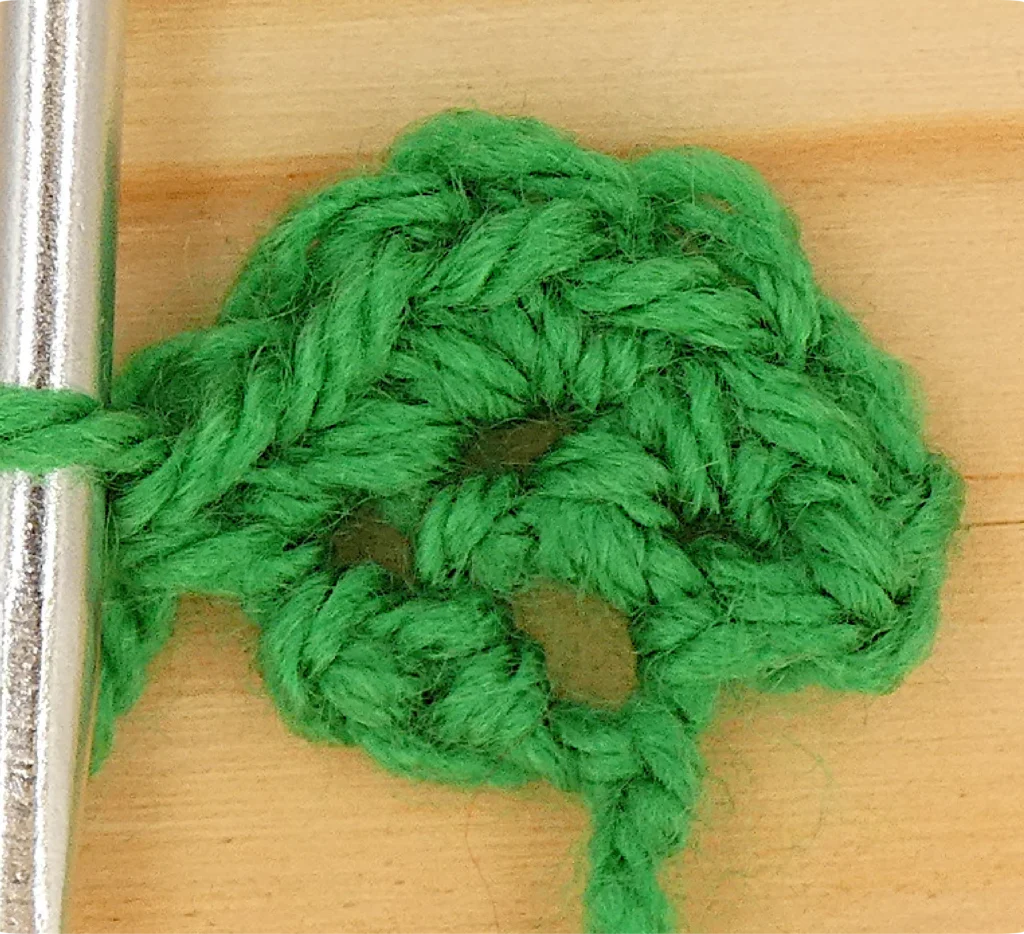
Chain 1 and turn. This row has 2 Dc (Sc) followed by a 3 Dc (Sc) increase worked in the centre stitch, and a Dc (Sc) in each of the remaining 2 stitches.
The stitch count is 7.
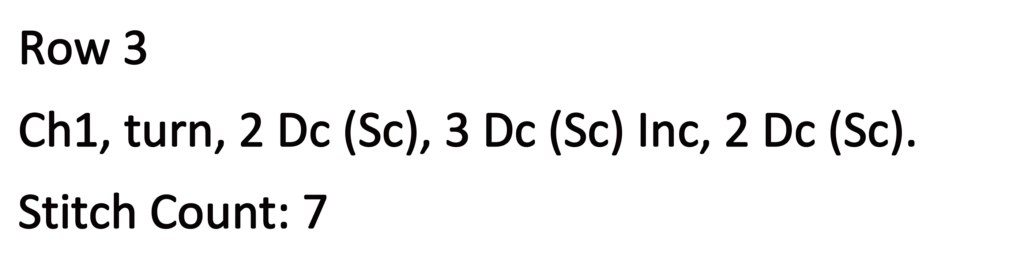
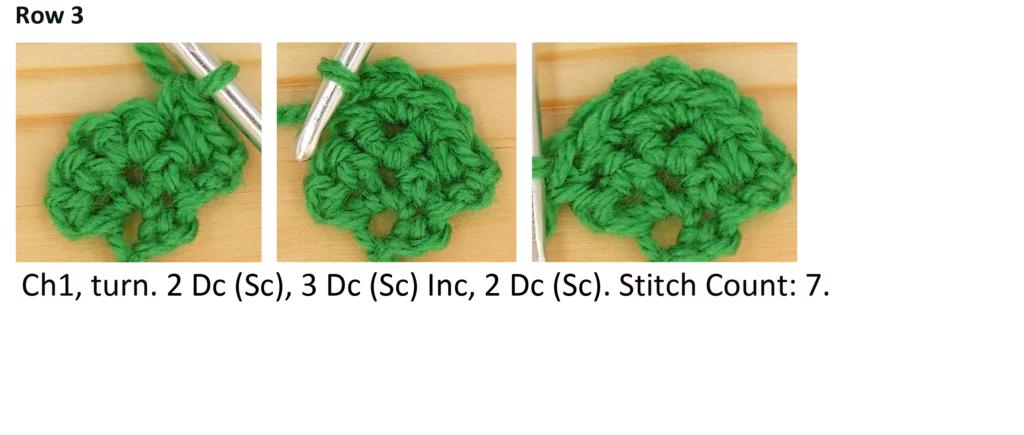
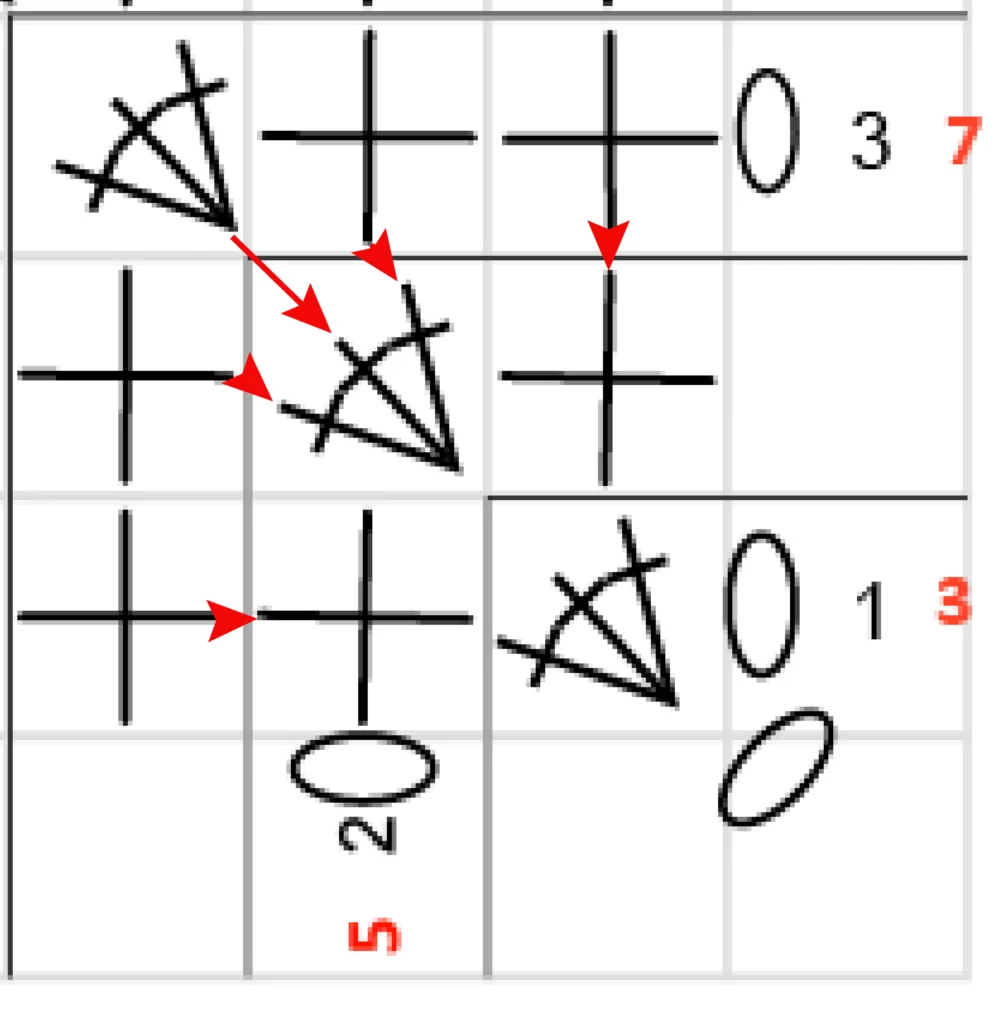
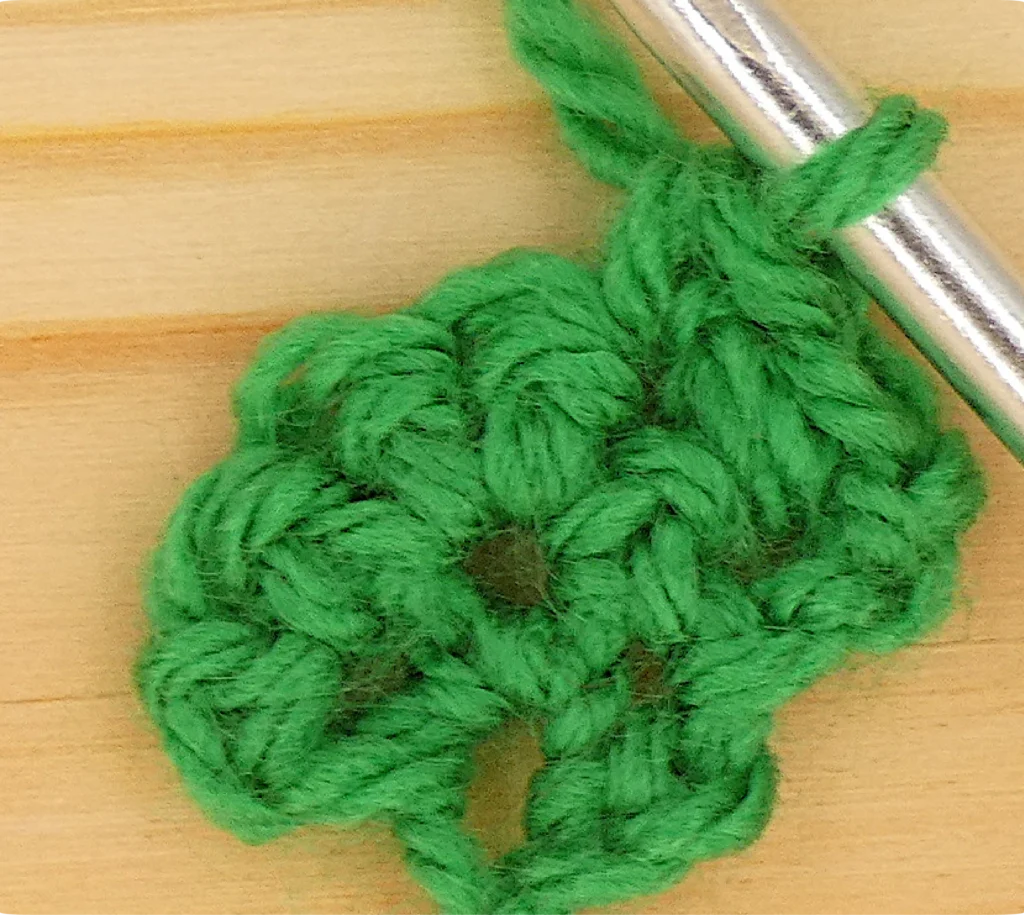
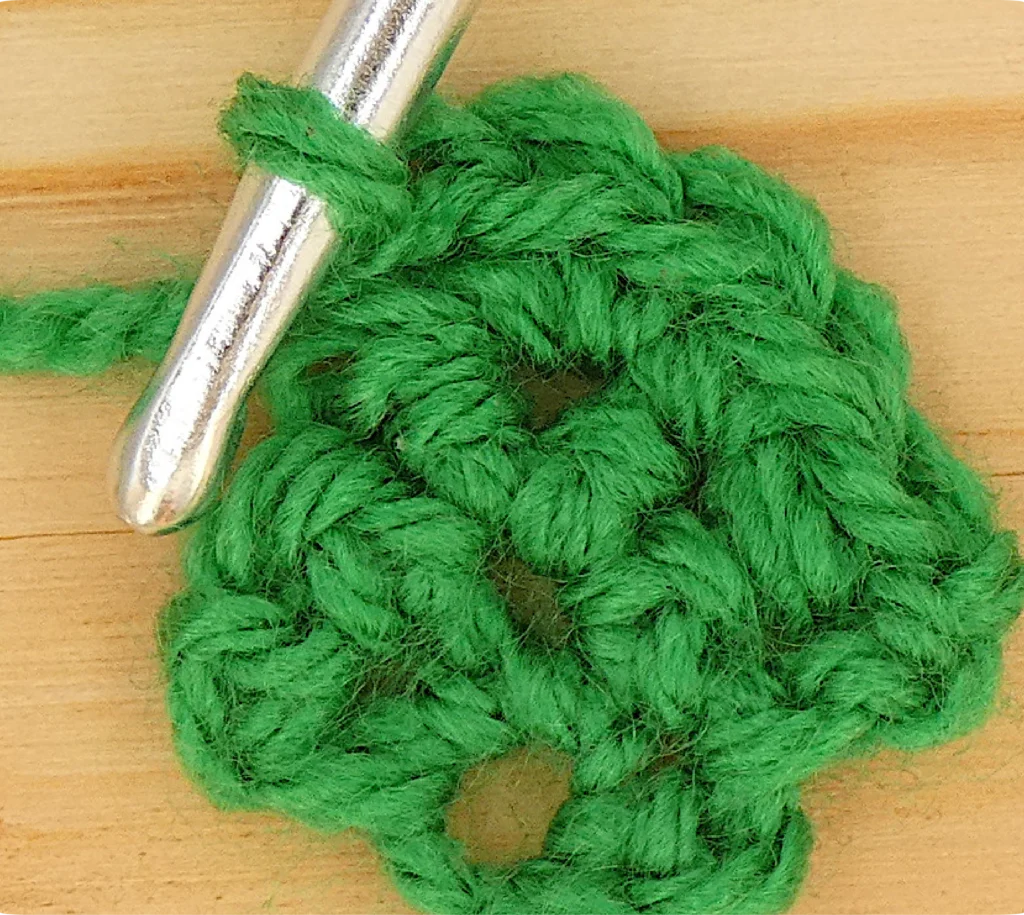
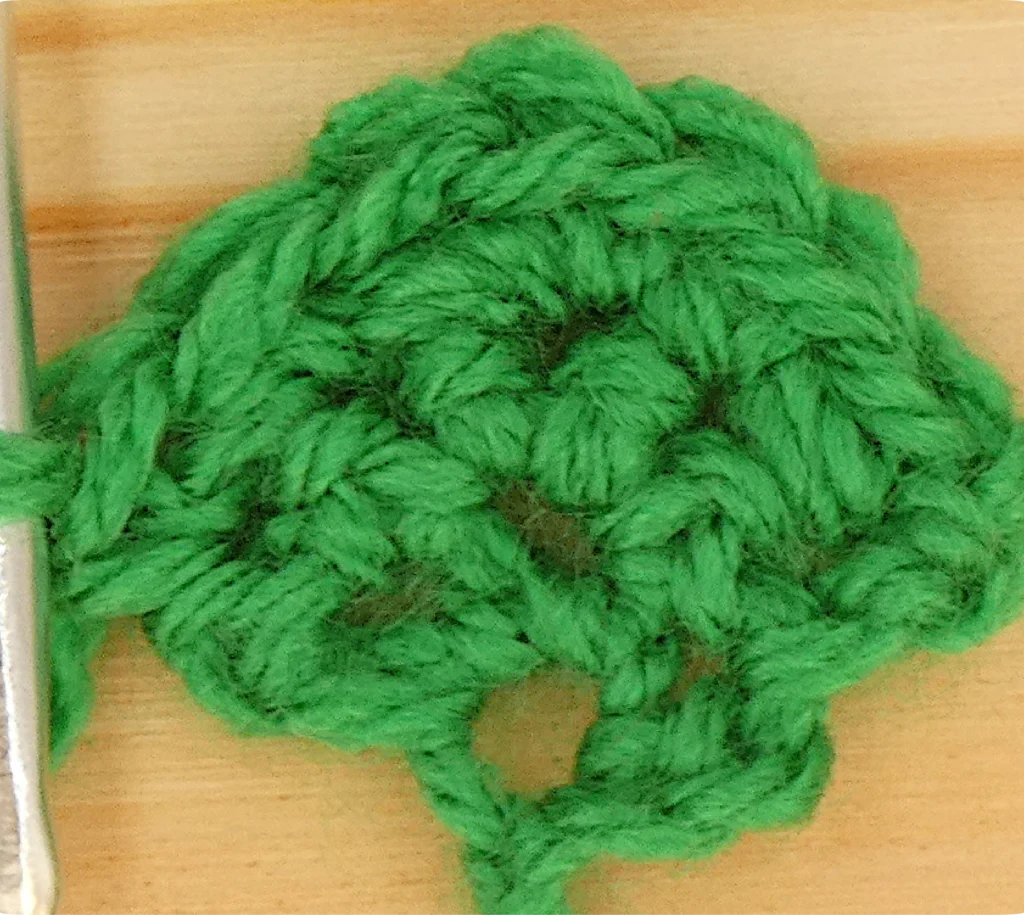
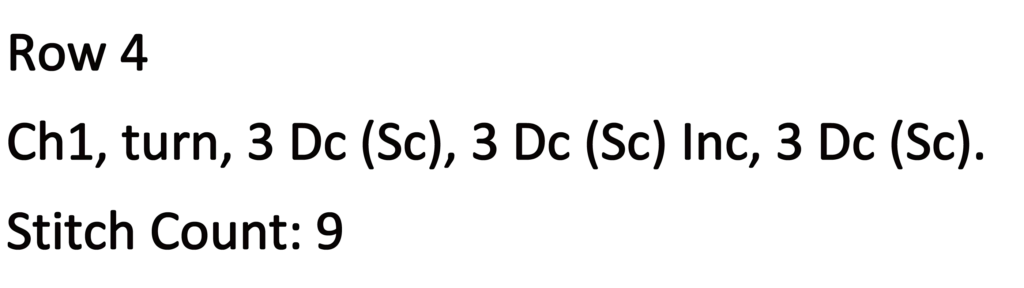
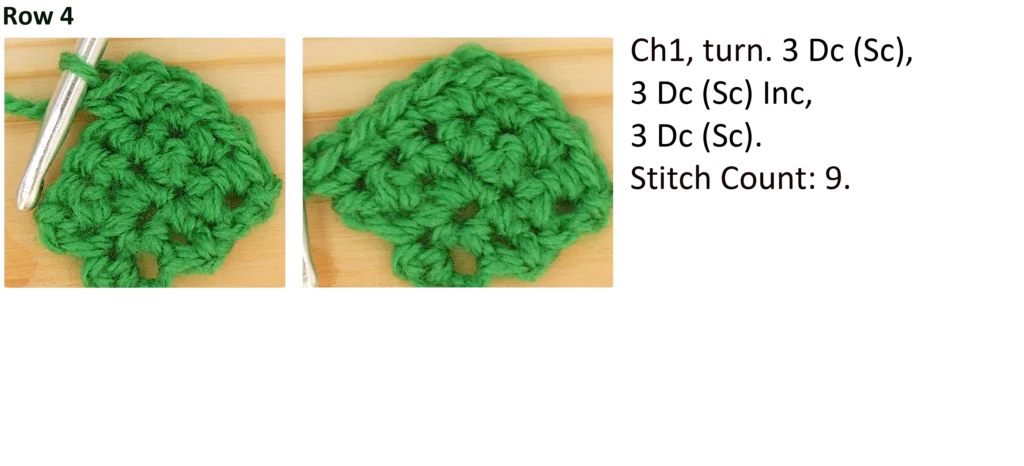
Chain 1 and turn. Row 4 is 3 Dc (Sc), a 3 Dc (Sc) increase in the centre stitch, and 3 Dc (Sc) in each of the remaining stitches.
You’ve probably noticed that the Dc (Sc) before and after the increase, goes up by 1 each row.
The stitch count is 9.
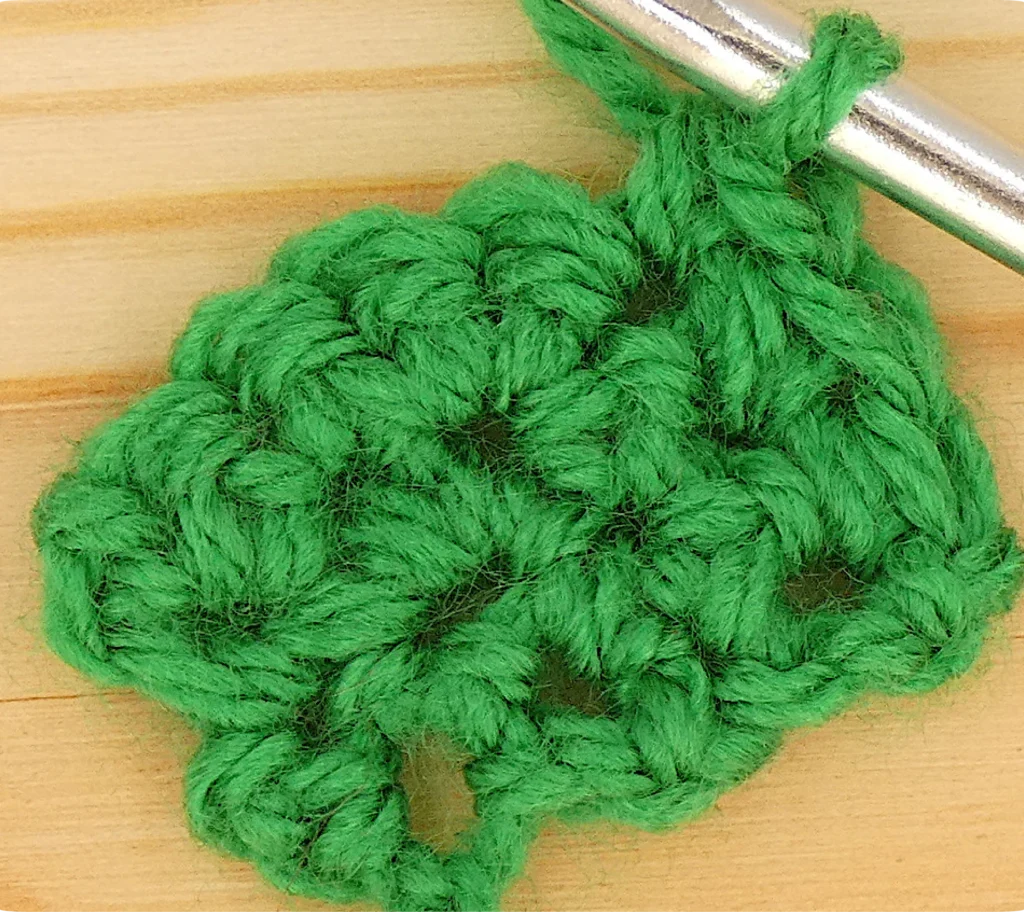
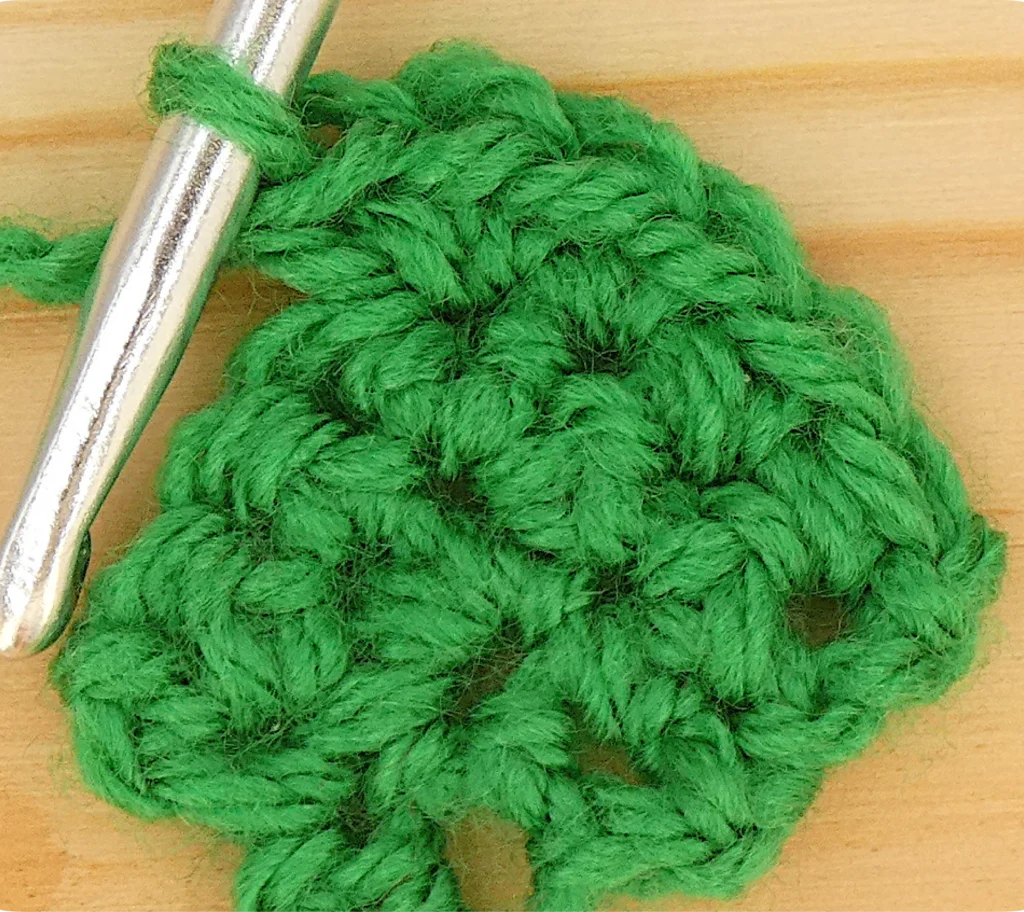
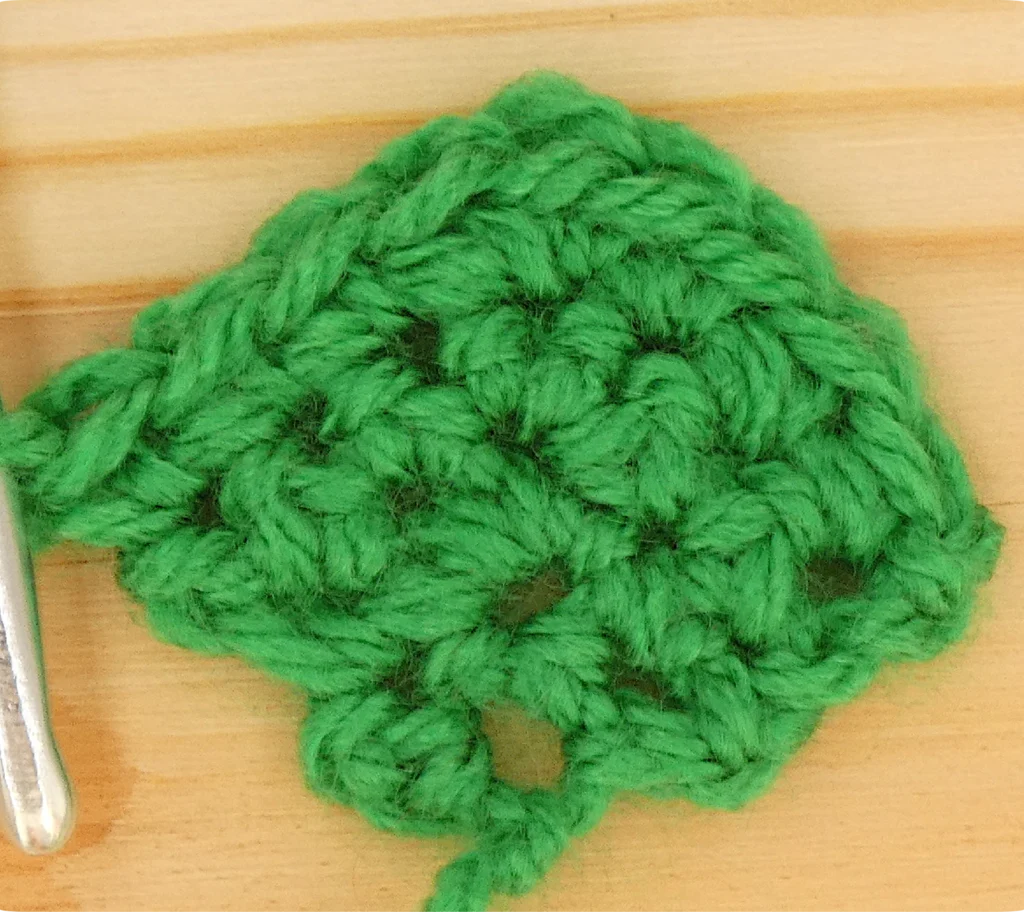
The remaining rows follow the same pattern as the previous rows – an extra Dc (Sc) before and after the 3 stitch increase, which is always worked in the centre stitch.
So row 5 will have 4 Dc (Sc) before and after the increase, row 6 will have 5, and row 7 will have 6.
The stitch count will increase by 2 each row.

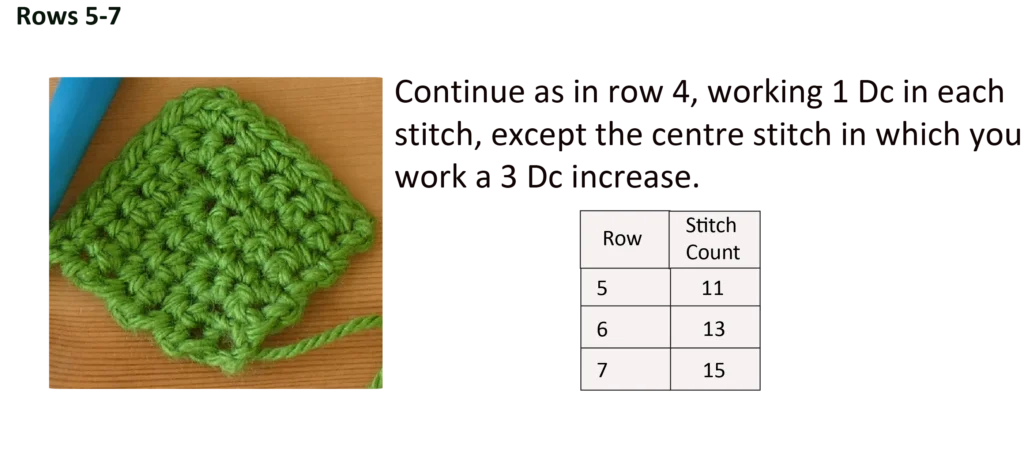
The finished swatch will be a diamond or square shape, depending on how you angle it.
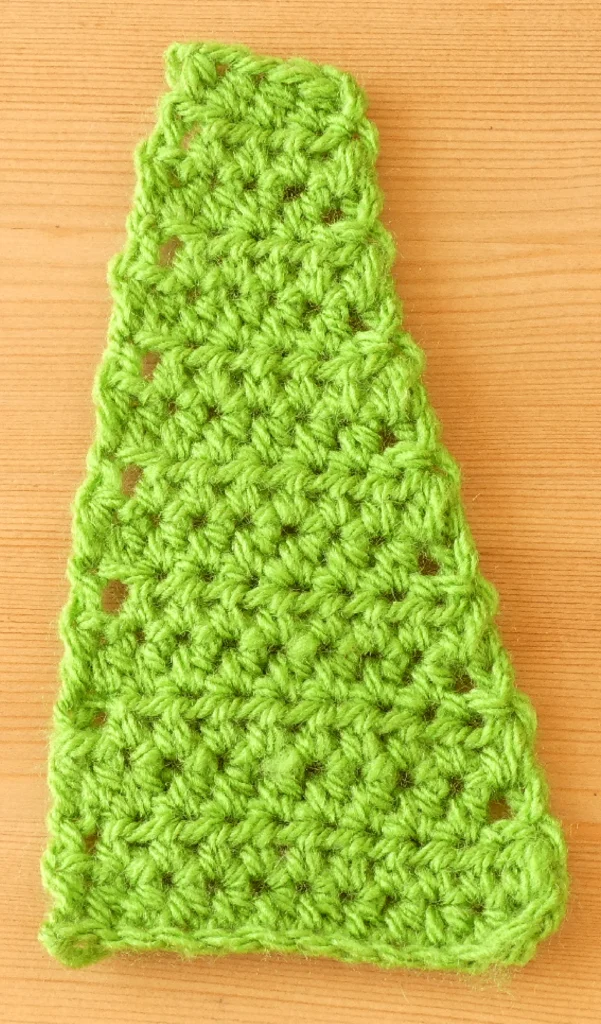
This is the decrease swatch we’ll be making. It has 14 rows
The swatch starts at around 09:50 in the video tutorial, if you prefer to see it “live”.
The pattern for both swatches are available here.


Notice the new symbol and abbreviation?
We’ll be making 2 stitch decreases, so the symbol is 2 Htr (Hdc) symbols turned upside down and joined in a point. The abbbreviation has “Dec” added to it.
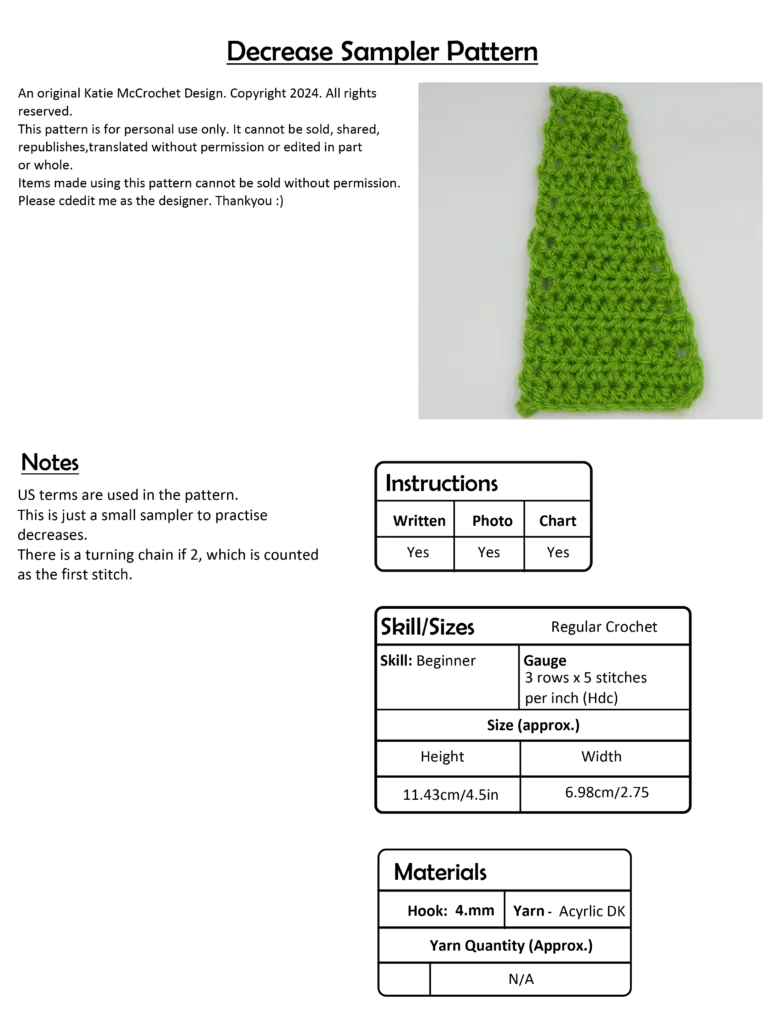
The notes let us know that it will have a turning chain of 2, which is counted as a stitch.
We’ll need a 4mm hook and acrylic yarn.
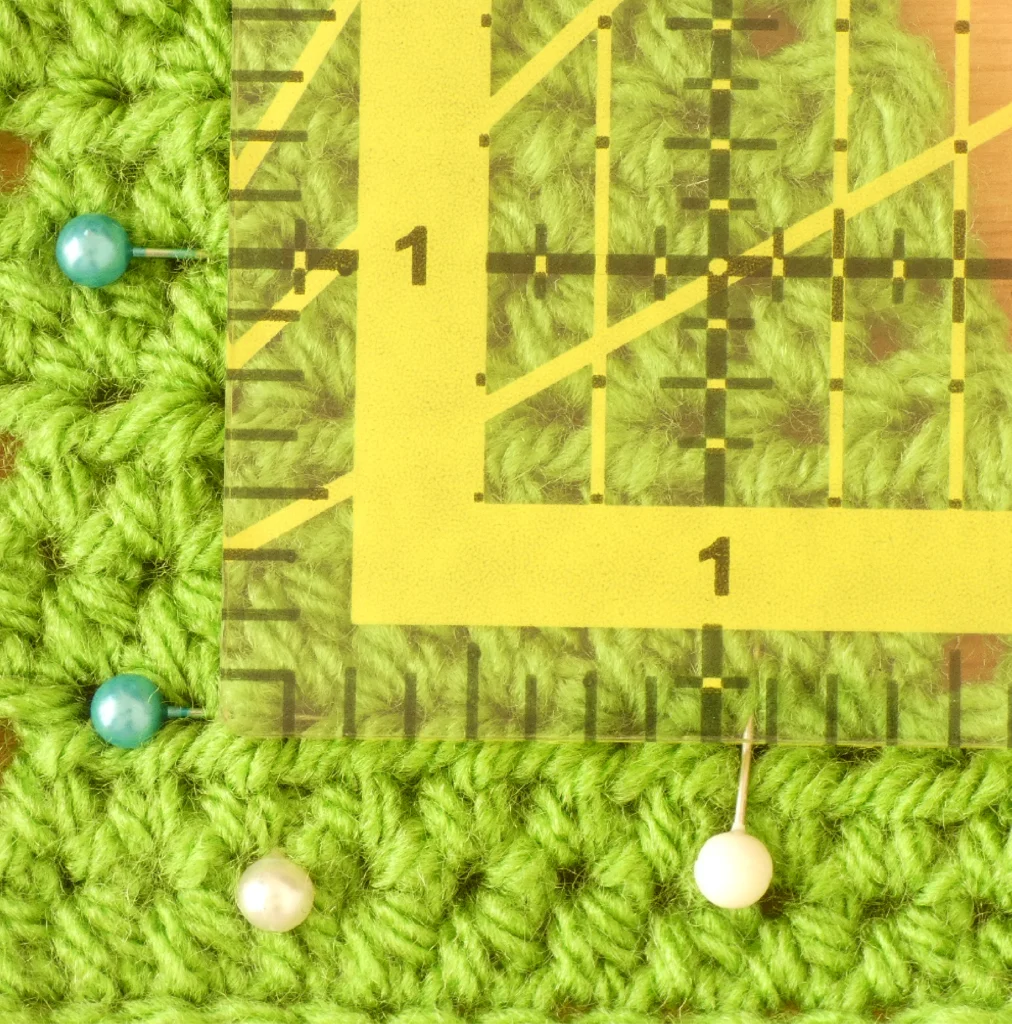
The swatch measures 4.5 inches in height and 2.75 in width.
The gauge is 3 rows by 5 stitches per inch.
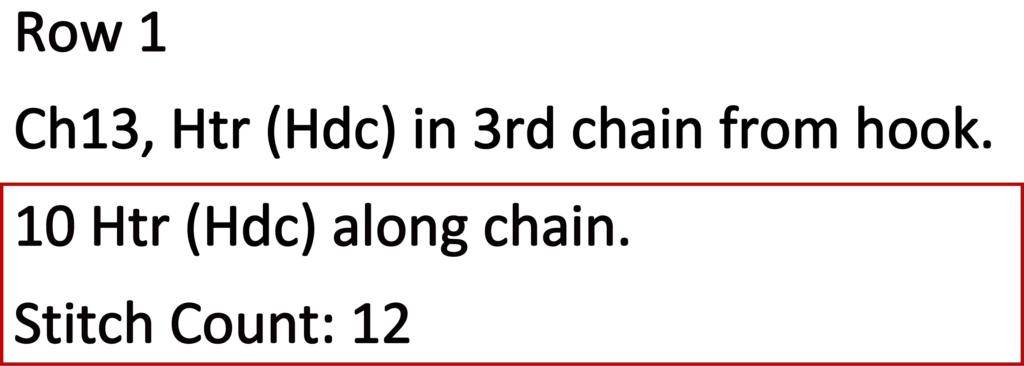
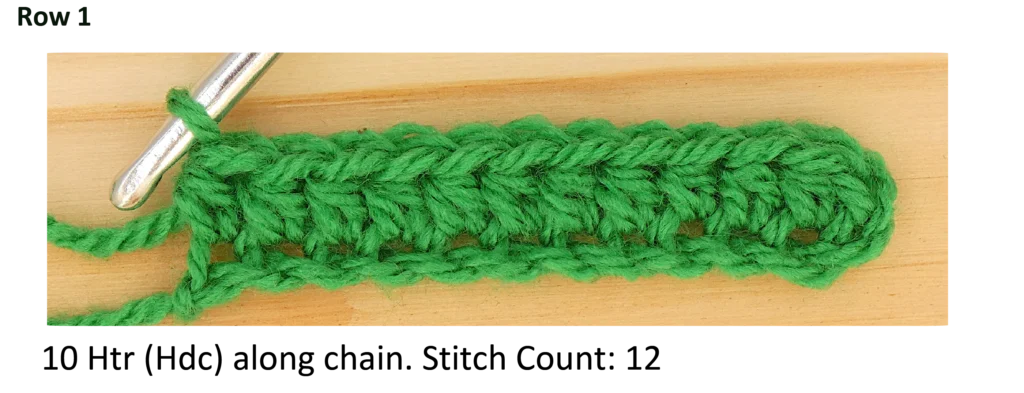
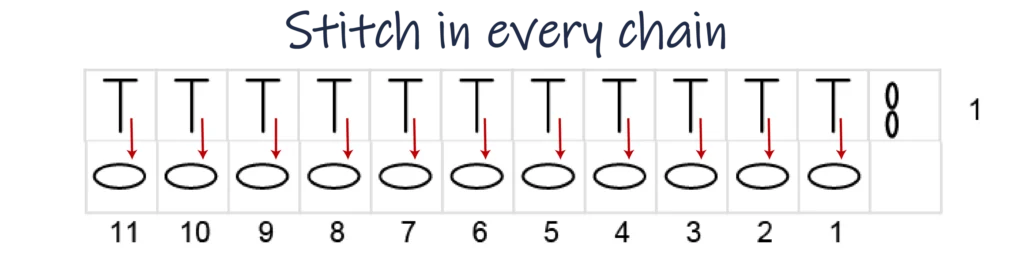
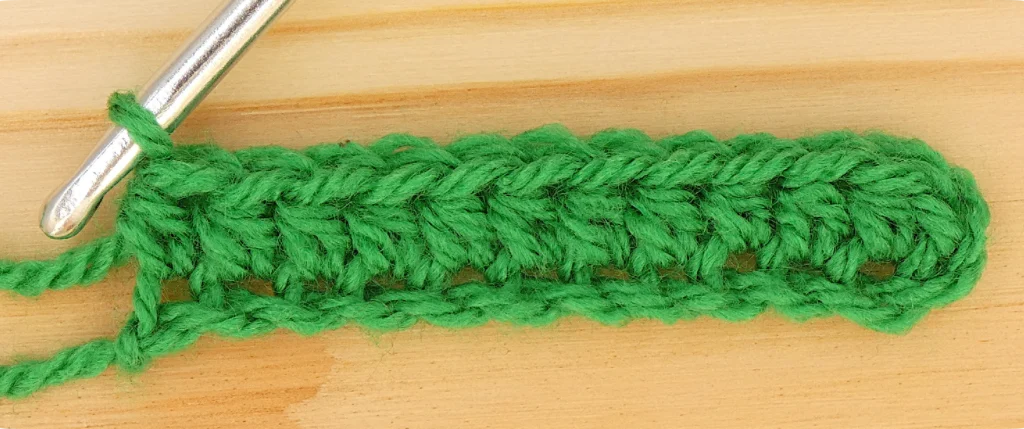
Step 1 – The swatch starts with a chain 13 and a Htr(Hdc) in the third chain from the hook.
This tells us that there is a turning chain of 2, and there should be 12 stitches.
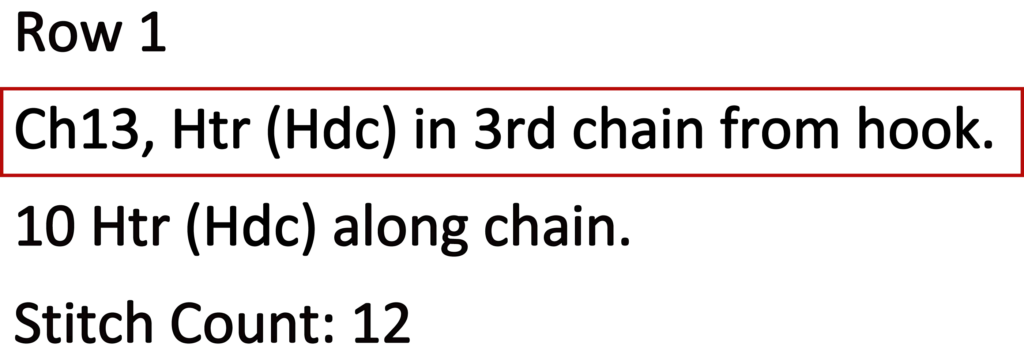
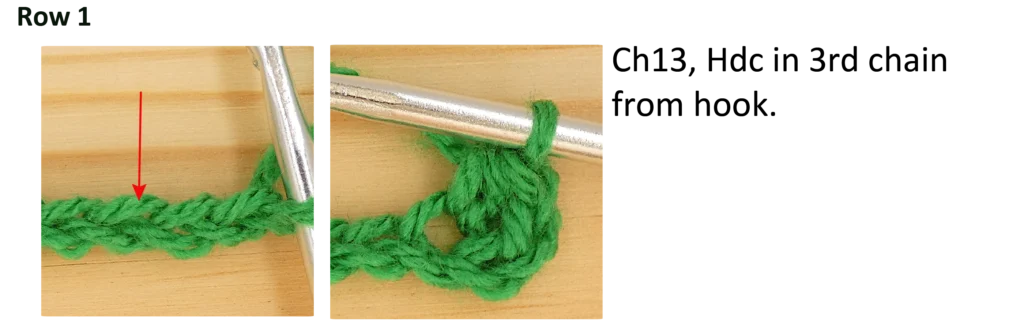
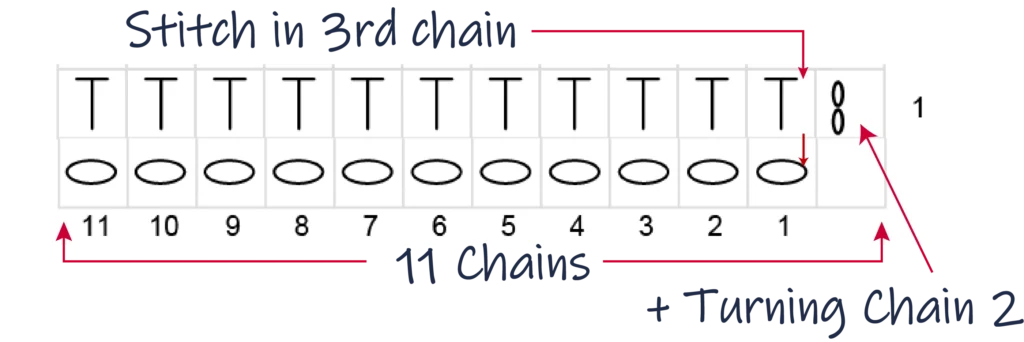
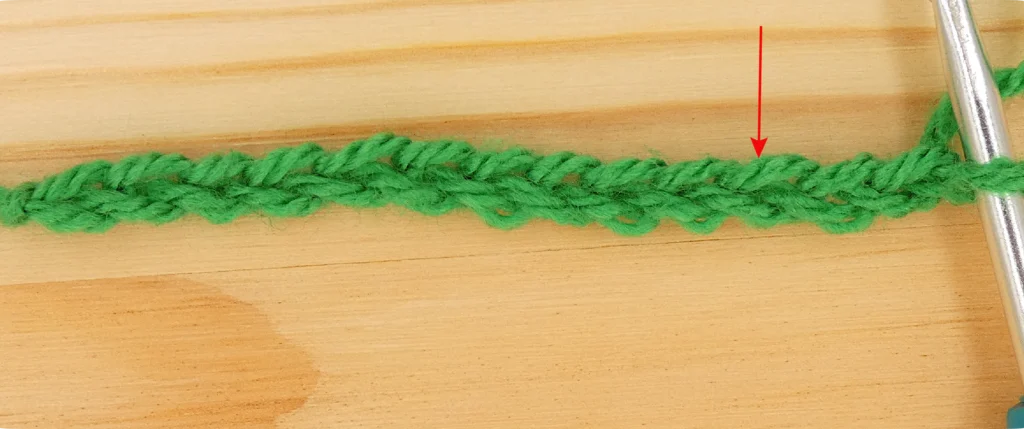
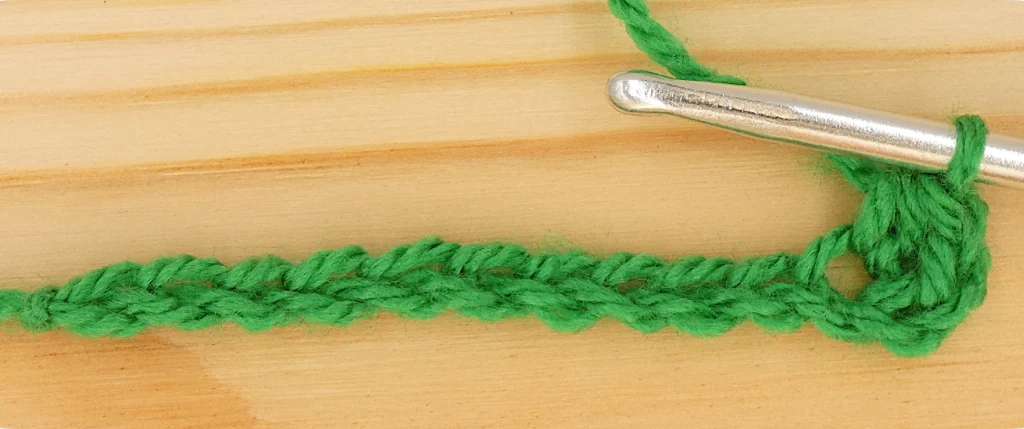
Step 2 – Next we work 10 Htr(Hdc) in remaining chains. The stitch total is 12.
Step 1 – Chain 2, turn and work 9 Htr(Hdc).
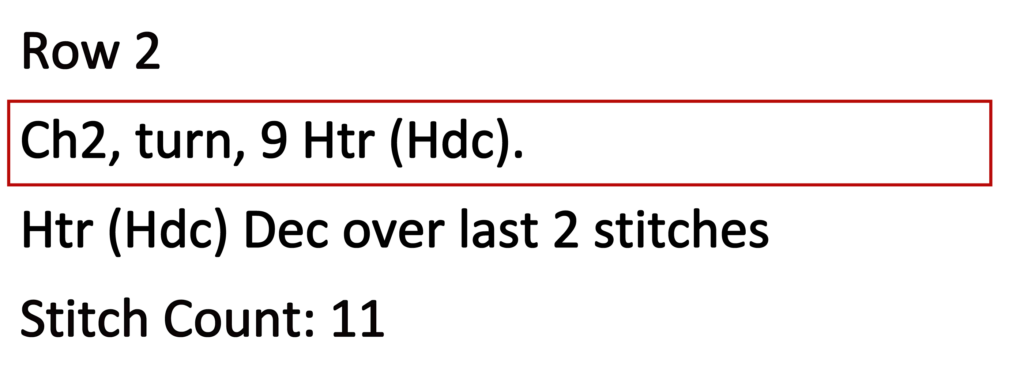
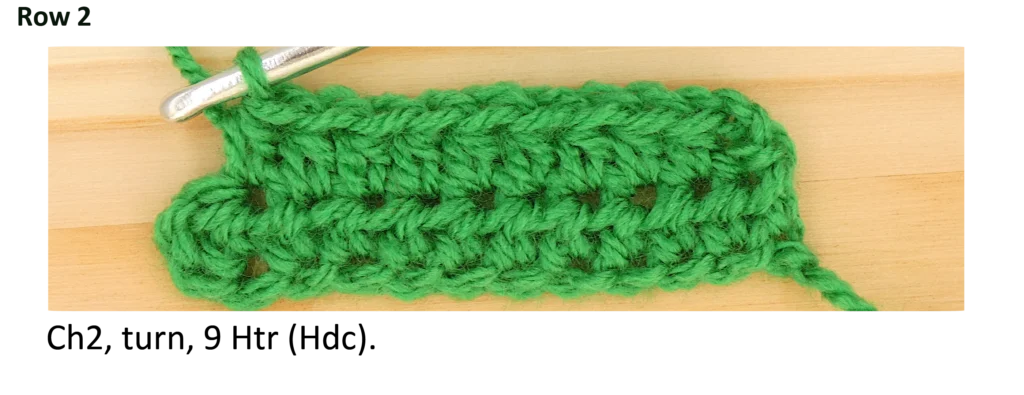
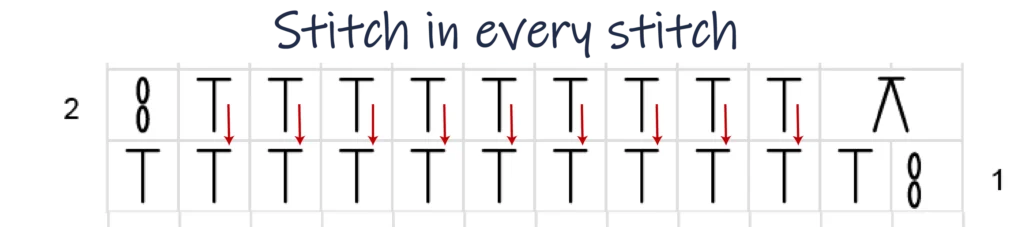
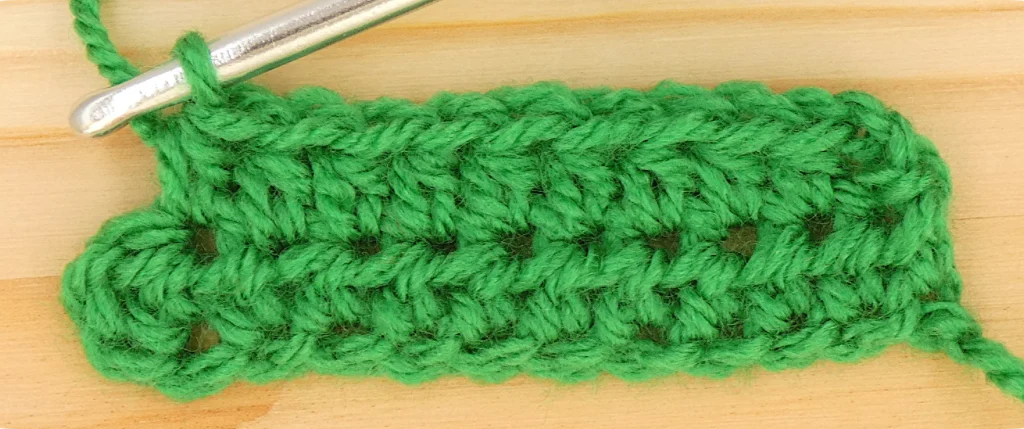
Step 2 – The decrease is worked over the last stitch and turning chain.
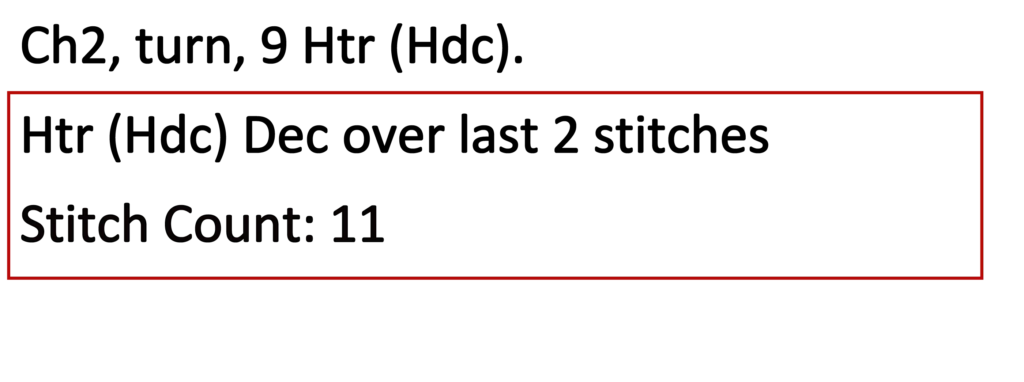
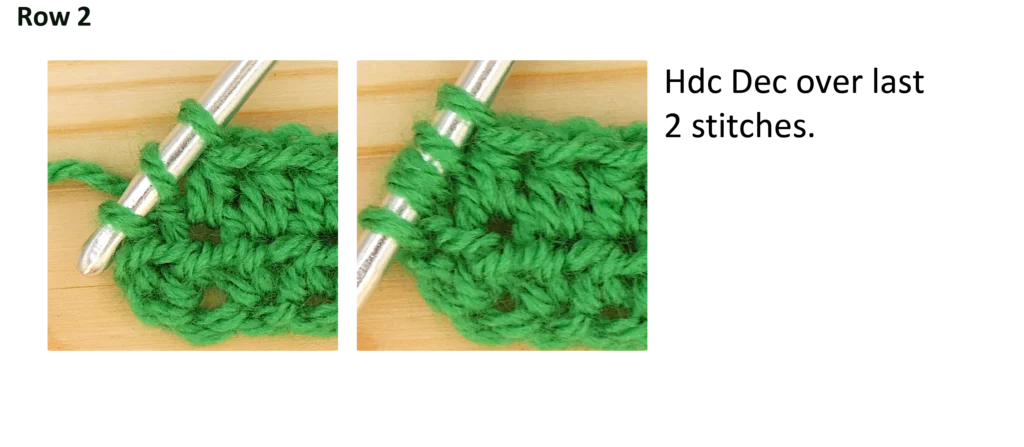
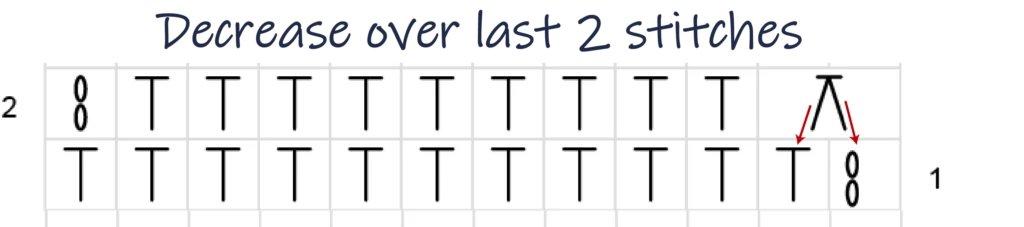
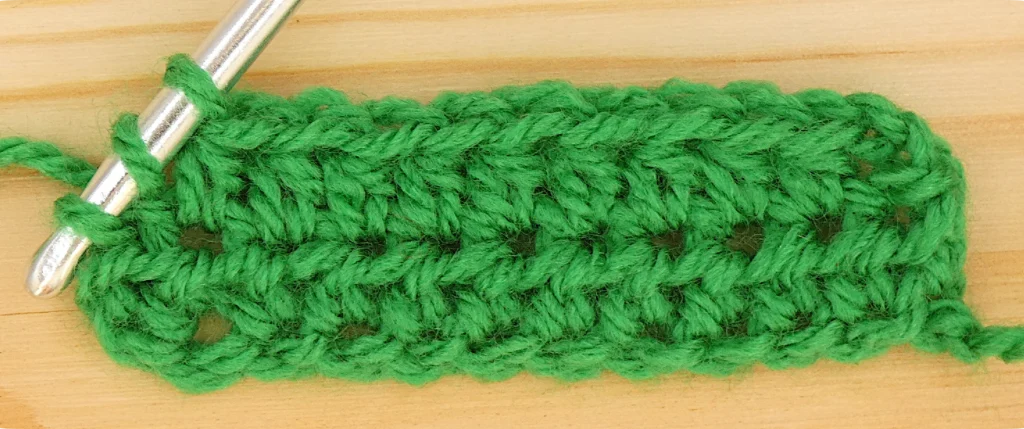
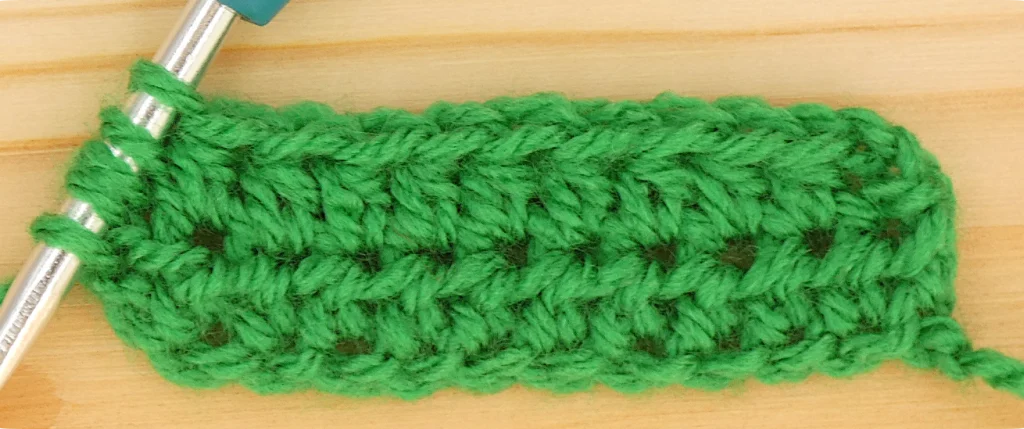
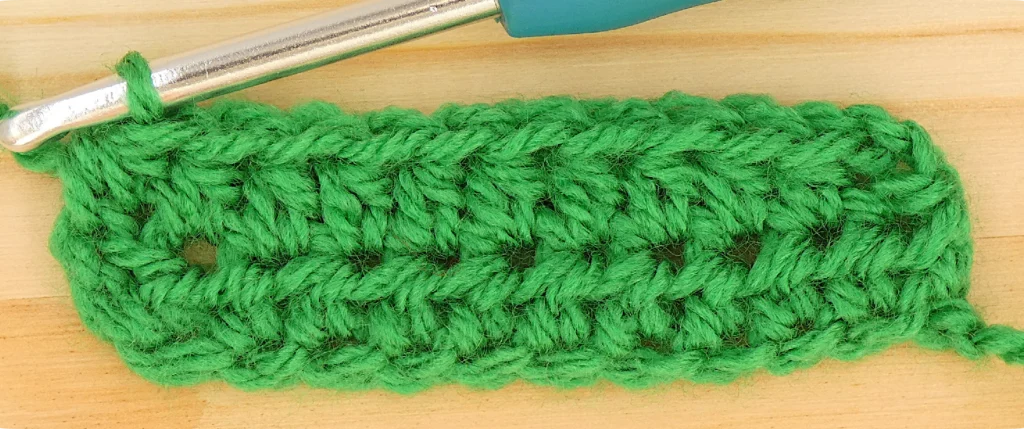
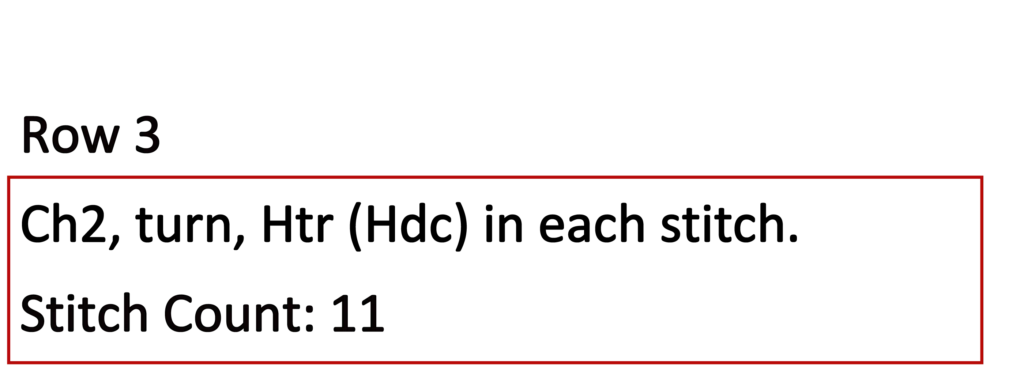
Chain 2, turn and work a Htr(Hdc) in each stitch.
The stitch count will be 11.
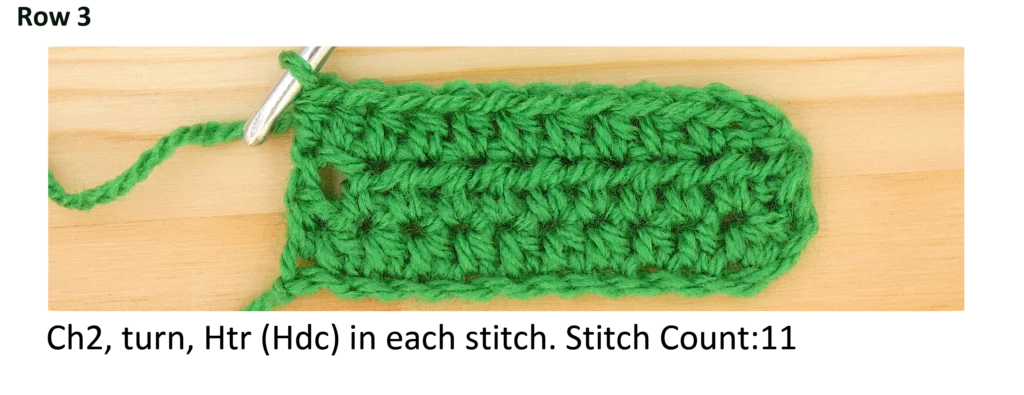
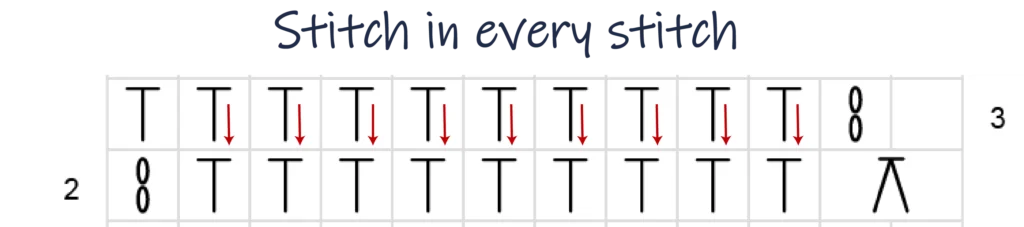
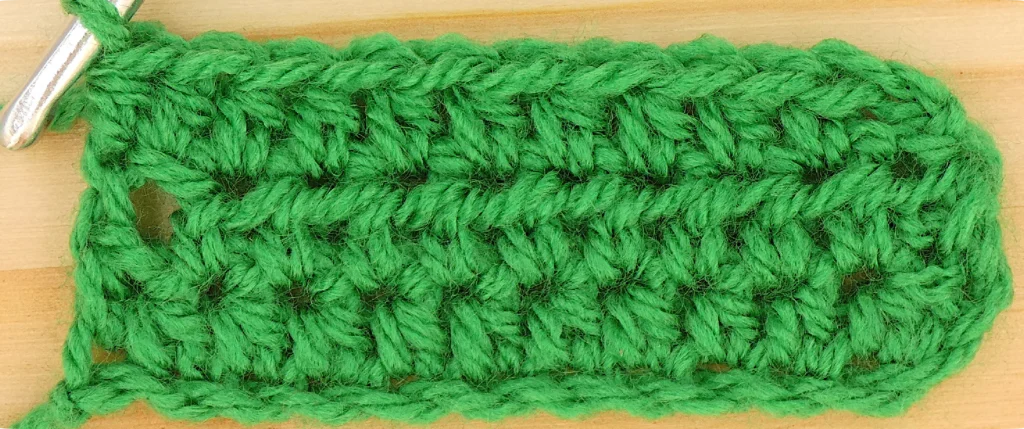
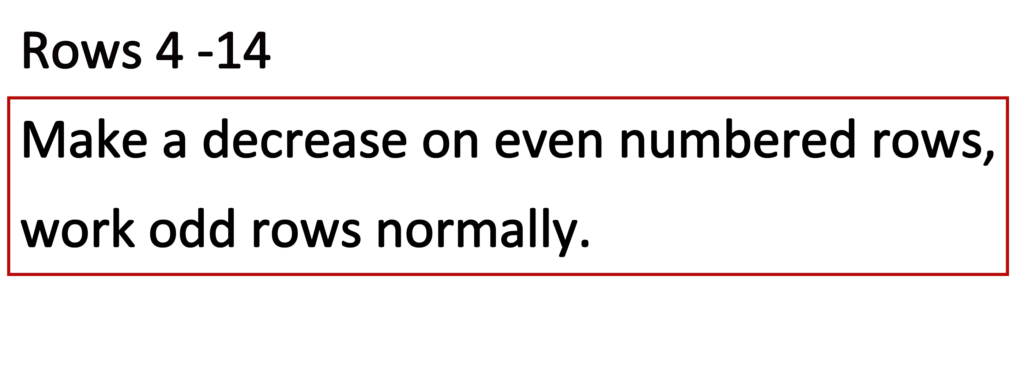
These rows are a repeat of rows 2 and 3. A decrease is made on the even numbered rows, and every stitch is worked on the odd rows.
For example – a decrease is made at the end of row 4 making the stitch count 10. Every stitch will be worked on row 5, keeping the stitch count at 10.
The next decrease is made on row 6 for a stitch count of 9. Row 7 won’t have any decreases so the stitch count stays at 9.
The swatch ends on row 14, a decrease row, with the final stitch count of 5.
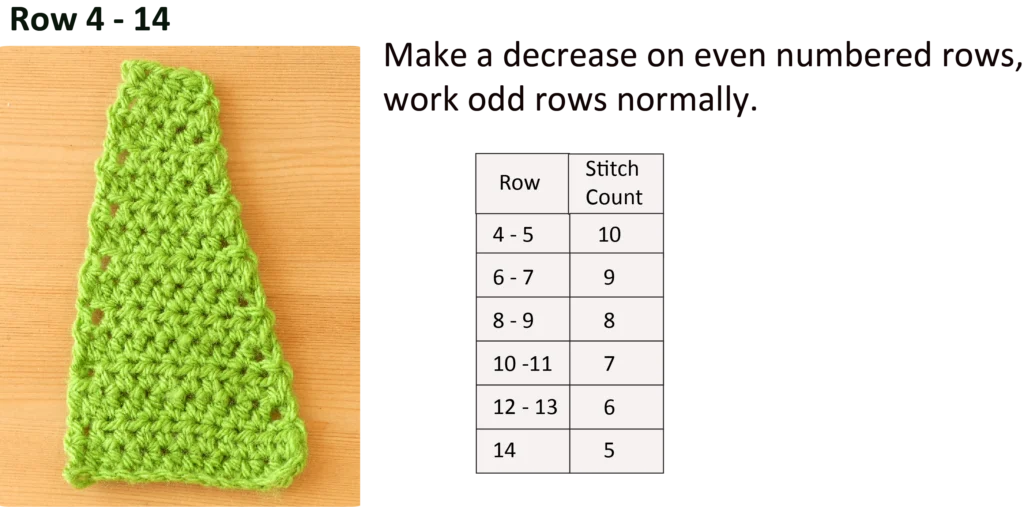
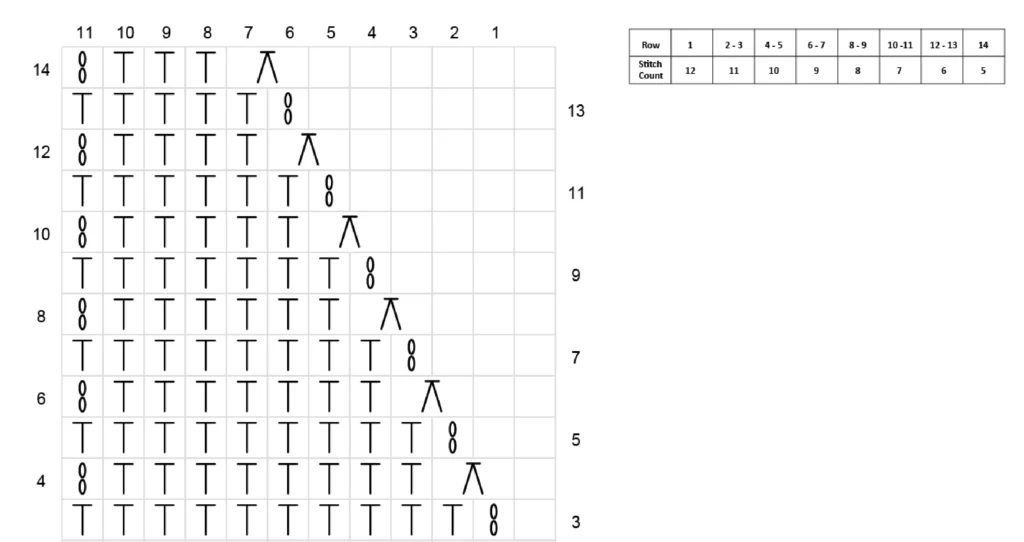
The finished swatch!
The decreases have created a slope, whilst the alternate rows control the angle.
Hopefully you enjoyed todays lesson 🙂
Lesson 12 will be putting the increases to use in crocheting circles!
Welcome!
My name’s Katie and I’m a crochet addict!
I learnt to crochet about 20 years ago whilst living in Ireland. I soon had a street stall selling my crochet hats and bags, eventually progressing to organising craft fairs.
I returned to street selling for a few years to fund my travels around Latin America, before settling down and becoming a mum to two cool kids.
I love working with colour and creating vibrant, detailed crochet and wanted to translate that into patterns.
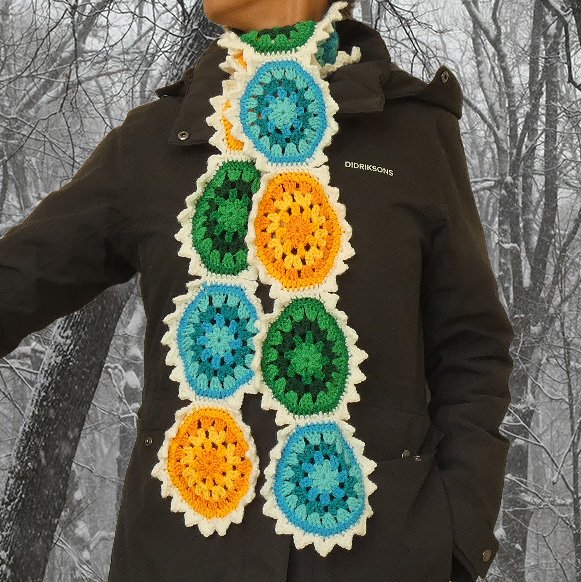
Free Crochet Scarf Pattern – Wagon Wheel
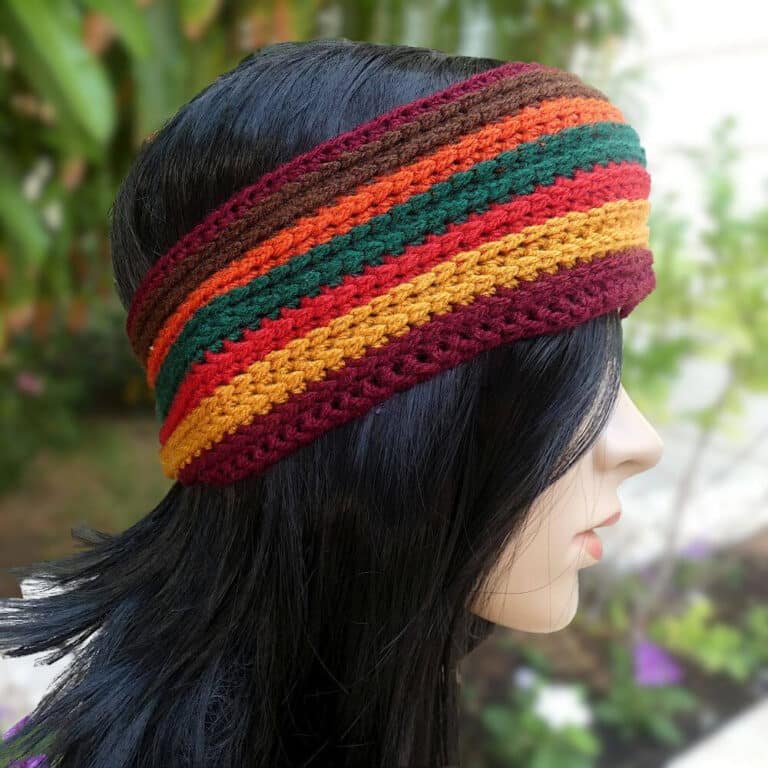
Crochet Ear Warmer Pattern
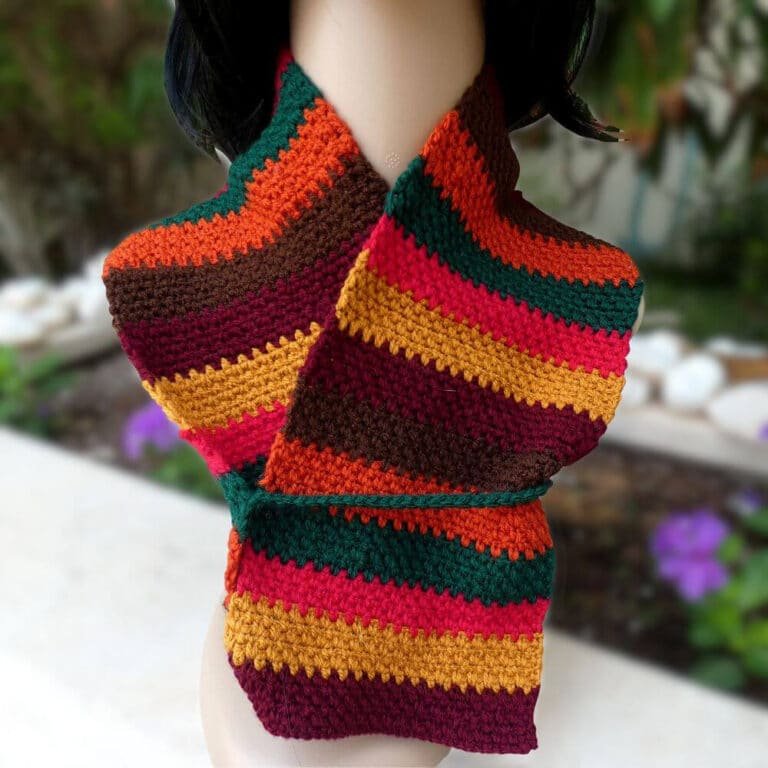
Crochet Short Scarf Pattern
Contents