Secure Payments
10% Discount on 3+ Patterns
Secure Payments
Your card information will not be stored on our servers
10% Discount on 3+ Patterns
Buy 3 or more patterns for a 10% discount
Immediate Download
Immediate & unlimited downloads
Your card information will not be stored on our servers
Buy 3 or more patterns for a 10% discount
Immediate & unlimited downloads
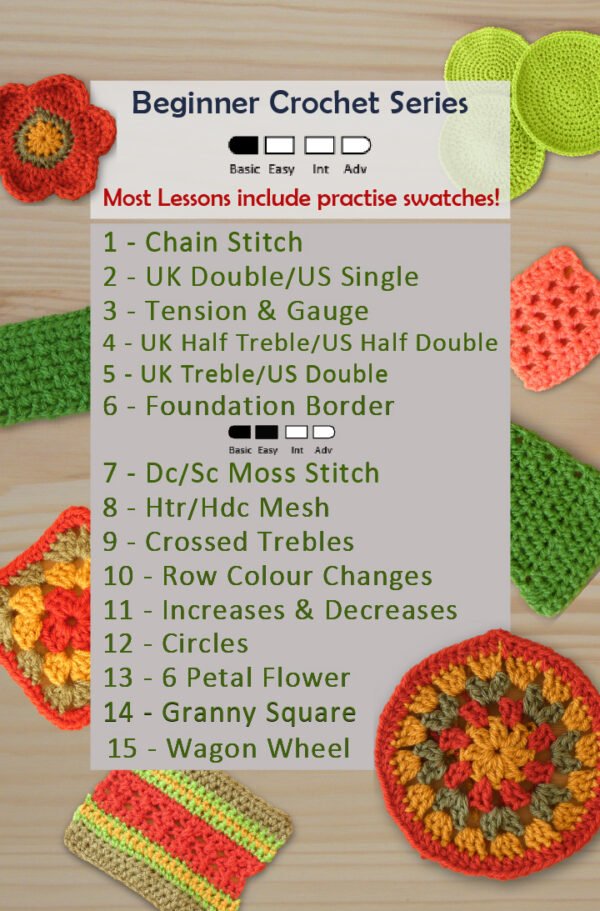
Crochet is a great craft to both relax and get the creative juices flowing! It can help with your mental health and self expression.
These beginner crochet tutorials are aimed at complete novices. The lessons will cover the basics such as how hold to the hook and yarn, as well as the essential crochet stitches. We’ll cover making circles, changing colours and combining the stitches. I’ll even be teaching you how to read crochet patterns!
Most of the lessons will have a practice swatch to put your new found knowledge into practice.
By the end of this beginners crochet course, you will have the skills and confidence to make hats, bags, blankets and an addiction to yarn!
For those that prefer learning by watching, at the bottom of the page is the video version of the lesson.
“If I were able to leave you with only one piece of crochet advice, it would be to always have fun. Learn the basics, but then just go crazy with your crafty self!” -Twinkie Chan
Contents
Welcome to Lesson 12 of the Beginner Crochet Series!
Circles are formed around a ring and use evenly spaced increases to form the shape.
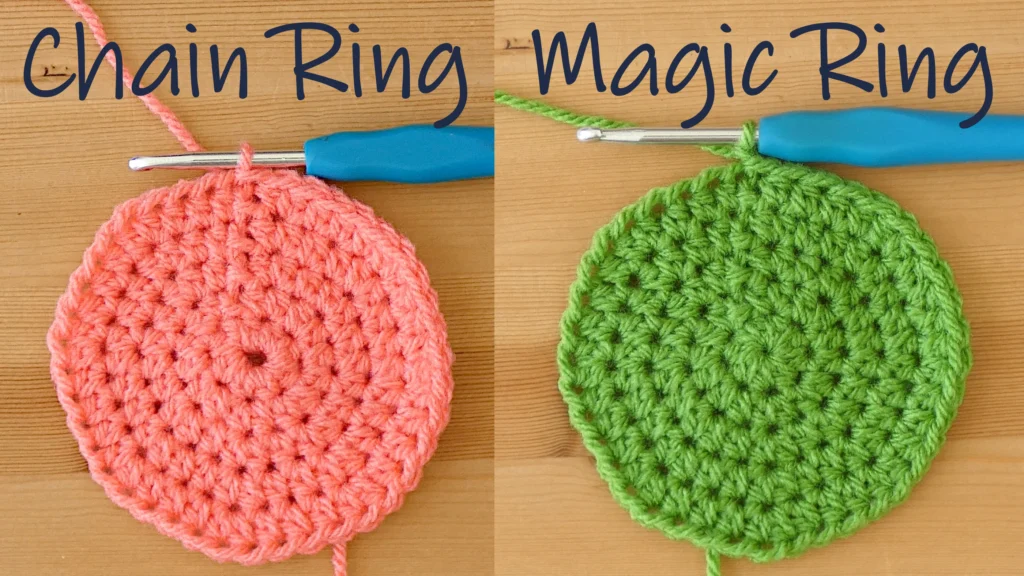
I’ll show you how to make a chain ring and 2 methods for a magic circle, which is also called a magic ring.
I’ll be going through circles made with double (single) crochet, half trebles (half doubles) and trebles (doubles).
I’ll also be explaining the difference between concentric and continuous crochet circles.
I’ll be using UK terminology throughout this tutorial, with US terms in brackets. Checkout this handy chart of the different terminology between the 2 countries.
When working in a circle the rows are known as rounds.
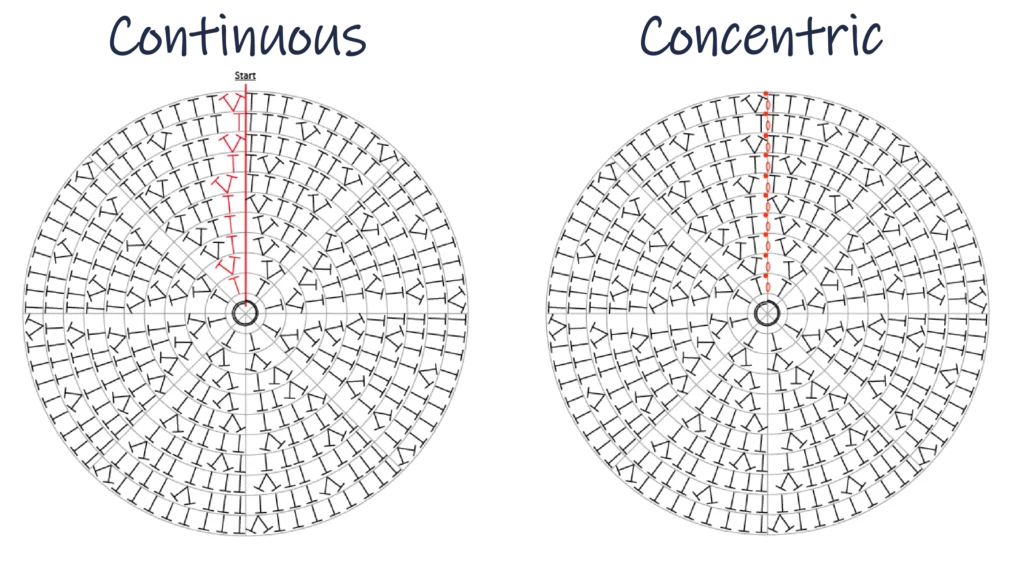
Continuous circles are made in a spiral. Rounds do not start or end with a chain or slip stitch. Concentric circles on the other hand, are distinct rounds each starting and ending with a chain and slip stitch.
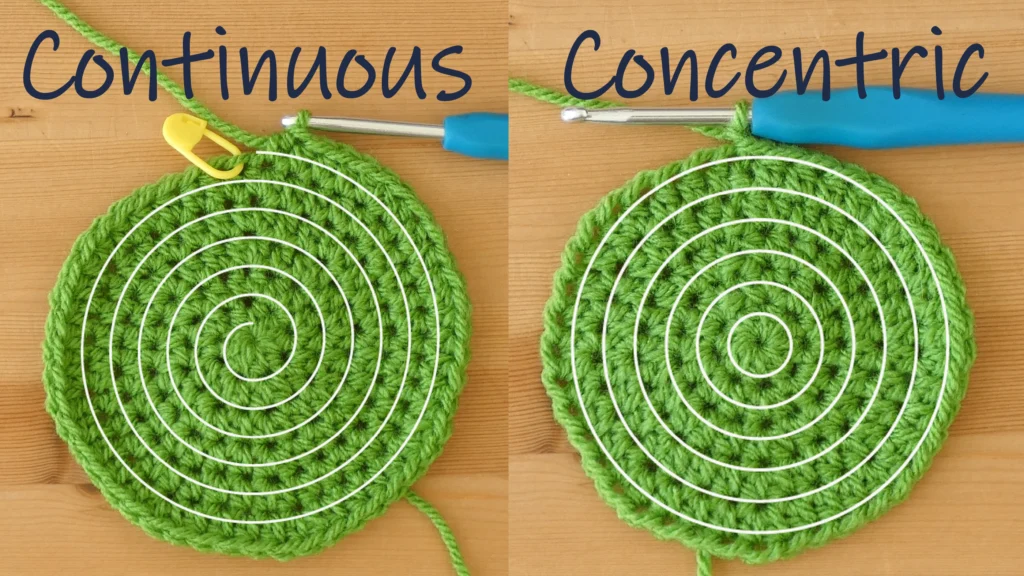
With a concentric circle you can see where the rounds join, whereas the continuous circle hasn’t got a seam.
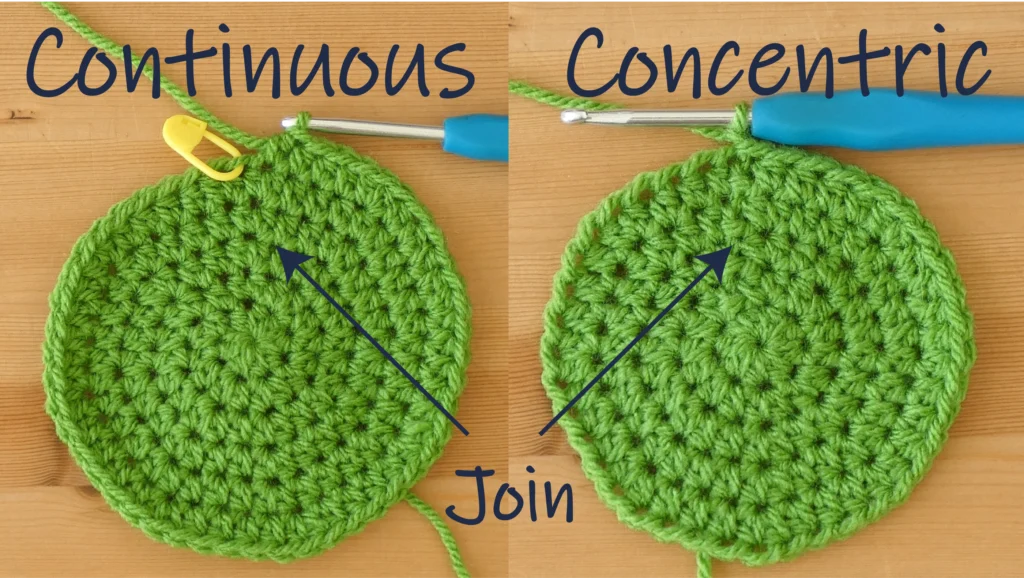
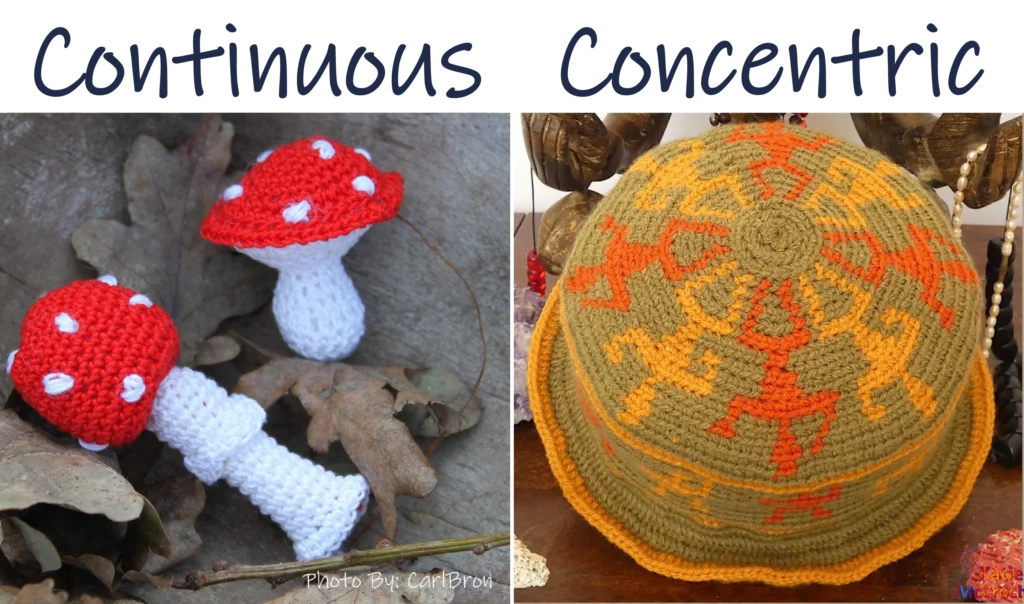
Continuous circles are good for projects like Amigurumi, or hats where there aren’t a lot of round-colour changes. For more detailed colour work or if stitch placement is particularly important, then concentric circles are the way to go.
Circles can be started with either a ring made from chains or a magic ring.
A chain ring tends to leave a hole in the middle, but is more secure than a magic ring.
If you are using a magic ring, it’s important to really secure the tail to keep the centre hole closed.
The stitches will be made into the centre of the rings. To keep good tension, hold onto the ring to start the stitch and nearer the stitch base to close it.
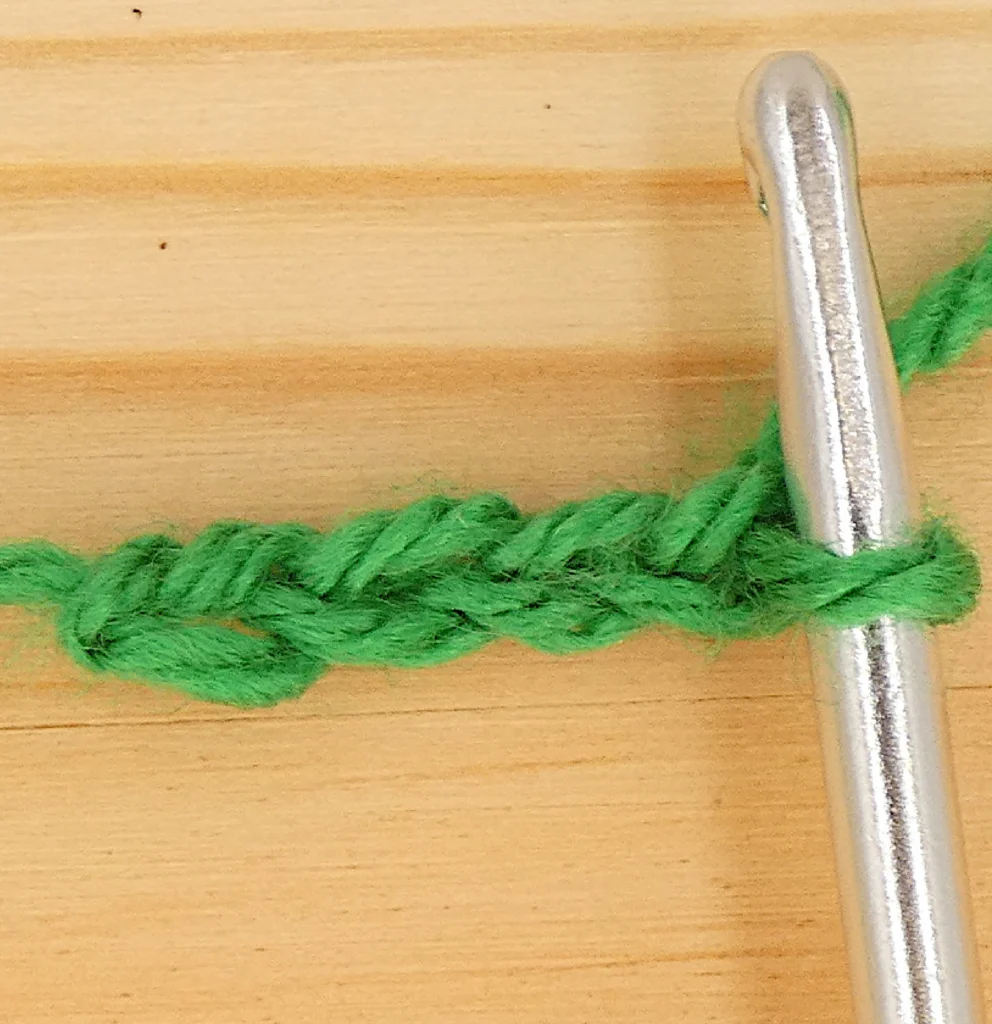
I’ll chain 4, but it can be any number depending on the pattern.
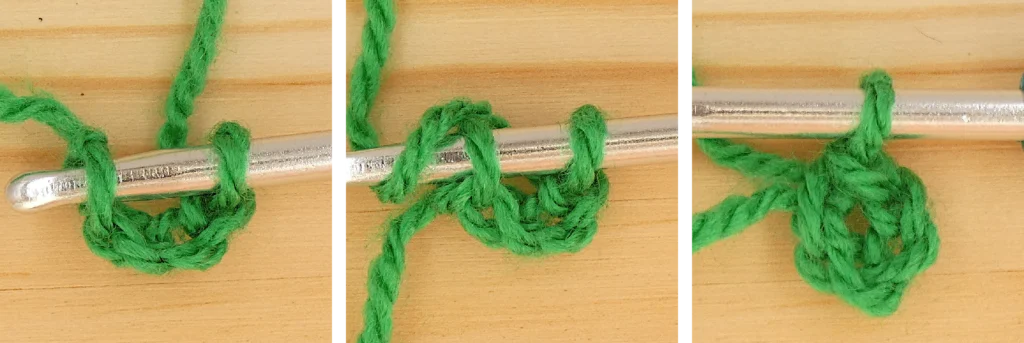
Now I’m going to make the ring by joining the first and last chains together with a slip stitch.
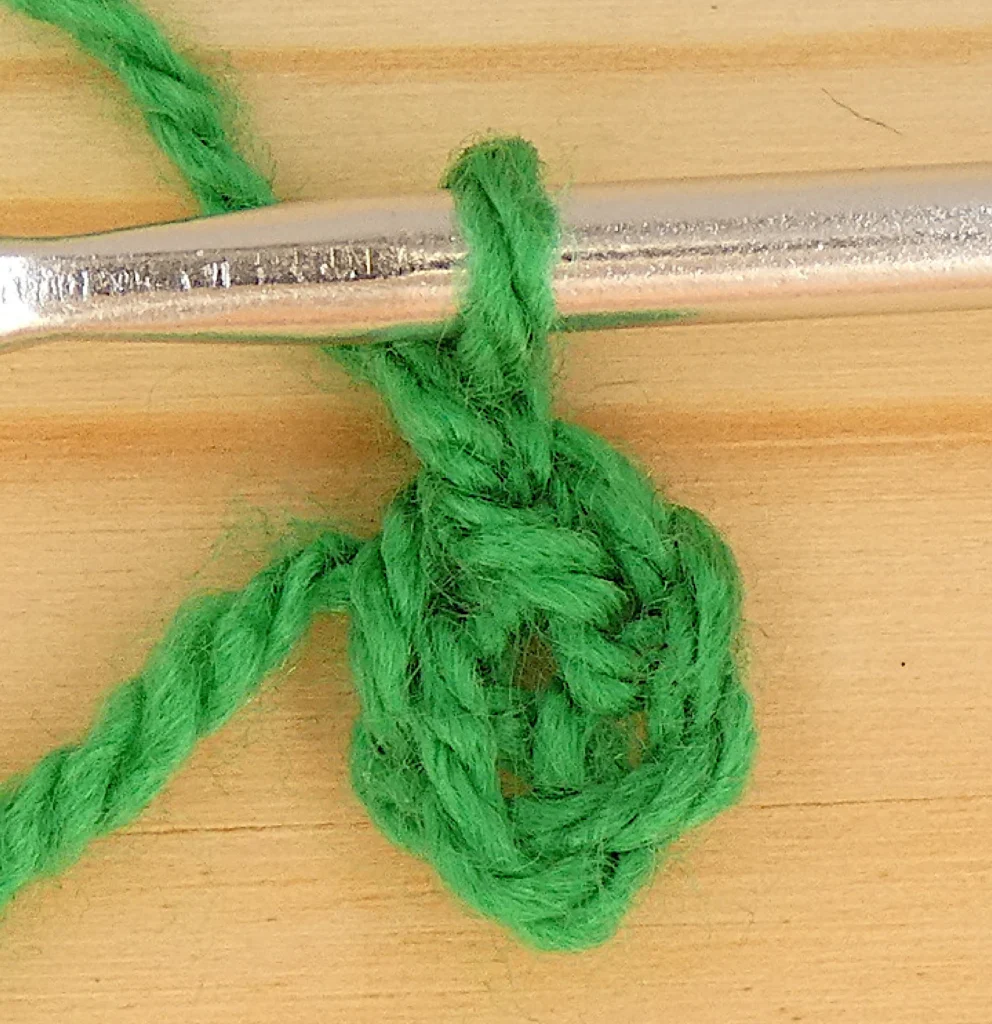
Make a chain for the height of the stitch. I’ve chained 1 for a Dc (Sc) stitch.
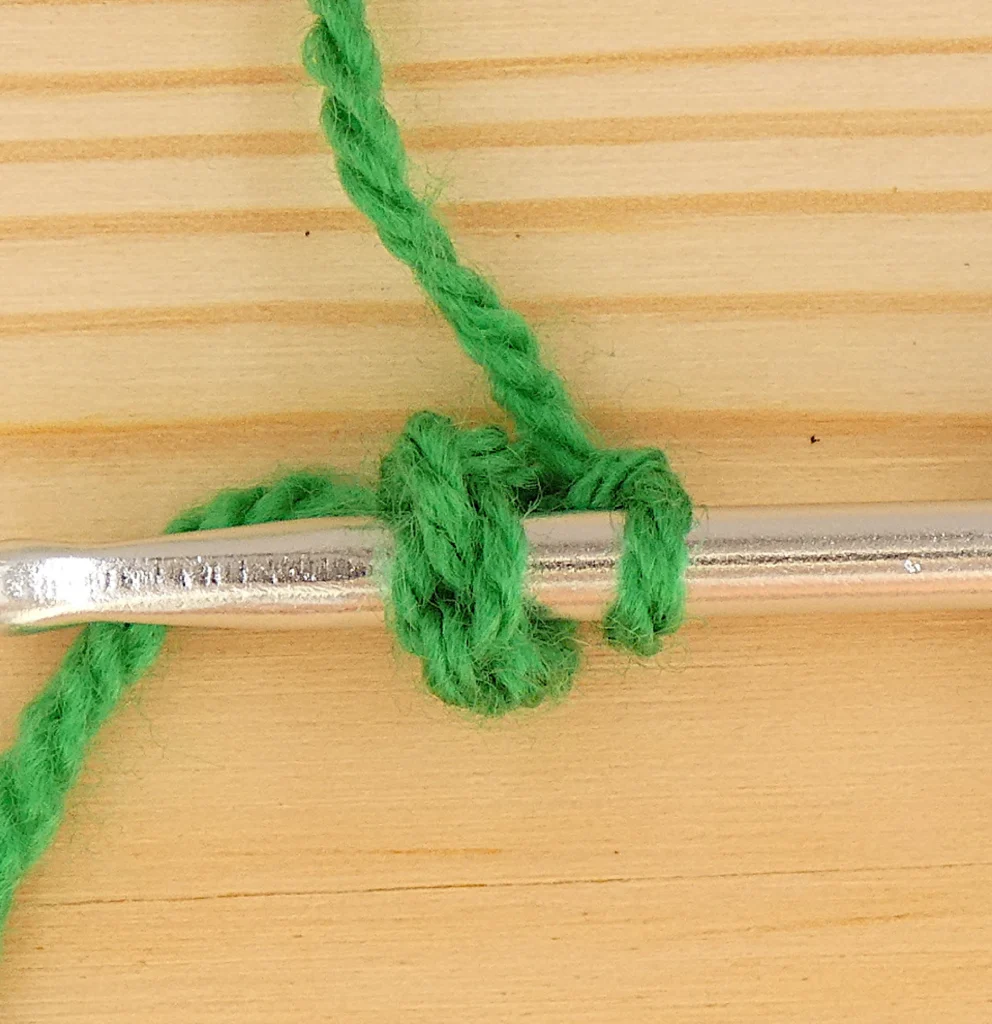
The stitch is made around the hole in the centre of the ring.
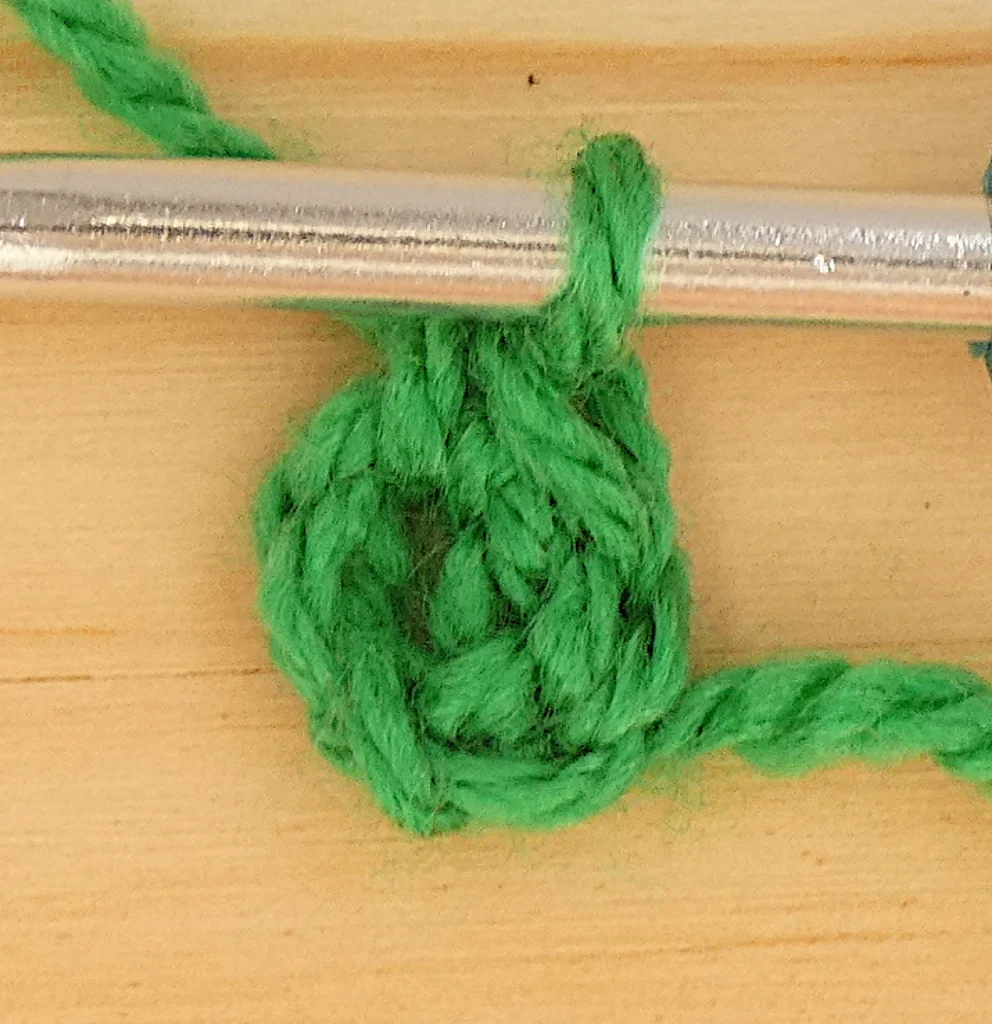
This is the first stitch made.
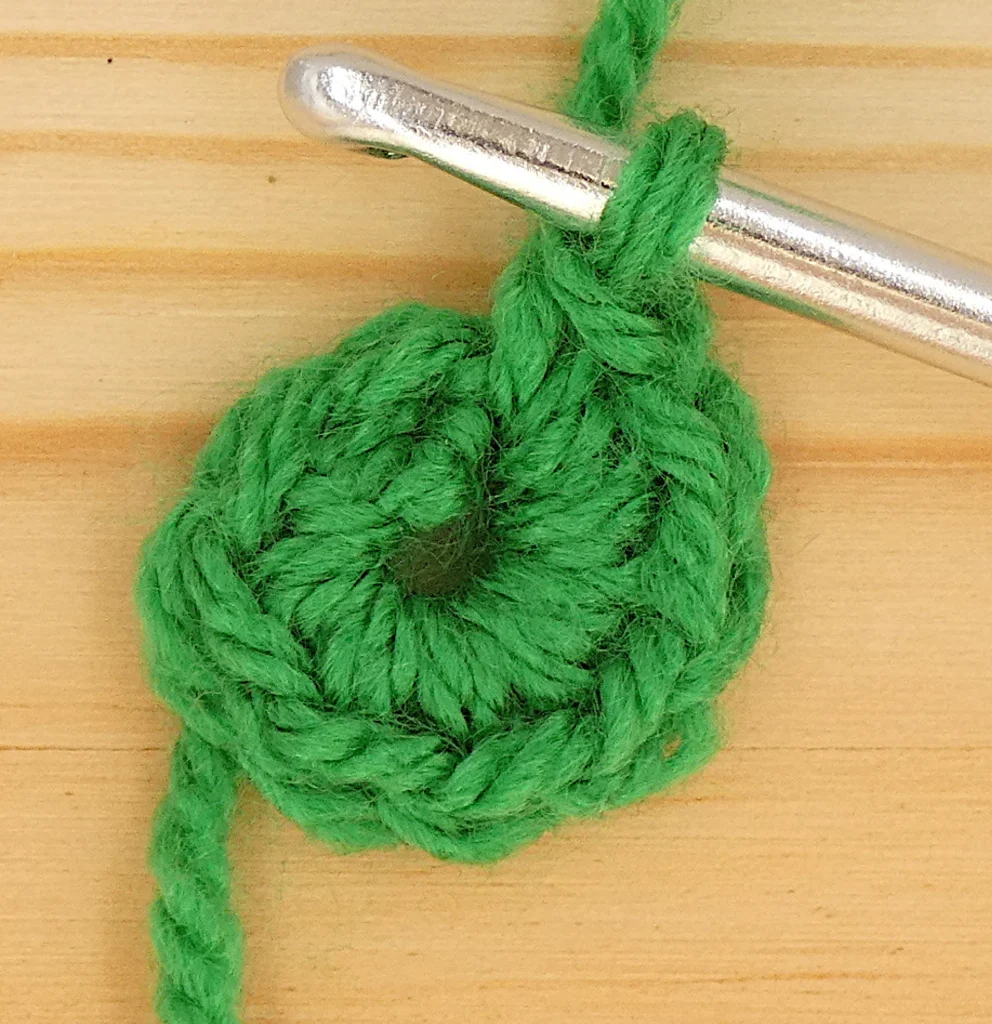
I’ve made 8 double crochets (single crochets), but you can make any number.
Magic circles are a little more tricky, but are well worth learning. I’ll demonstrate my preferred method first.
Remember to hold onto the ring to start the stitch and nearer the stitch base to close it.
Give yourself at least 10 inches of yarn looped, so at least half is the tail.
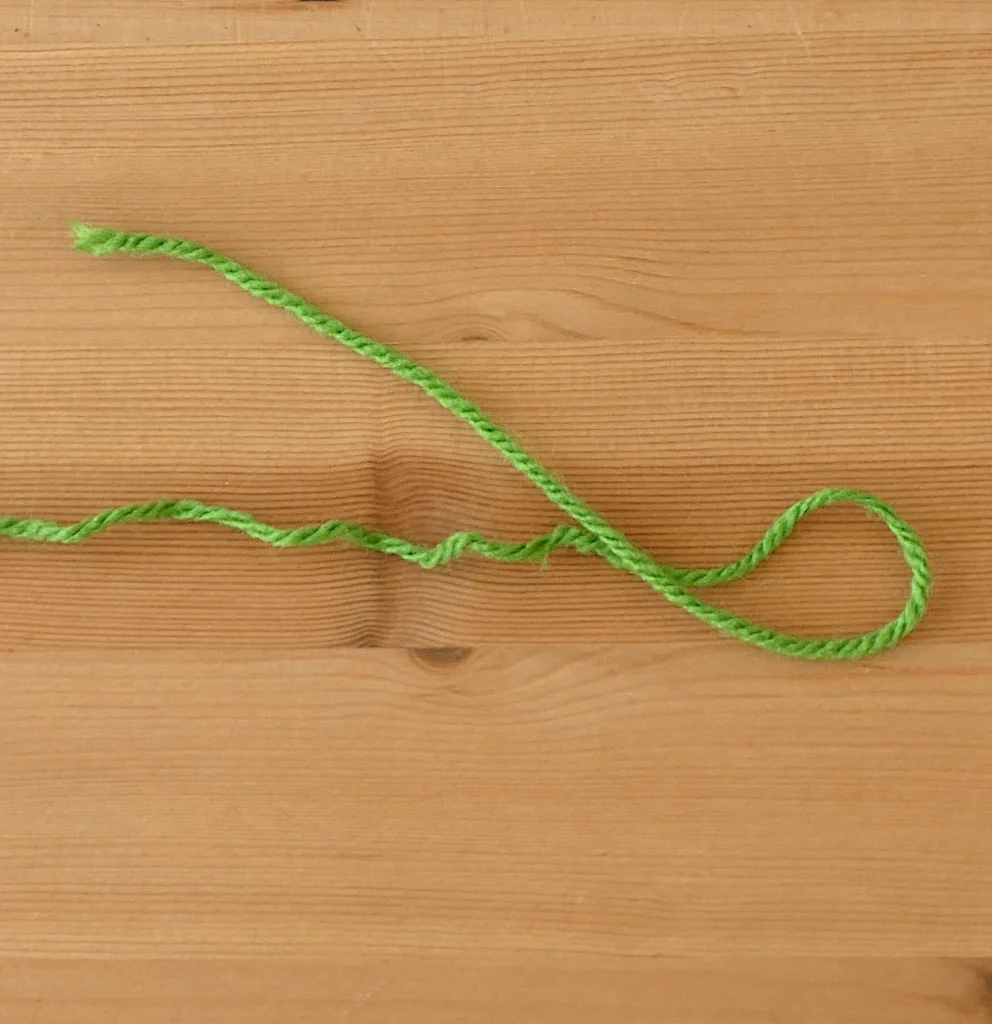
Make a circle by crossing the tail end over the top of the yarn. The yarn should be in front of your fingers and the tail should be pointing up.
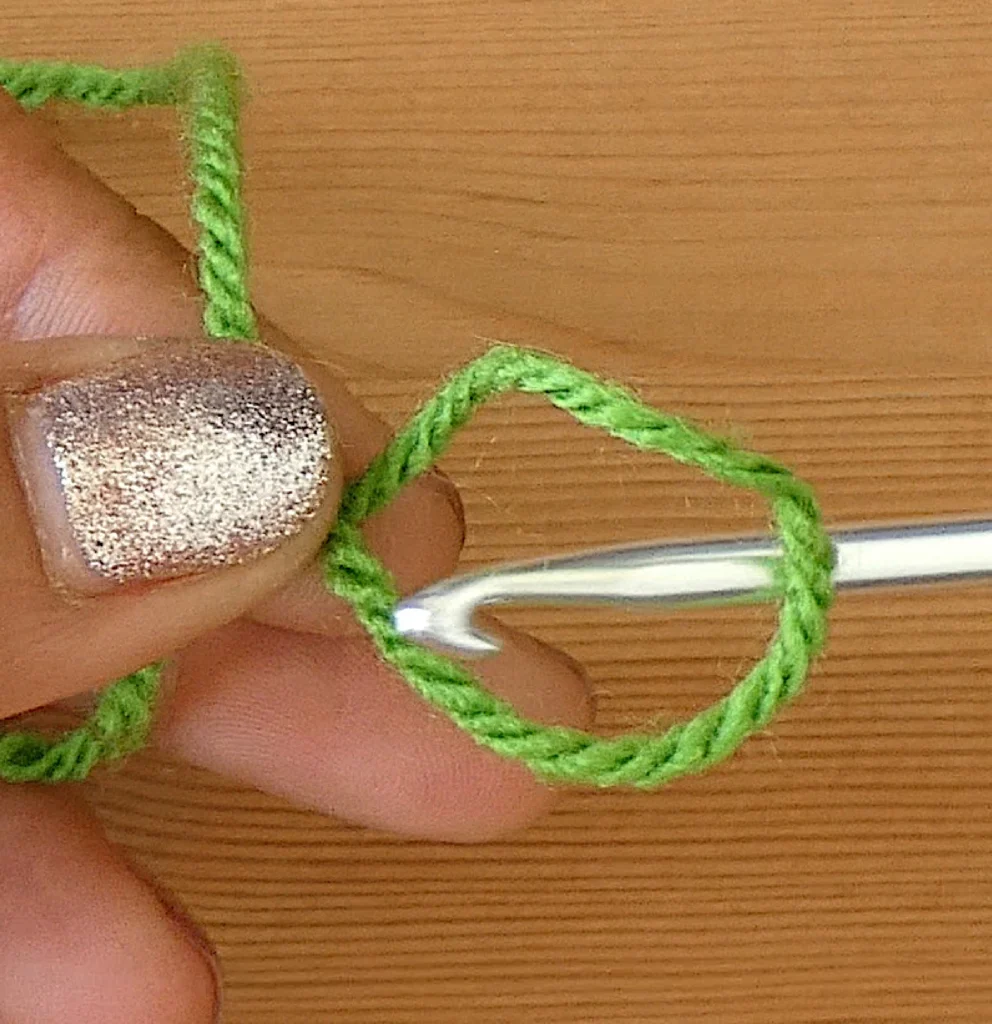
Keep a good hold of the crossed yarn.
Put your hook through the center of the circle from the back.
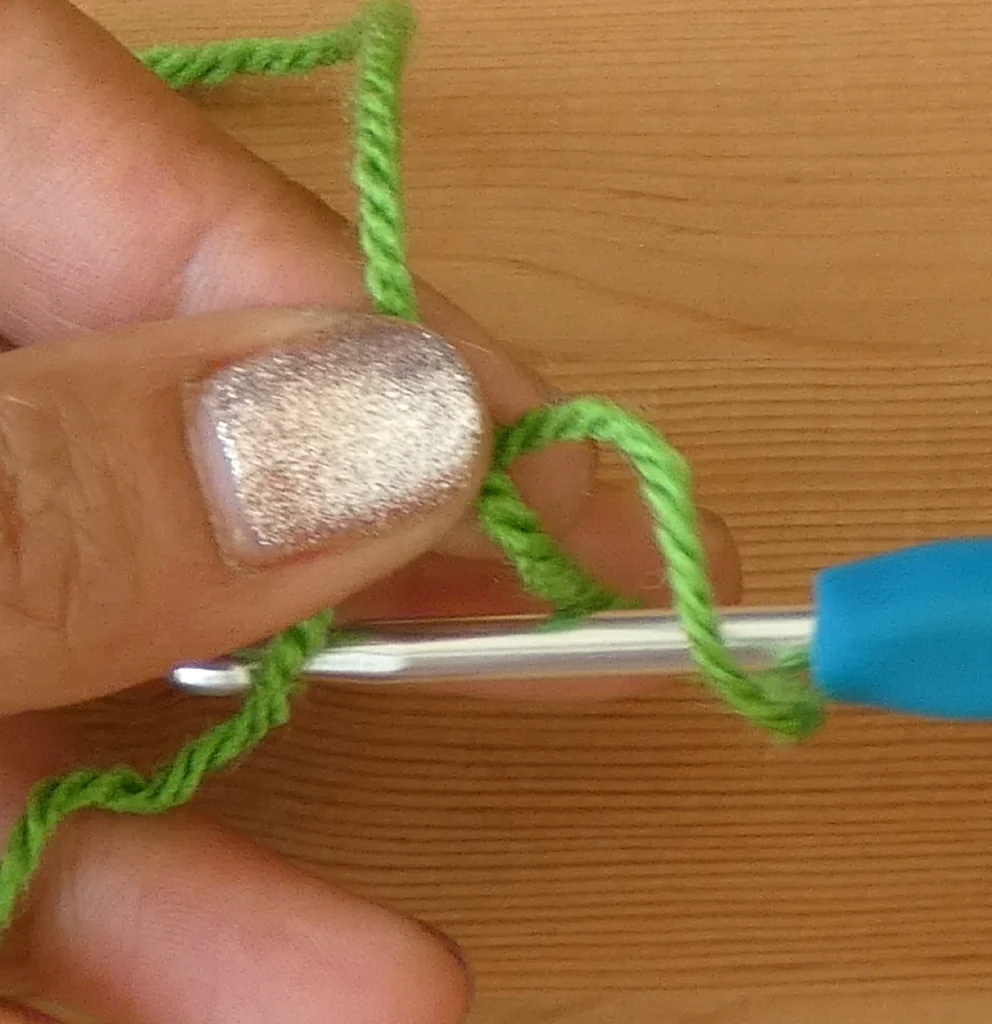
Grab the yarn,
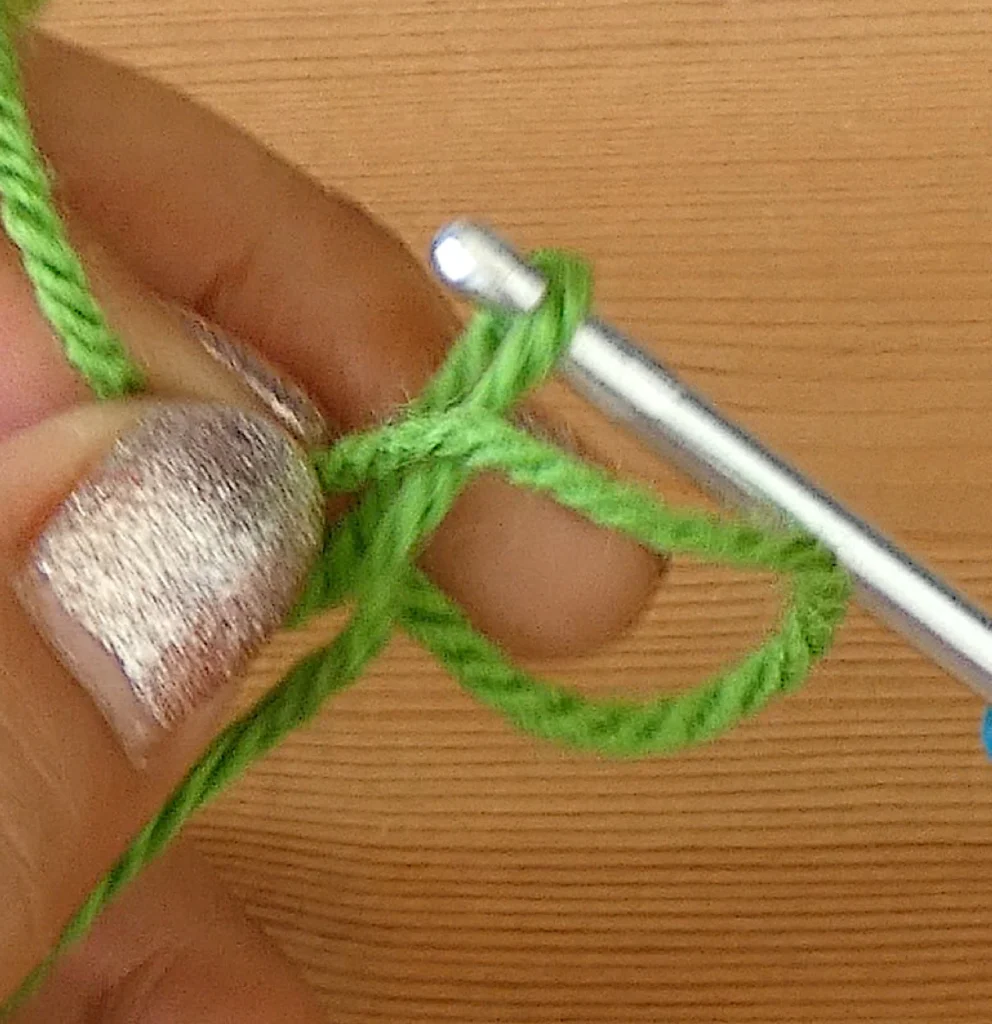
and bring it through the centre and to the top of the circle.
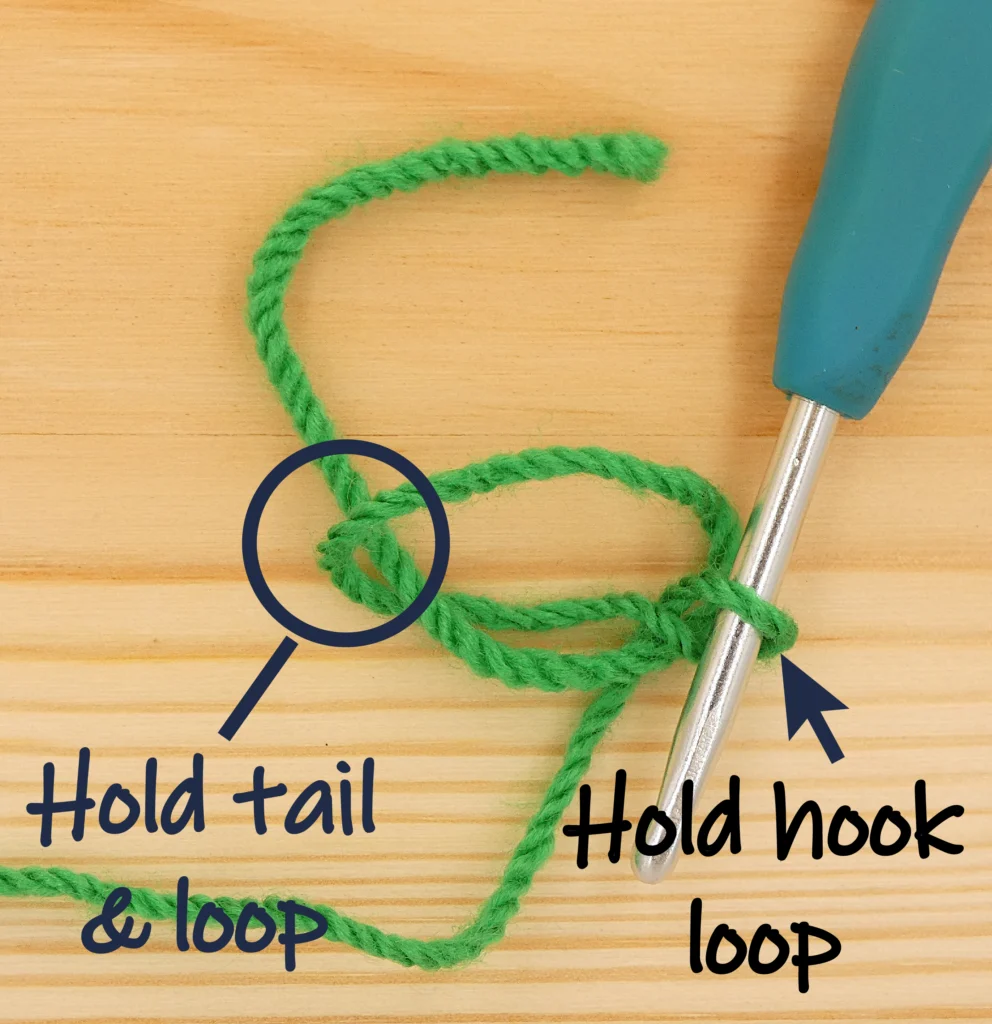
Keep the hook loop in place with your hook hand, hold the tail and loop together with your yarn hand.
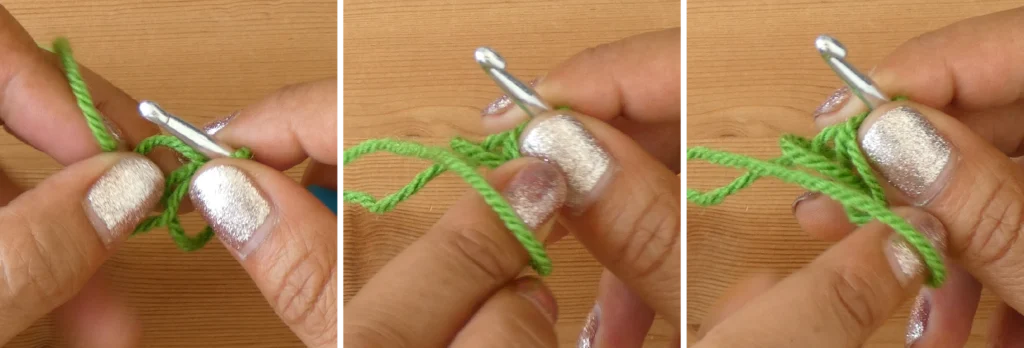
bring the crossed yarn down to the right of the hook.
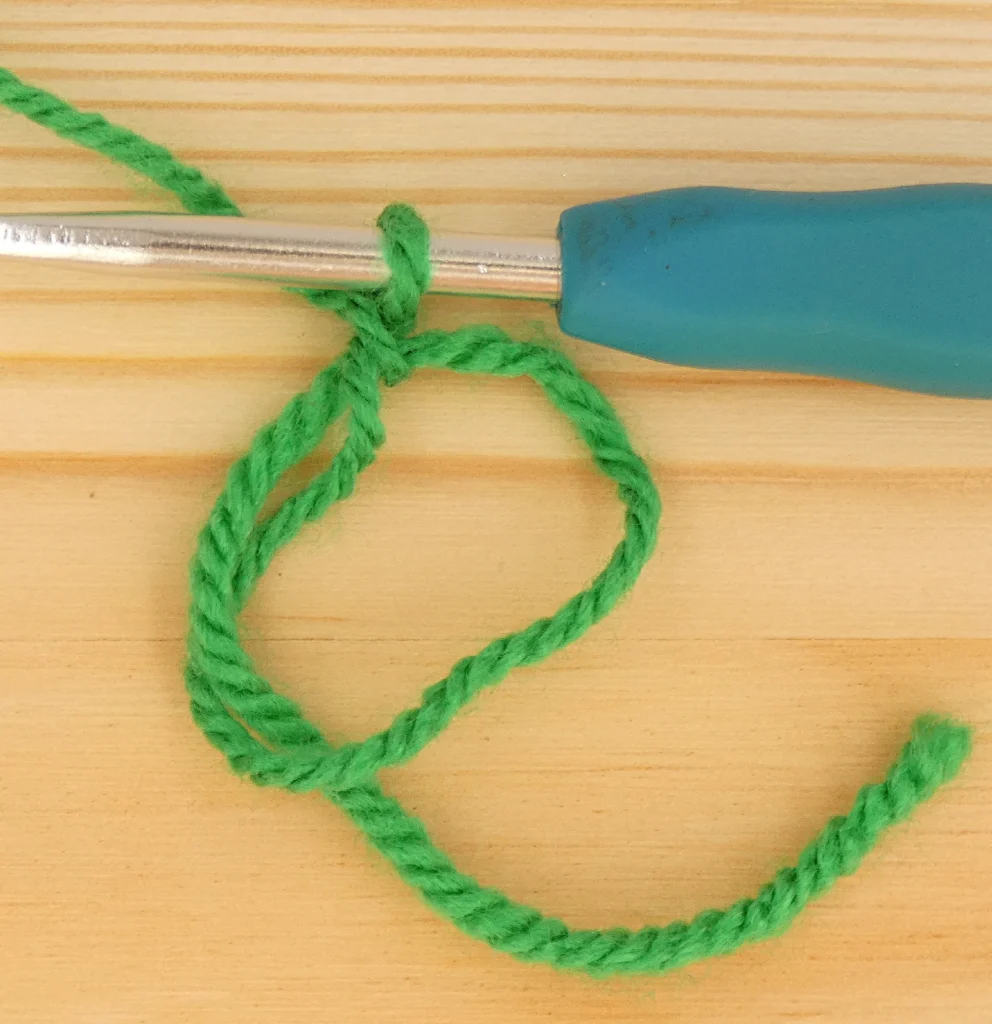
The tail should now be pointing down.
Release the crossed yarn and prepare to make a stitch, keeping the yarn around the hook tight and secure.
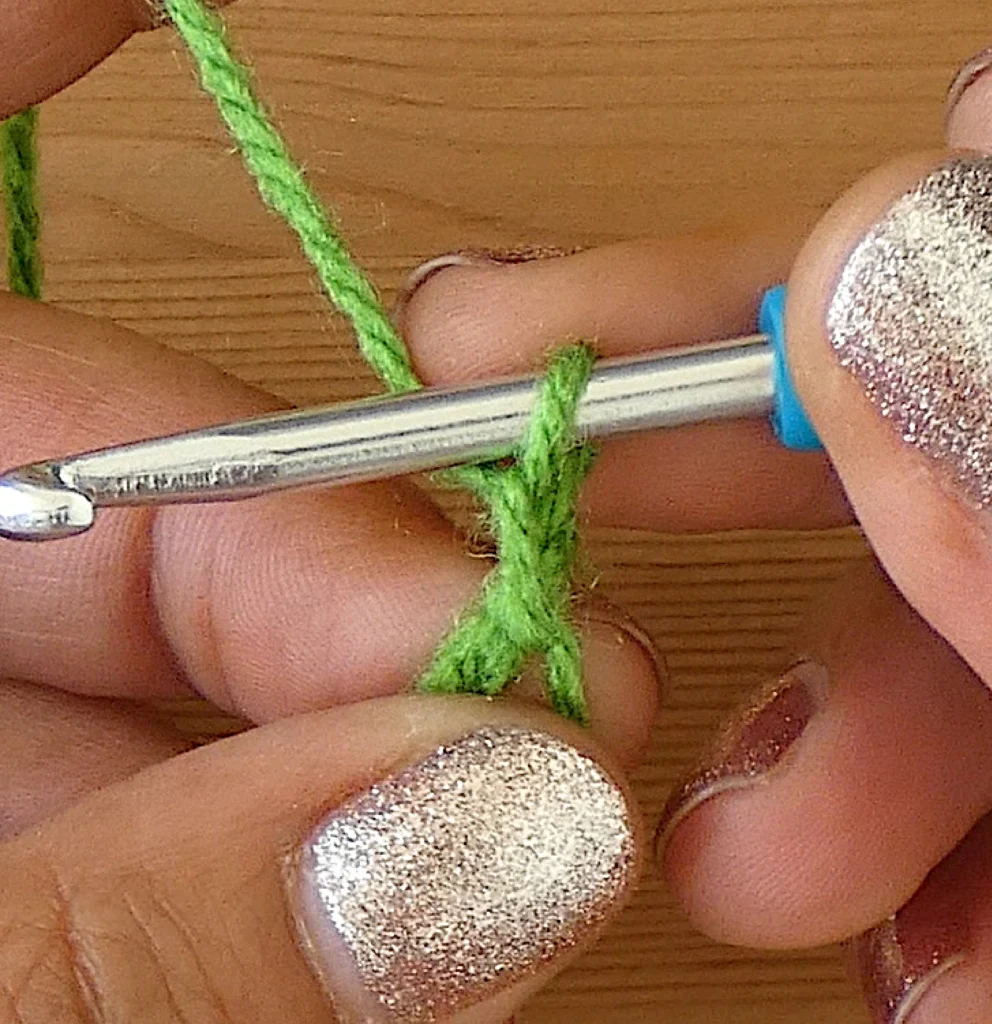
Make a chain for the height. I’m chaining one for my Htr (Hdc) stitches.
Move the tail to outside the circle.
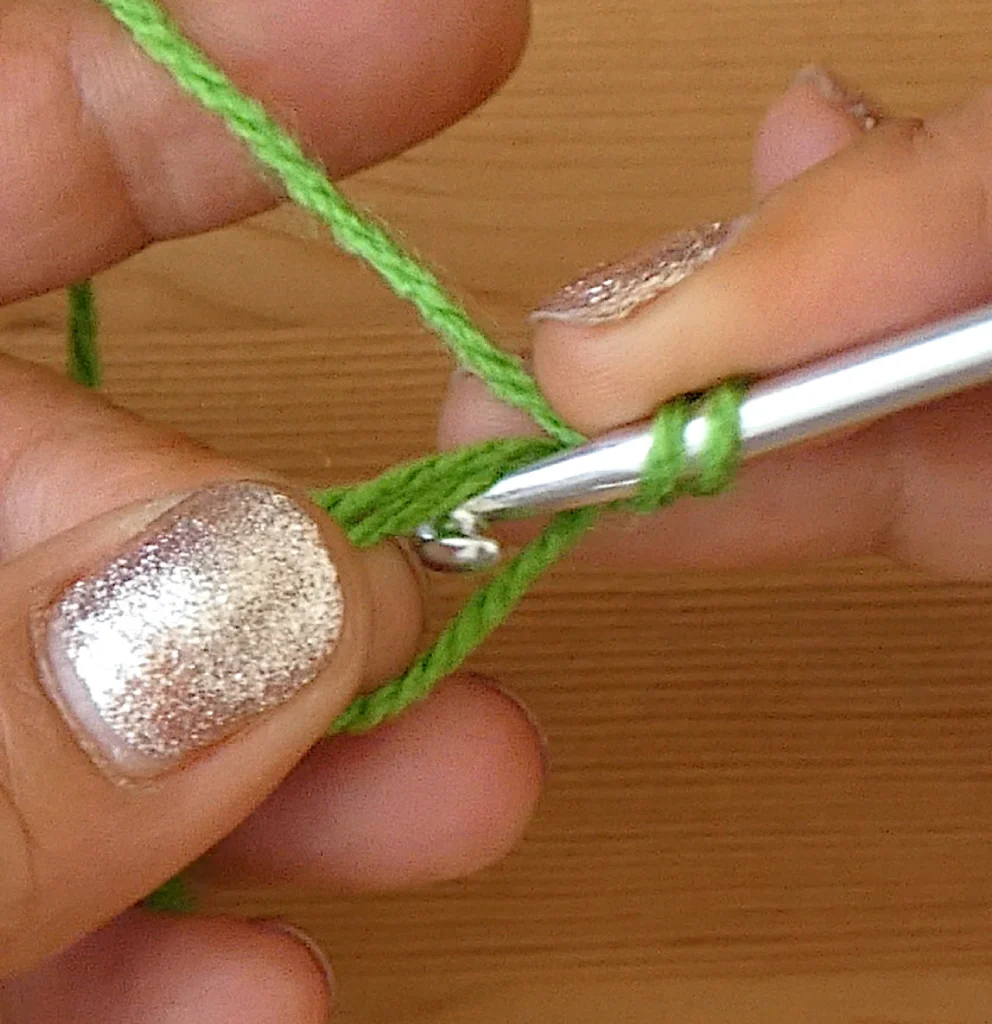
Go into the centre of the circle, and work the stitches. Go over the tail as you work.
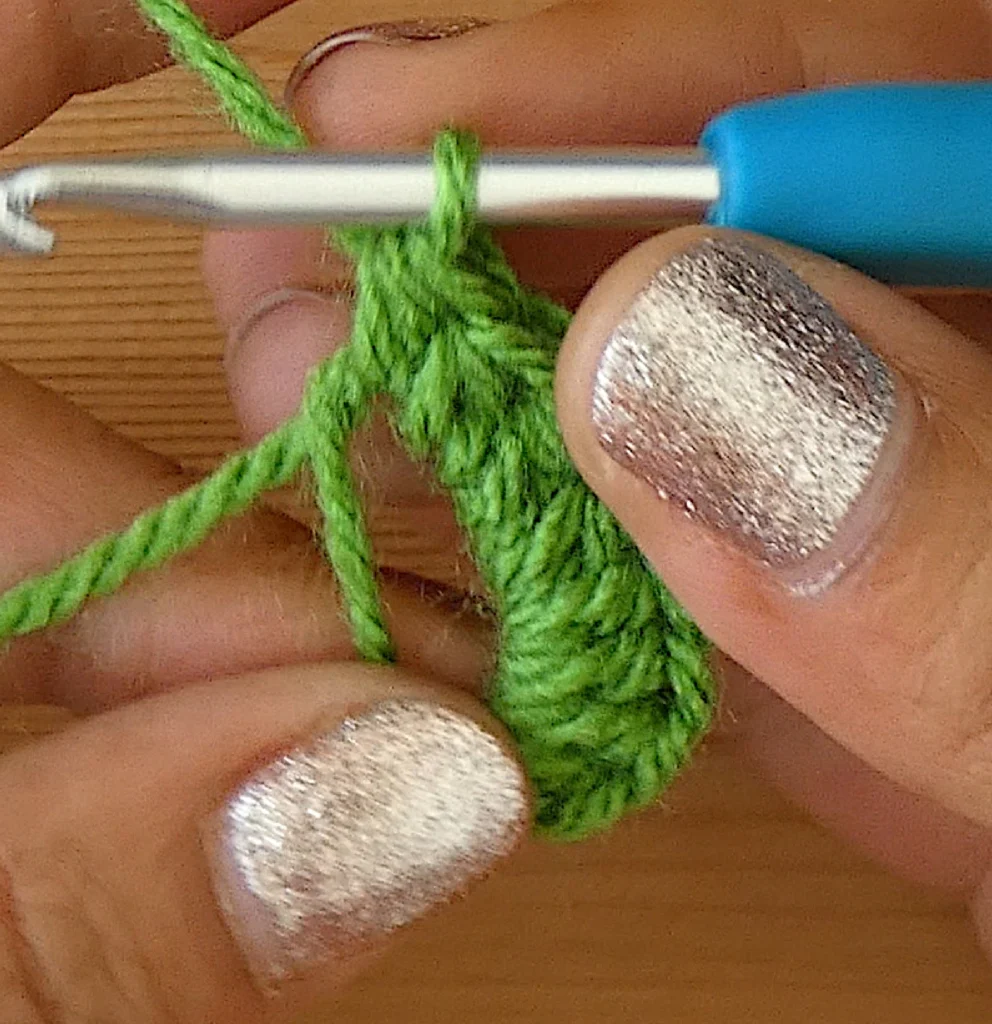
I’ve made 8 Htr (Hdc).
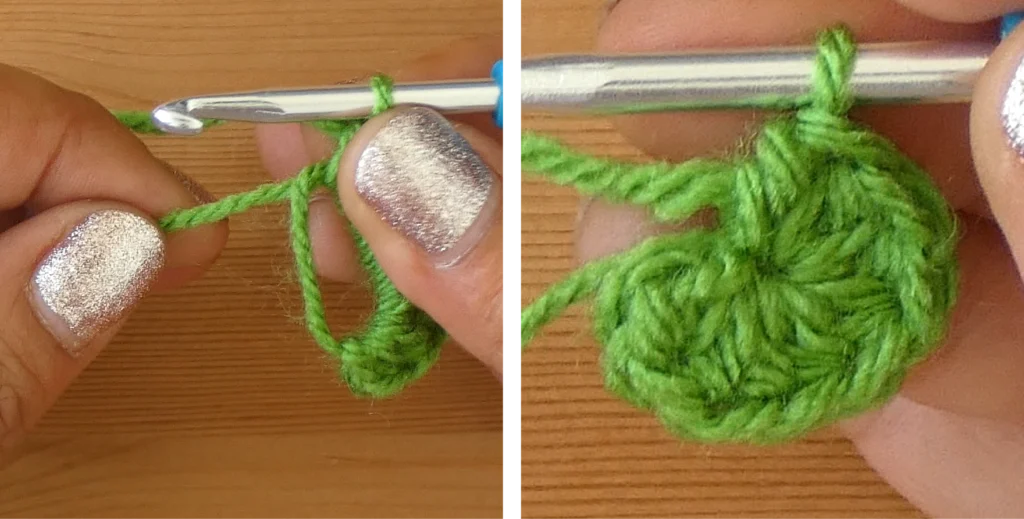
Firmly pull on the tail to close the hole in the middle.
I find this method a little harder, but maybe you’ll find it easier!
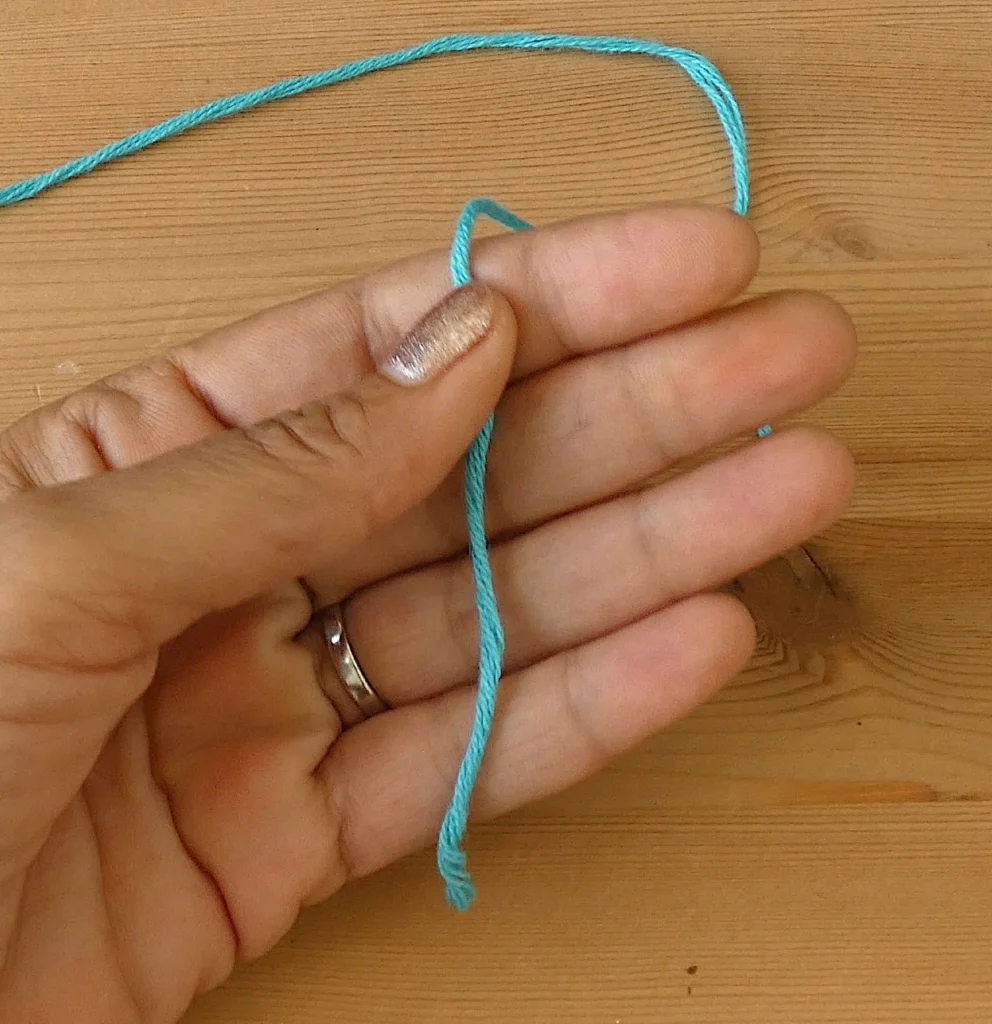
Use your thumb to hold the tail in the palm of your hand.
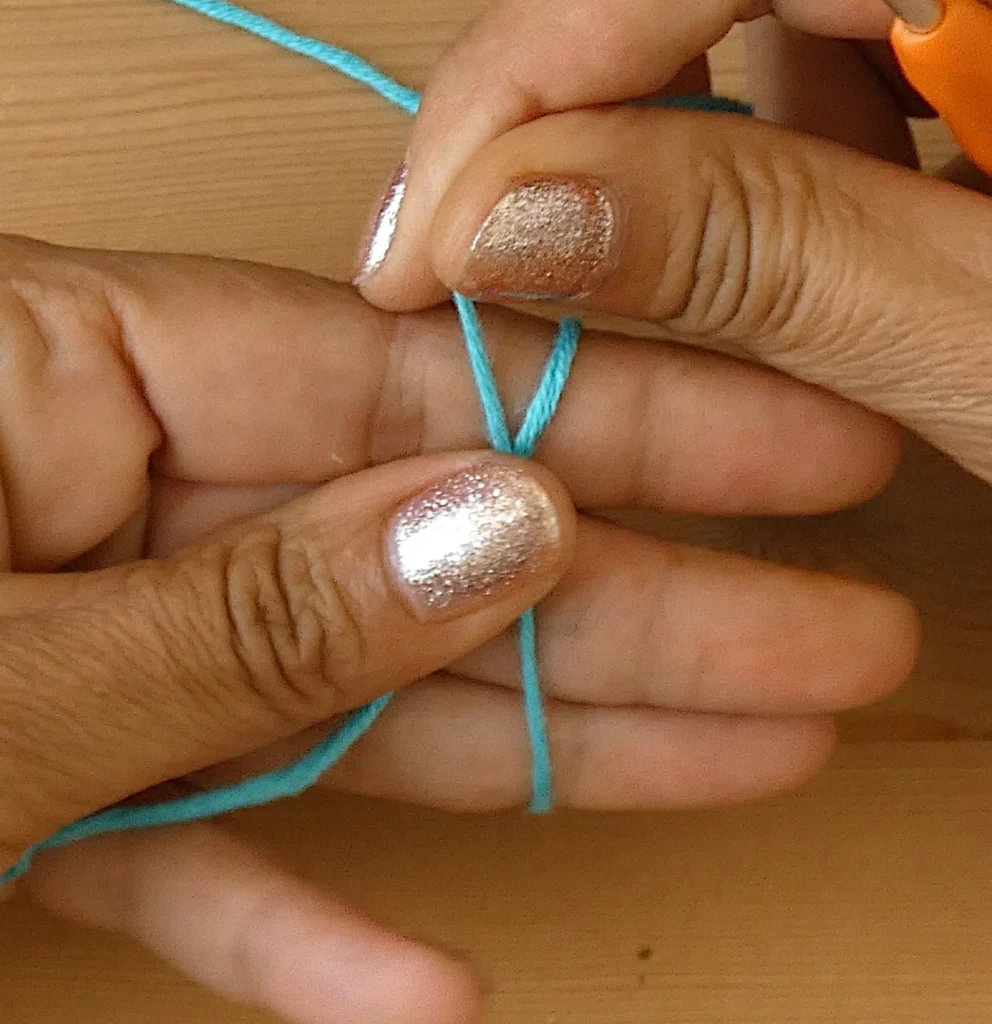
Wrap the yarn around three fingers, using your thumb to hold it in place as it crosses the tail.
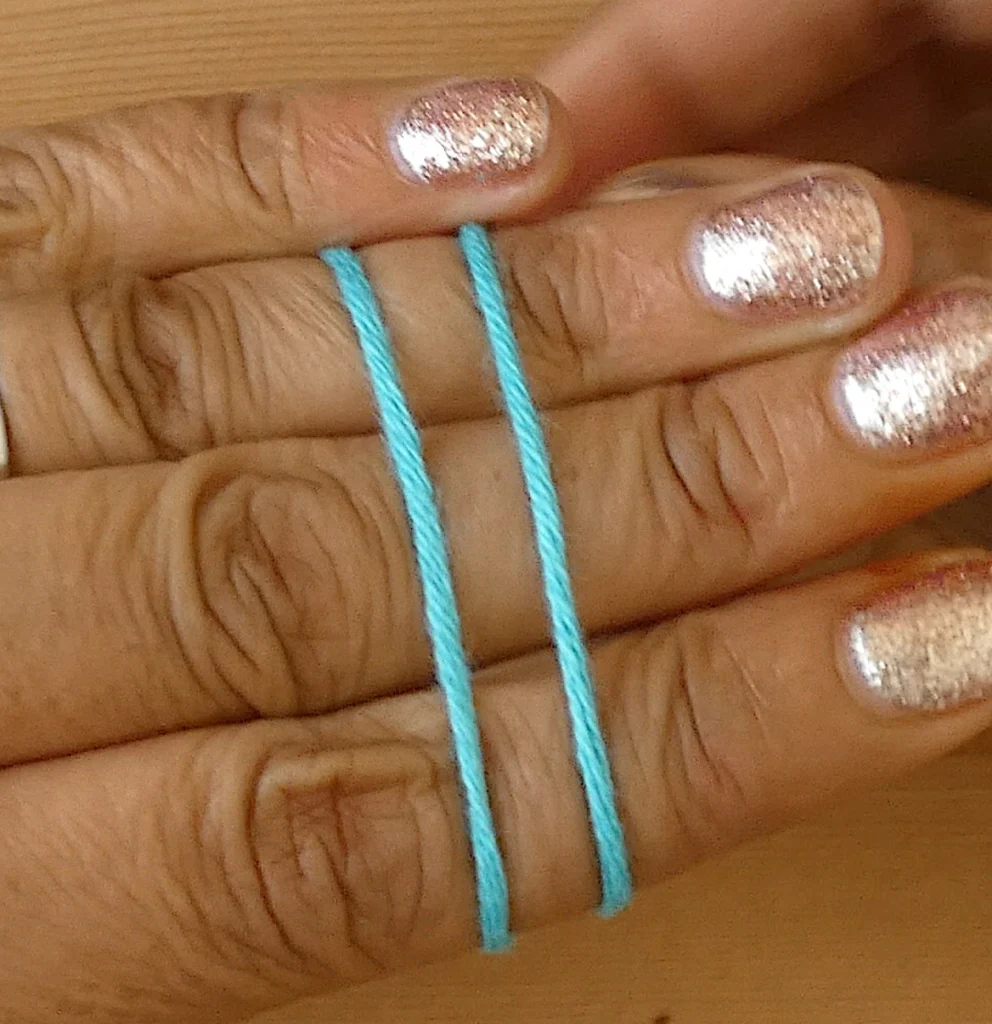
Your little finger will hold it in place over the back of your fingers. There should be two strands going across.
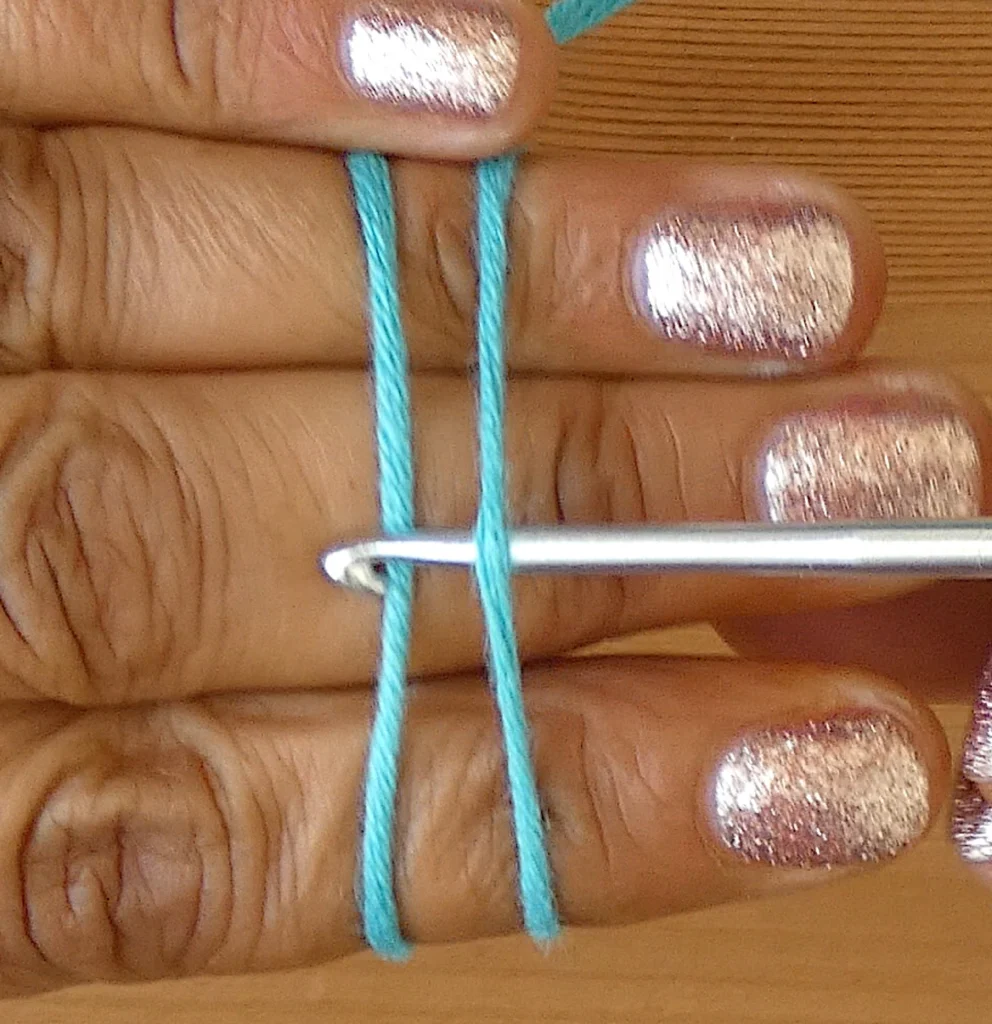
Put your hook under the outer strand, grab the second strand.
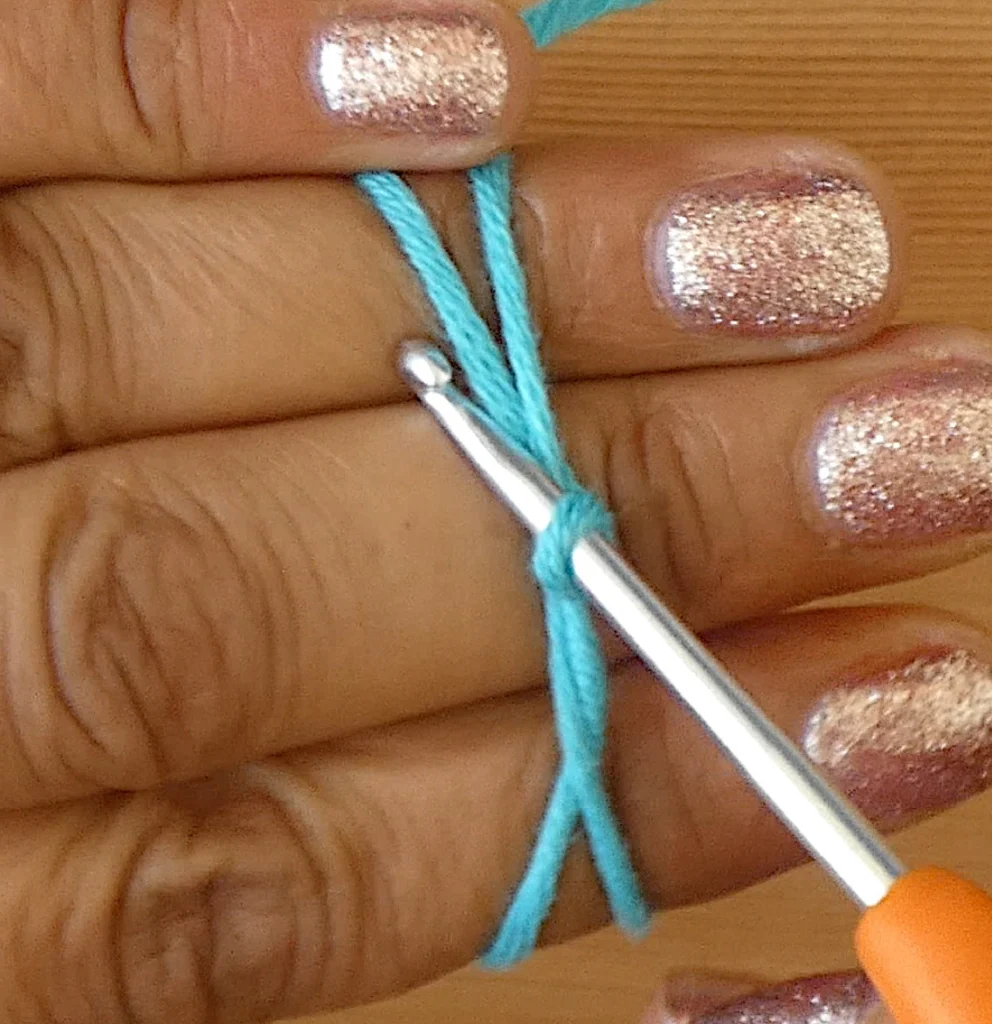
Grab the inner strand again,
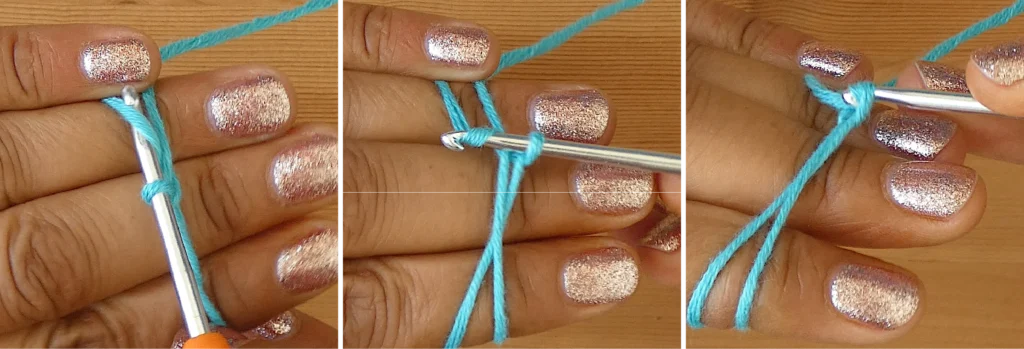
pull it through the loop on the hook. This is the part I find a bit tricky.
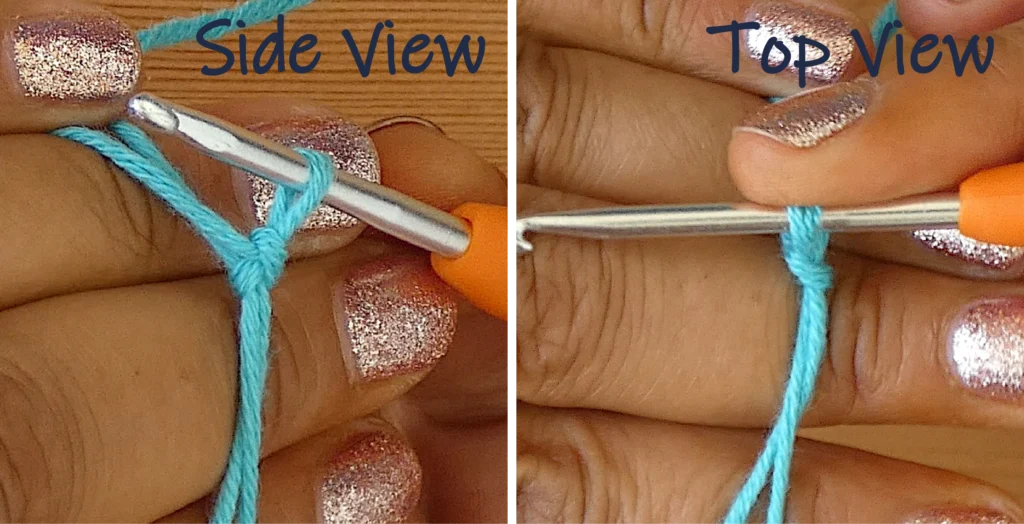
This is how the knot should look.
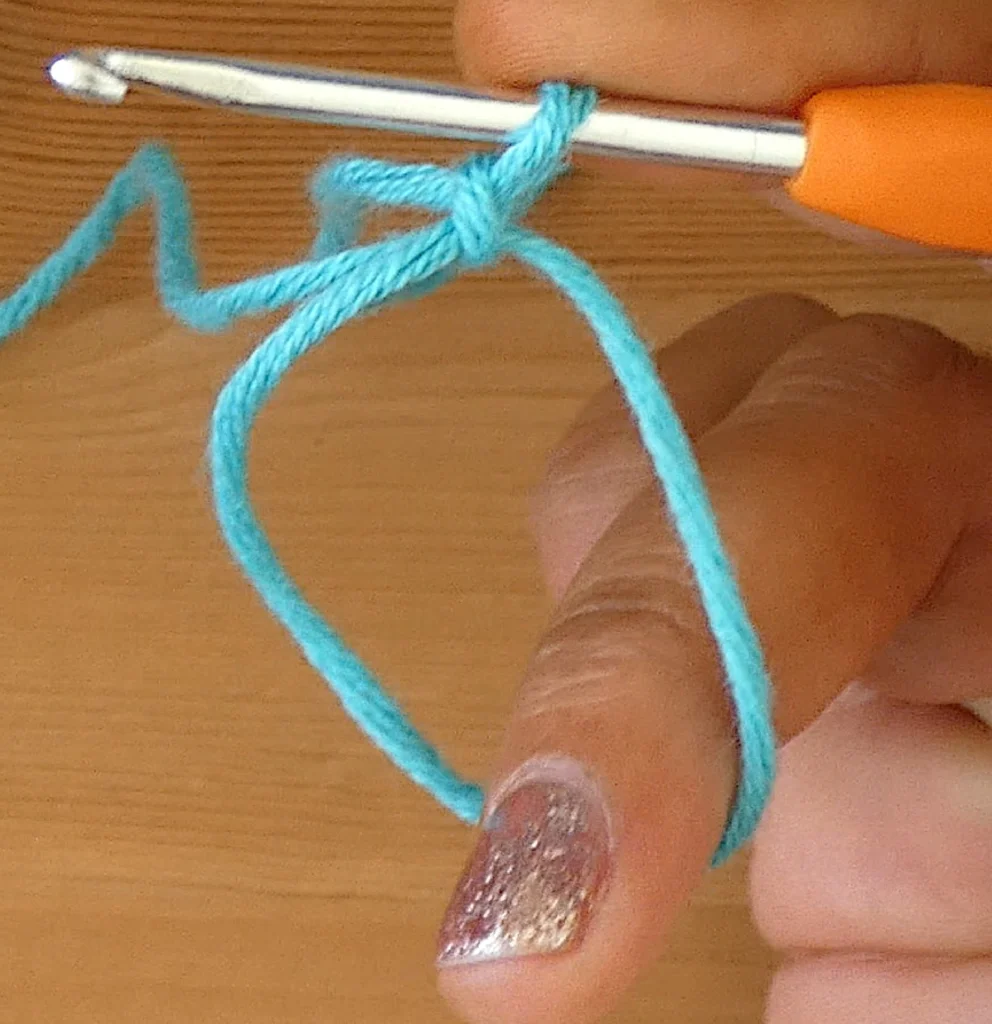
Hold the loop on the hook as you remove your fingers from the ring. take out the tail and you’re good to go.
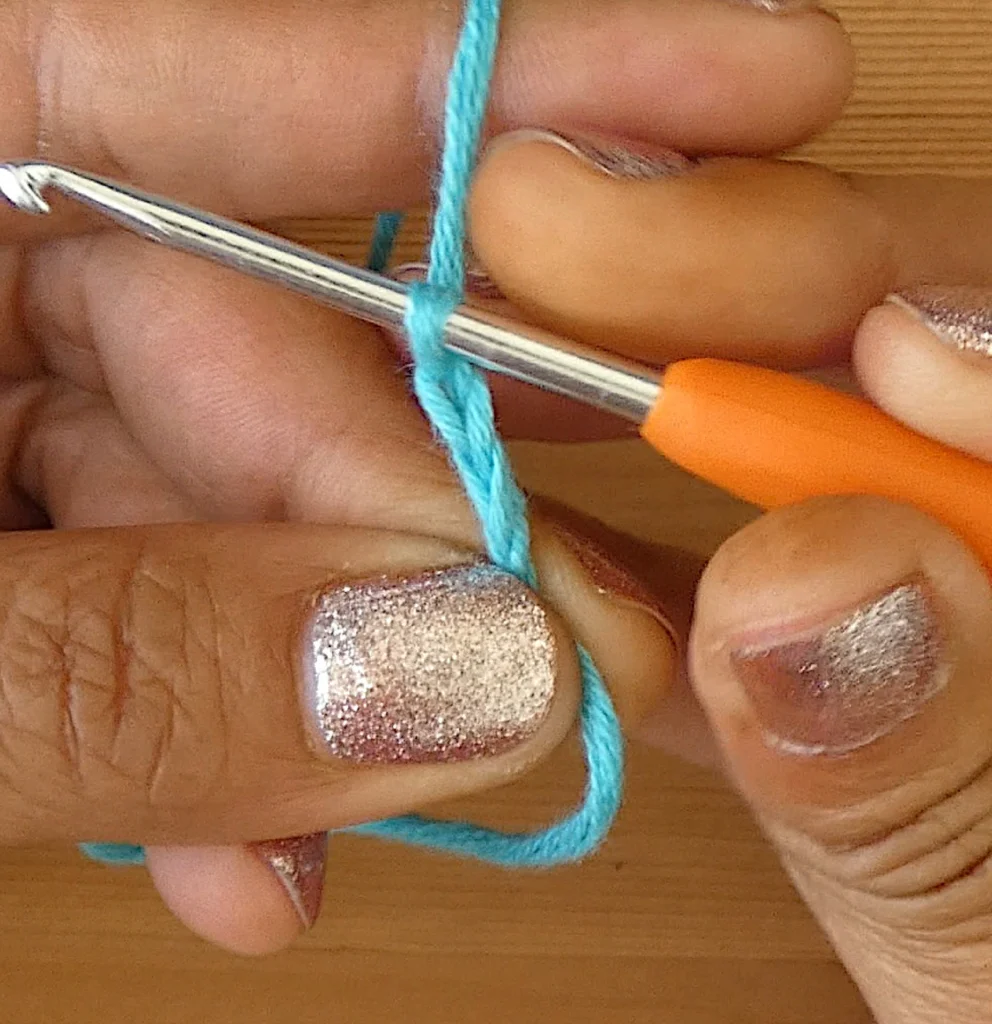
Hold firmly to the knot as you make the chain and stitches. I’ve chained two for these half trebles.
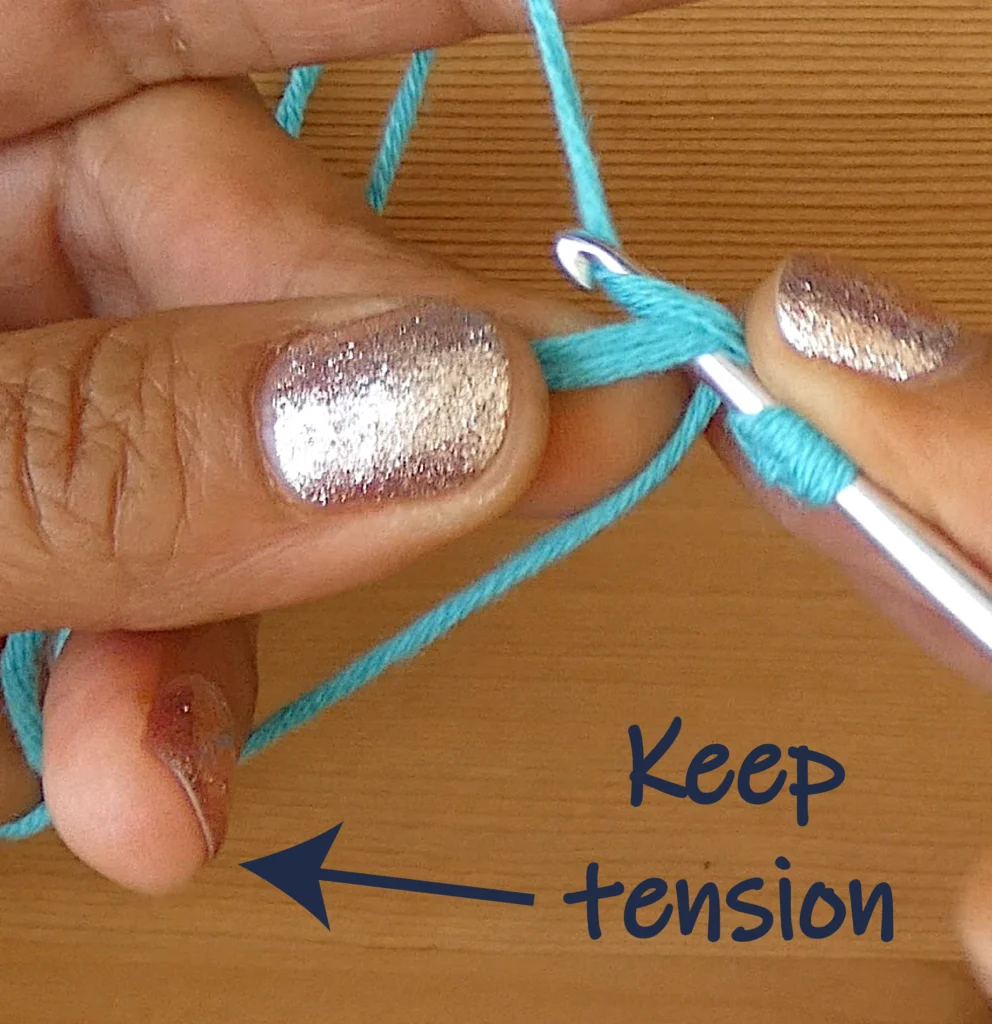
And now work into the centre of the ring and continue the same as the first method. I use a finger on my yarn hand to keep the circle taut.
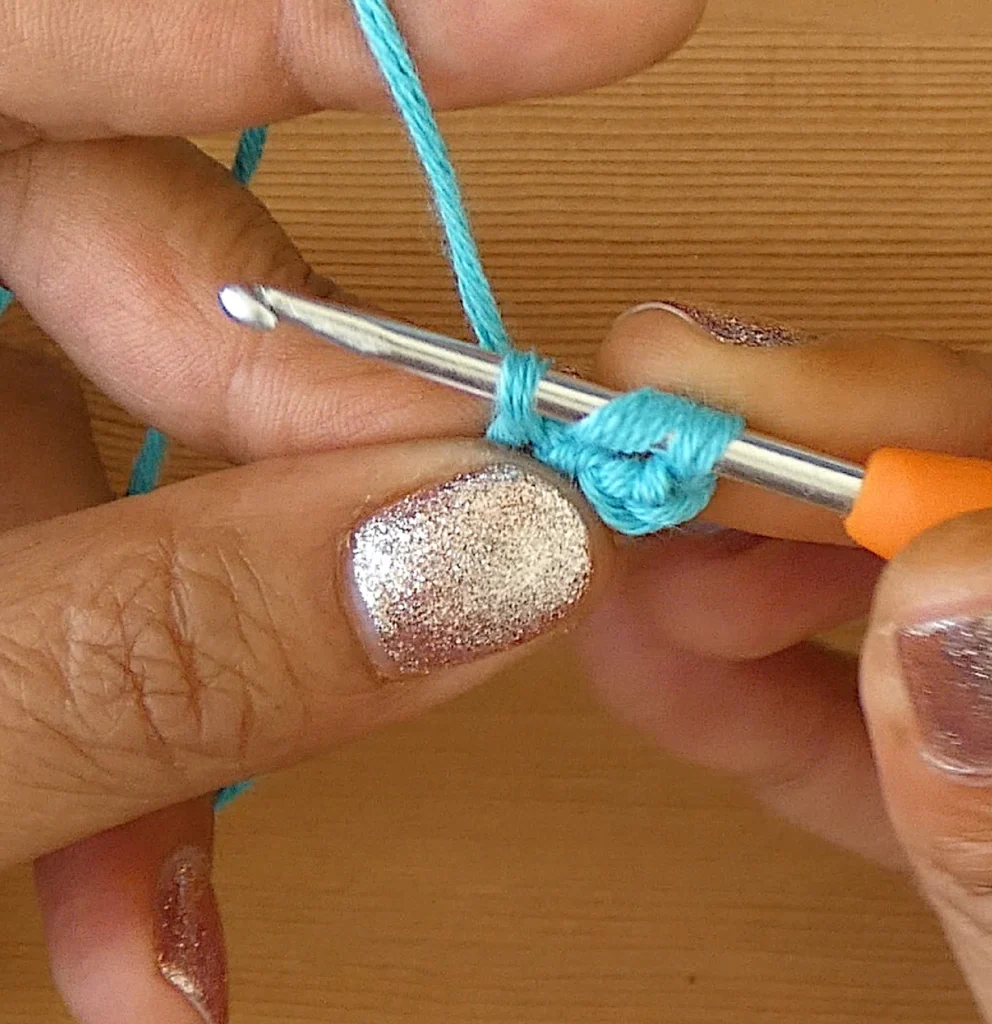
If the circle is too big, pull on the tail after a few stitches to reduce it.
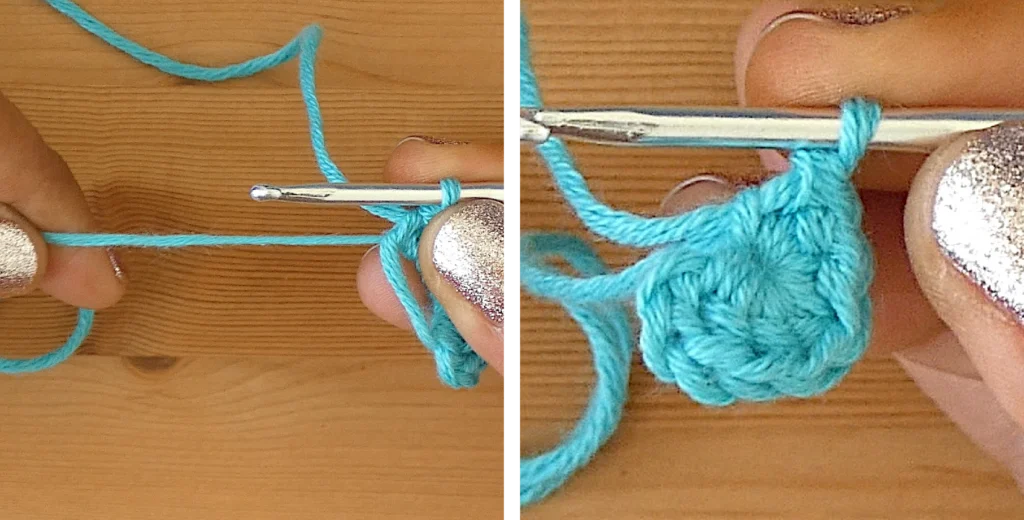
Work your stitches into the circle, then pull on the tail firmly to close the hole in the middle.
To keep the circle flat, we have to add stitches evenly throughout the round. The amount of extra stitches needed usually match the stitch count of round 1. As I’ll have 8 stitches, I’ll need 8 increases per round. This is true for continuous circles too.
This concentric circle will use Dc (Sc) stitches and have 10 rounds.
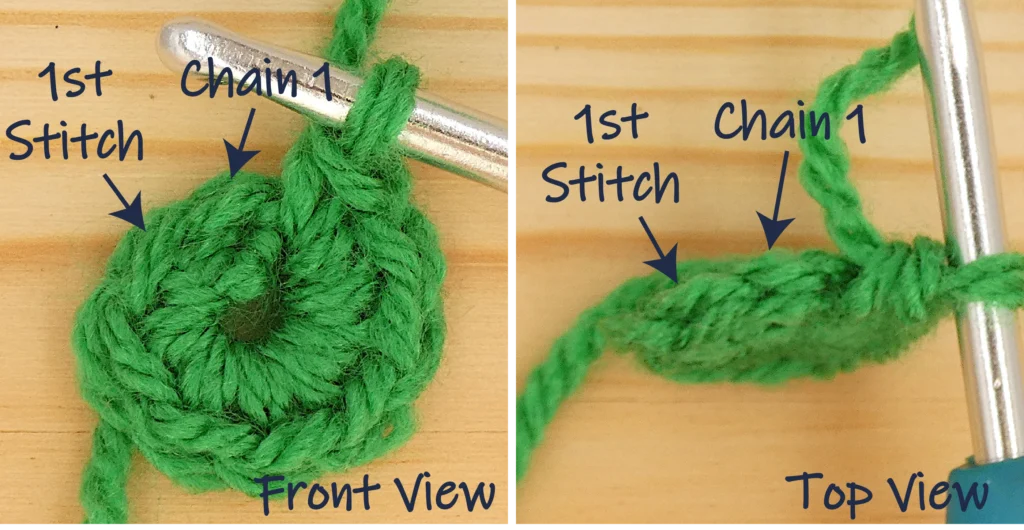
It’s important to know which loop belongs to the chain and which belongs to the stitch.
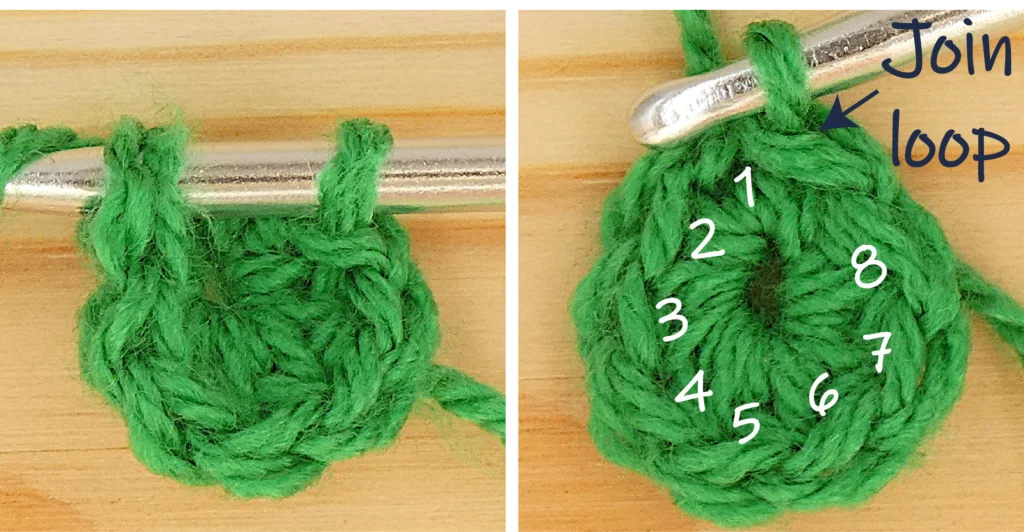
The round is closed with a slipstitch in the top of the 1st stitch. This creates a join loop, which isn’t worked in or included in the stitch count.
To add an extra 8 stitches, we need an increase in each stitch.
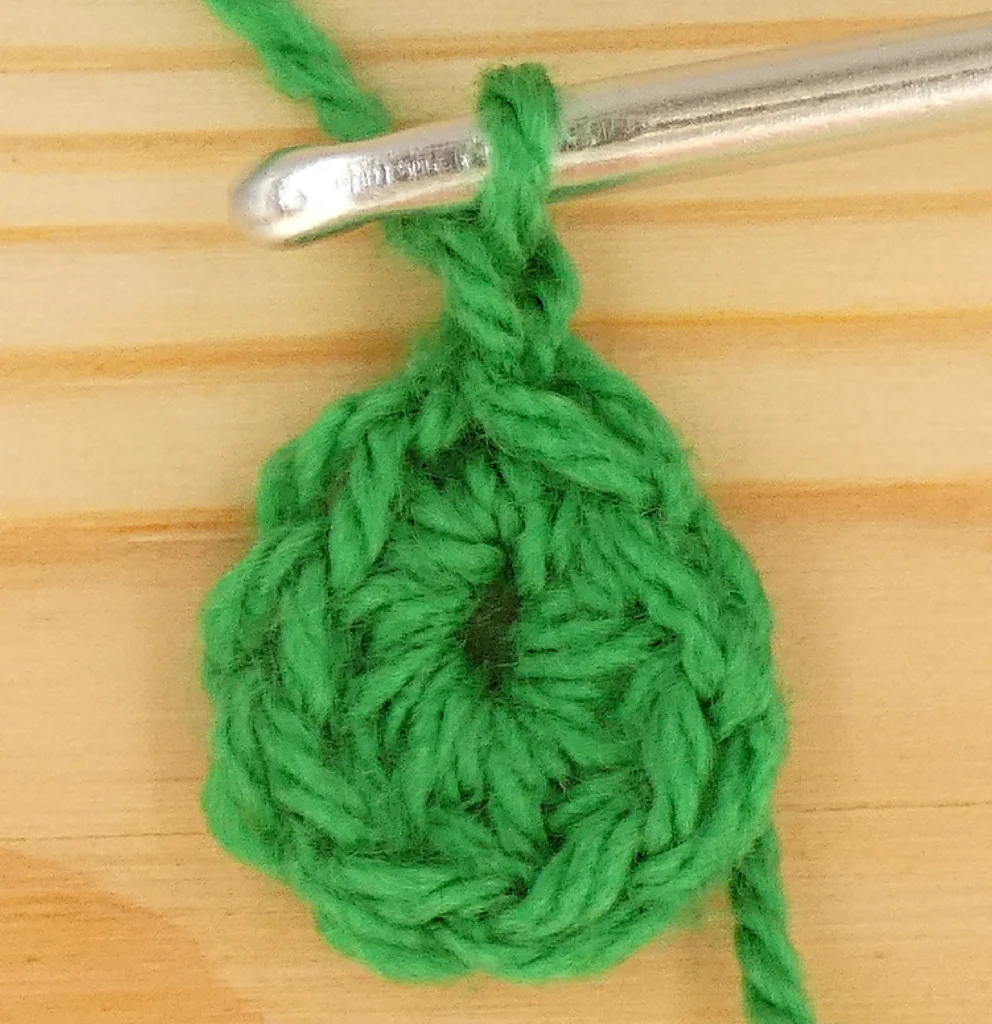
All rounds will begin with a chain 1 for a Dc (Sc) stitch.

Work an Dc (Sc) increase in each stitch.
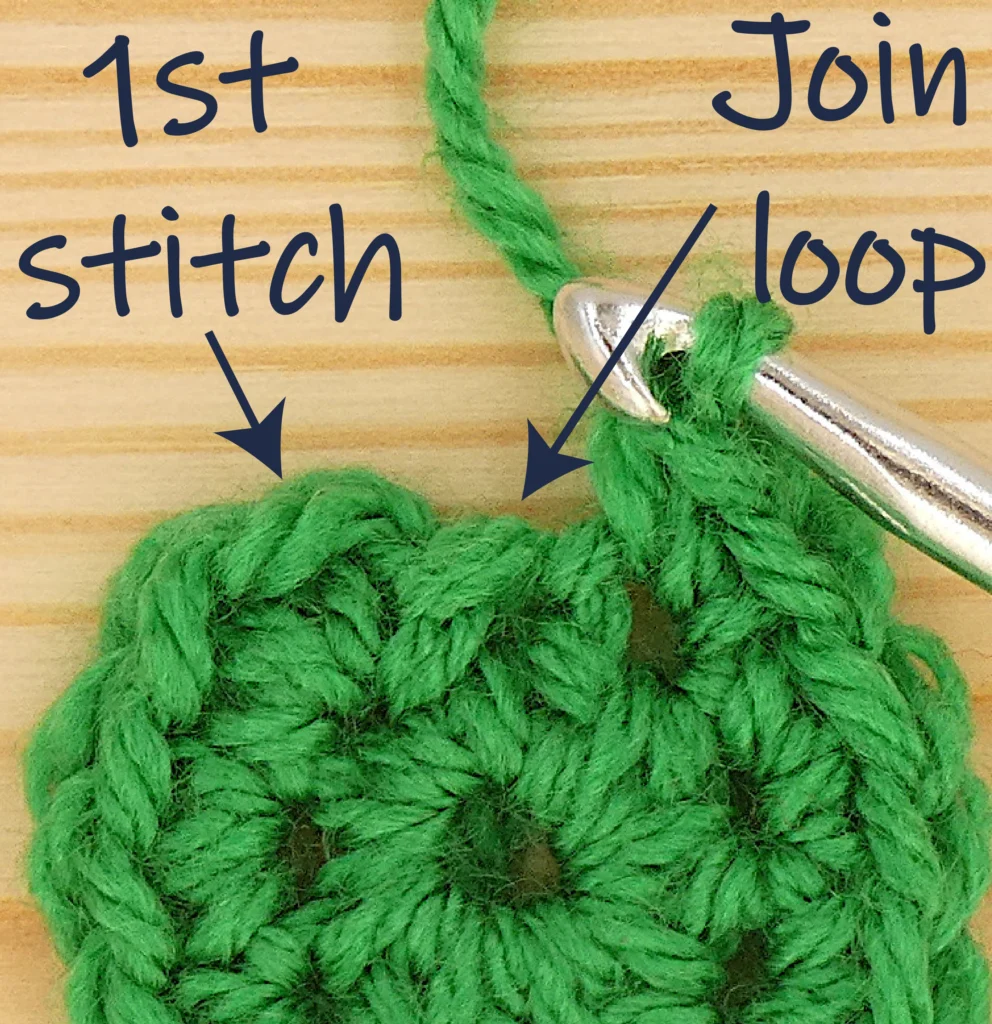
Be sure to join the round in the 1st stitch and not the join loop!

The increases have bought the stitch count up to 16.
Round 3 needs an increase every 2nd stitch.
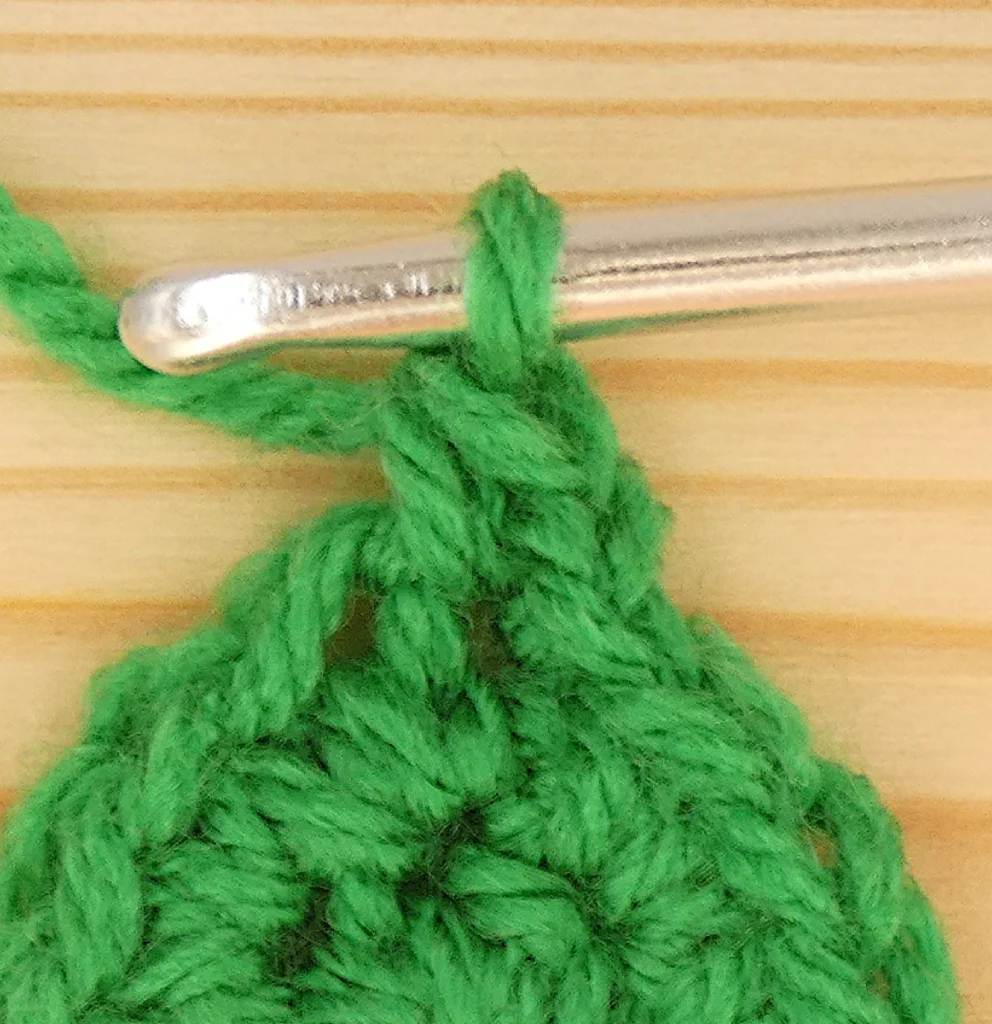
Chain 1 and work a Dc (Sc) in the 1st stitch.
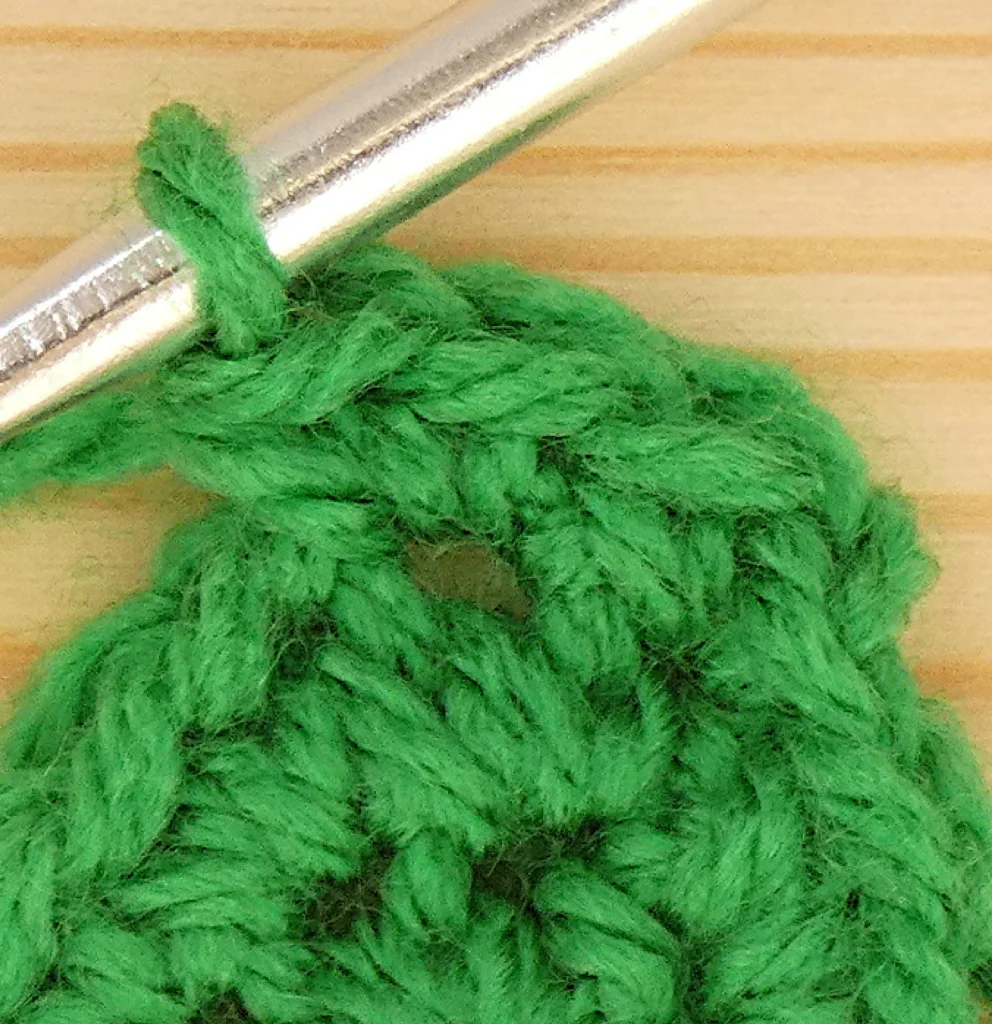
The 2nd stitch has an increase. The repeat of 1 Dc (Sc) in the next stitch and an increase in the following stitch is worked all the way around.
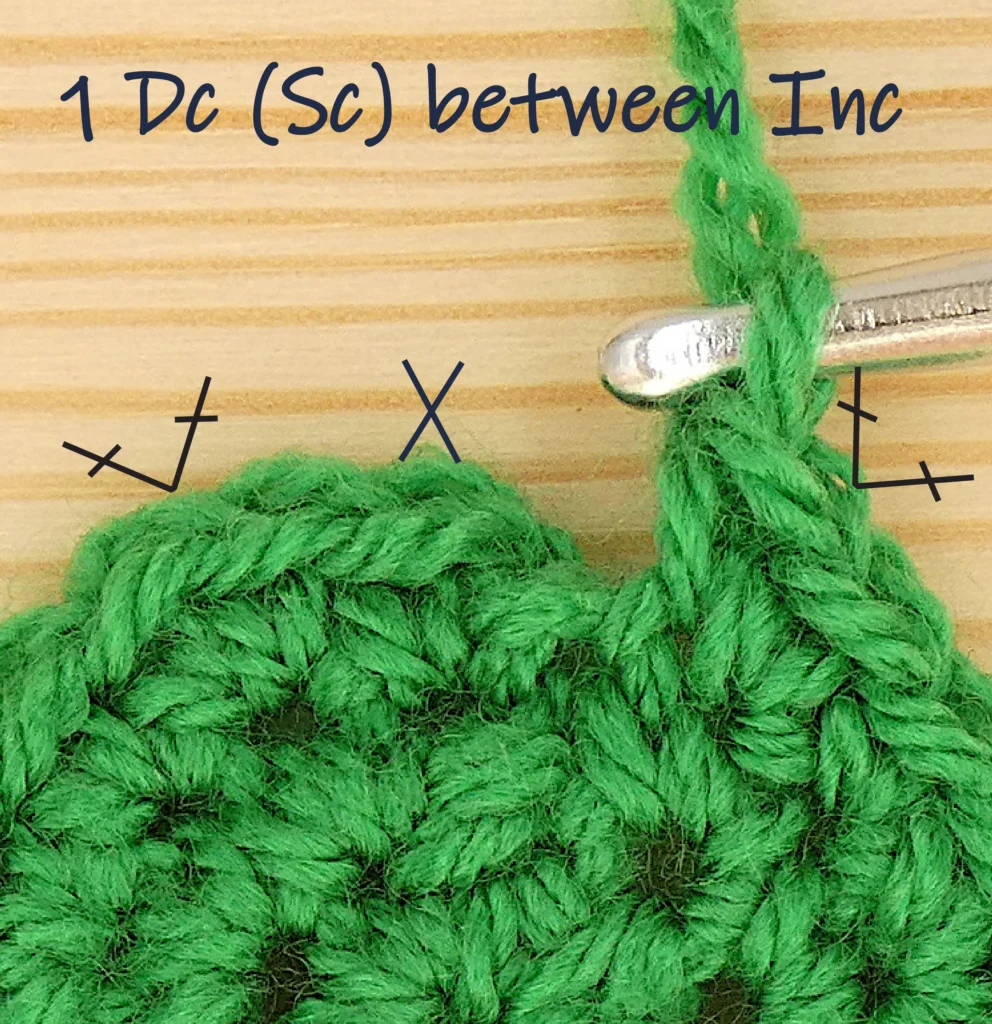
The round ends with an increase, so there’s still 1 Dc (Sc) between the increases.
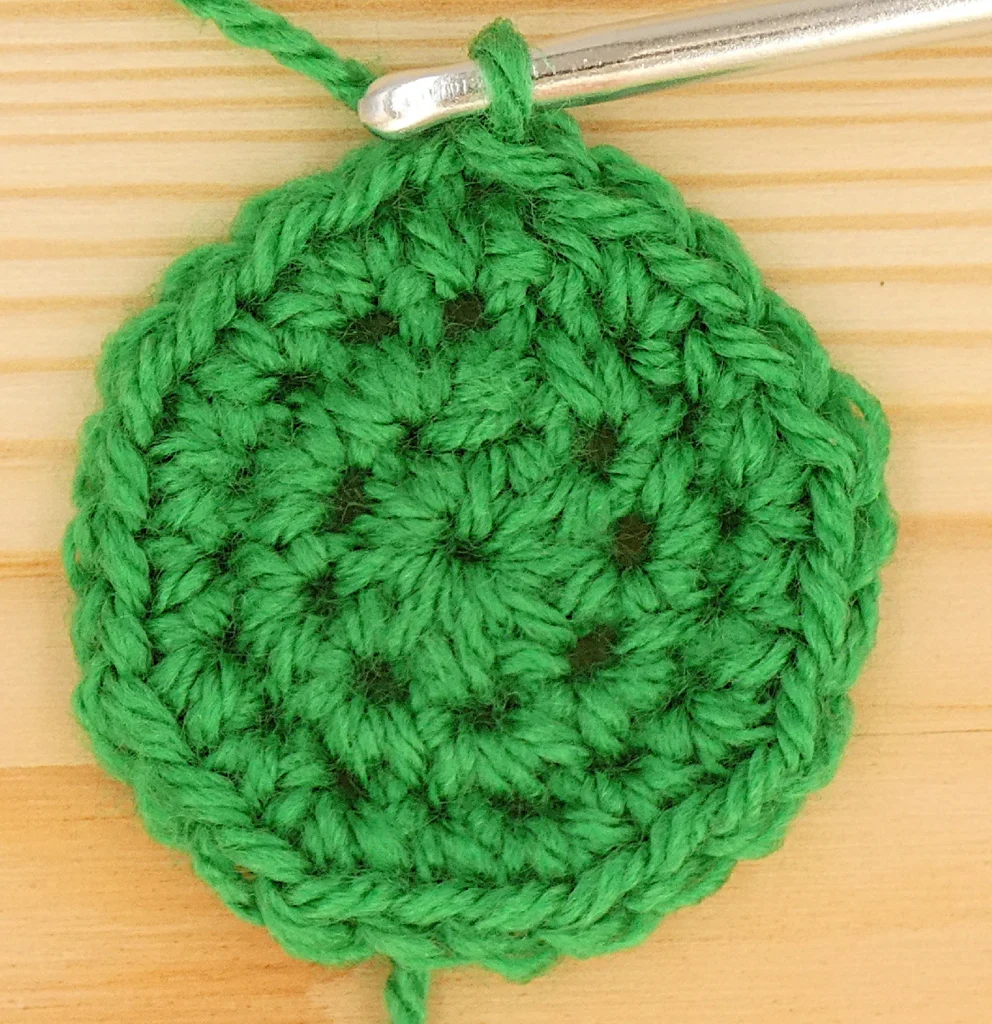
The stitch count is now 24.
Round 4 has an increase every 3rd stitch.
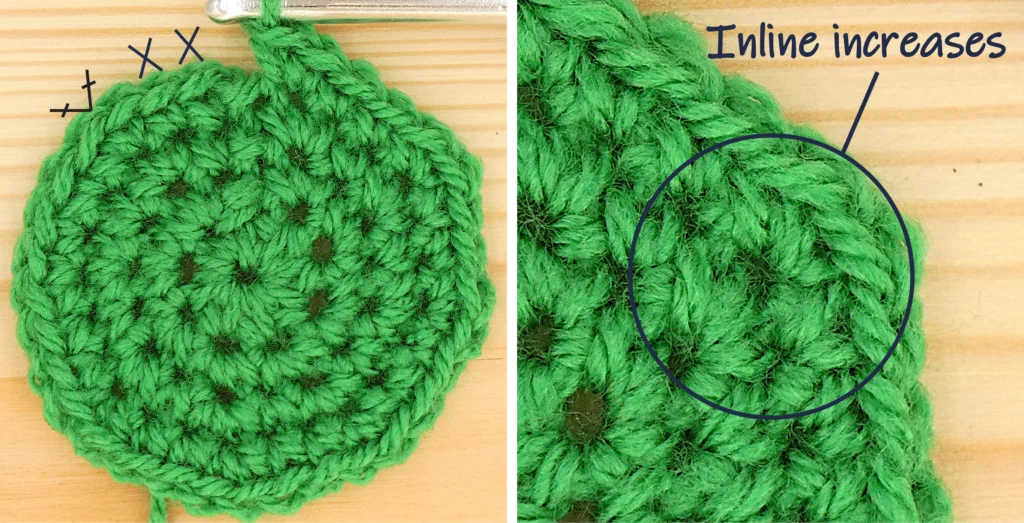
If we start round 4 with an increase on the third stitch, the circle would start to form corners. This is because our increases start to stack on top of each other.
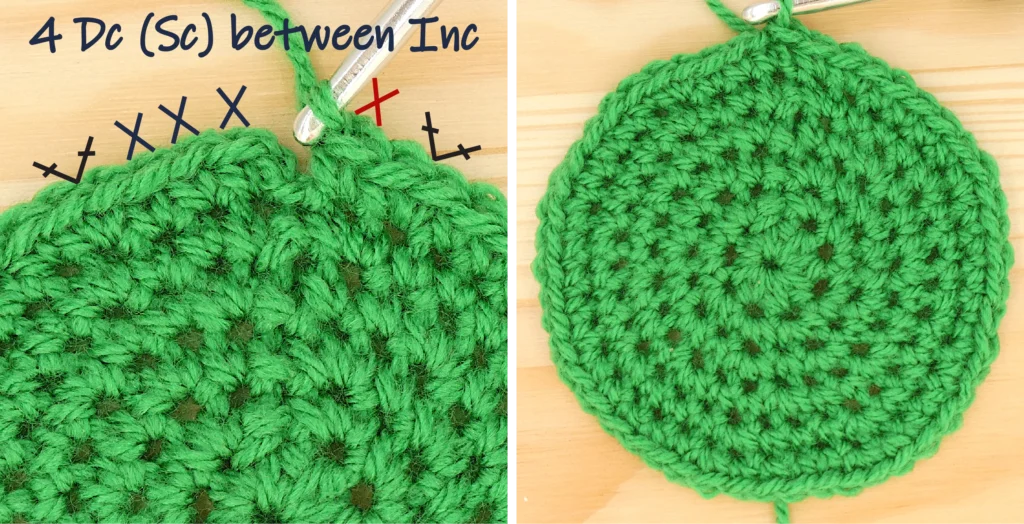
The round ends with 1 Dc (Sc) making 4 stitches between the first and last increases.
For all rounds, the last stitch of the repeat, should be the last stitch of the round. If this isn’t the case, then a mistake has been made somewhere. Check your increases have the required amount of single stitches between them, and frog back to the mistake.
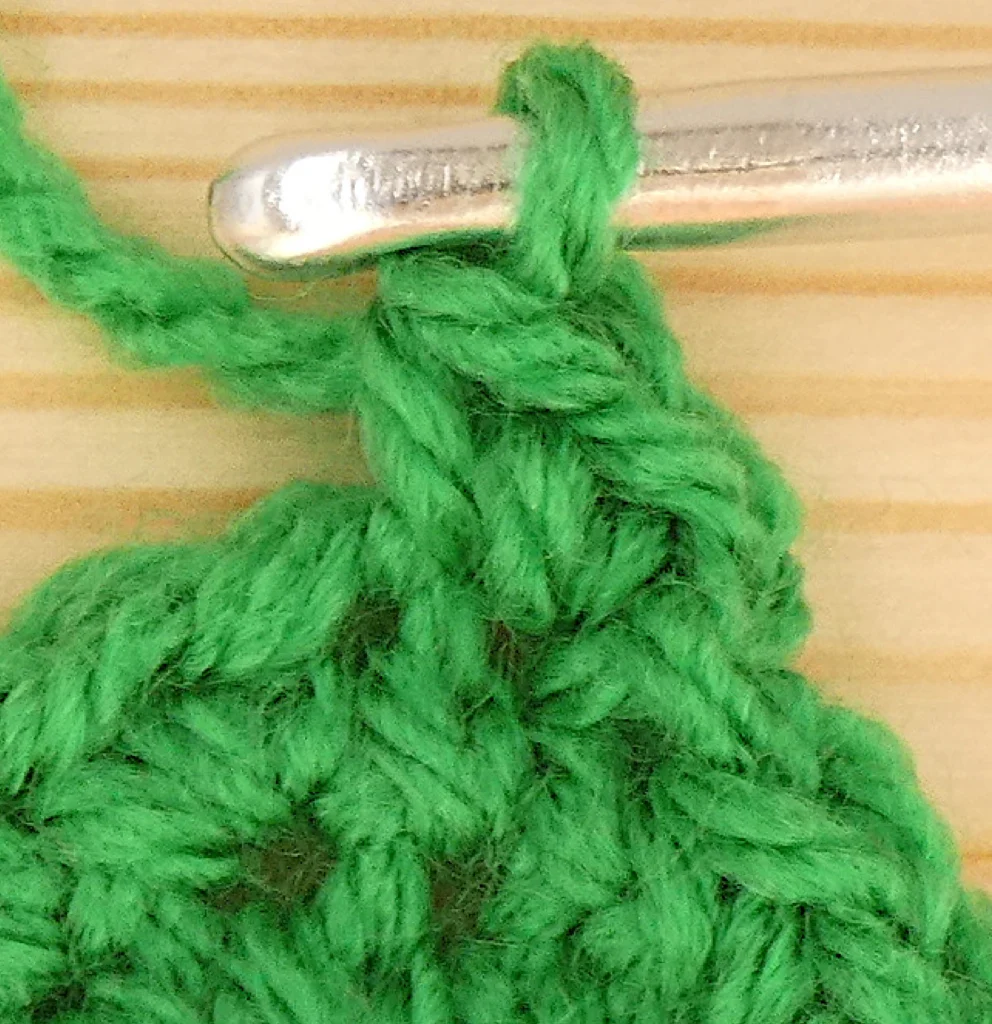
Chain 1 and work a Dc (Sc) increase in the 1st stitch.

Work 1 Dc (Sc) in each of the next 2 stitches. Repeat working an increase followed by 2 Dc (Sc) around the circle.
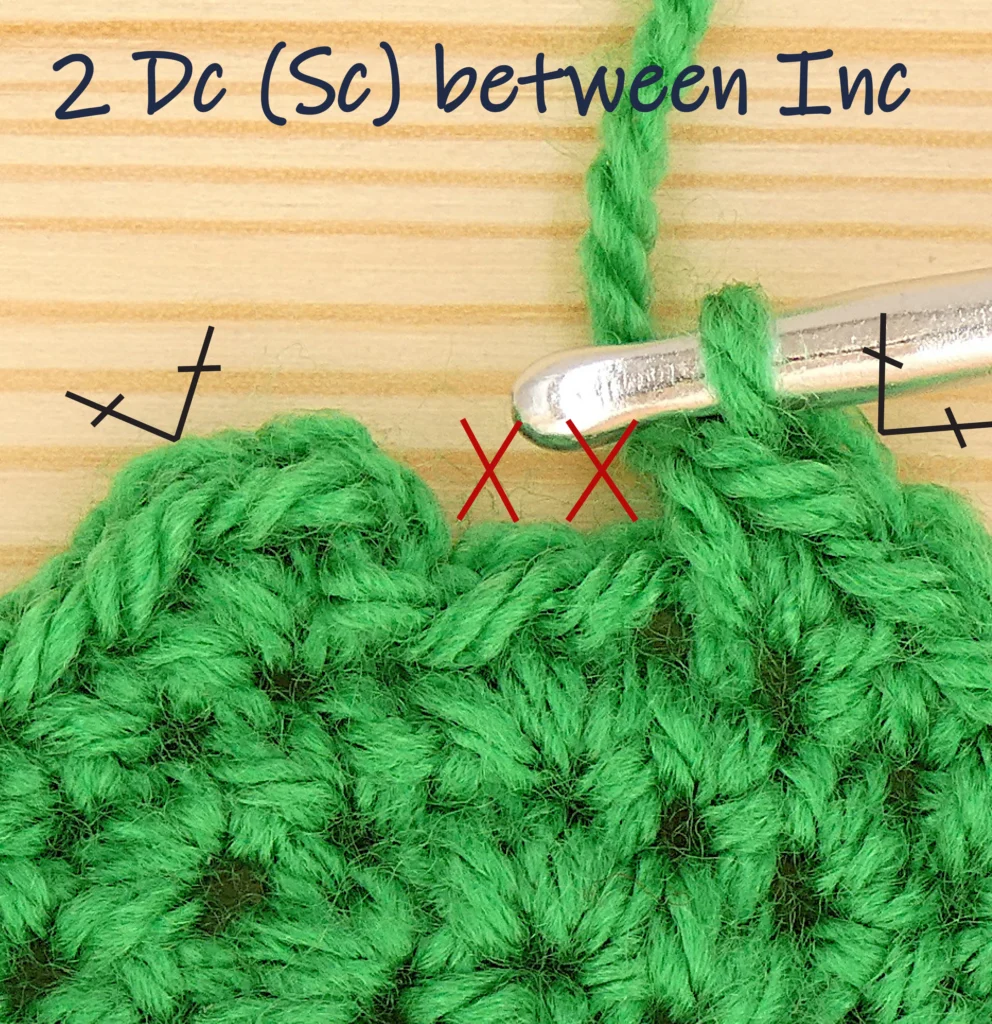
The round ends with a Dc (Sc) in the remaining 2 stitches, to maintain 2 Dc (Sc) between the increases.
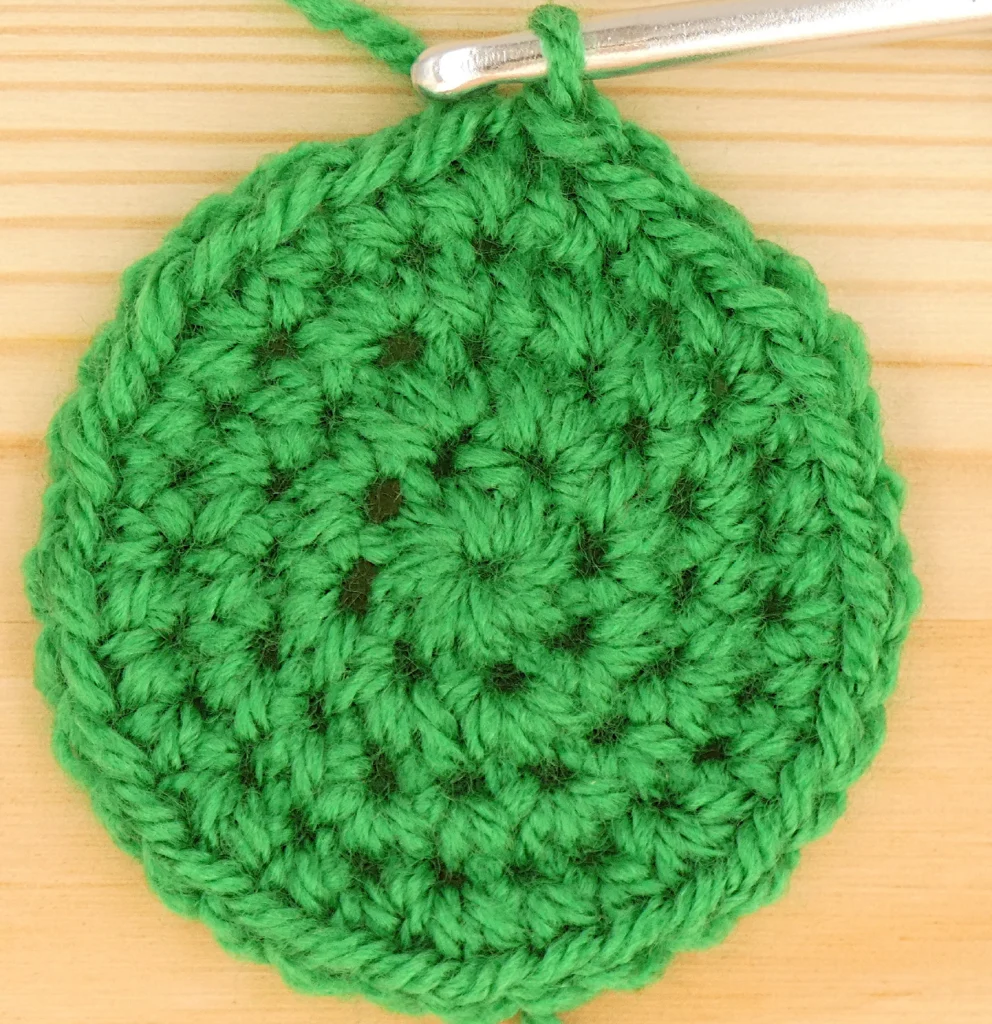
The circle is nice and round! The stitch count is 32.
Next we increase every 4th stitch.
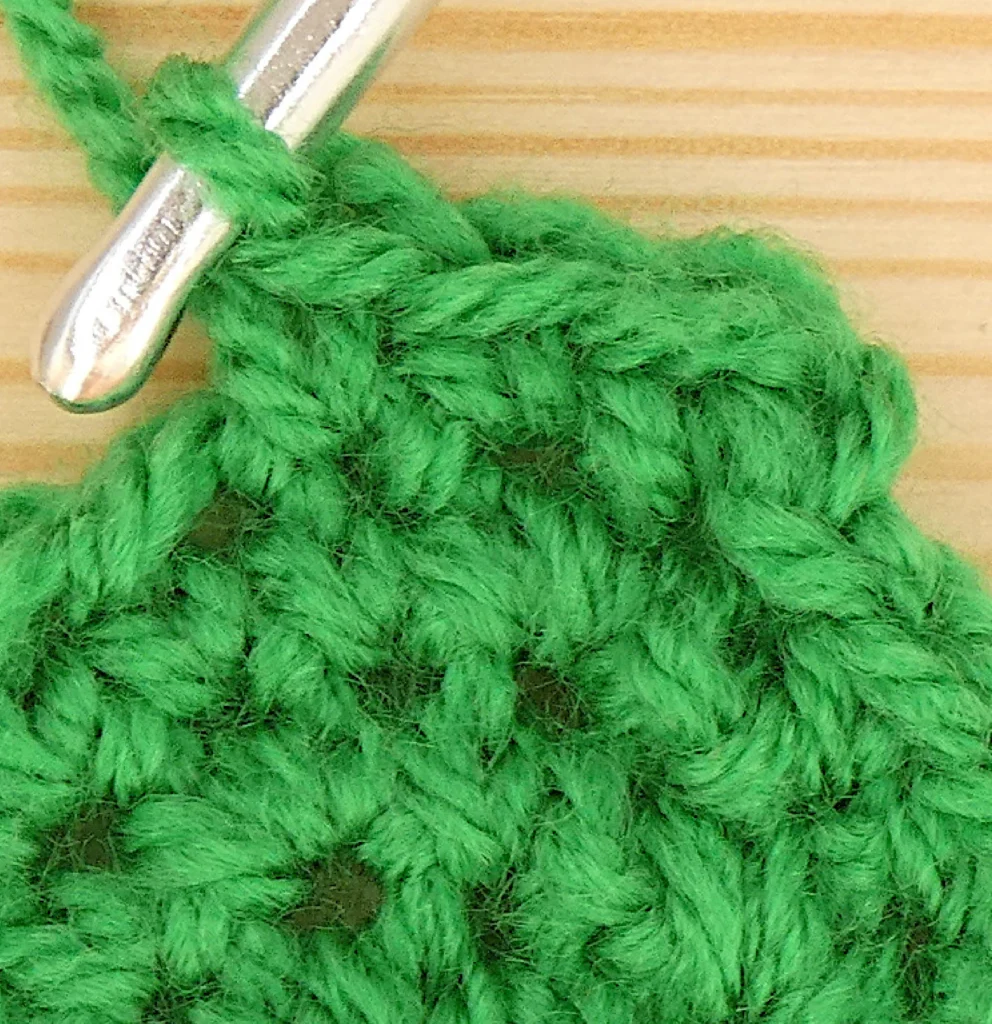
Chain 1 and work 3 Dc (Sc).
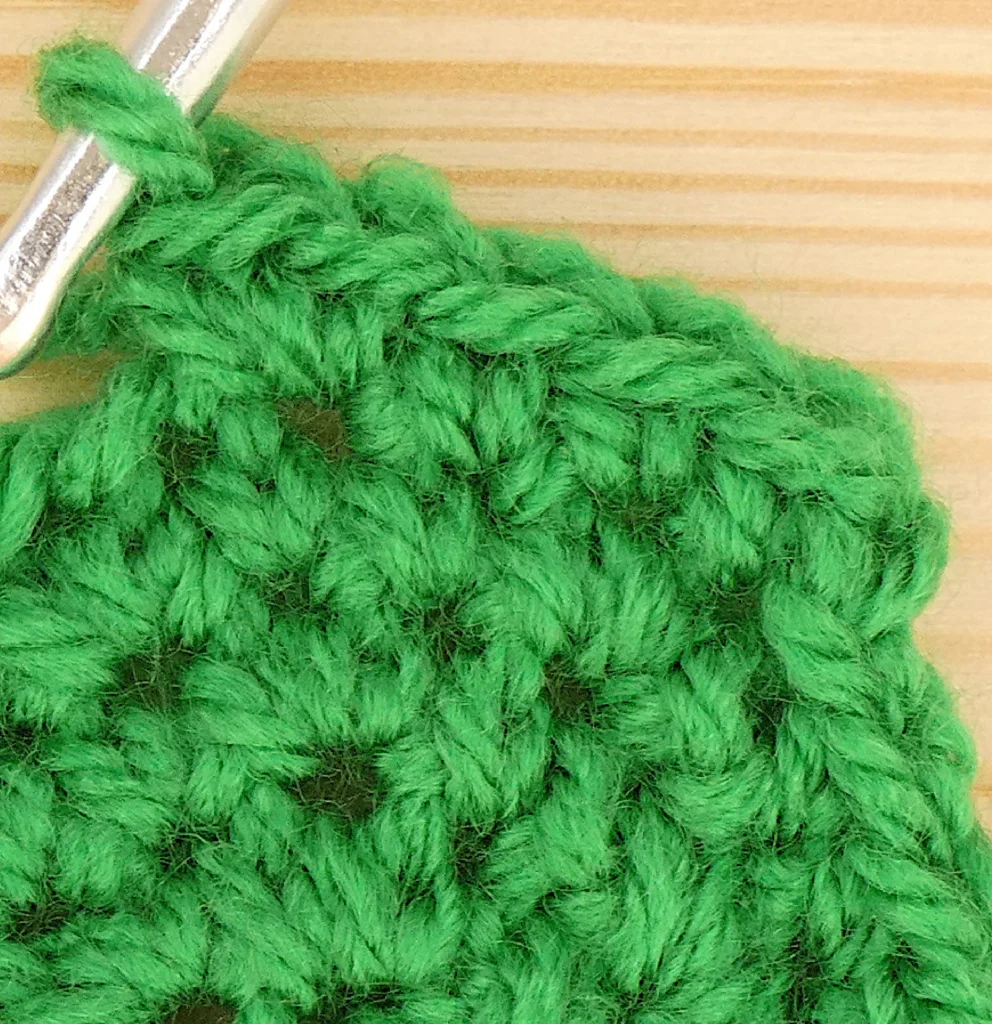
Work an increase in the 4th stitch. Continue crocheting with the repeat of 3 Dc (Sc), followed by an increase.
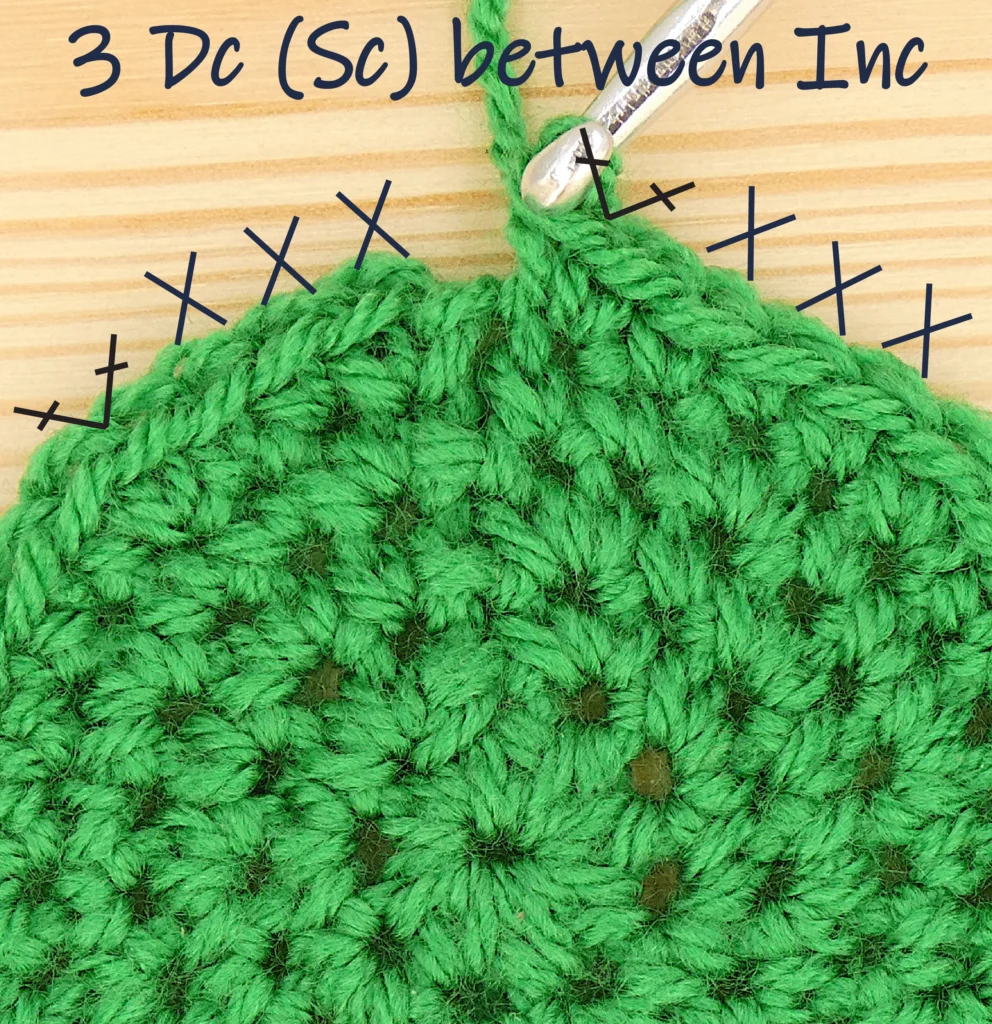
The round ends with an increase, so there’s 3 Dc (Sc) between the first and last increases.
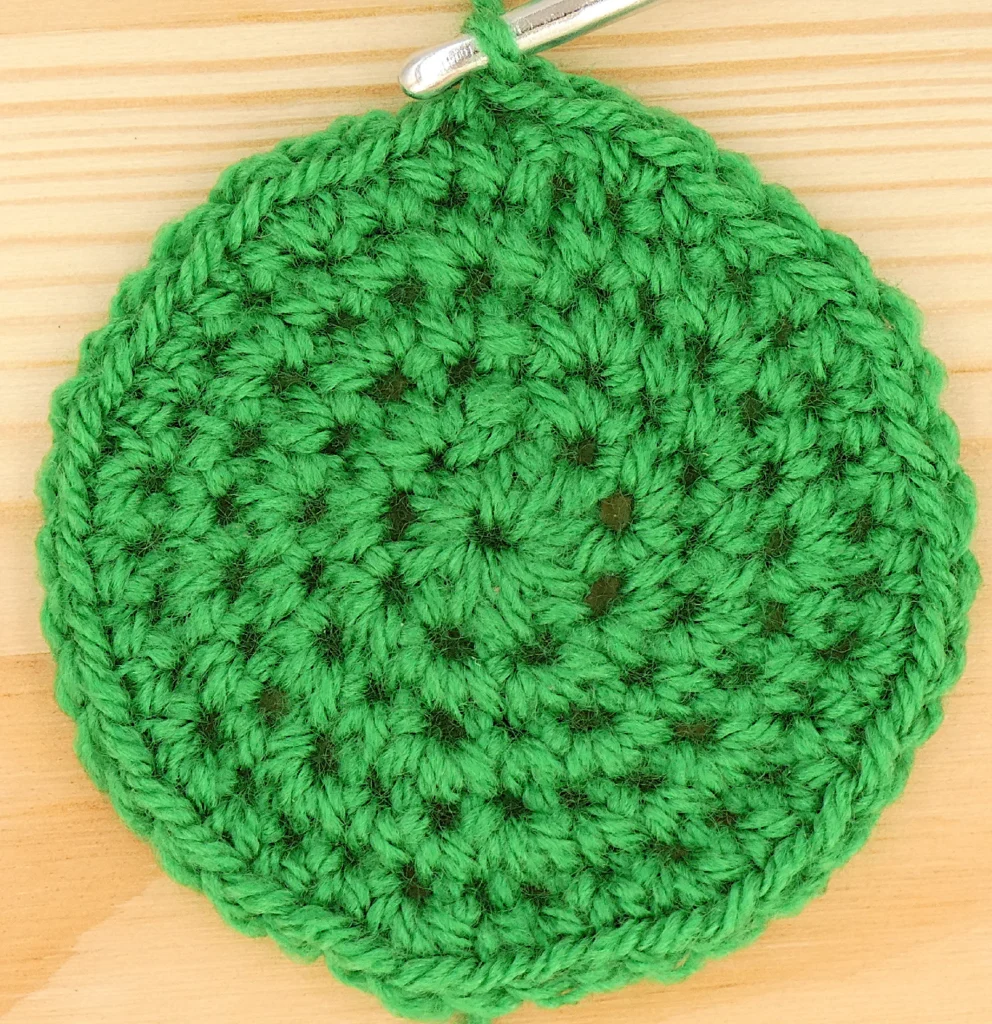
The stitch count has gone up to 40.
Round 6 is increased on the 5th stitch. Increases are staggered by crocheting single Dc’s (Sc’s), an increase, then more single Dc’s (Sc’s). The stitch count will be 48.
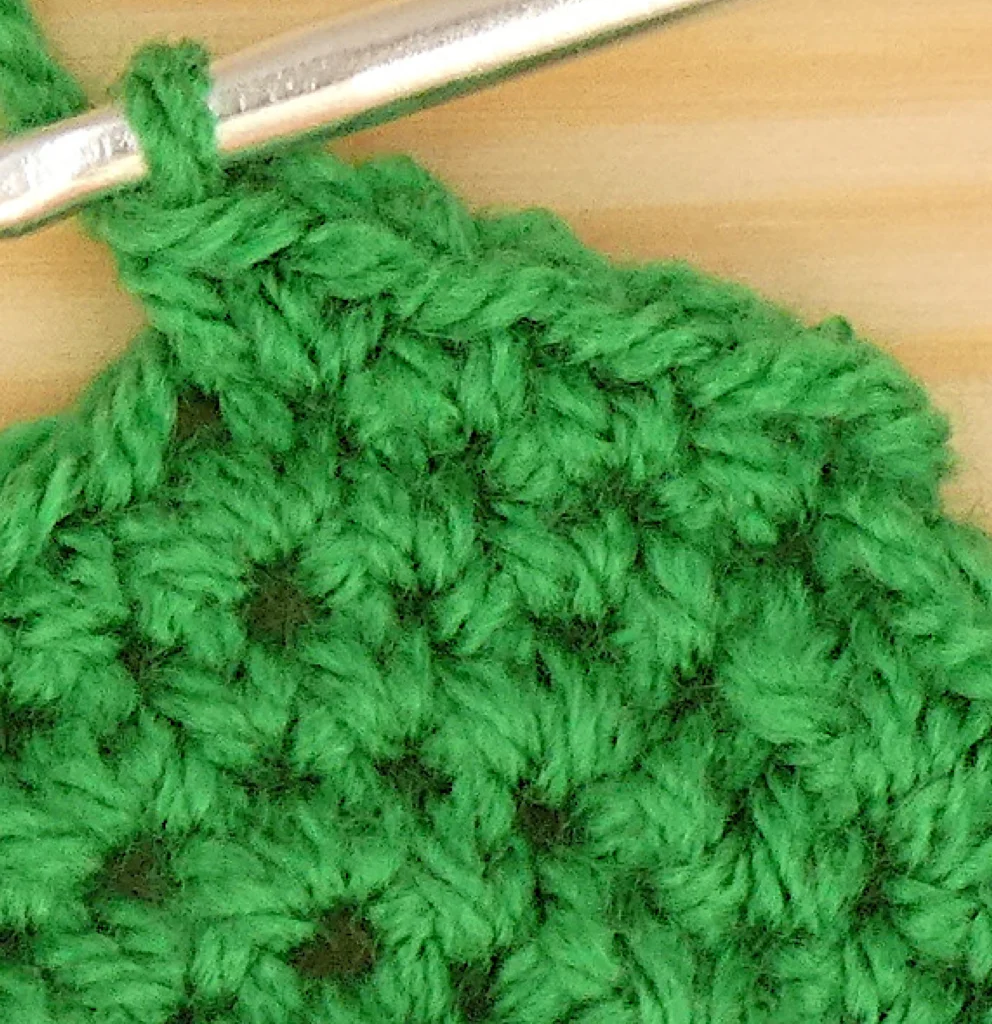
Chain 1 and work 3 Dc (Sc), followed by an increase.
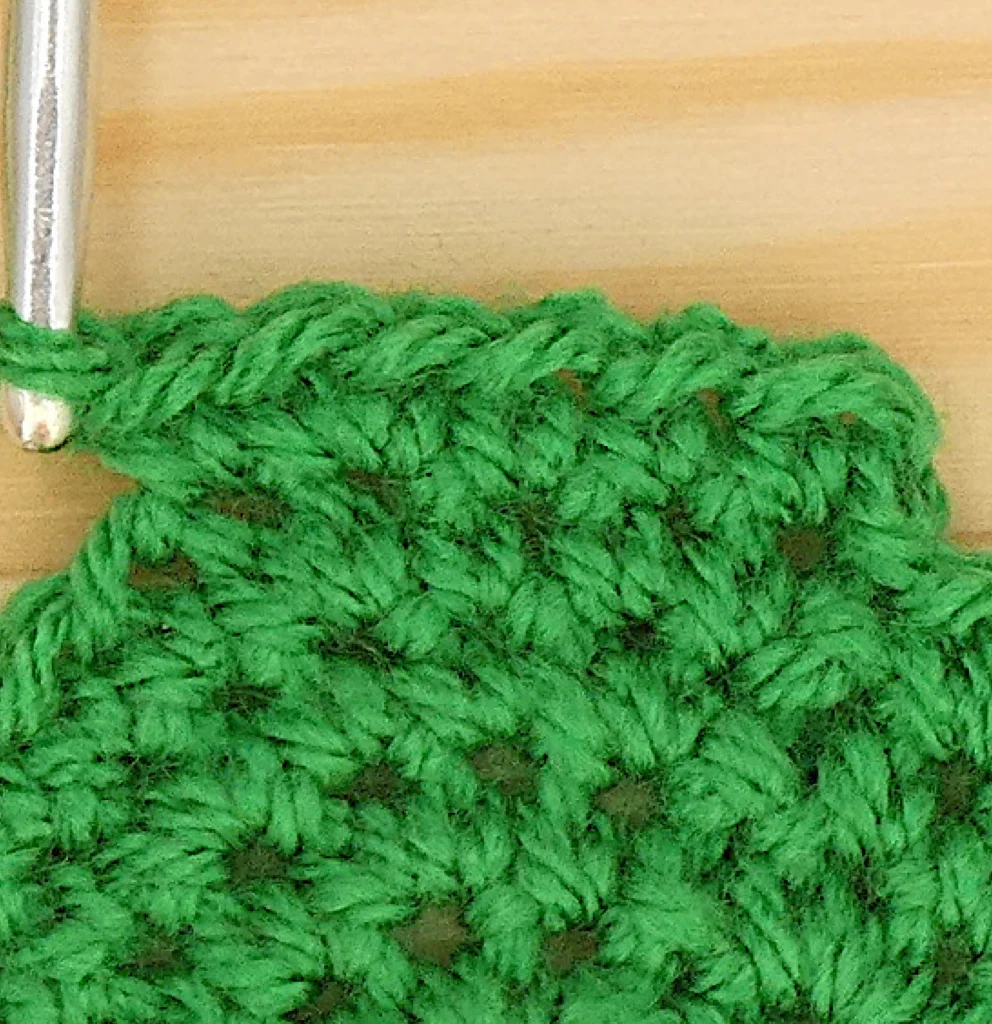
Work 1 more Dc (Sc). So the repeat for this round is 3 Dc (Sc), an Increase, 1 Dc (Sc).
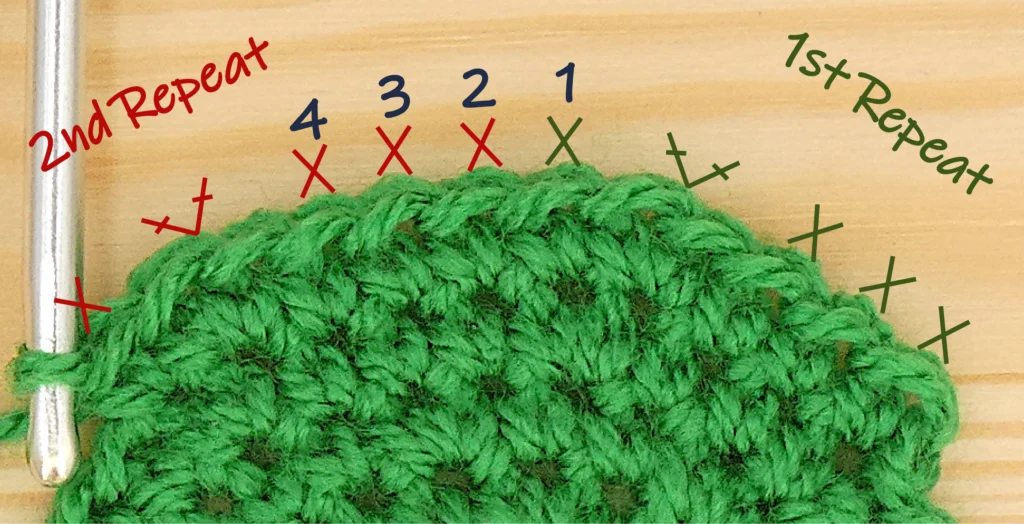
The 1 Dc (Sc) will be followed by 3 Dc (Sc). This puts 4 stitches between the increases, and adds the extra Dc (Sc) on the 5th stitch.
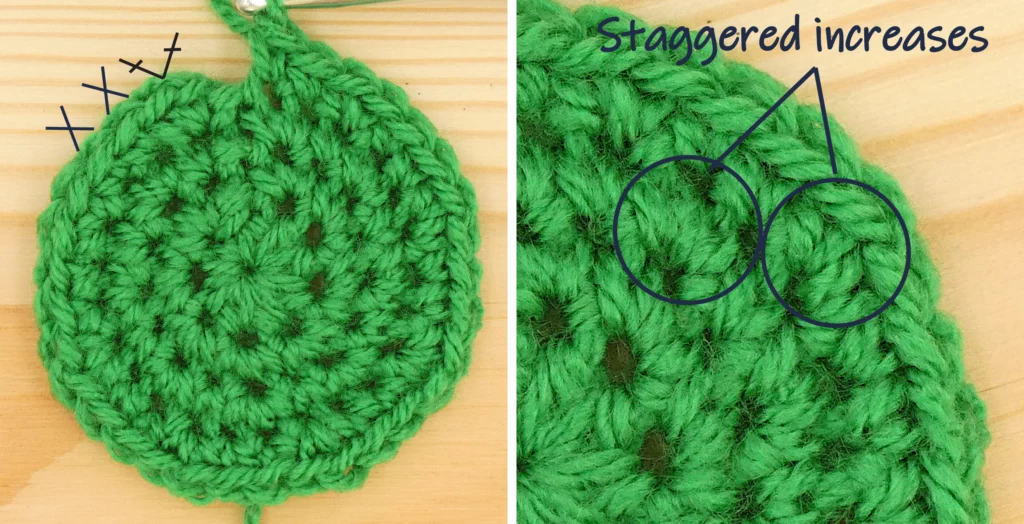
To have a perfect crochet circle the increases are staggered slightly to offset them.
The increase is every 6th stitch, so there should be 5 single stitches between increases.

Chain 1 and work an increase followed by 5 Dc (Sc).

The stitch count is 56.
This round has an increase every 7th stitch. Like round 6, the single stitches are split by the increase.
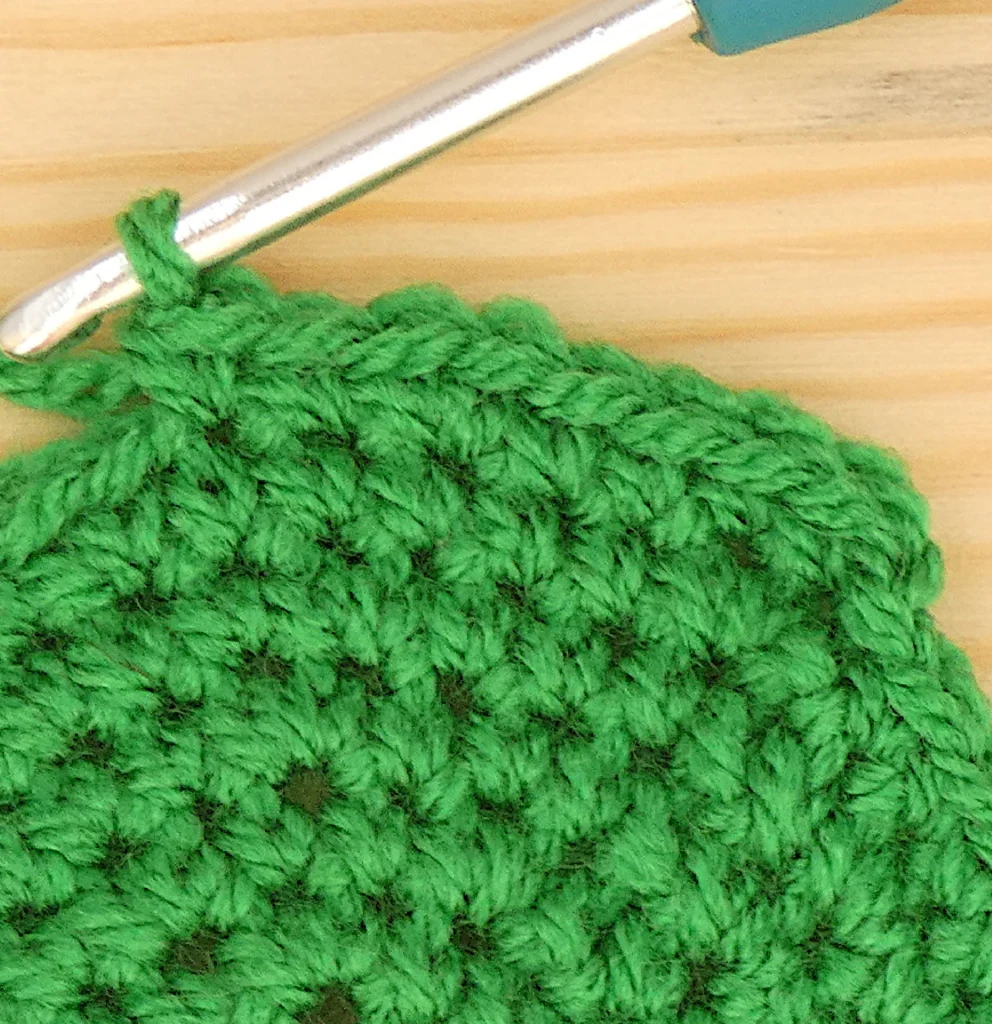
Chain 1 and work 4 Dc (Sc), an increase and 2 Dc (Sc).

The stitch count is 64.
The increase is every 8th stitch, which puts 7 single stitches between increases.

Chain 1 and work an increase followed by 7 Dc (Sc).
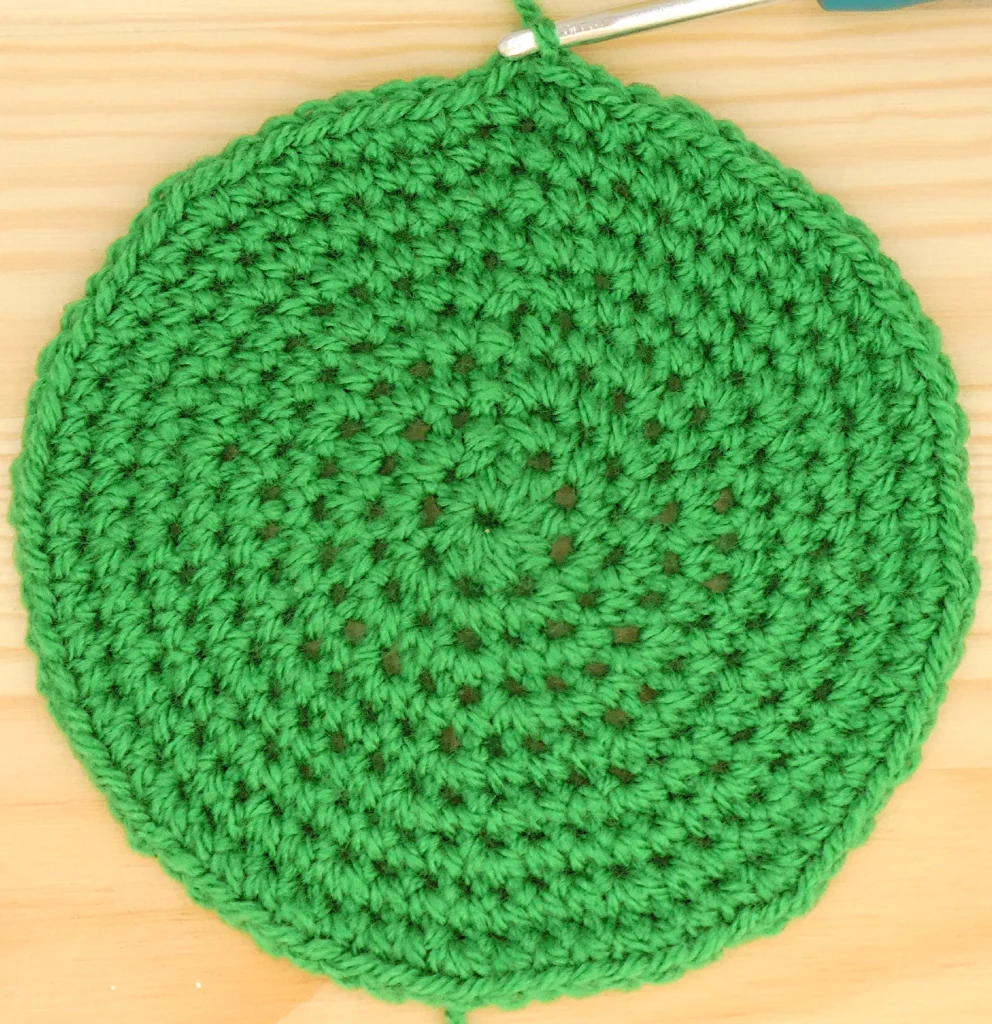
The stitch count is 72.
Work an increase every 9th stitch. Again, the single stitches are split by the increase.
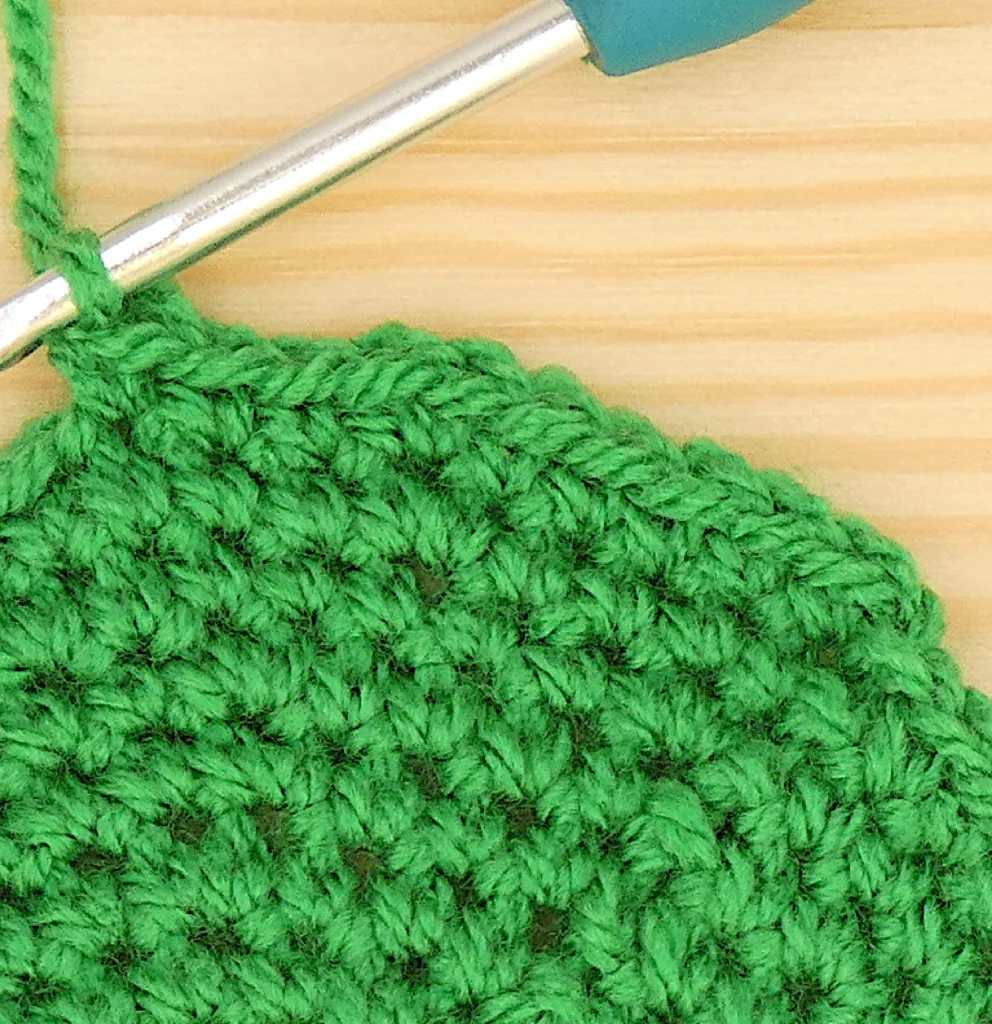
Chain 1 and work 5 Dc (Sc), an increase, followed by 3 Dc (Sc).
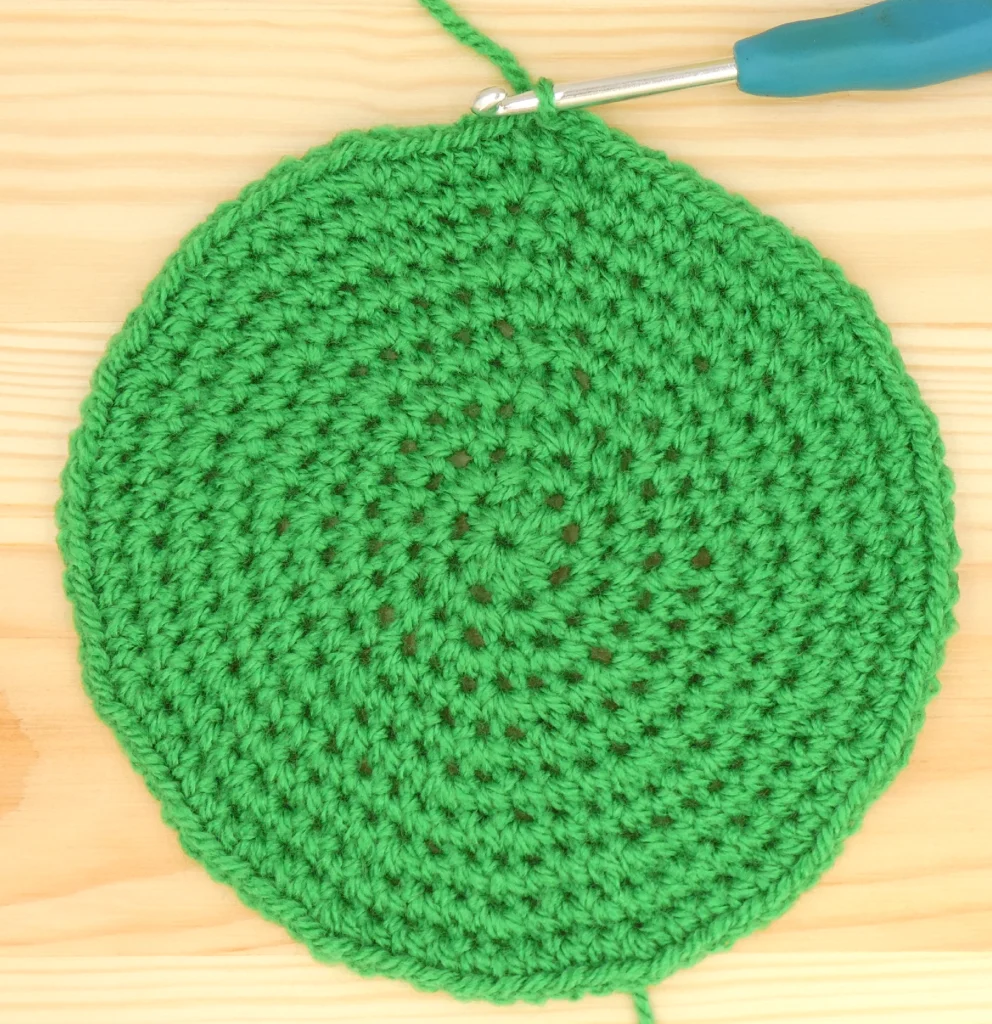
The stitch count is 80.
The increase is every 8th stitch, which puts 7 single stitches between increases.
Chain 1 and work an increase followed by 7 Dc (Sc).
The stitch count is 72.
Work an increase every 9th stitch. Again, the single stitches are split by the increase.
Chain 1 and work 5 Dc (Sc), an increase, followed by 3 Dc (Sc).
The stitch count is 80.
I’d like you to get a full handle on how increases work, before explaining crochet circles made using half treble (half double) and treble (double) stitches. This swatch is a repeat of what you just learned and will show you how the increases look in patterns.
I’ll show you 4 rounds, then leave you to finish the remaining 6 rounds.
You can download the patterns here.
The video tutorial covers the pattern at around 12 minutes.
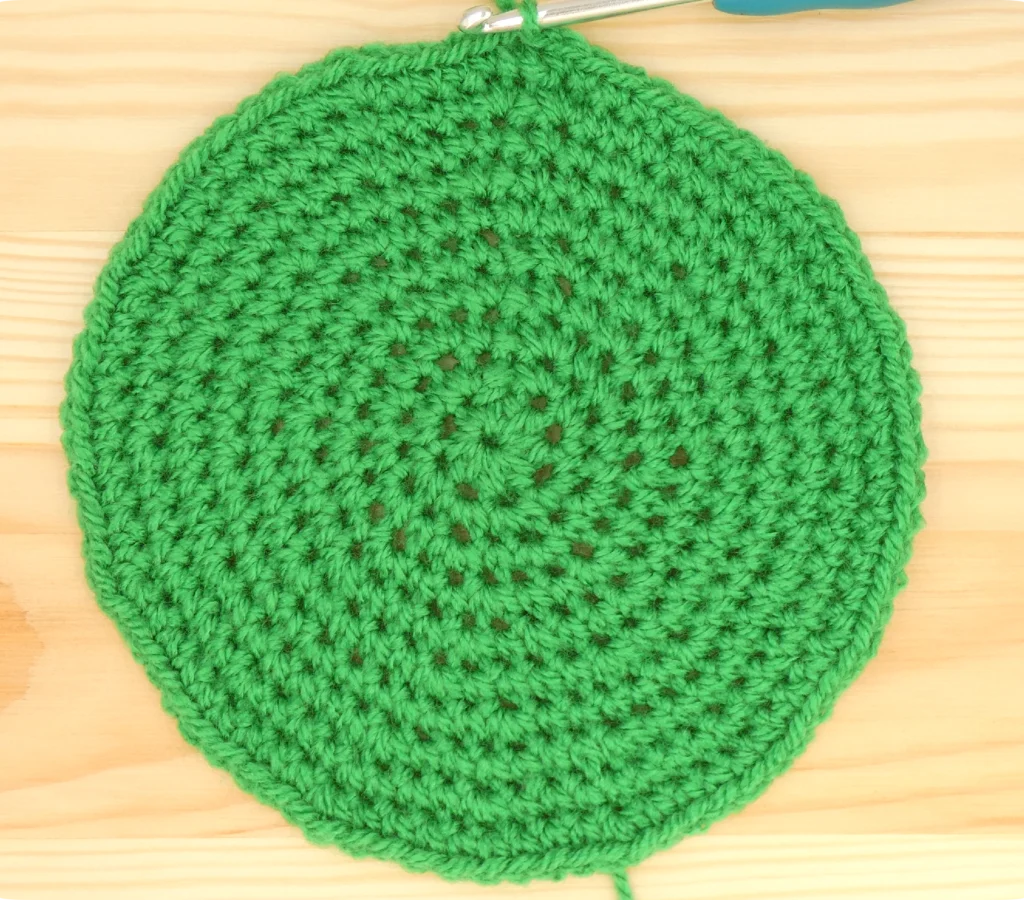





These are the chart symbols and abbreviations in both UK and US terminology.
This circle chart introduces a new symbol for chain ring.
I’ll be using UK terminology for this tutourial, US terminolgy will be in brackets.
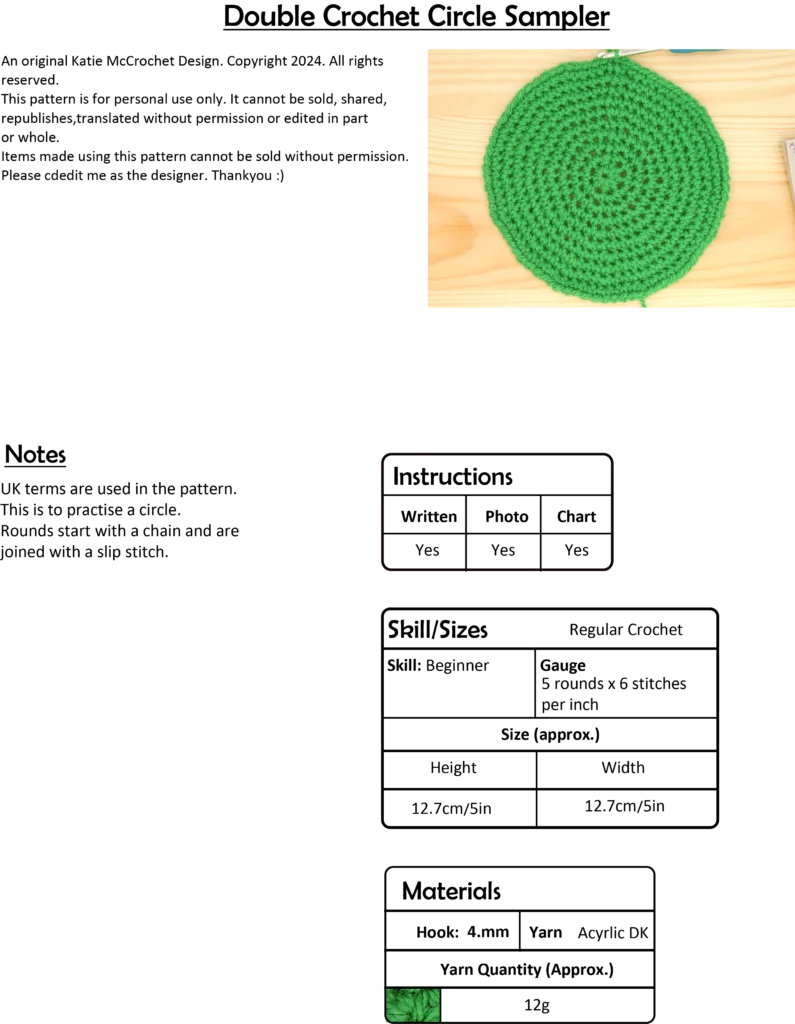
The notes state that rounds start with a chain and end with a slip stitch – this shows it’s a concentric circle
The circle measures 5 inches in height and width, with a gauge of 5 rounds and 6 stitches per inch.
We’ll need a 4mm hook and acrylic yarn.
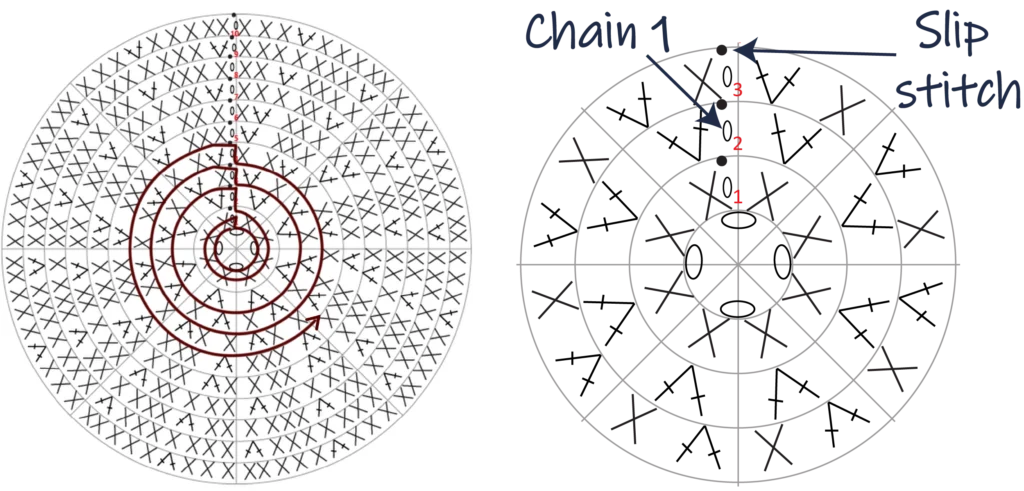
A chart for a circle will obviously be round. The starting point is the four chain ring in the centre. We then read around the circle anti-clockwise, moving outwards as we complete each round.
The chain one is where the round starts and the slip stitch shows where to join the round.
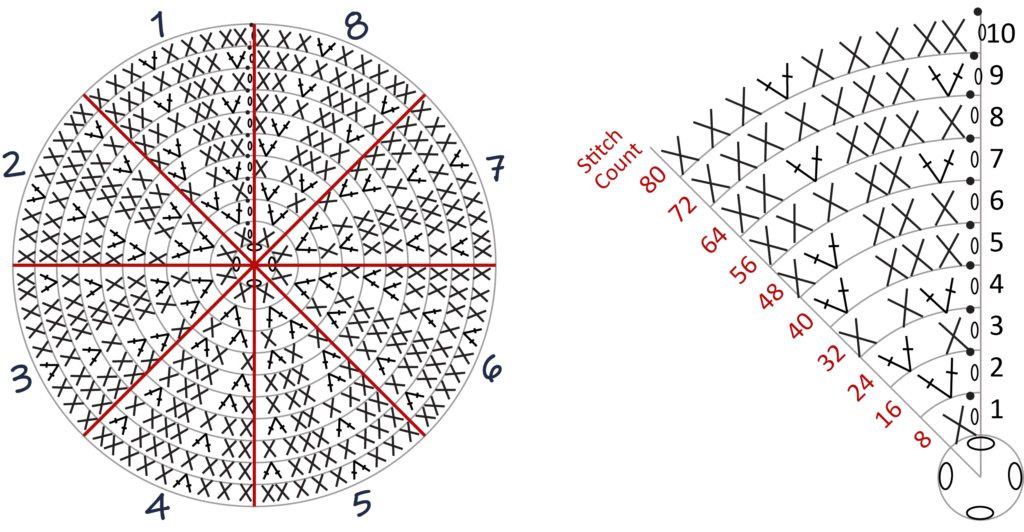
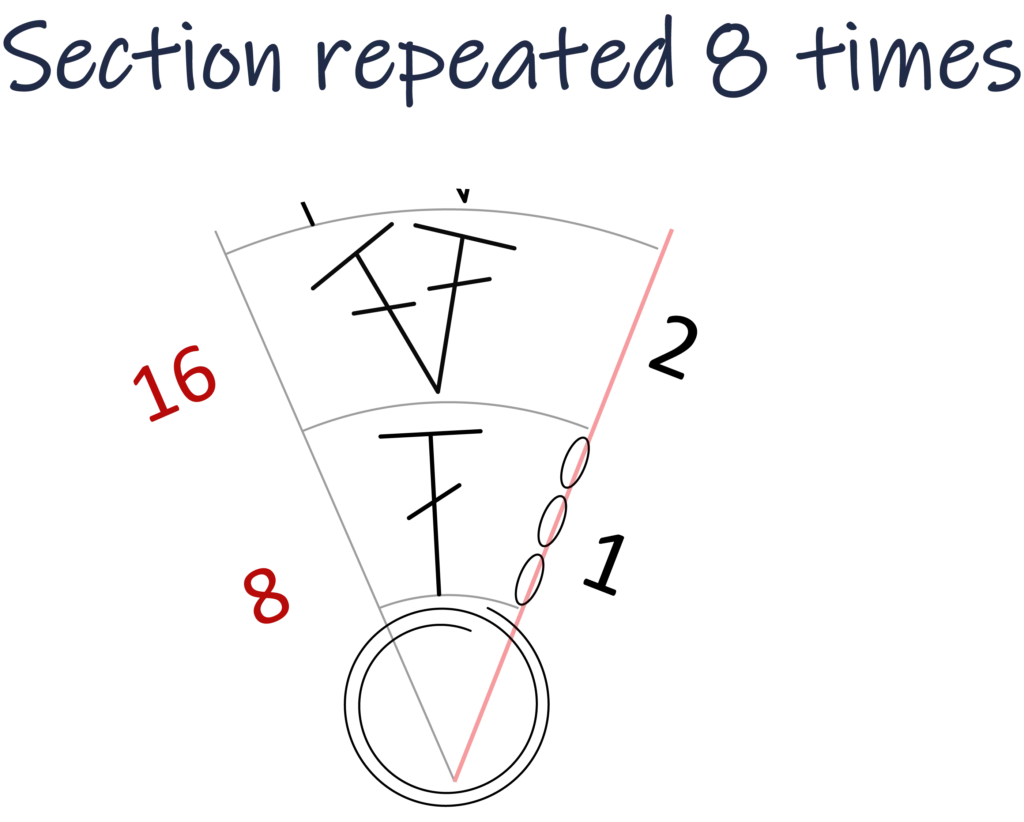
The circle starts with eight stitches, which means there will be eight repeats.
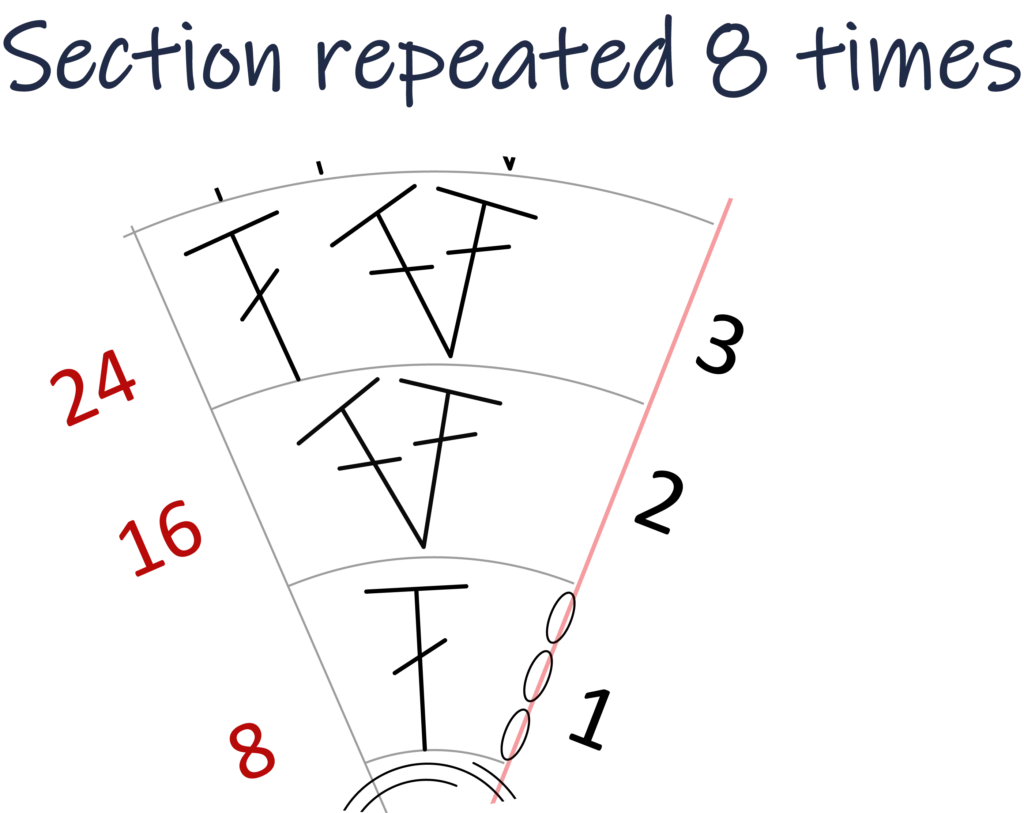
Each section is exactly the same. I include a chart of the repeat in my circular patterns as it’s easier to read. It’s the equivalent of the repeats given in the photo and written instructions.
Chain 4 and join with a slip stitch in the 1st chain to make a ring.
Chain 1, work 8 Dc (Sc) in the ring and close the round with a slip stitch in the 1st stitch.

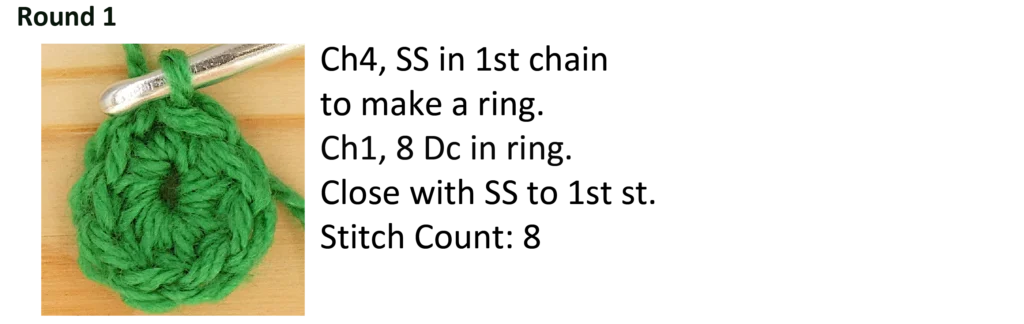

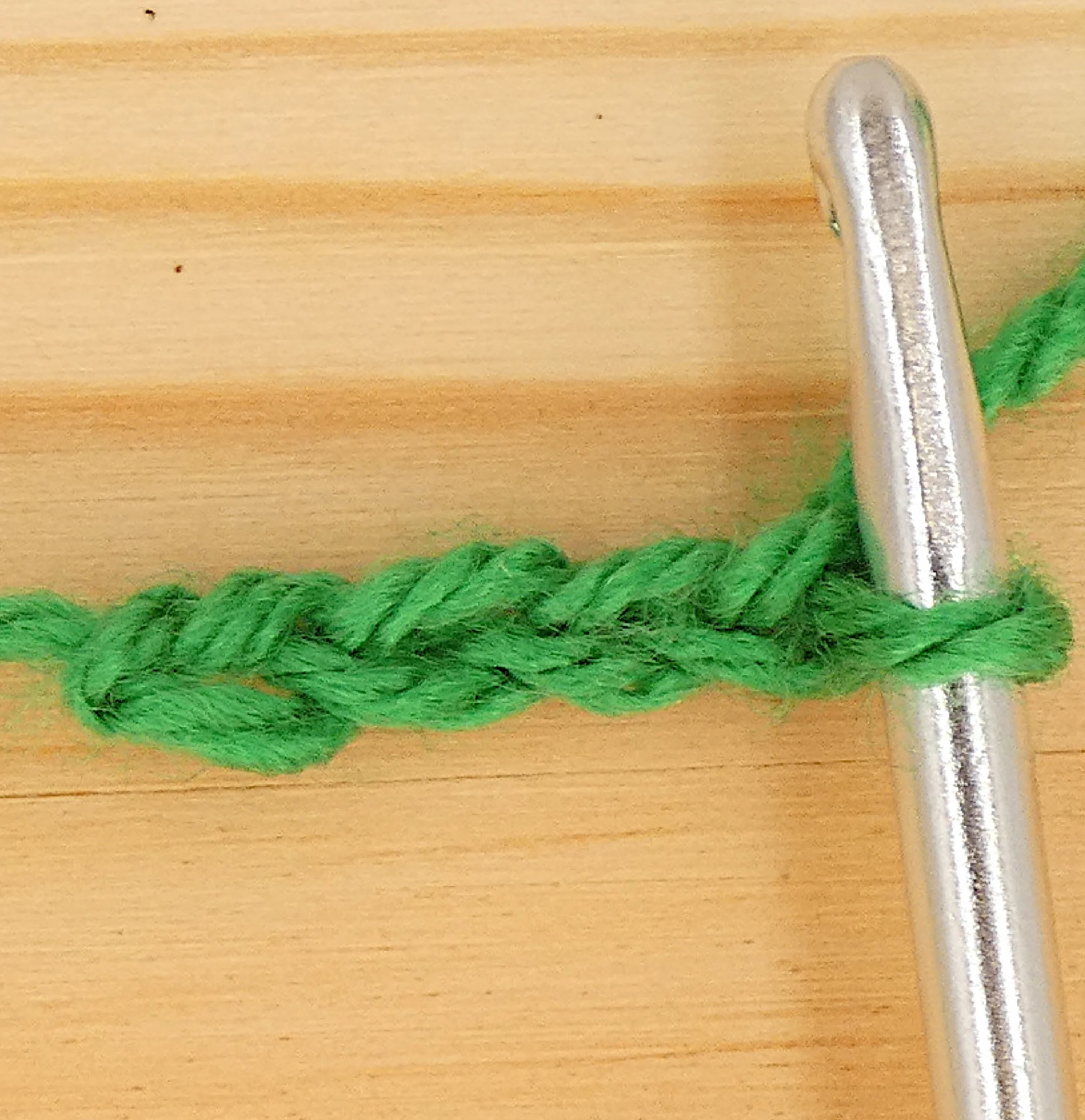
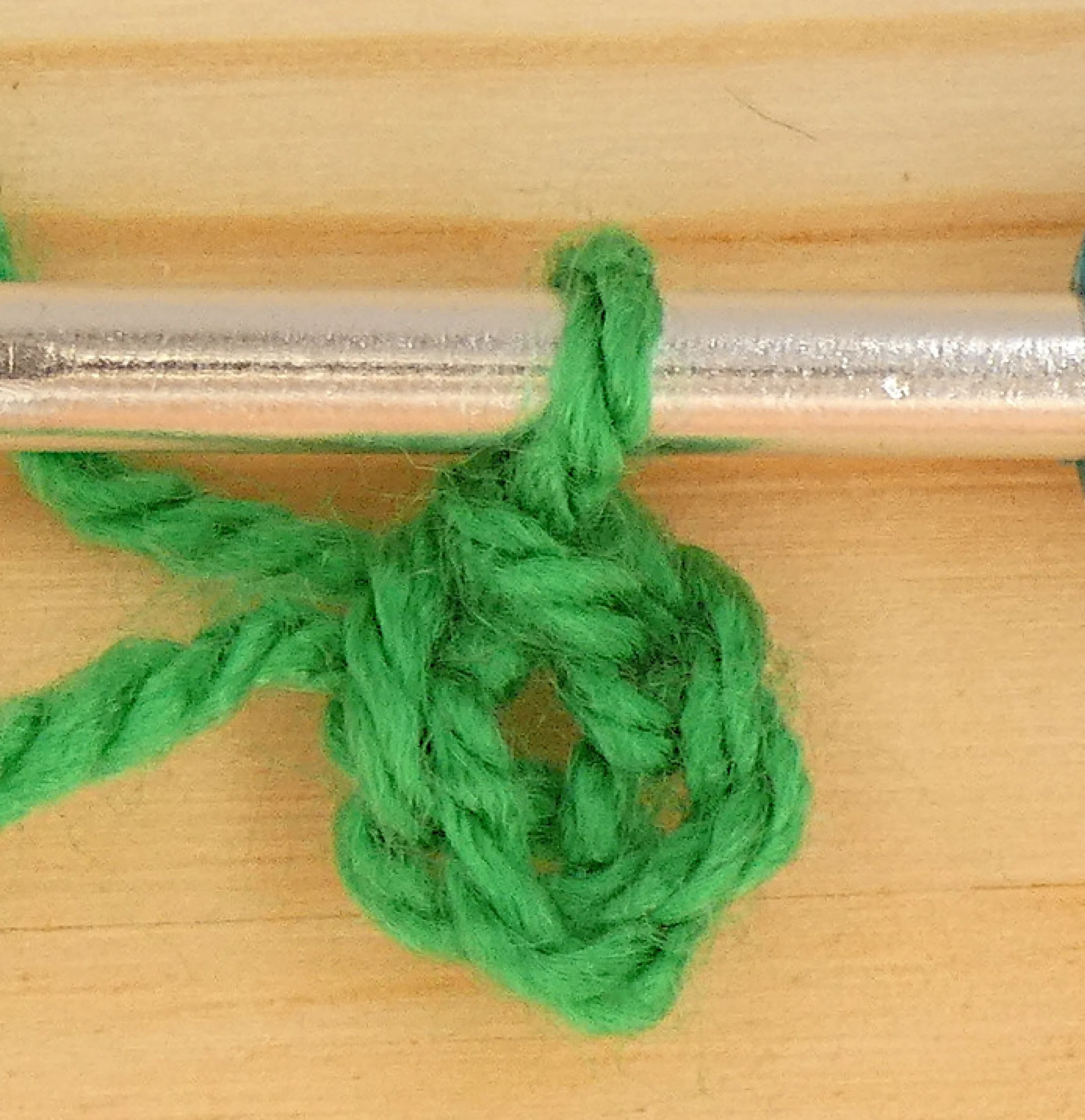
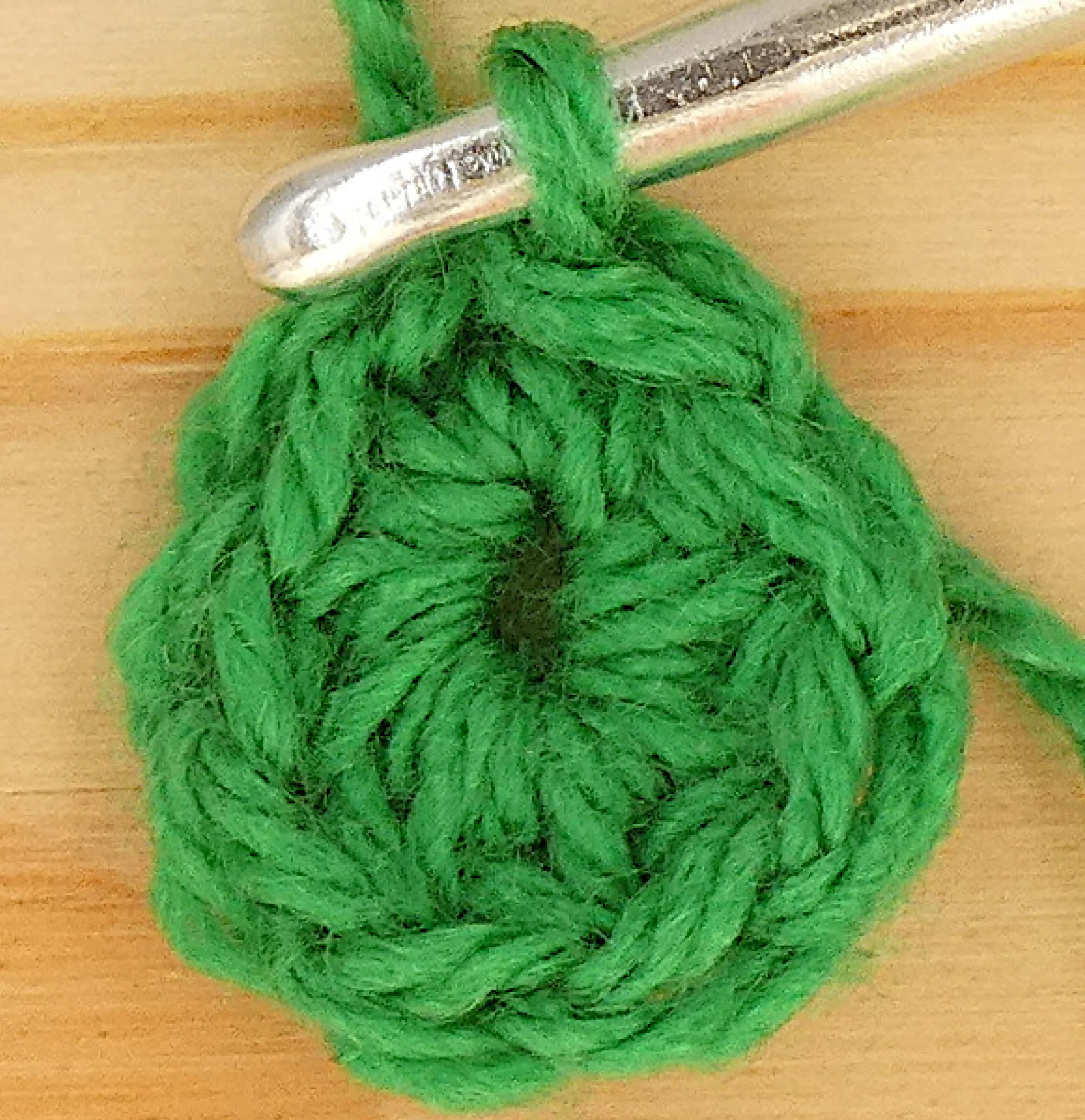
Chain 1, work an increase in every stitch for a total of 16 stitches.

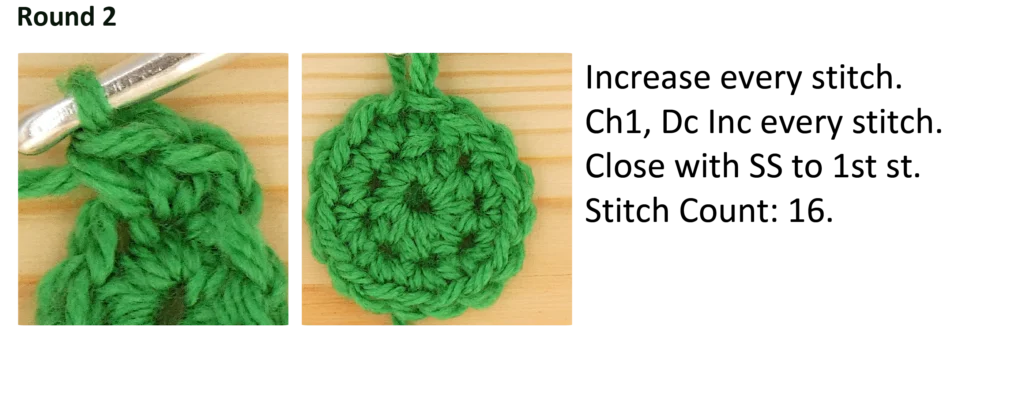
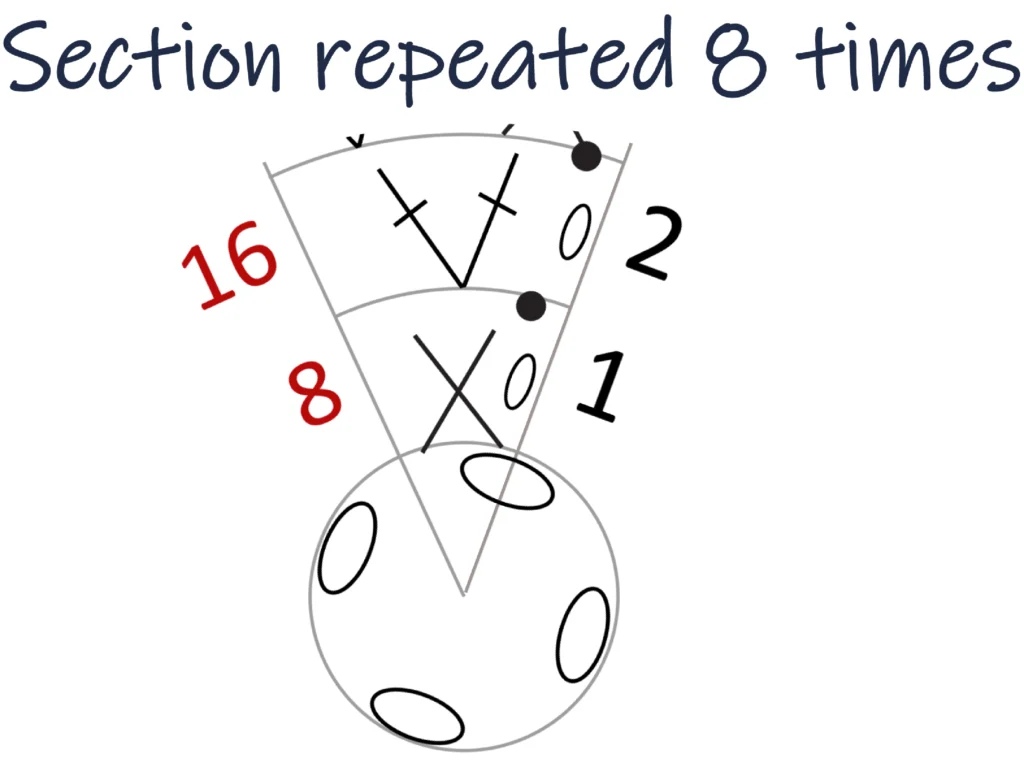
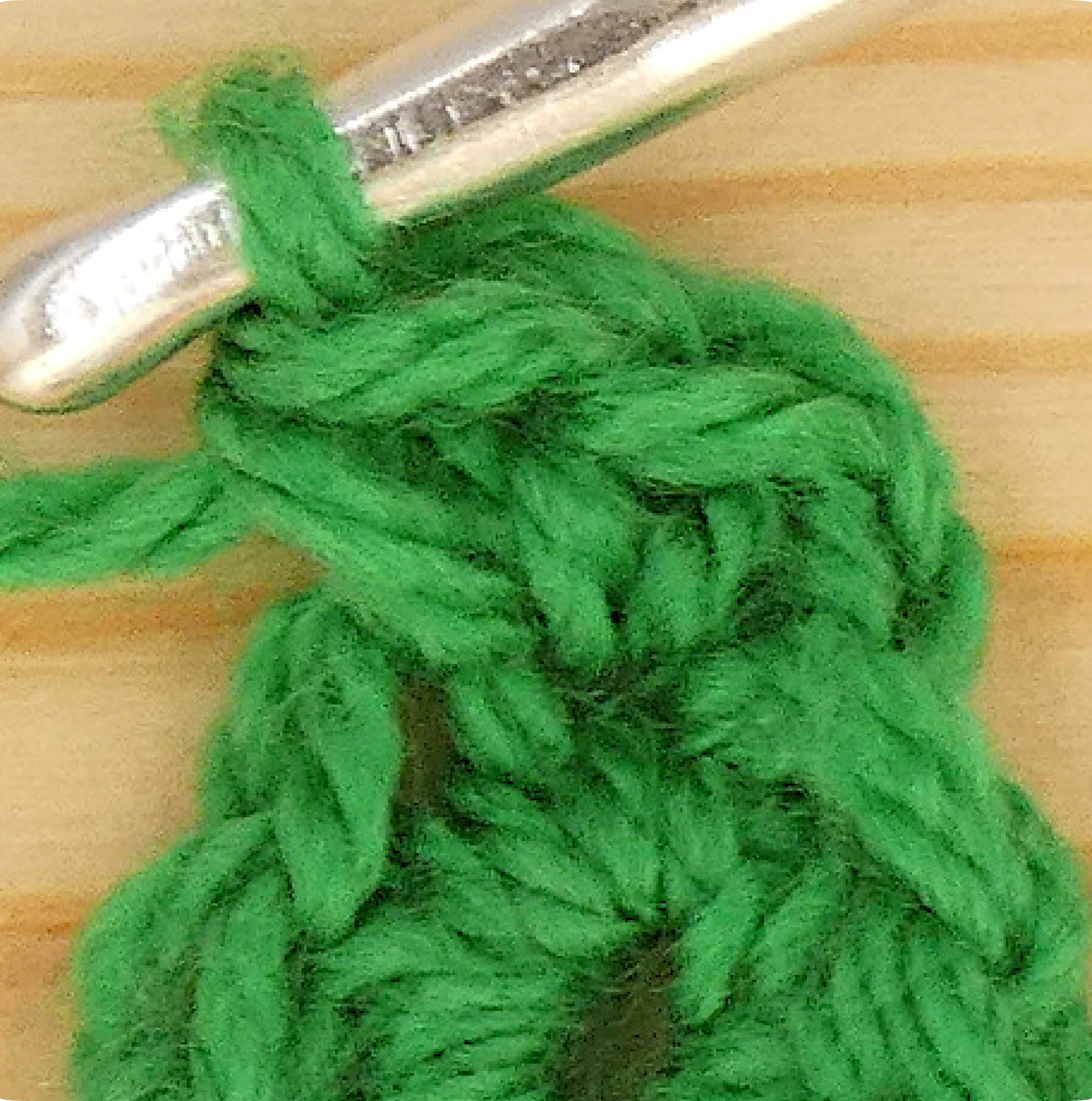
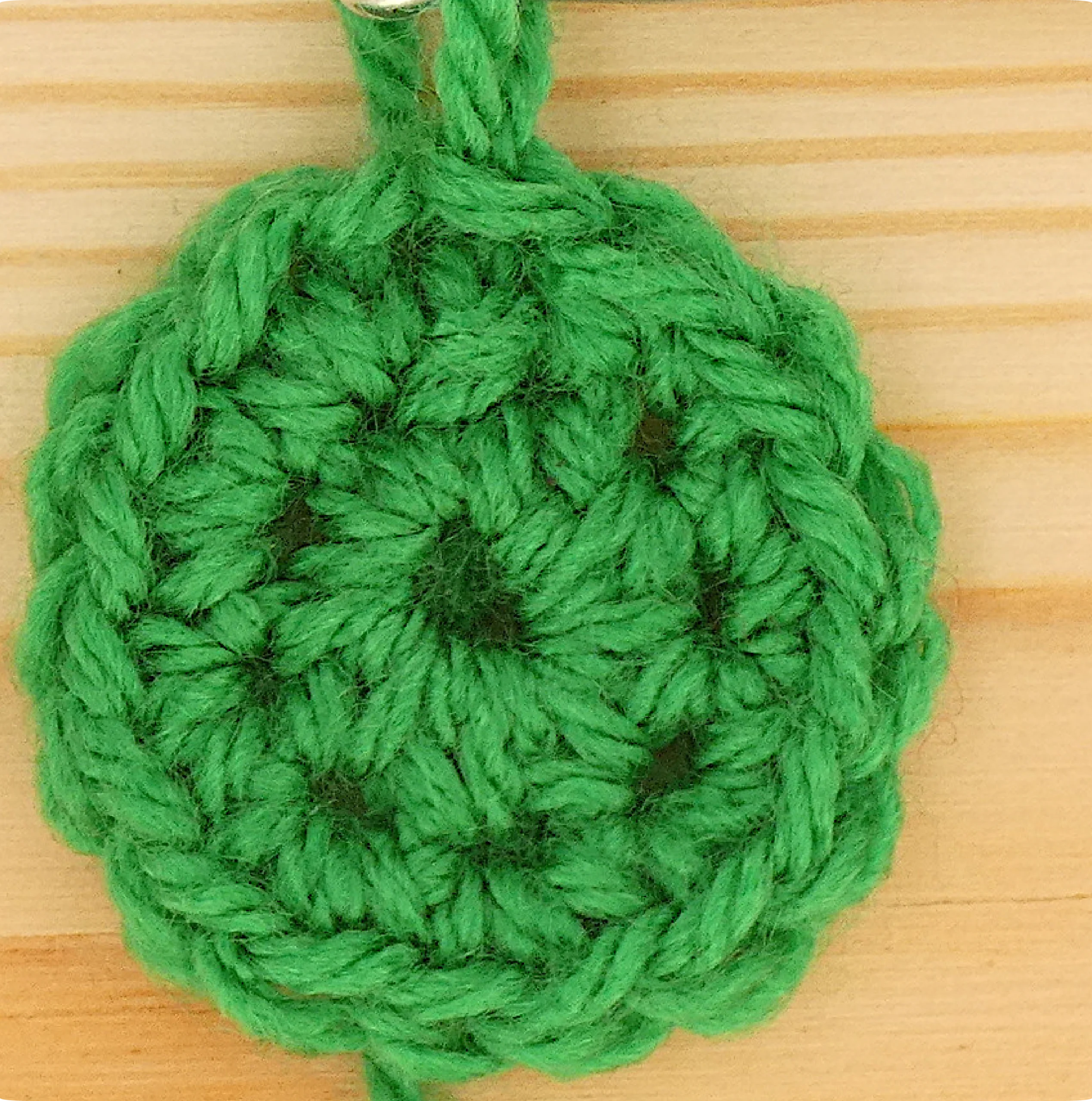
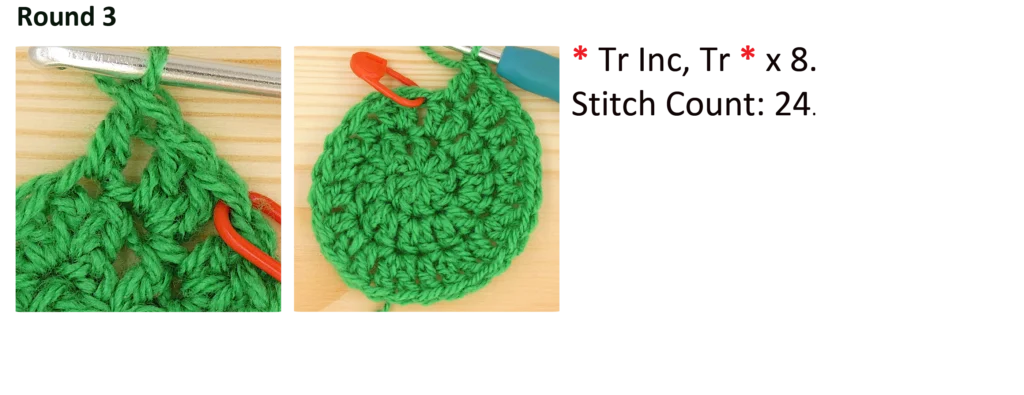
The increase will be on every 2nd stitch. Chain 1, and repeat 1 Dc (Sc) followed by an increase a total of 8 times. The stitch count will be 24.

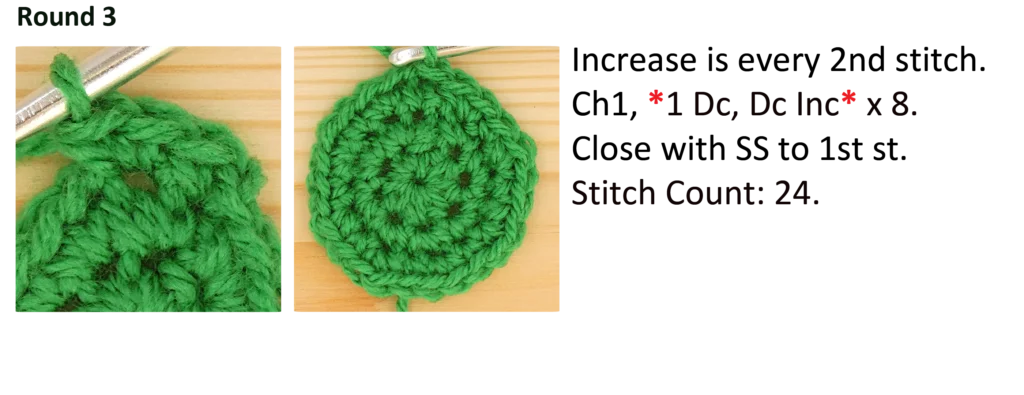
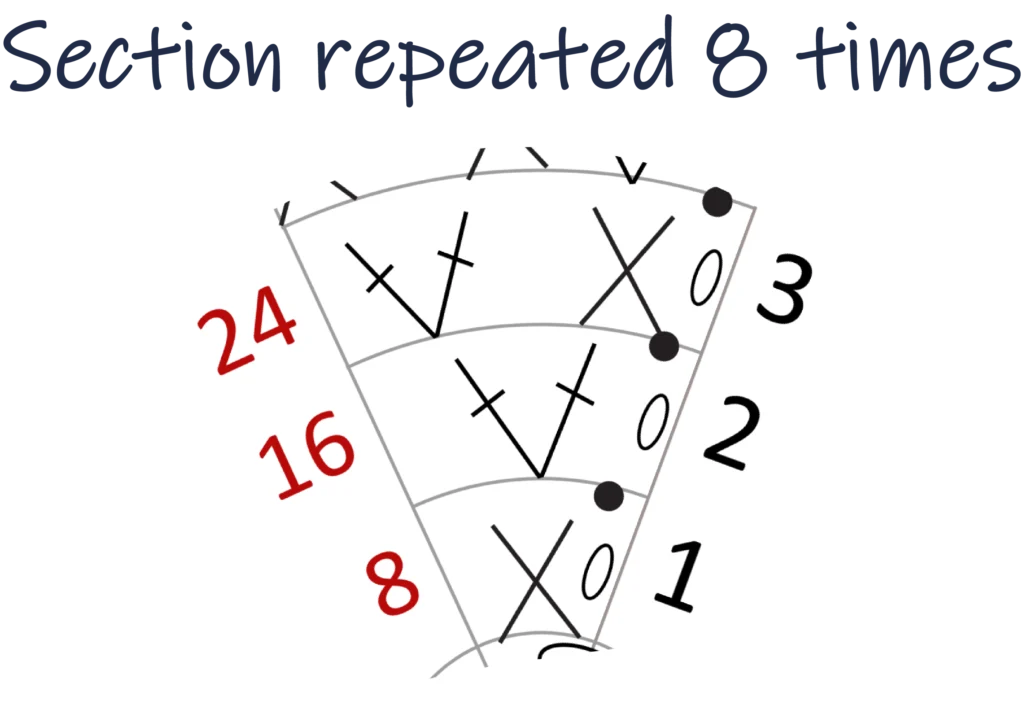
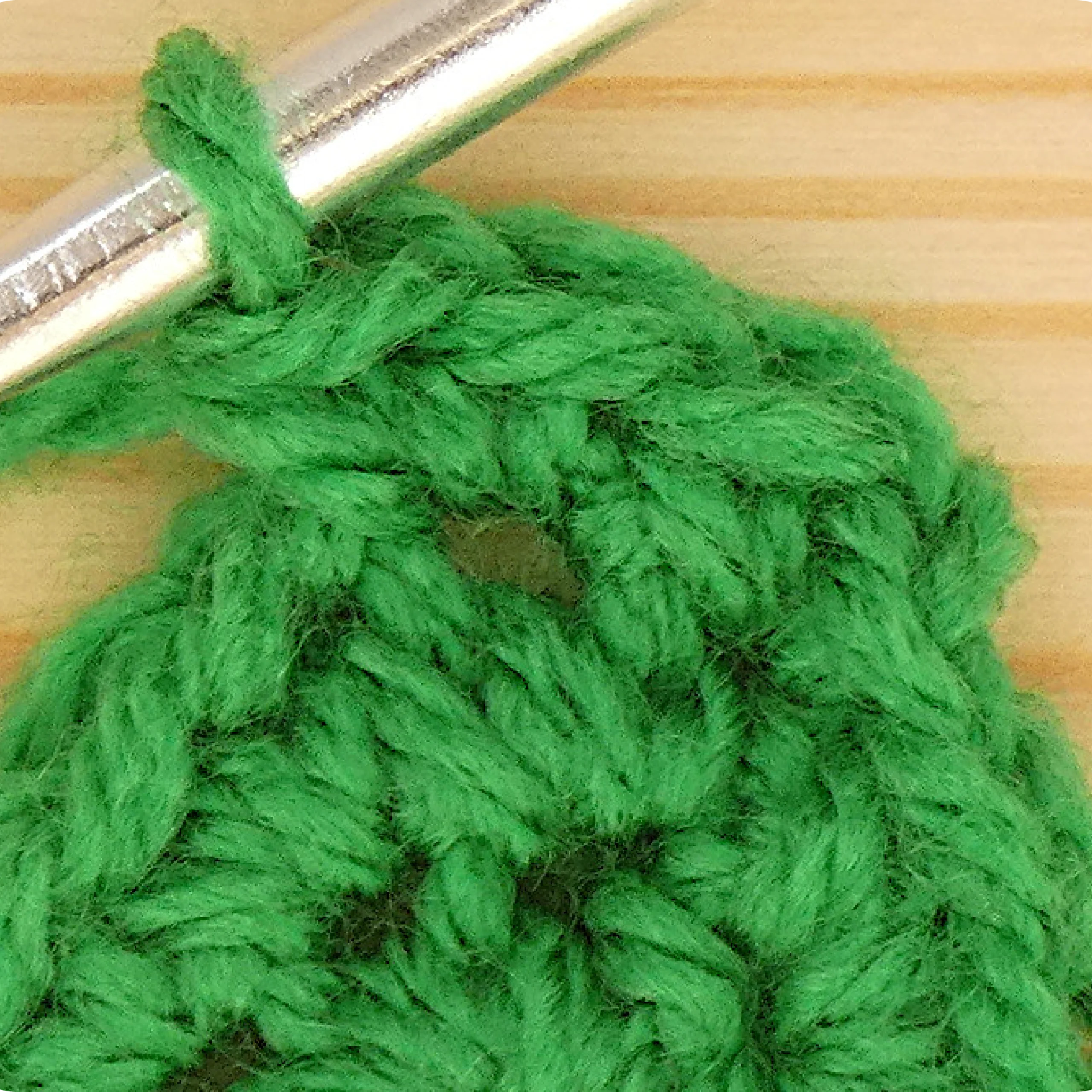
The increase will be staggered on this round. Chain 1, the repeat is an increase, and 2 Dc (Sc). The stitch count will be 32.

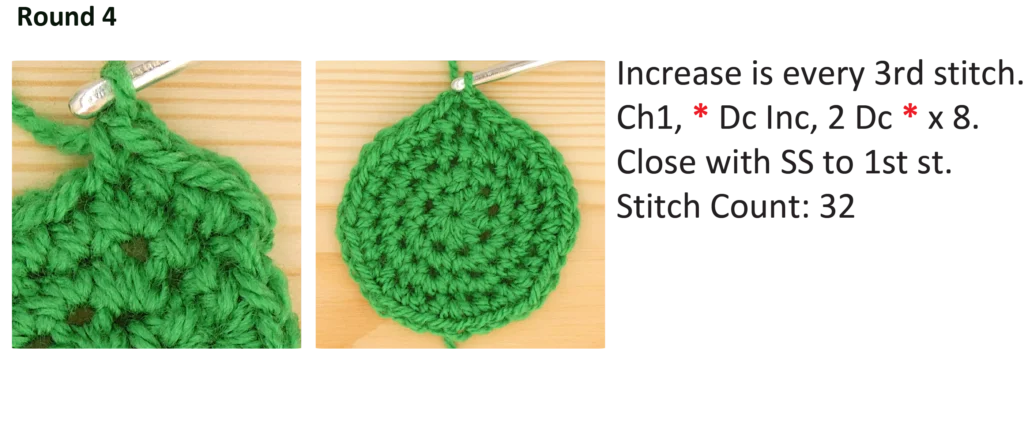

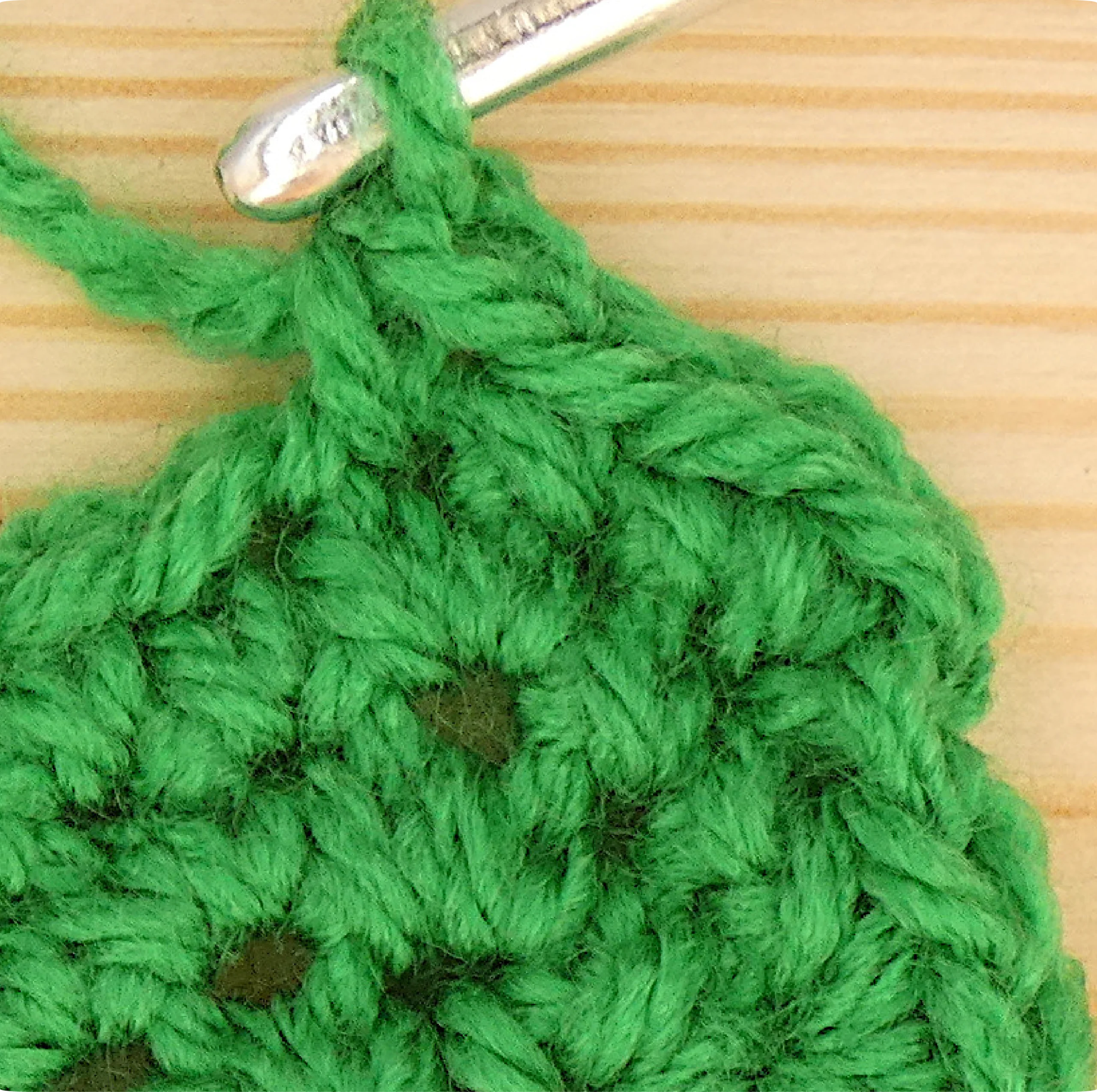
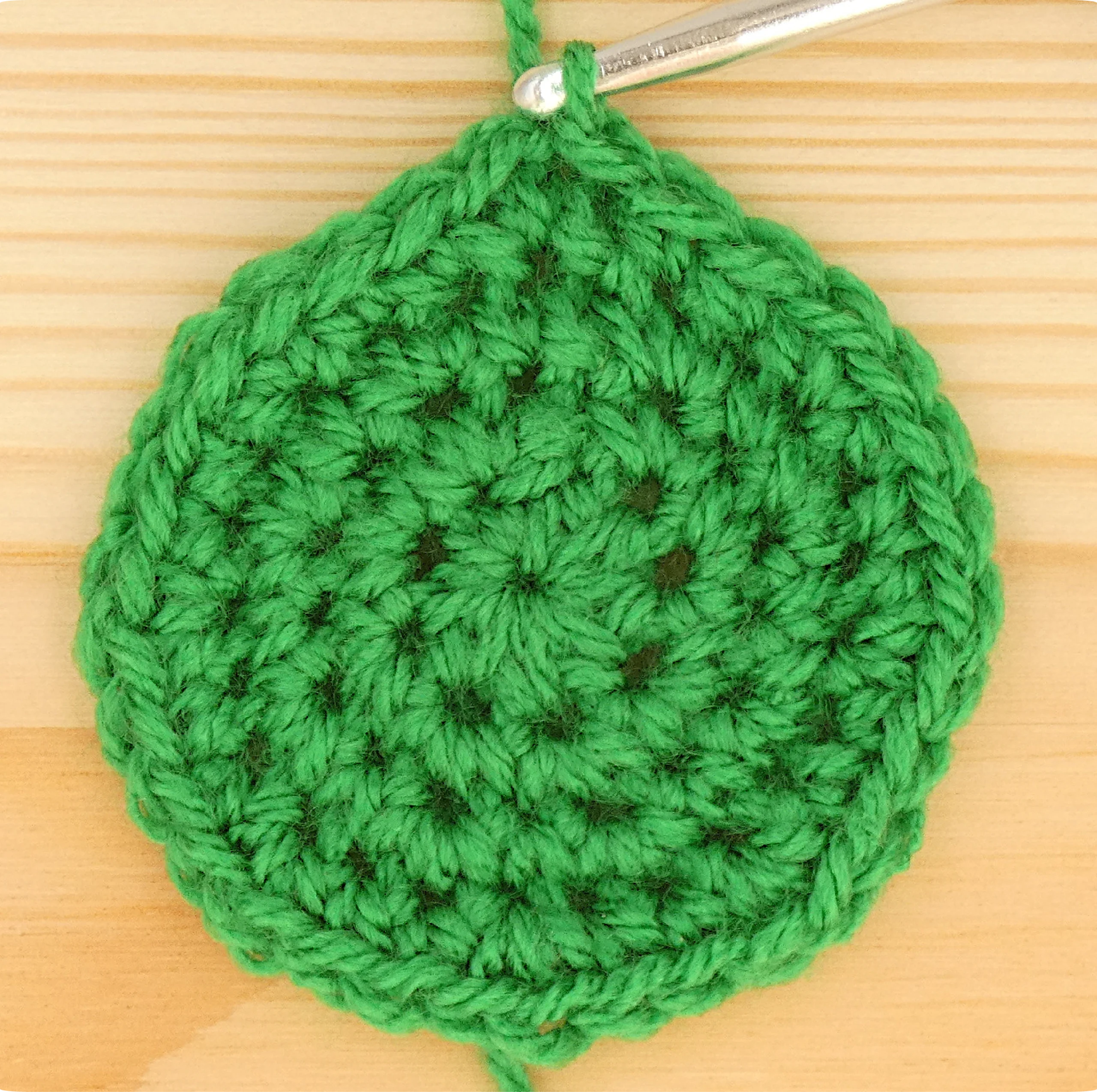
I’ll leave you to finish the remaining rounds by your self 🙂
You can find the pattern here.
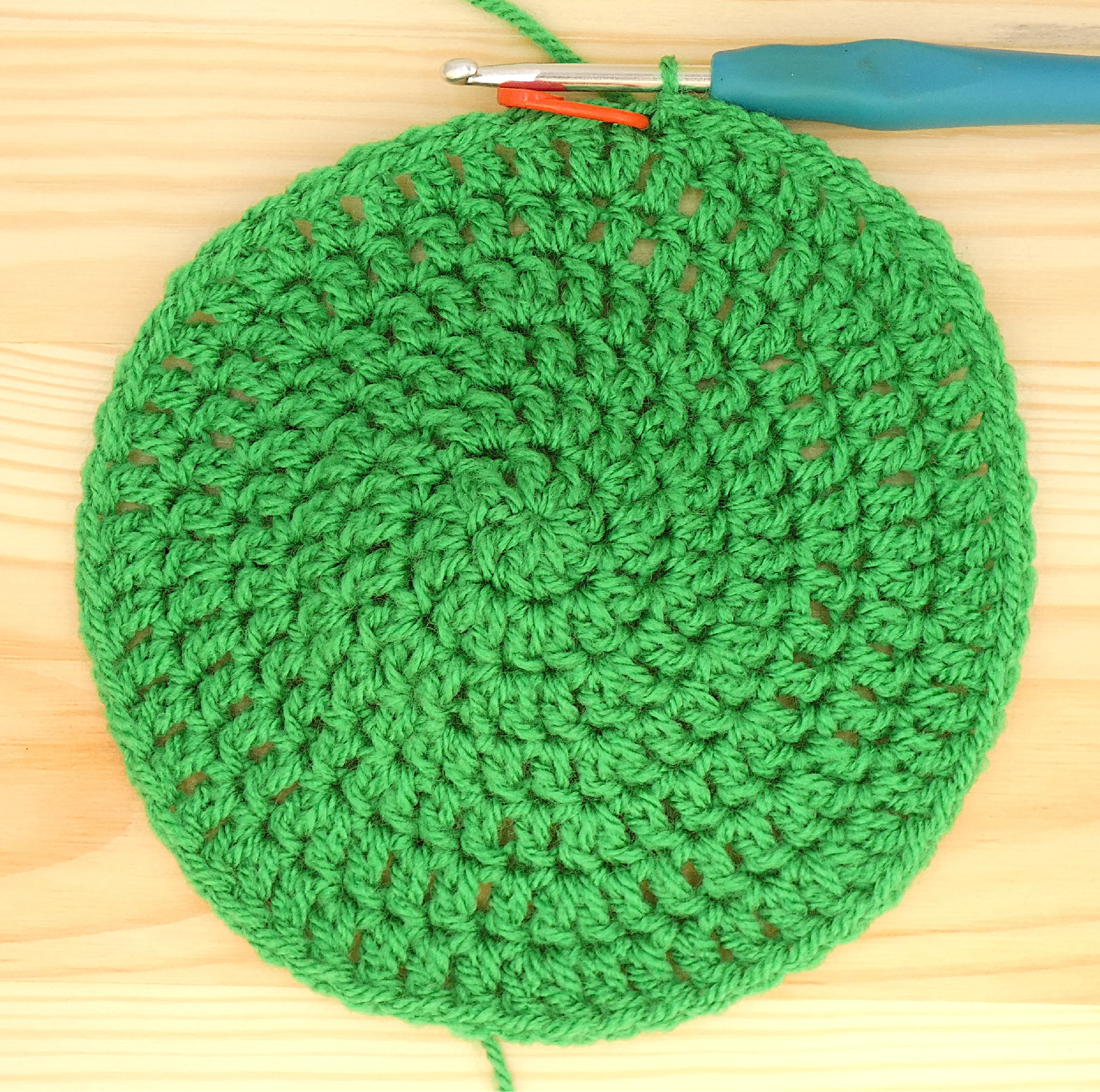
So let’s continue with the other stitches, beginning with half trebles (half doubles)! I’m using 1 chain to start. If you decide to use 2 chains, they would become the 1st stitch.
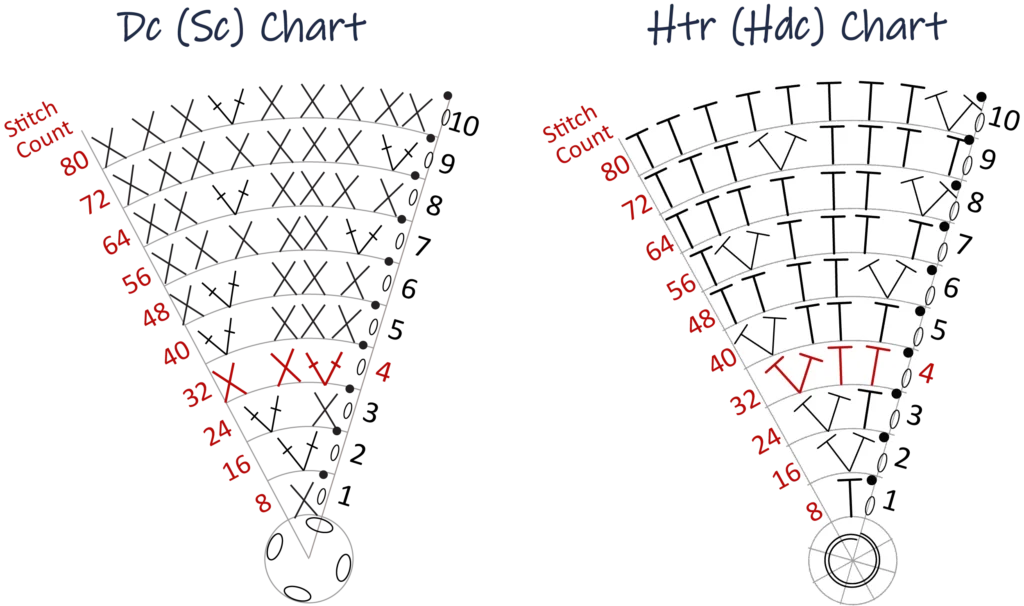
The 1st 3 rounds are the same as double (single) crochet circles. I’ll show you rounds 4 to 7 to give you the general idea.
The staggered increases will start in round 6, because the corners start forming later with taller stitches.
The increase is every 3rd stitch.
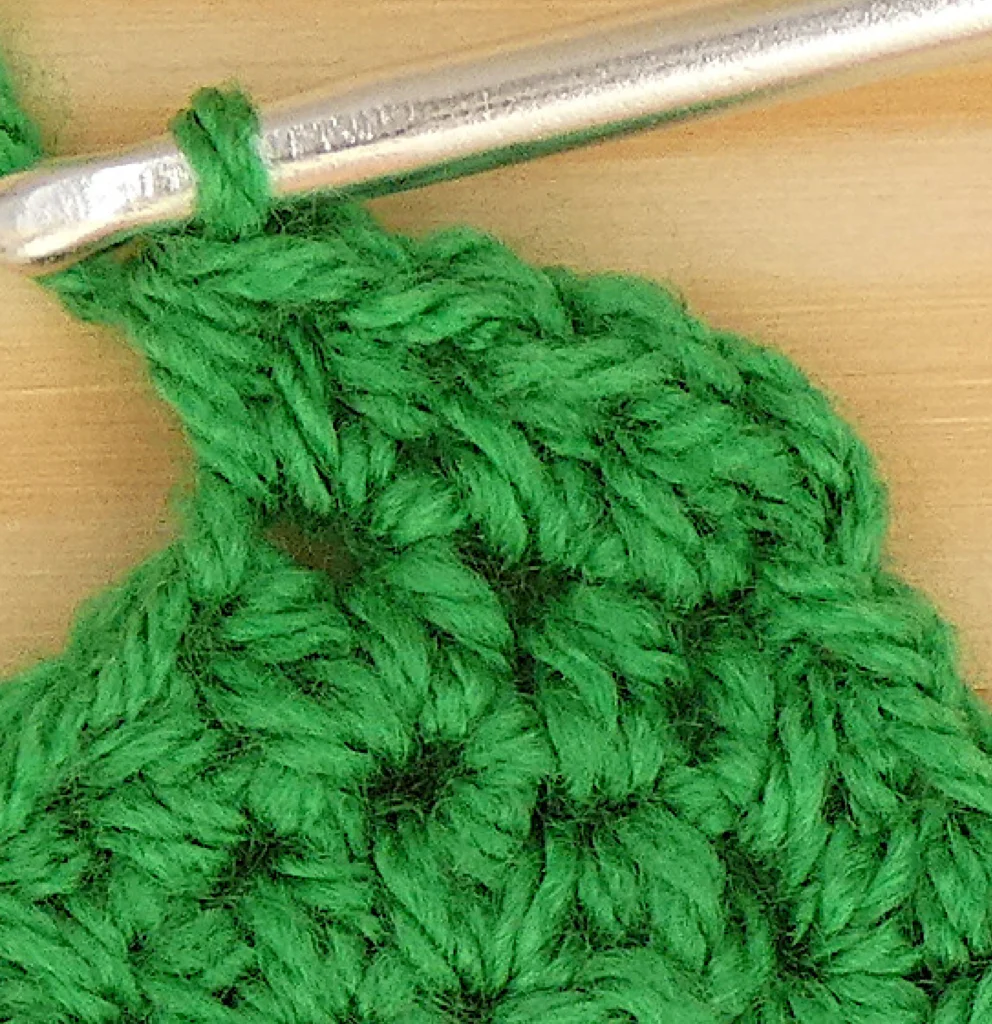
Chain 1 and work an increase followed by 2 Htr (Hdc).
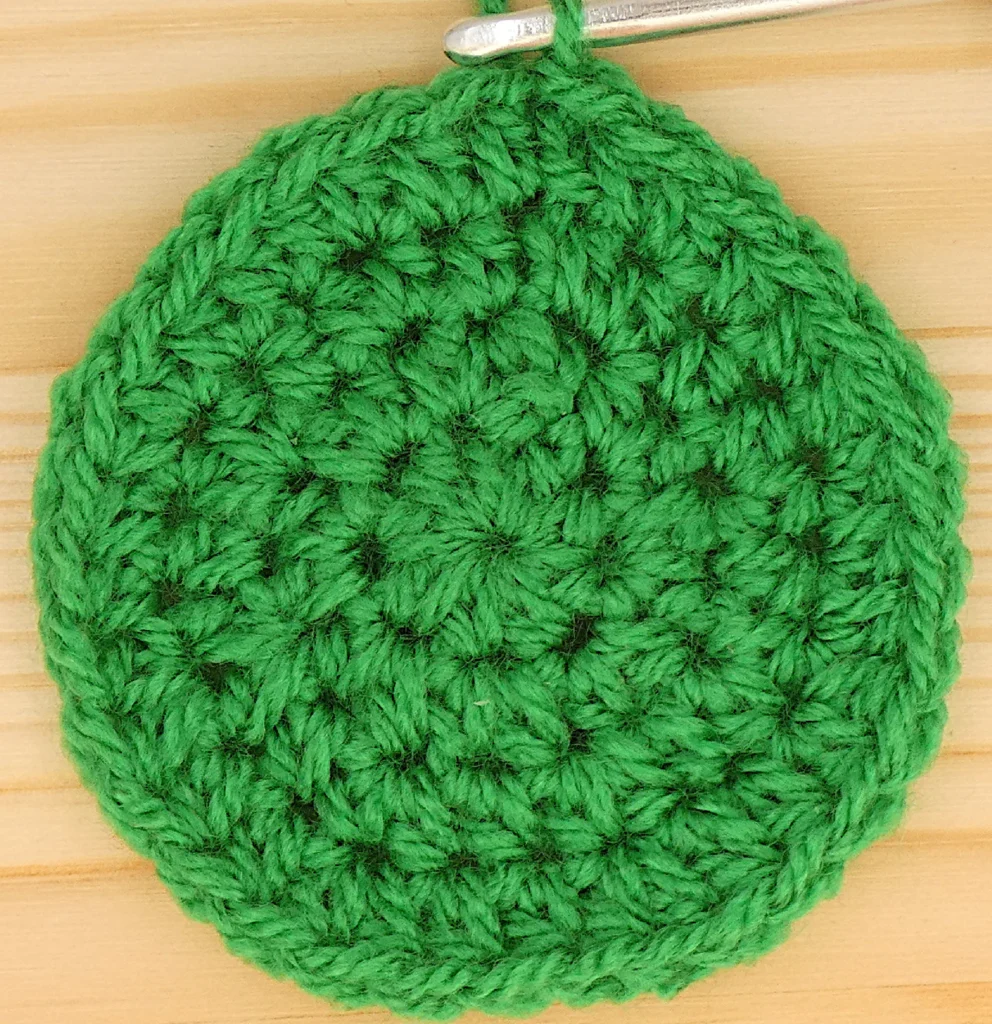
The stitch count is 32.
This round has an increase every 4th stitch.
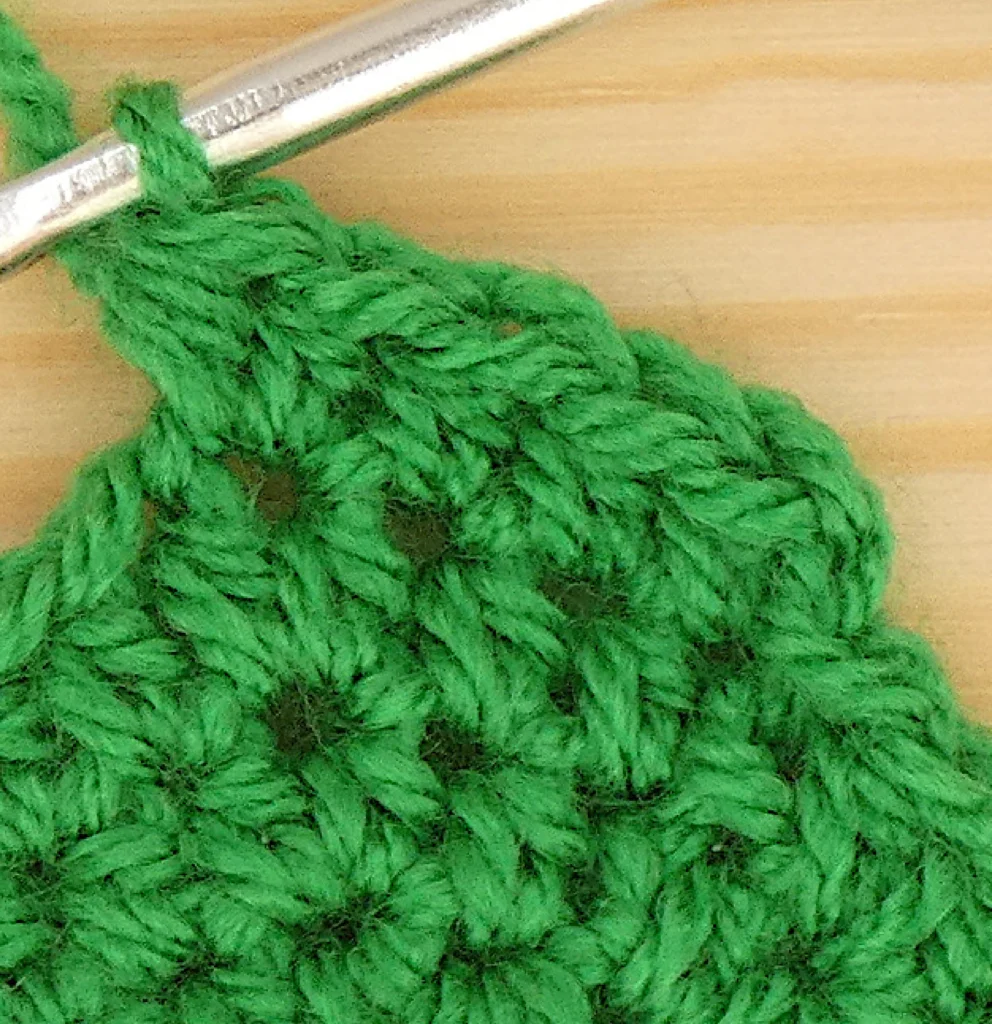
Chain 1 and work 3 Htr (Hdc) followed by an increase.
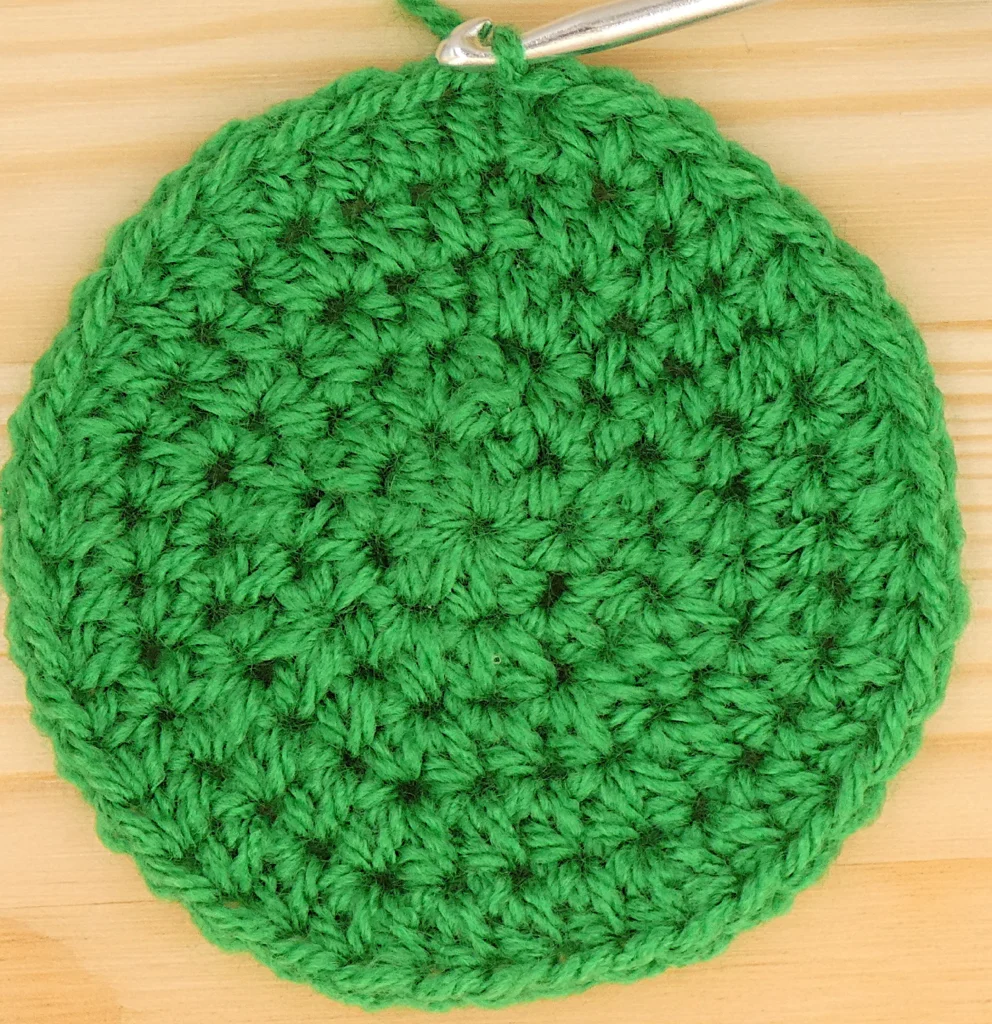
The stitch count is 40.
Staggered increases start on this round. The increase is on the 5th stitch.
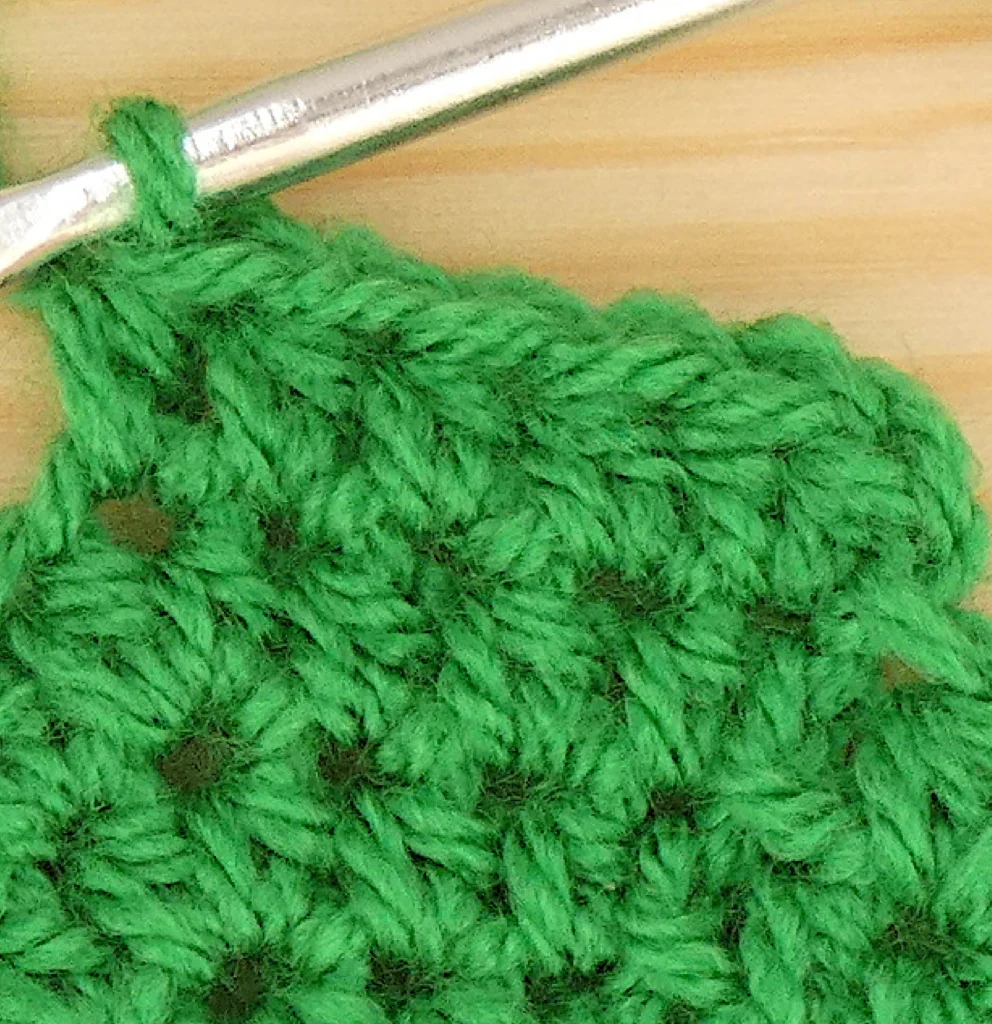
Chain 1 and work an increase followed by 4 Htr (Hdc).
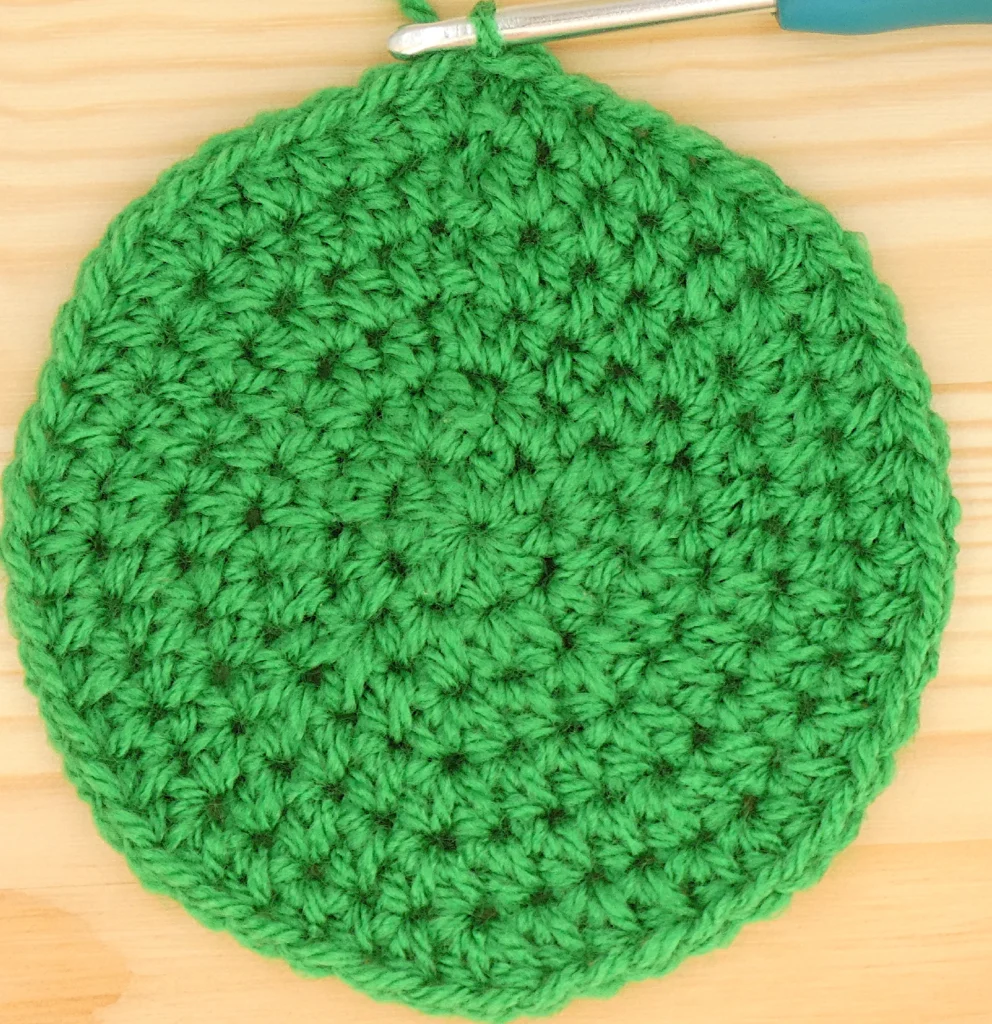
The stitch count is 48.
This round has an increase every 6th stitch. The single stitches are split by the increase.
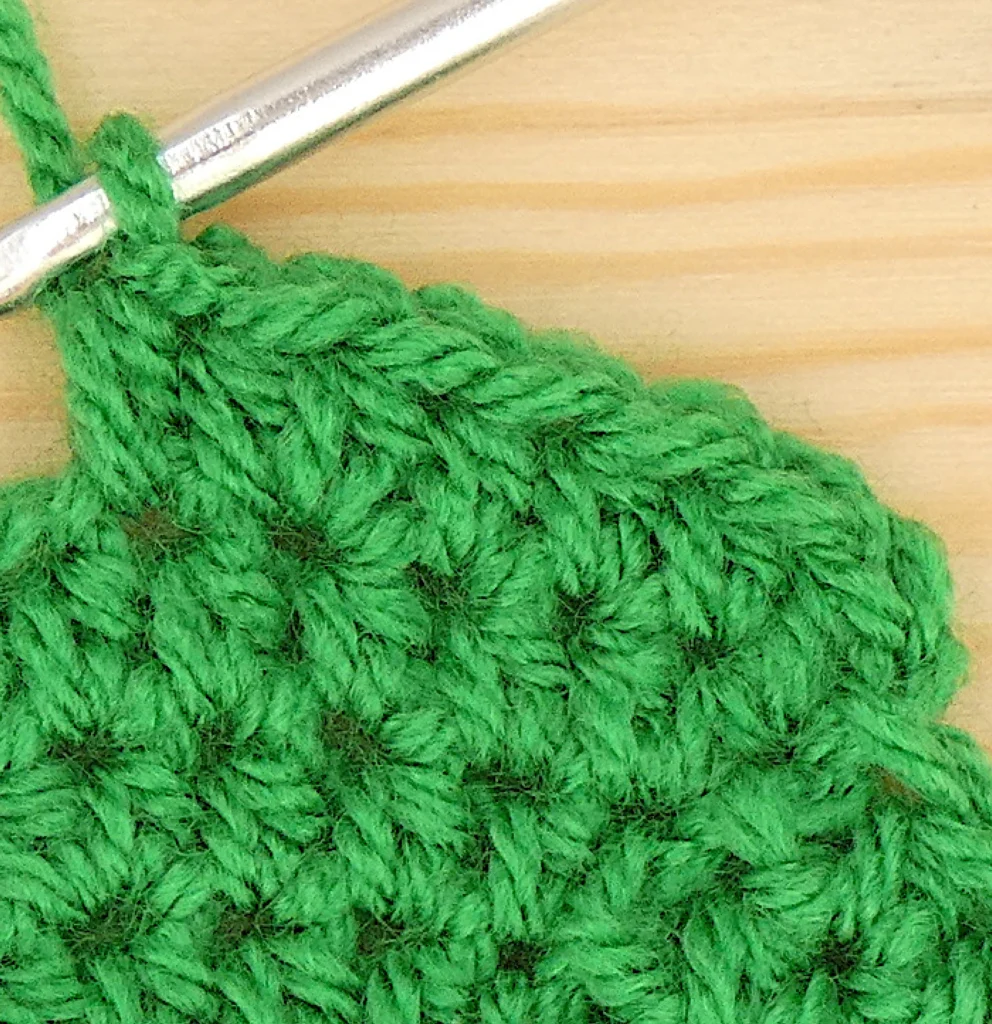
Chain 1 and work 4 Htr (Hdc), an increase and 1 Htr (Hdc).
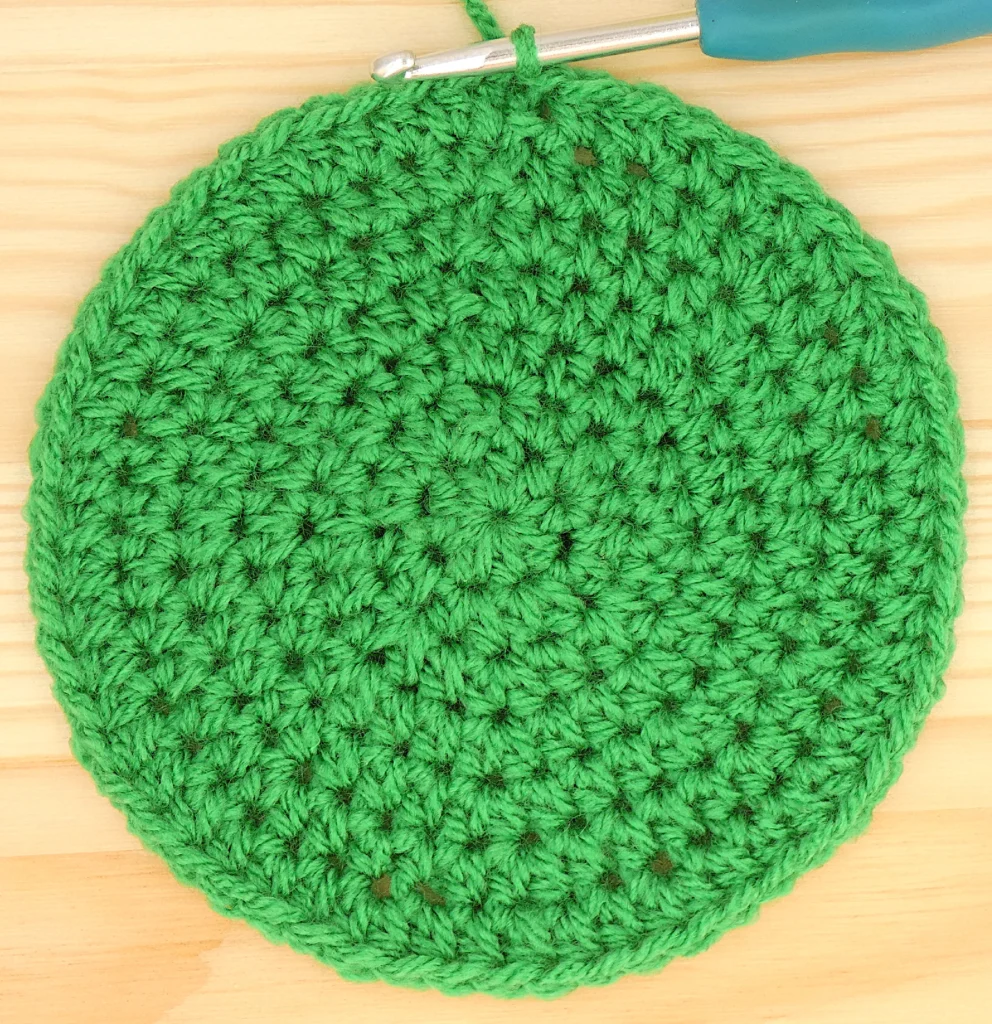
The stitch count is 56.
I’ll be starting with 8 stitches and show you 4 rounds. From round 2 we’ll always start with an increase.
Treble (Double) circles tend to not have staggered increases.
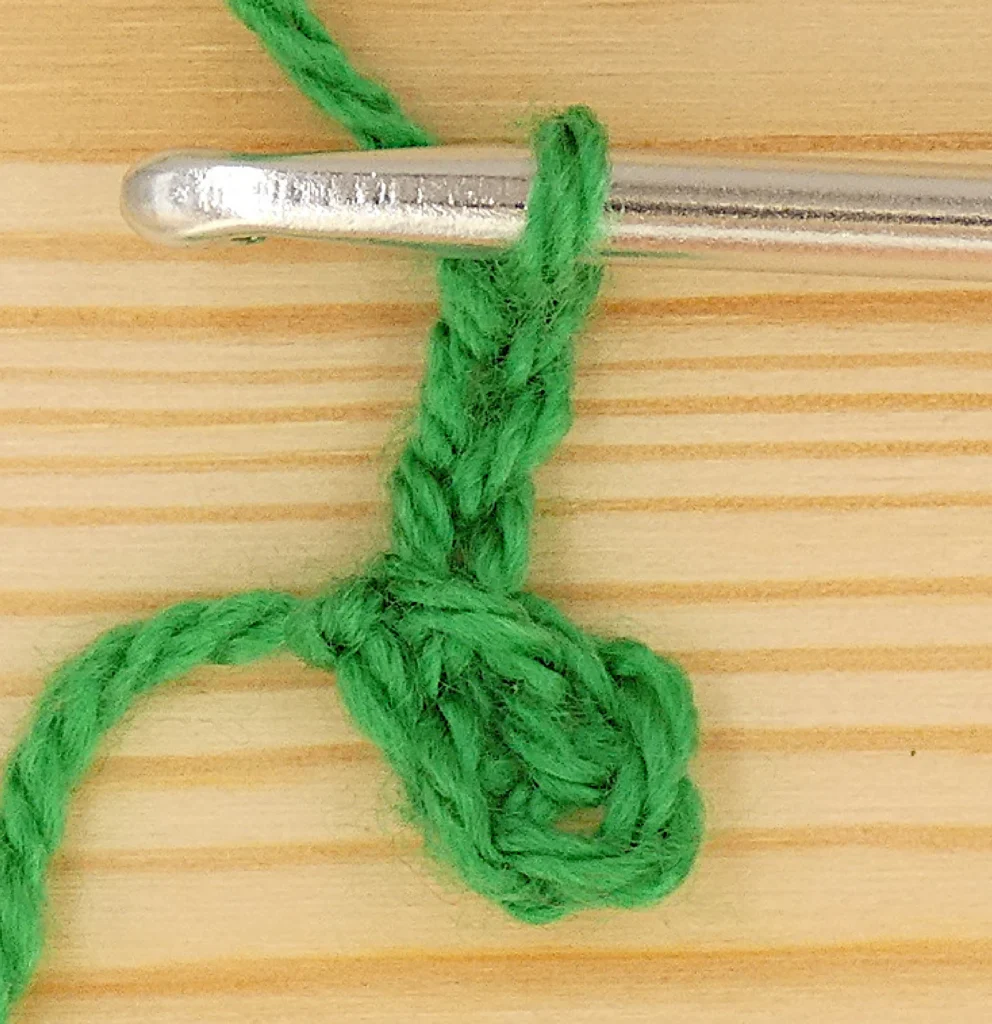
Each round starts with a chain 3, which is the 1st stitch.
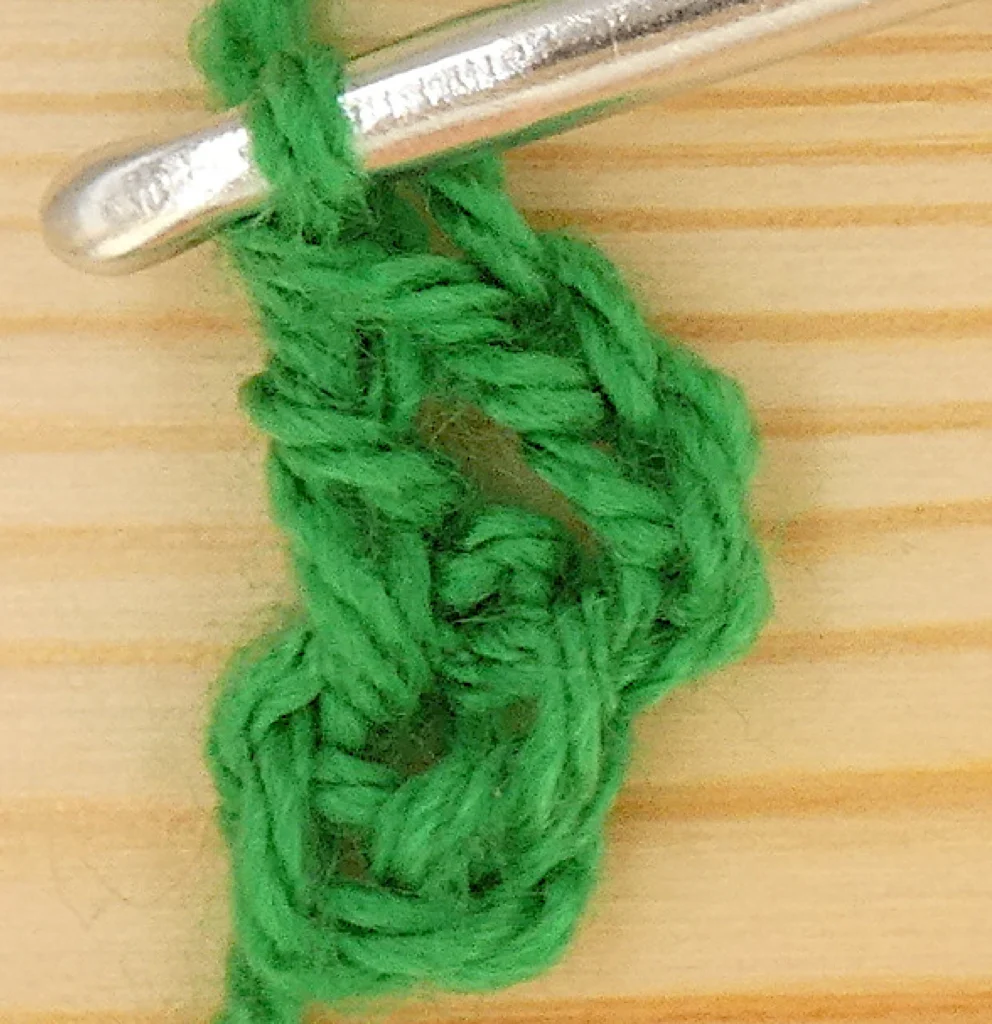
Work 7 Tr (Dc) into the ring or circle.
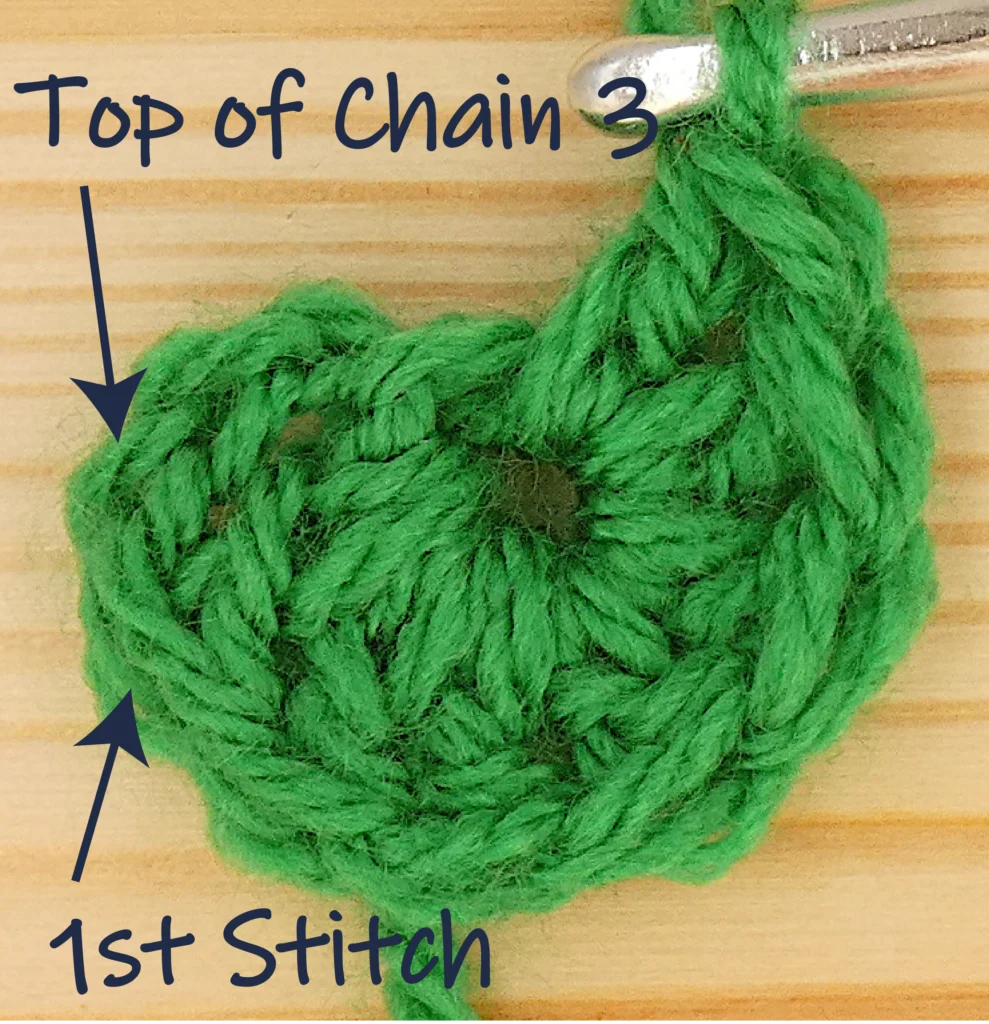
The join is made in the top of the chain 3.
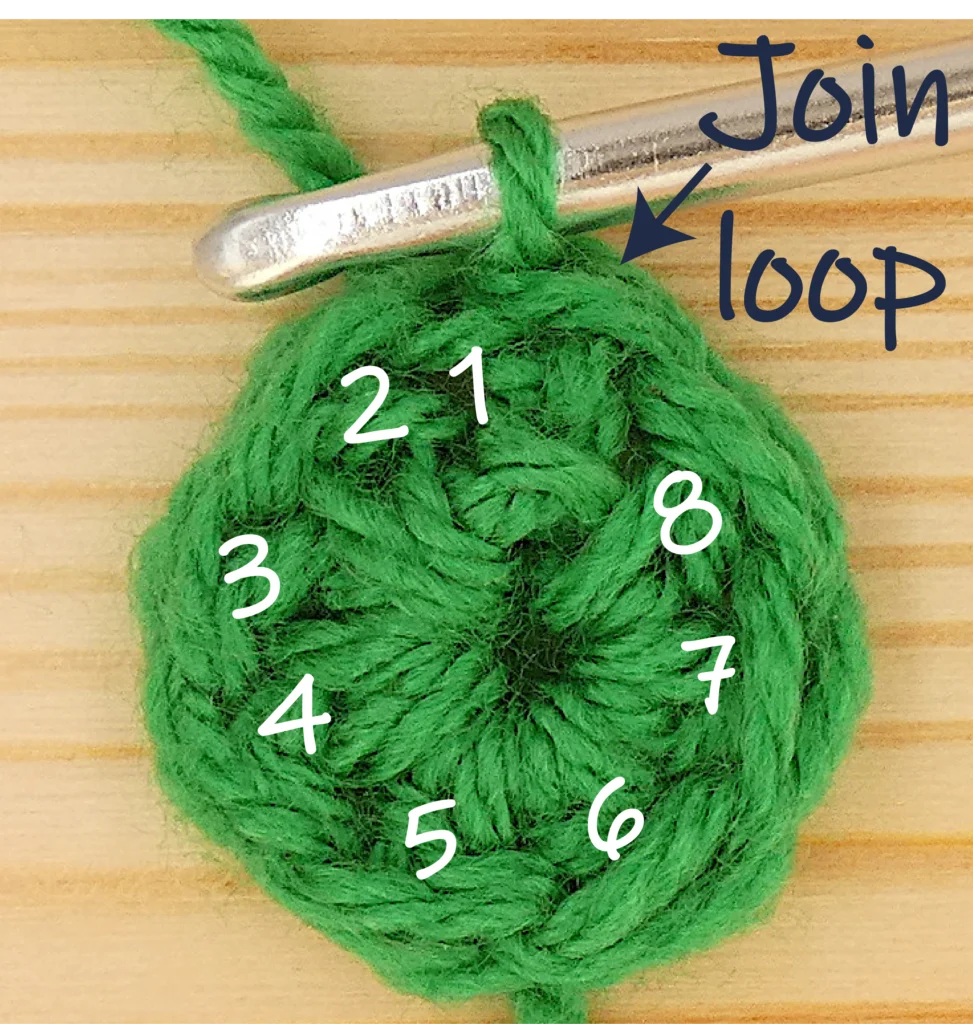
Remember to not work in the join loop. The stitch count is 8.
The increase will be every stitch.
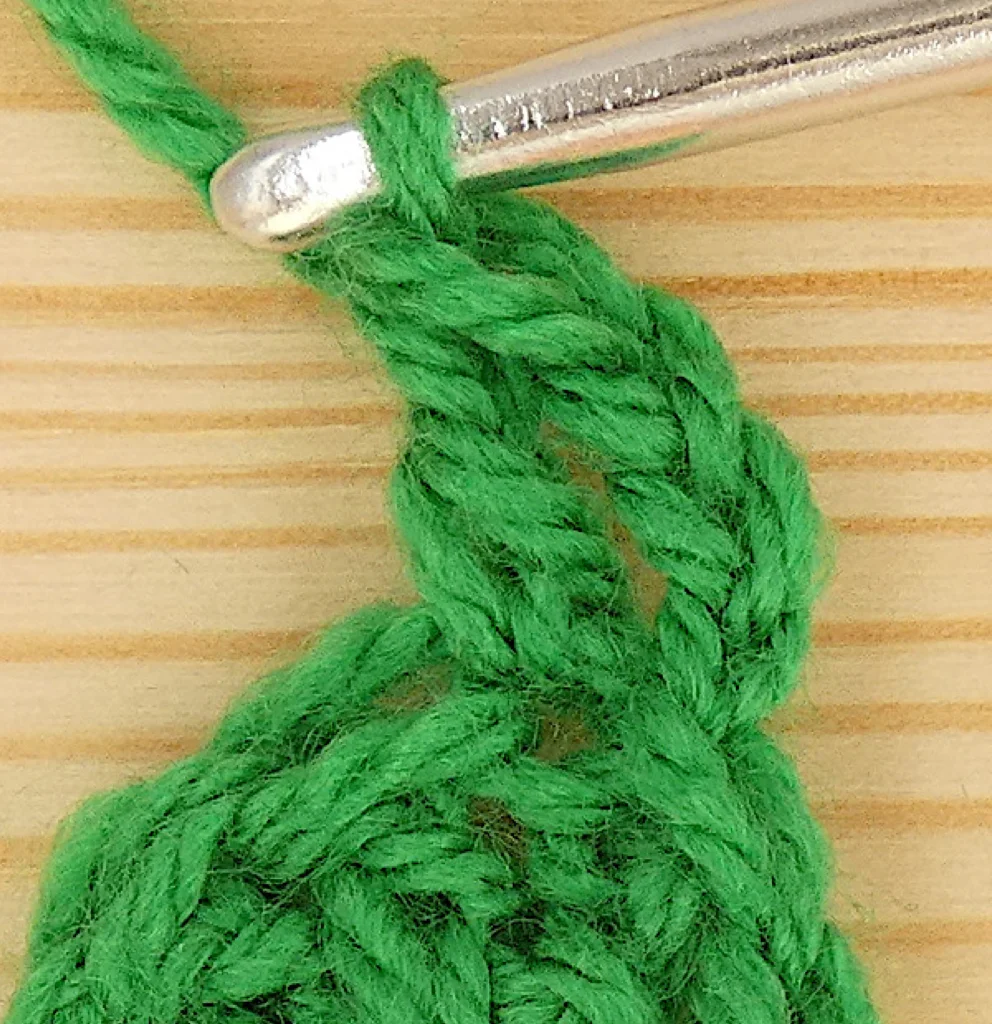
Chain 3 and work a Tr (Dc) at the base of the chain 3.
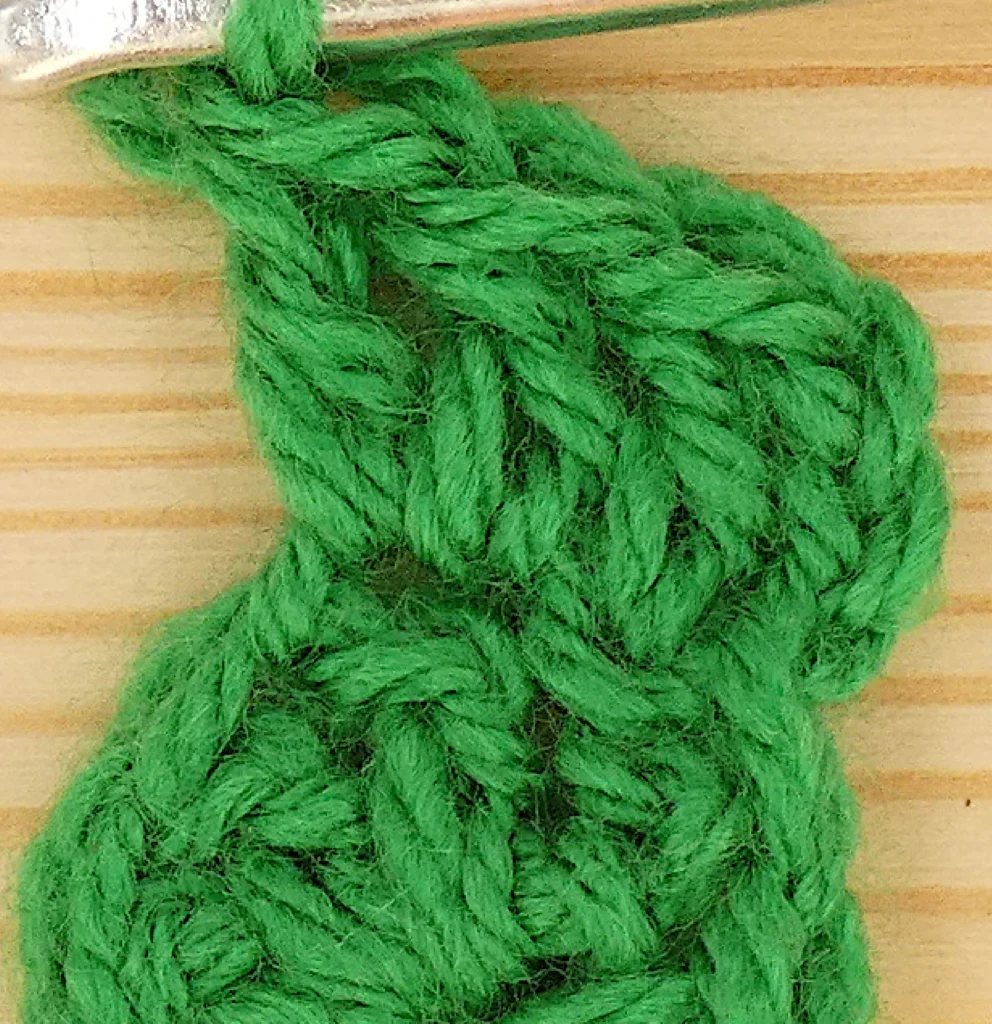
Work an increases in each stitch.

Be sure to join the round in the top of the chain 3.

The stitch count is now 16.
Round 3 has an increase every 2nd stitch.
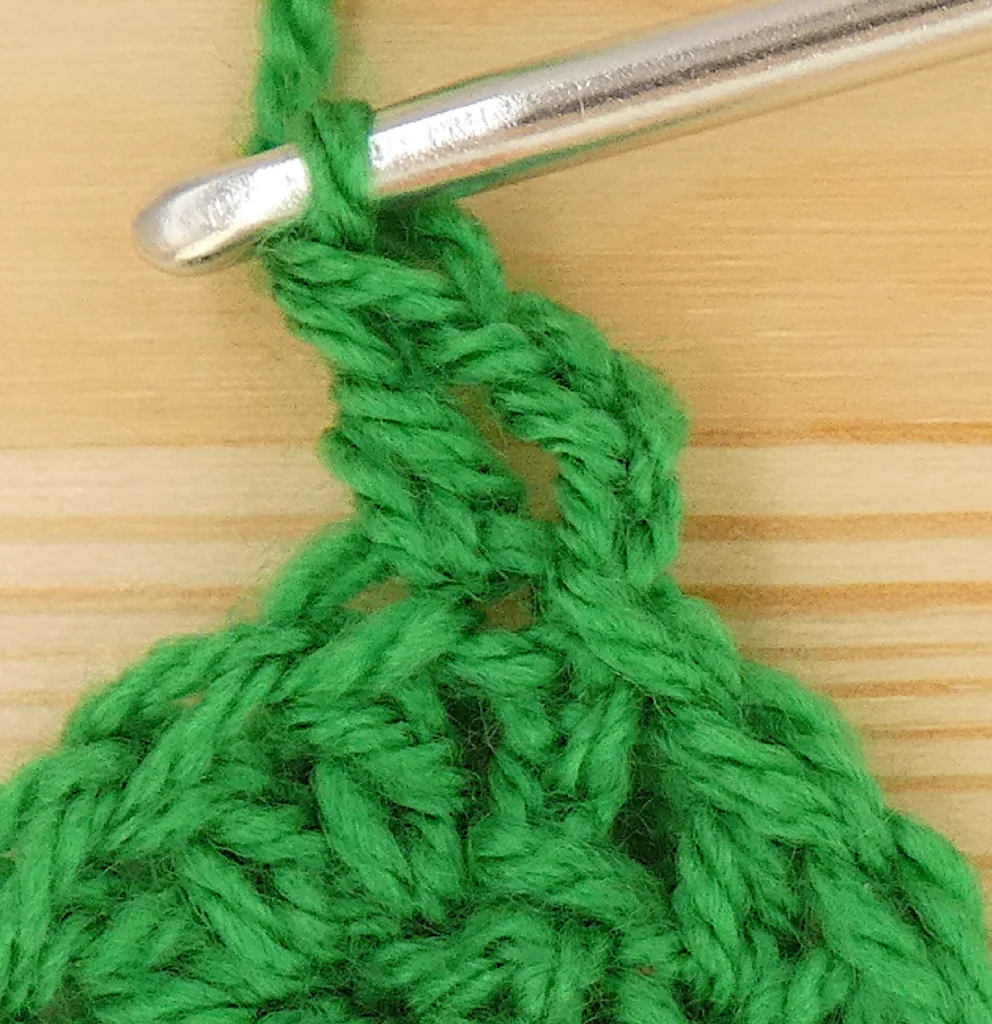
Chain 3 and work a Tr (Dc) at the base.
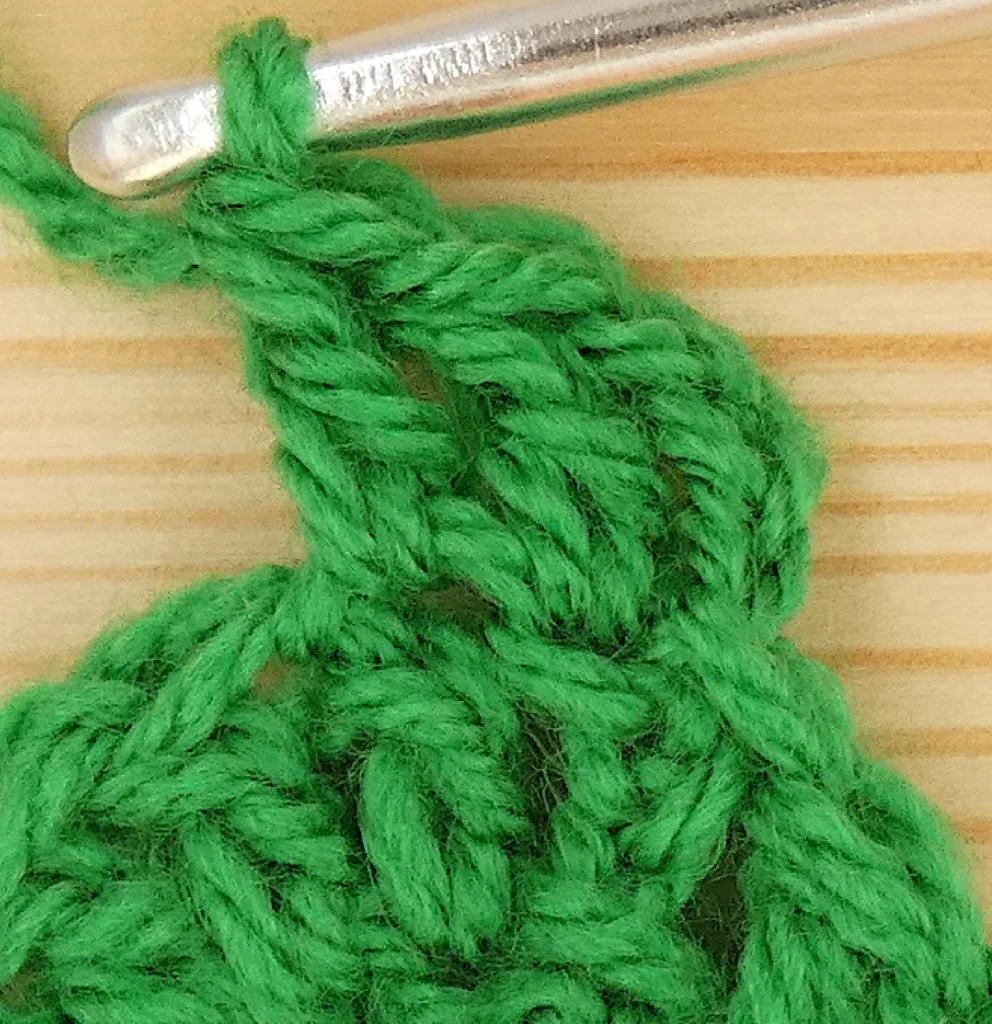
Work 1 Tr (Dc) in the next stitch. The repeat is an increase followed by 1 Tr (Dc).
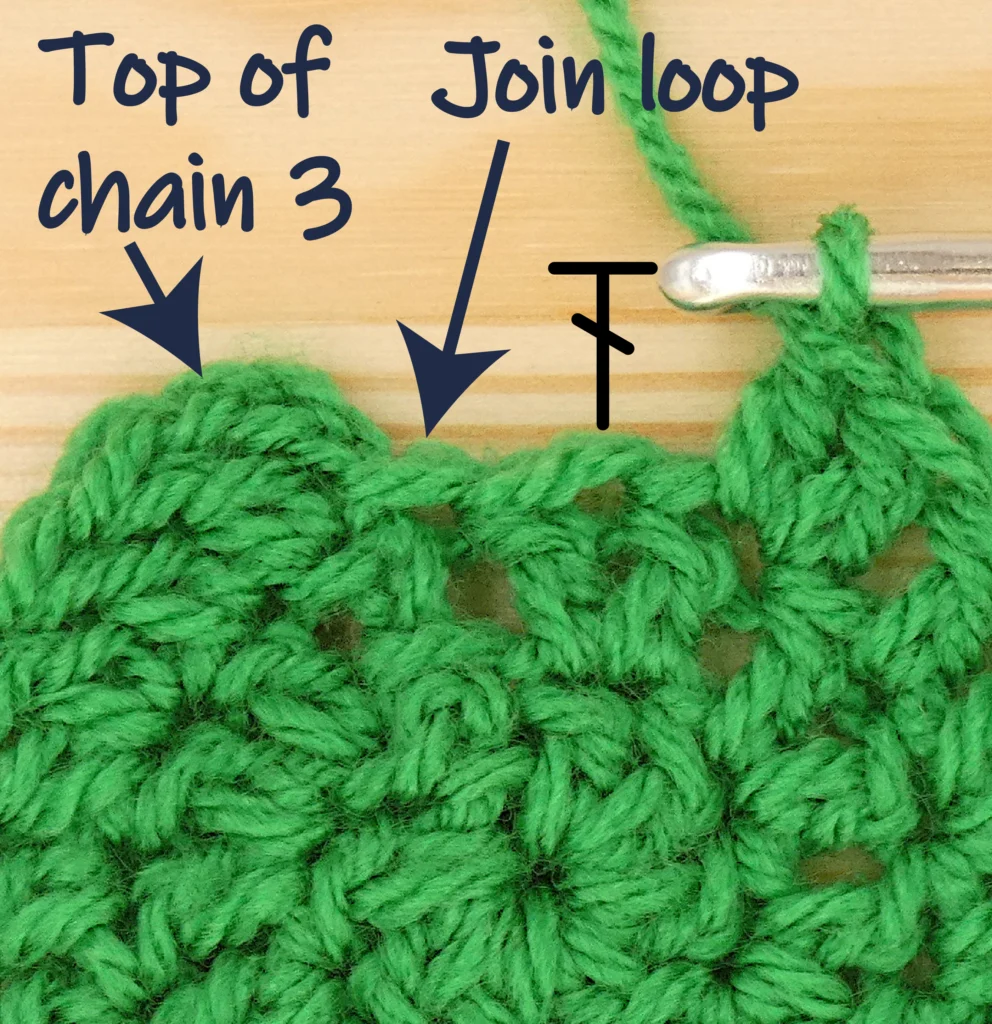
The round ends with a Tr (Dc) in the remaining stitch.
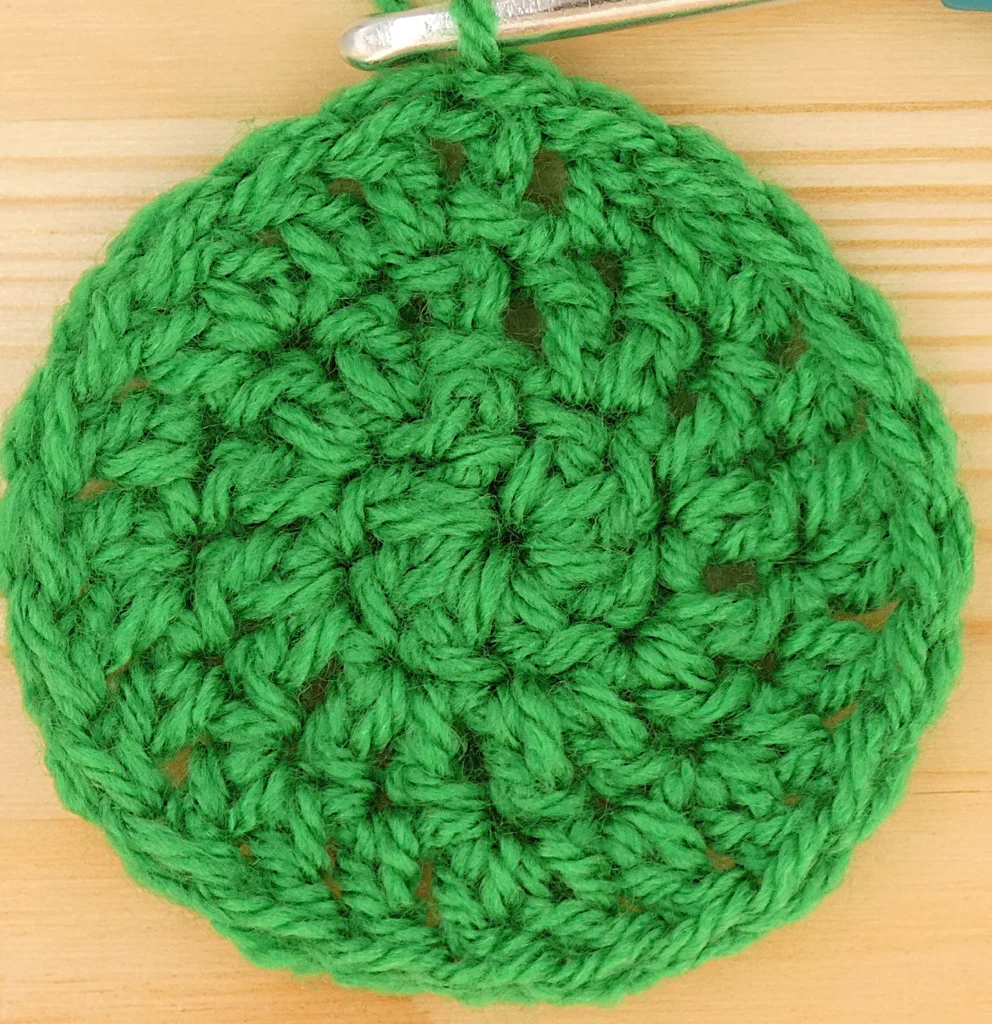
The stitch count is 24.
Next we increase every 3rd stitch.
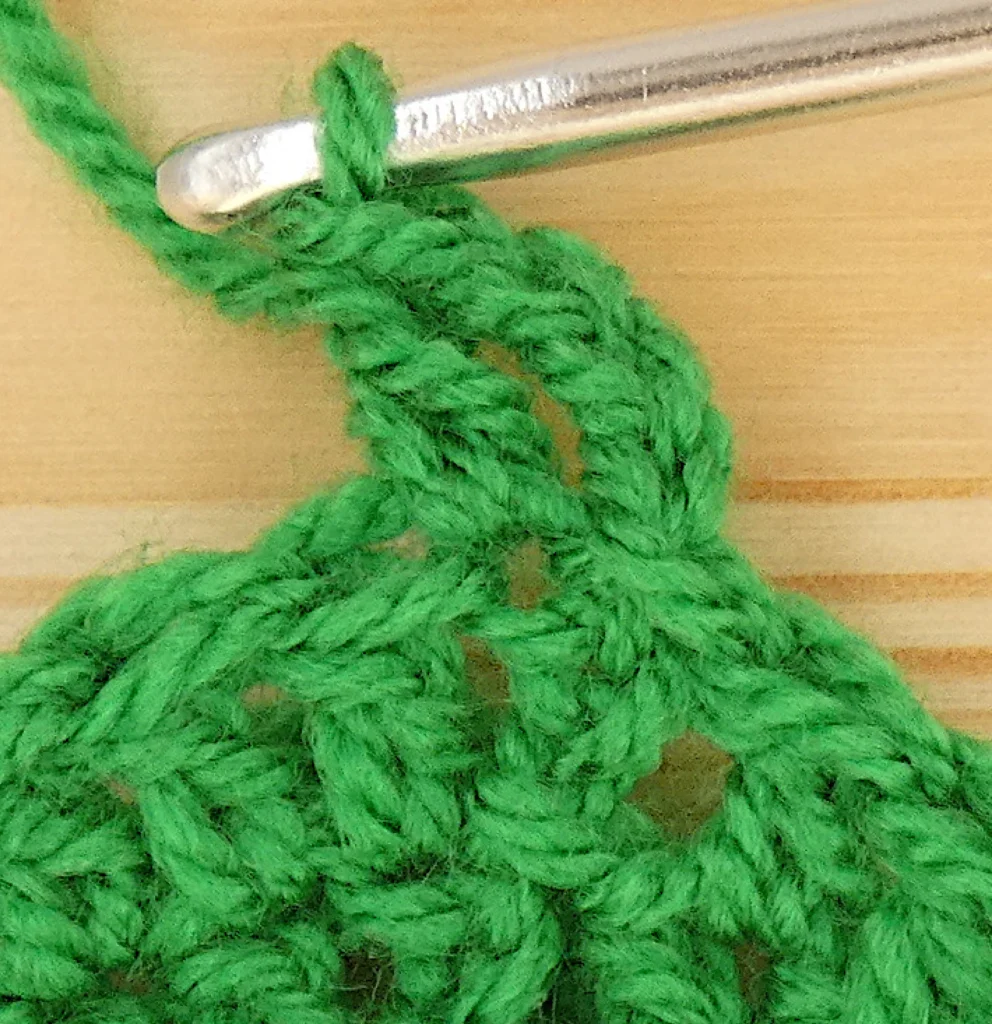
Chain 3 and a Tr (Dc) at the base of the chain 3.
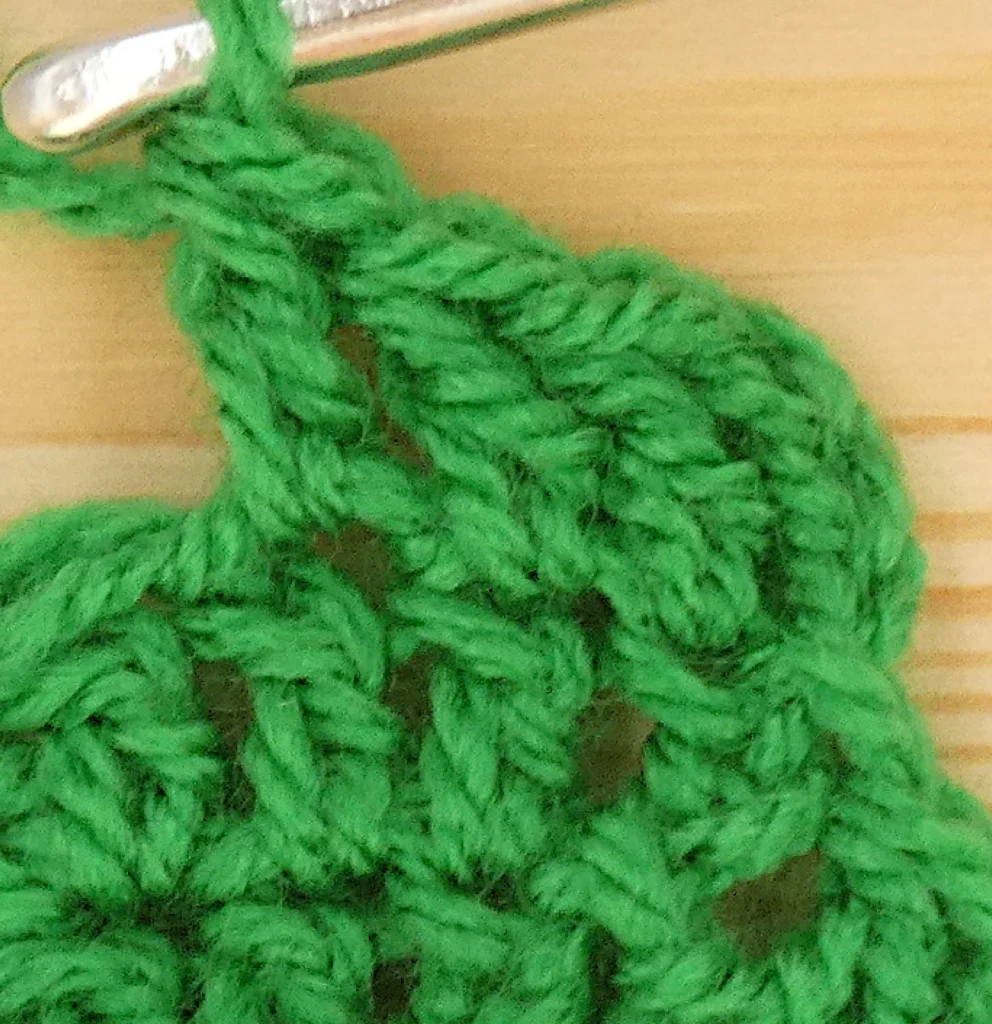
Work 2 Tr (Dc). The repeat is an increase and 2 Tr (Dc).
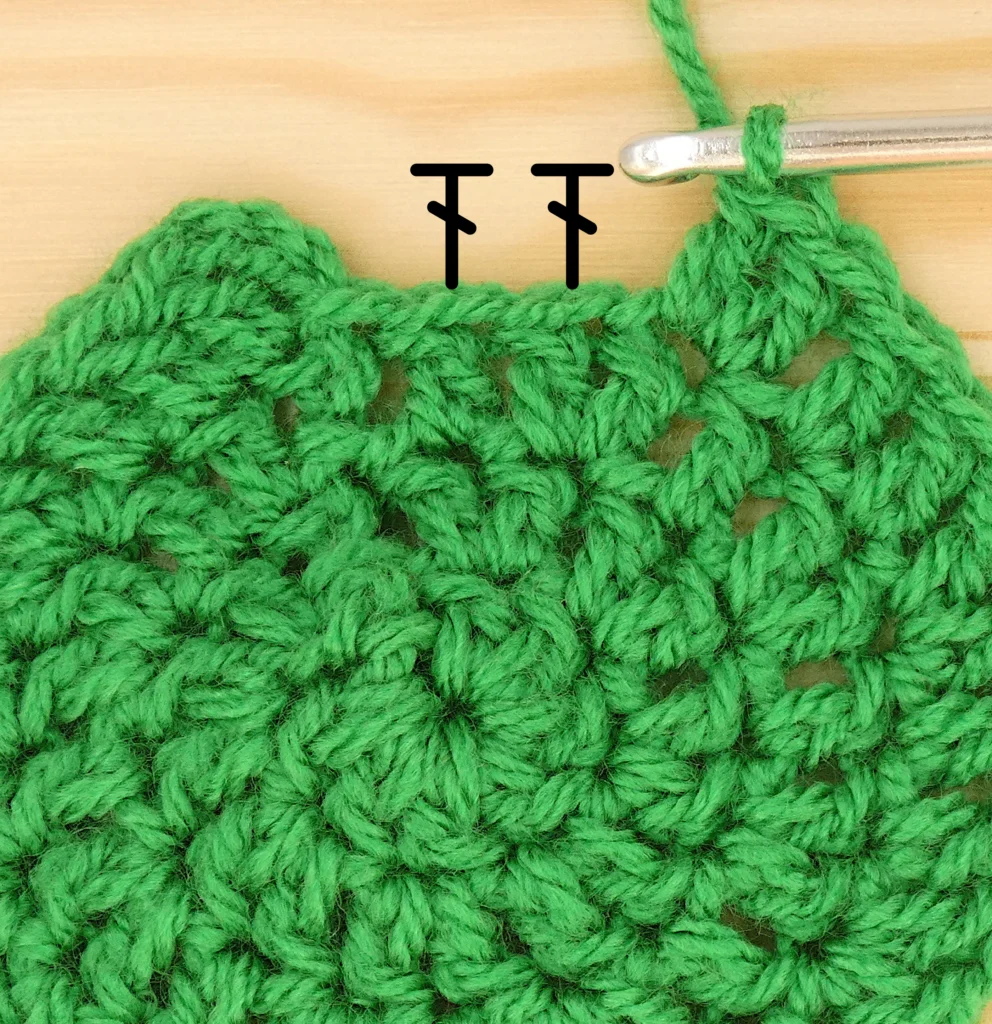
There’ll be 2 single stitches at the end of the round.
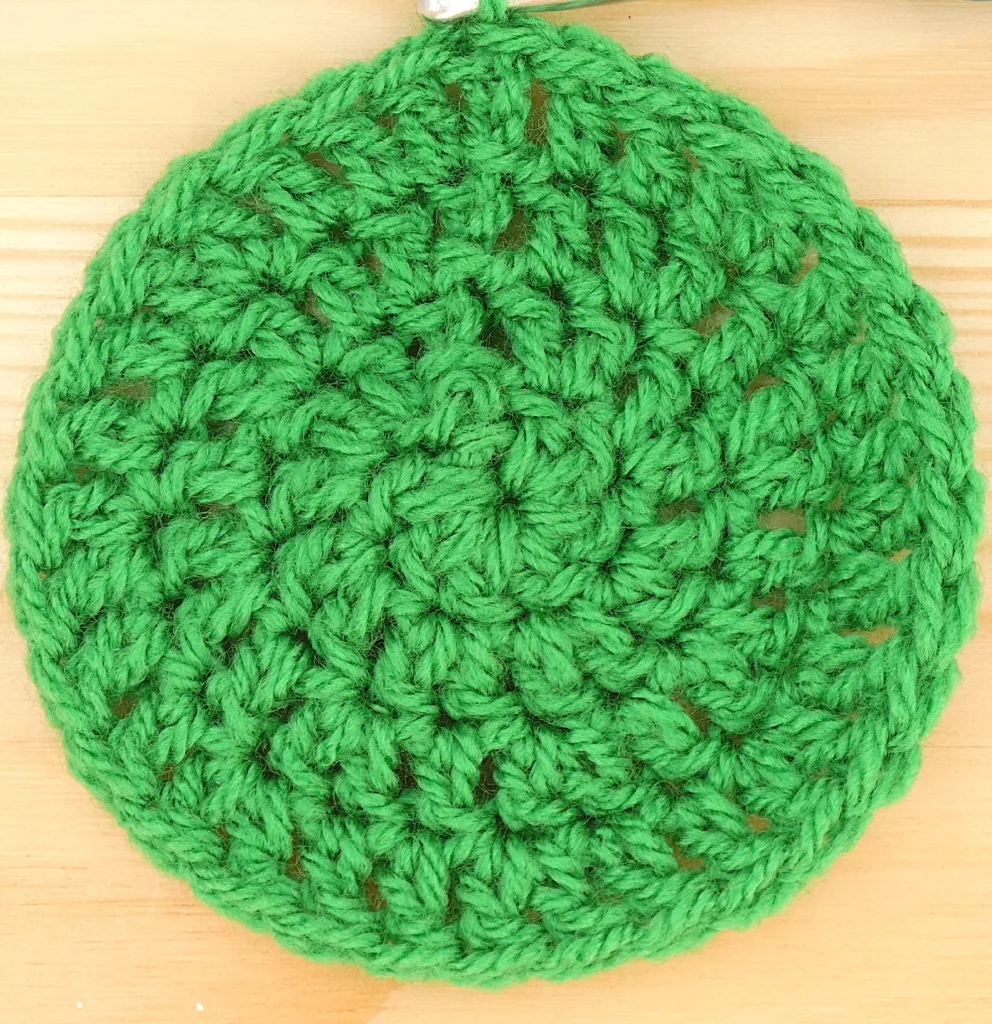
The stitch count has gone up to 32.
Continuous circles differ to concentric circles in how the rounds start and end. Instead of a chain and slip stitch, the new round starts with a stitch placed in the first stitch of the previous round. Increases are exactly the same as a concentric circle. I’ll show you rounds 2 and 3 for each of the 3 stitches..
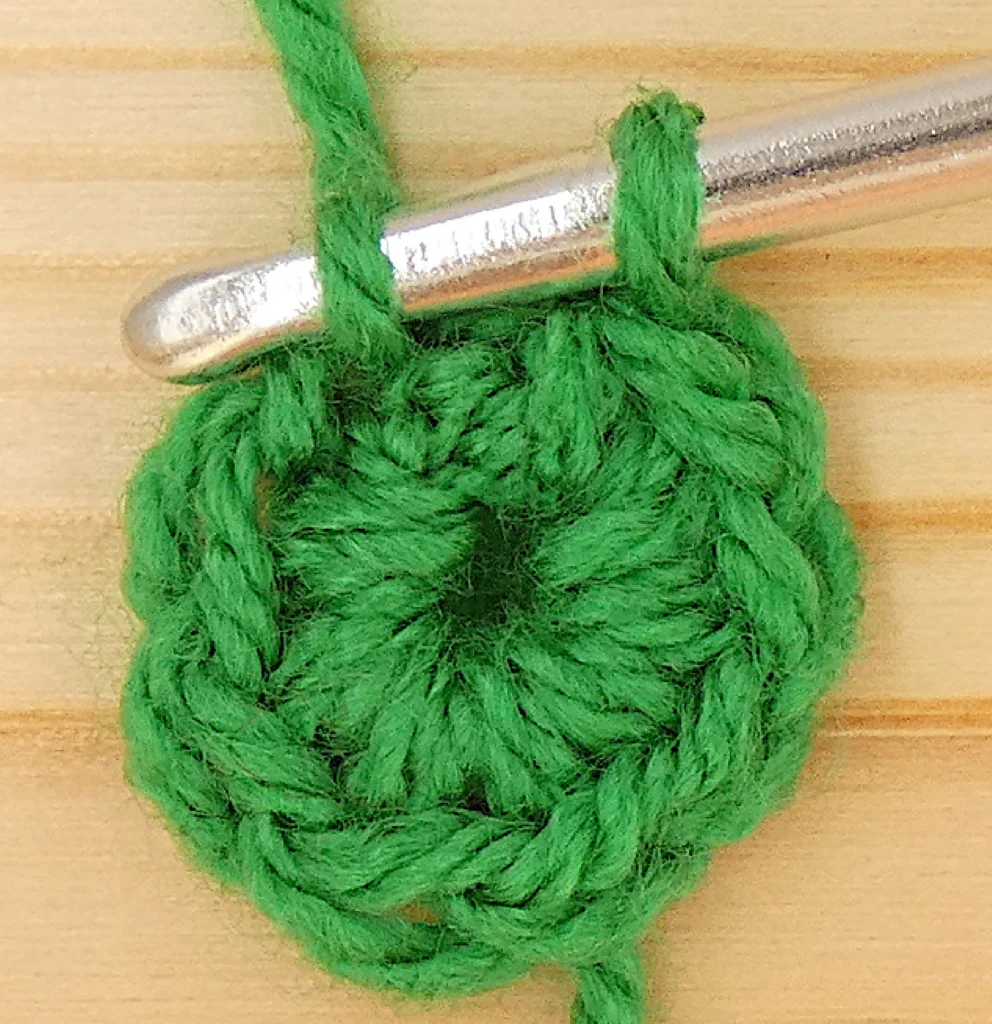
The increase is every stitch
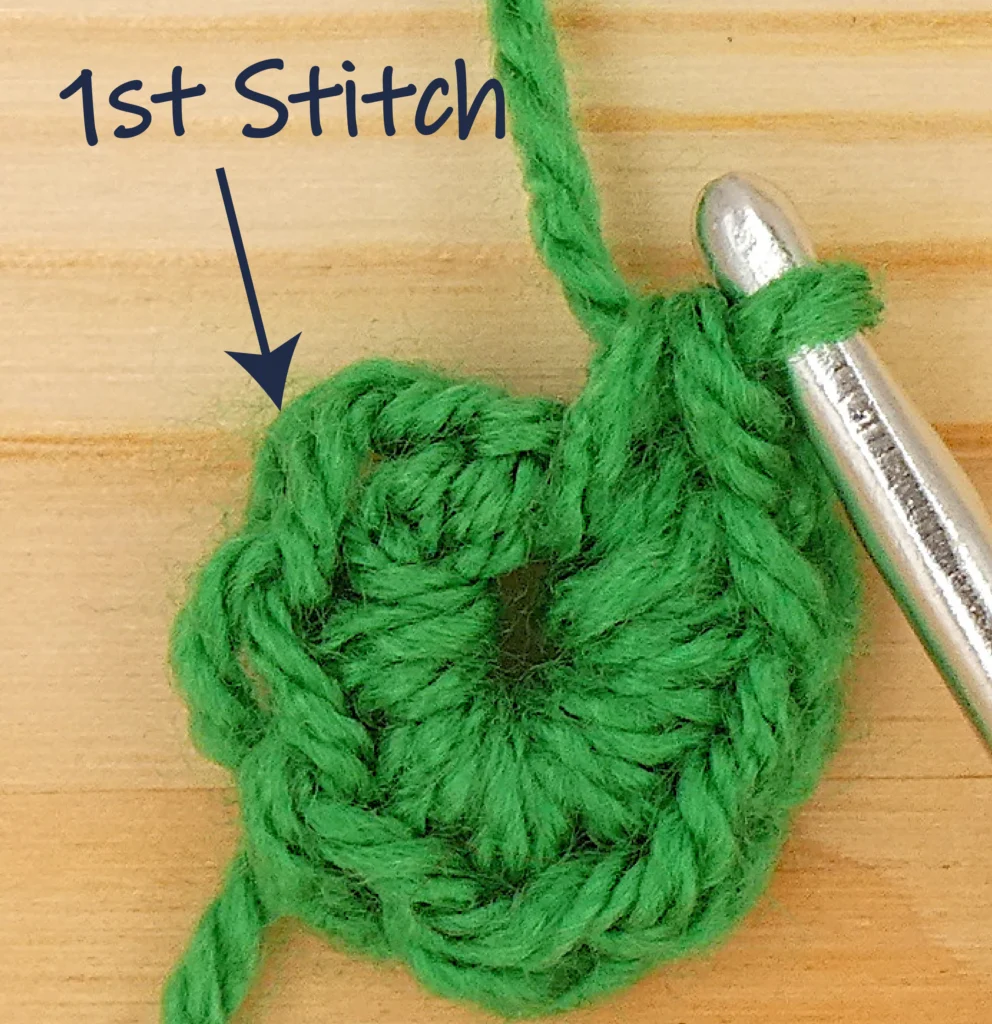
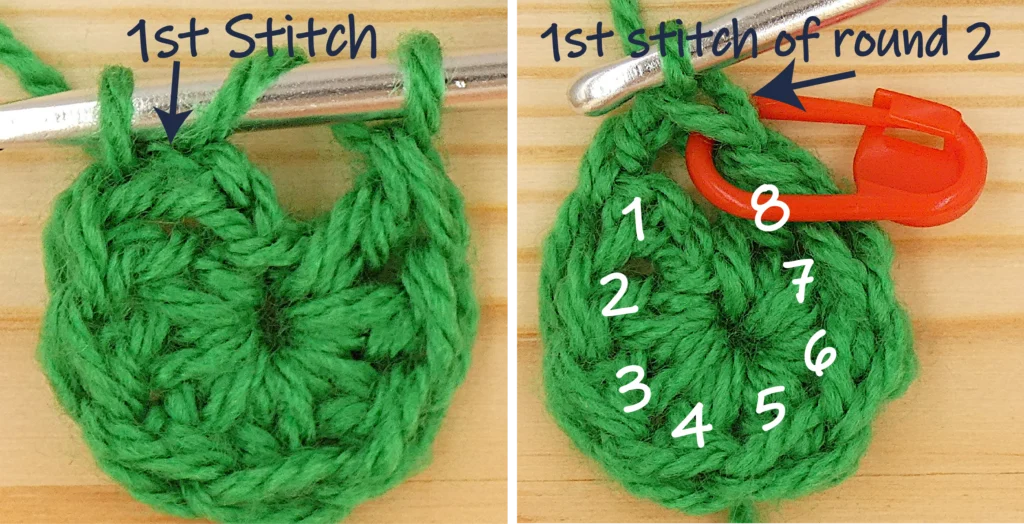
Start into the 1st stitch.
The round starts with a stitch, no chains or slipstitches!
Notice there isn’t a join loop with continuous circles.
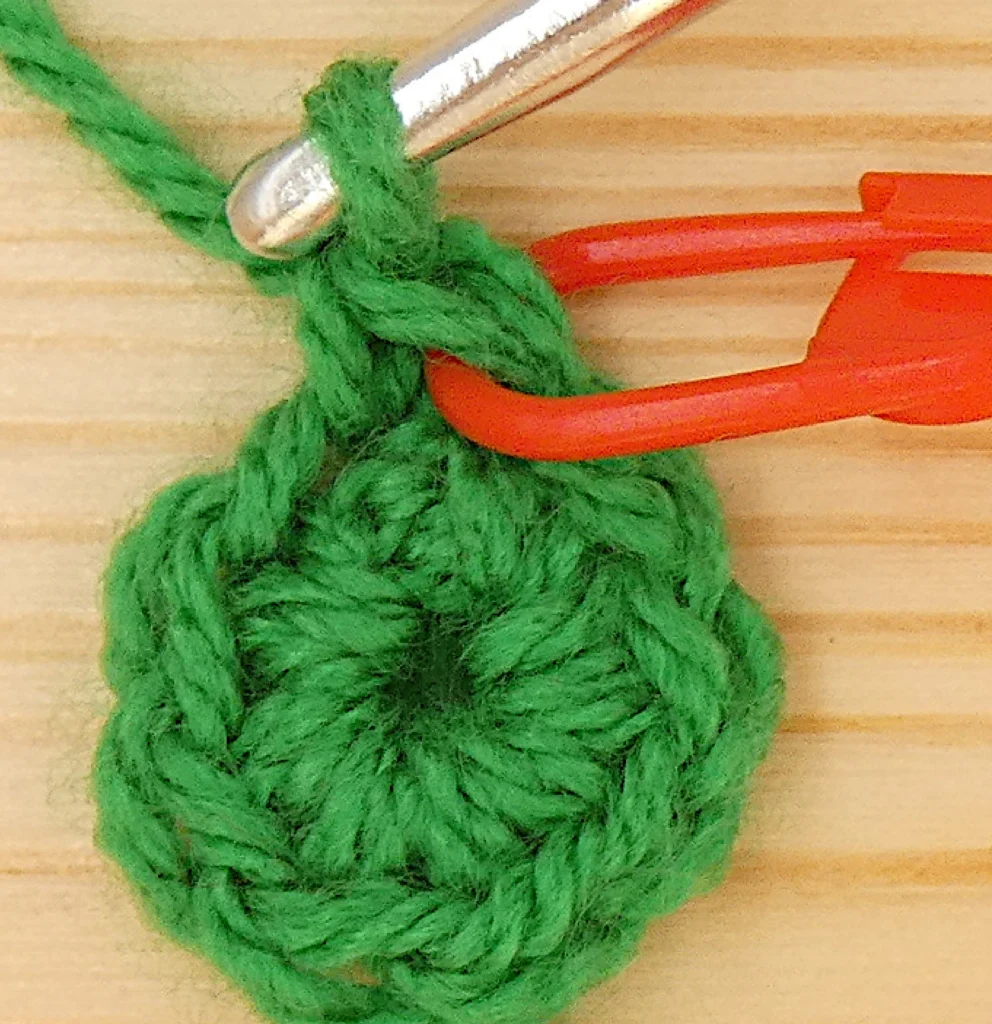
Keep track of the 1st stitch of the round with a stitch marker.
Stitch Count: 16
The increase is every 2nd stitch, The repeat is – 1 Dc (Sc), increase.
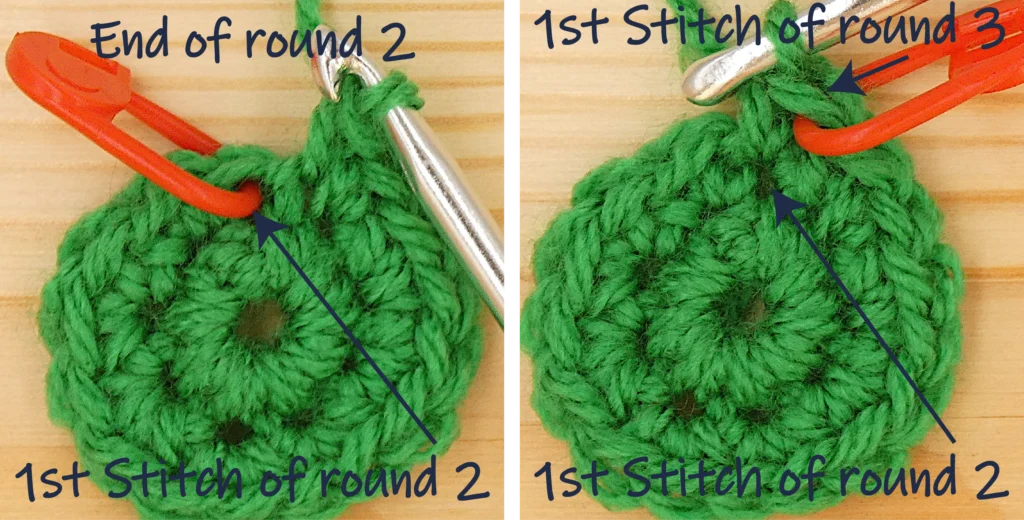
Work the 1st stitch of the round, and place the marker in it.
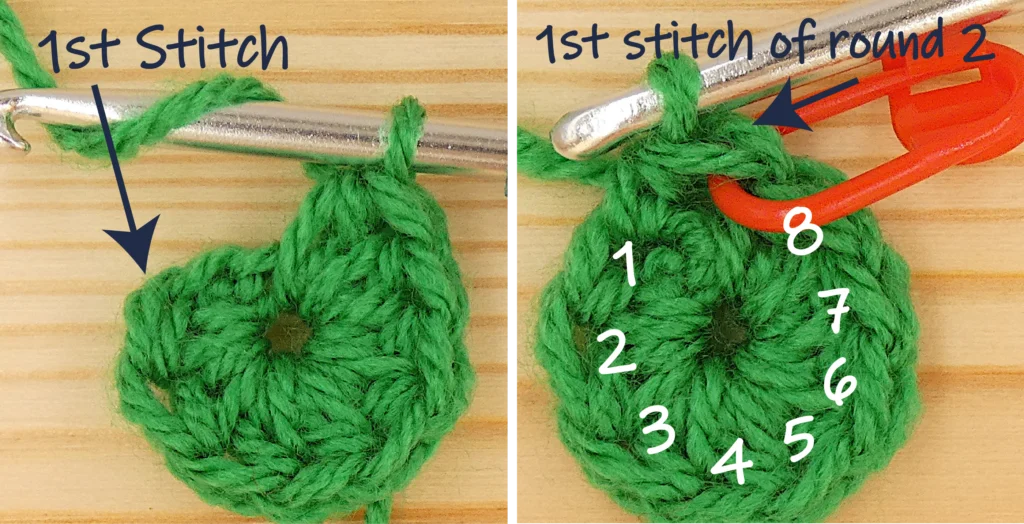
Work directly into the 1st stitch of round 1 and place a stitch marker in the 1st stitch of round 2.
The increases are the same as the concentric circle.
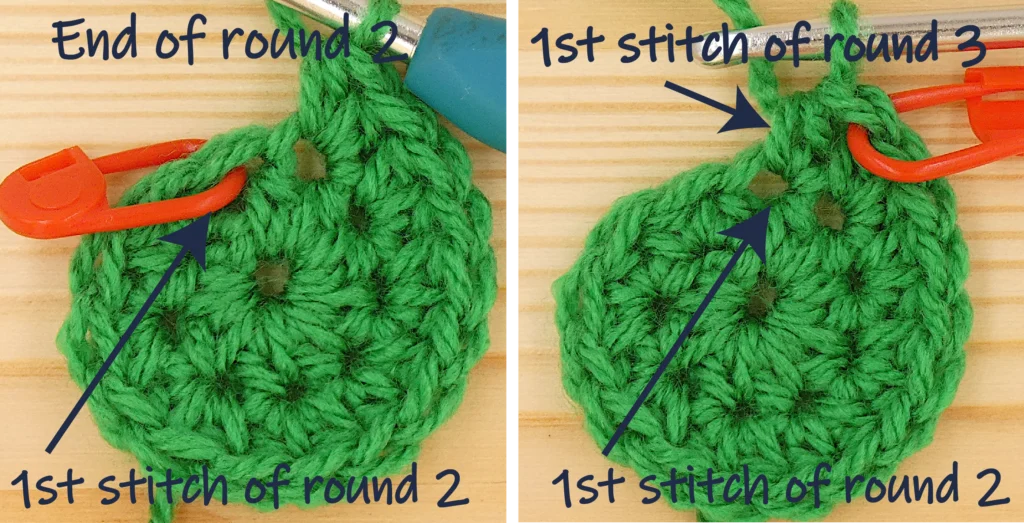
The 1st stitch of round 3 is worked into the marked stitch of round 2. Remember to move the marker into the 1st stitch of the new round.
The 1st stitch of round 2 is made into the top of the chain 3. Again, the increases are the same as a concentric circle.
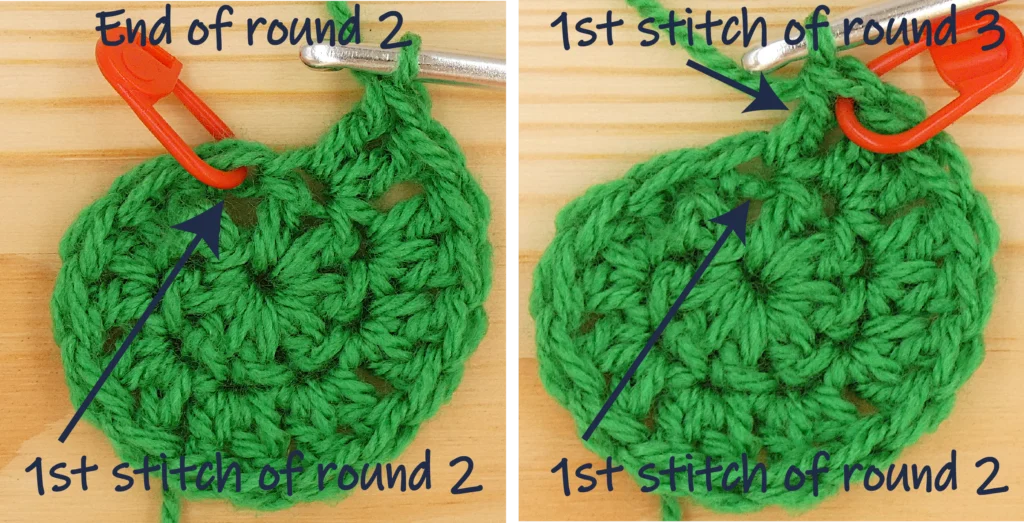
The 1st stitch of the new round is worked straight into the 1st stitch of the previous.
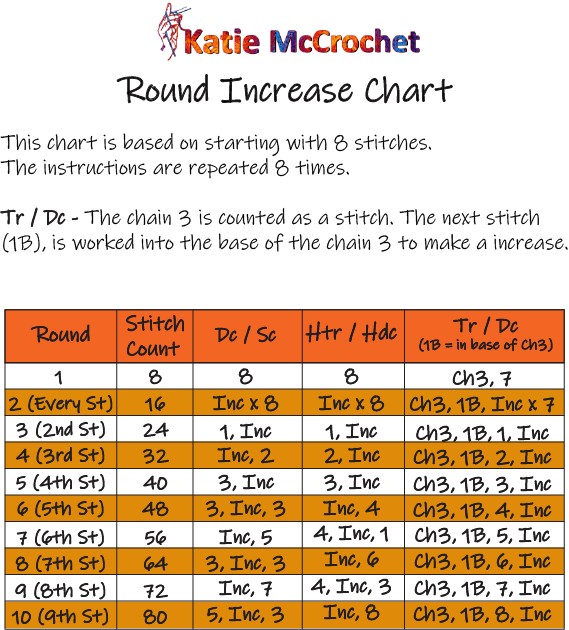
This chart shows the increases for each stitch, based on starting with 8 stitches.



These are the chart symbols and abbreviations in both UK and US terminology.
Note the new symbol for a magic ring / magic circle.
I’ll be using UK terminology for this tutourial, US terminolgy will be in brackets.

The notes let us know that increases tsrt in the 1st stitch.
The circle measures 6 inches in height and width, with a gauge of 3 rounds and 4 stitches per inch.
We’ll need a 4mm hook and acrylic yarn.
Make a magic ring and chain 3, this is the 1st stitch.
Work 7 Tr (Dc) in the ring for a stitch count of 8.


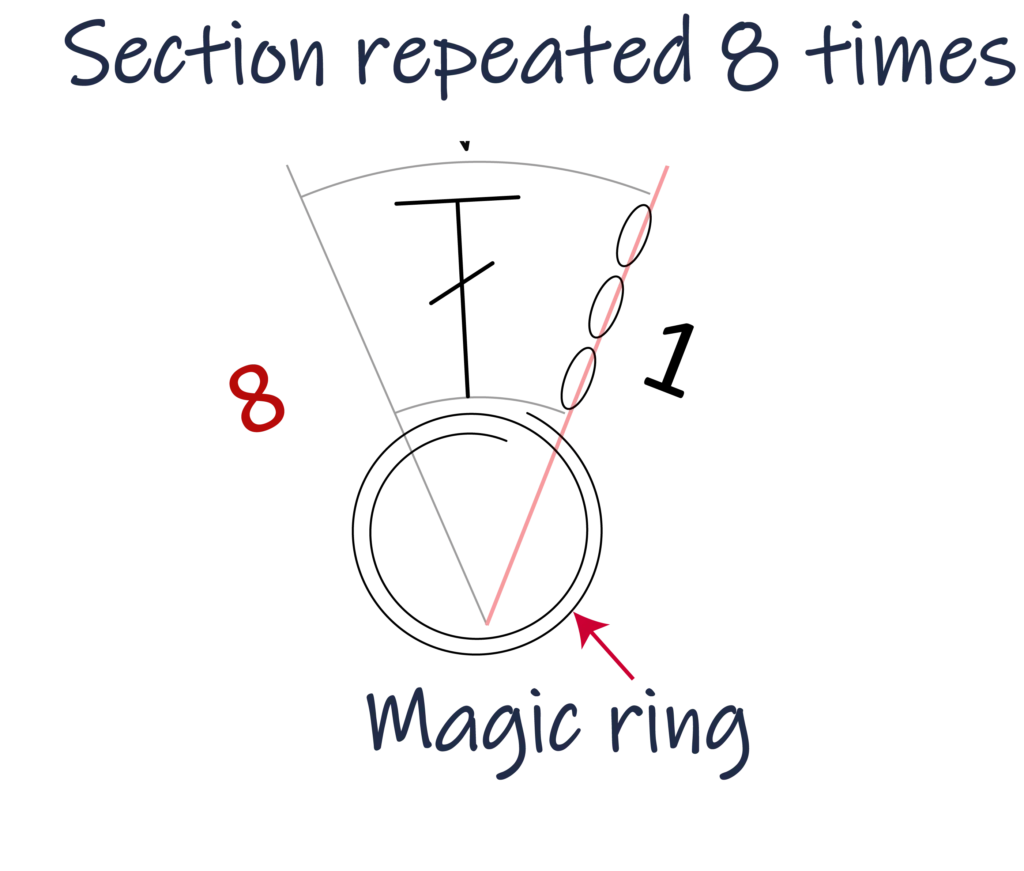
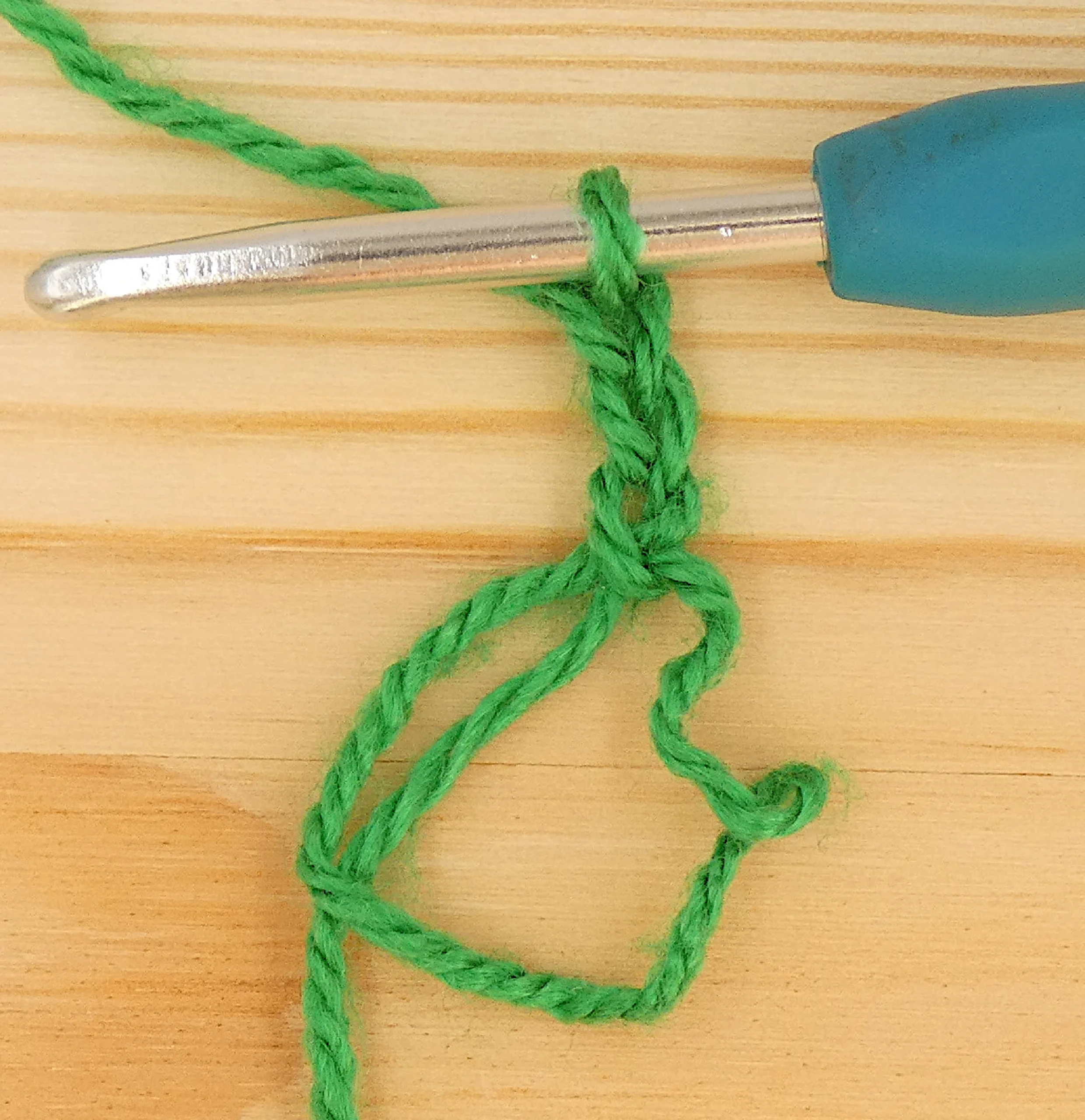
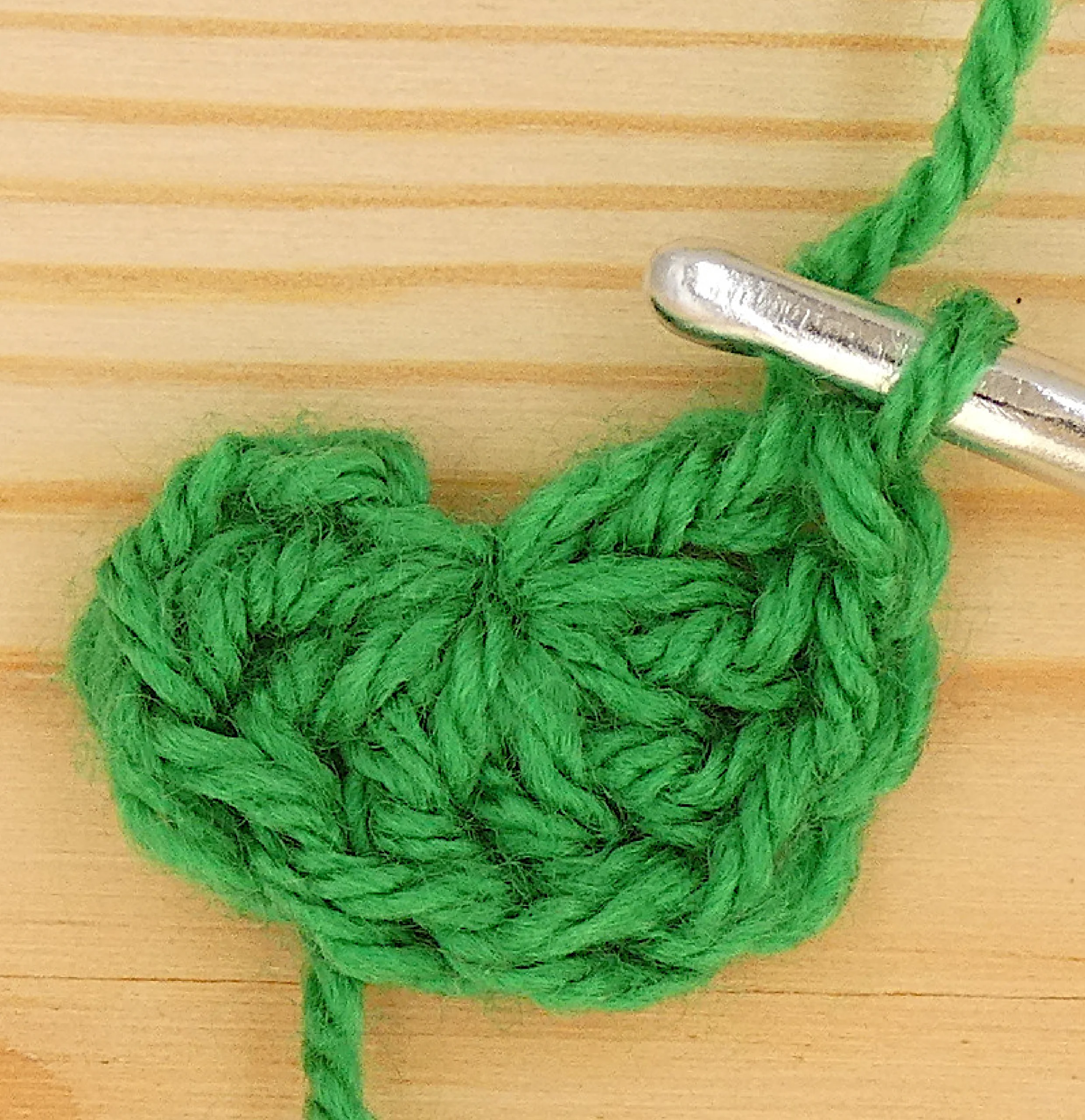
Work a Tr (Dc) increase in each stitch, starting in the chain 3.
The stitch count will be 16.

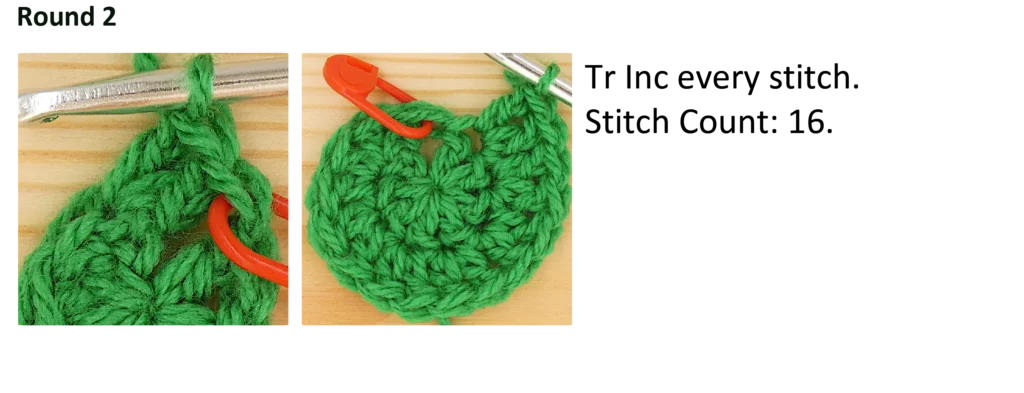
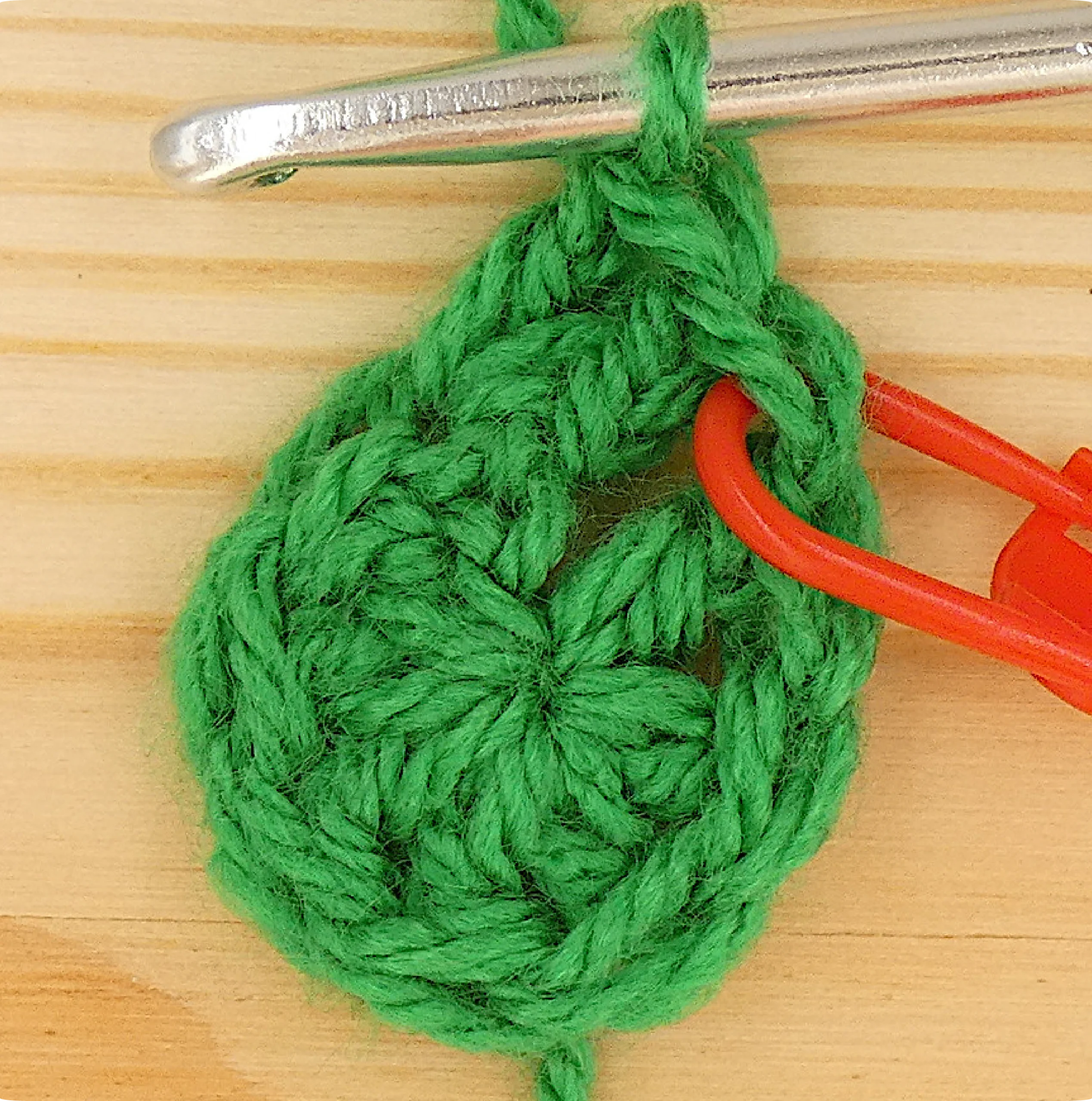
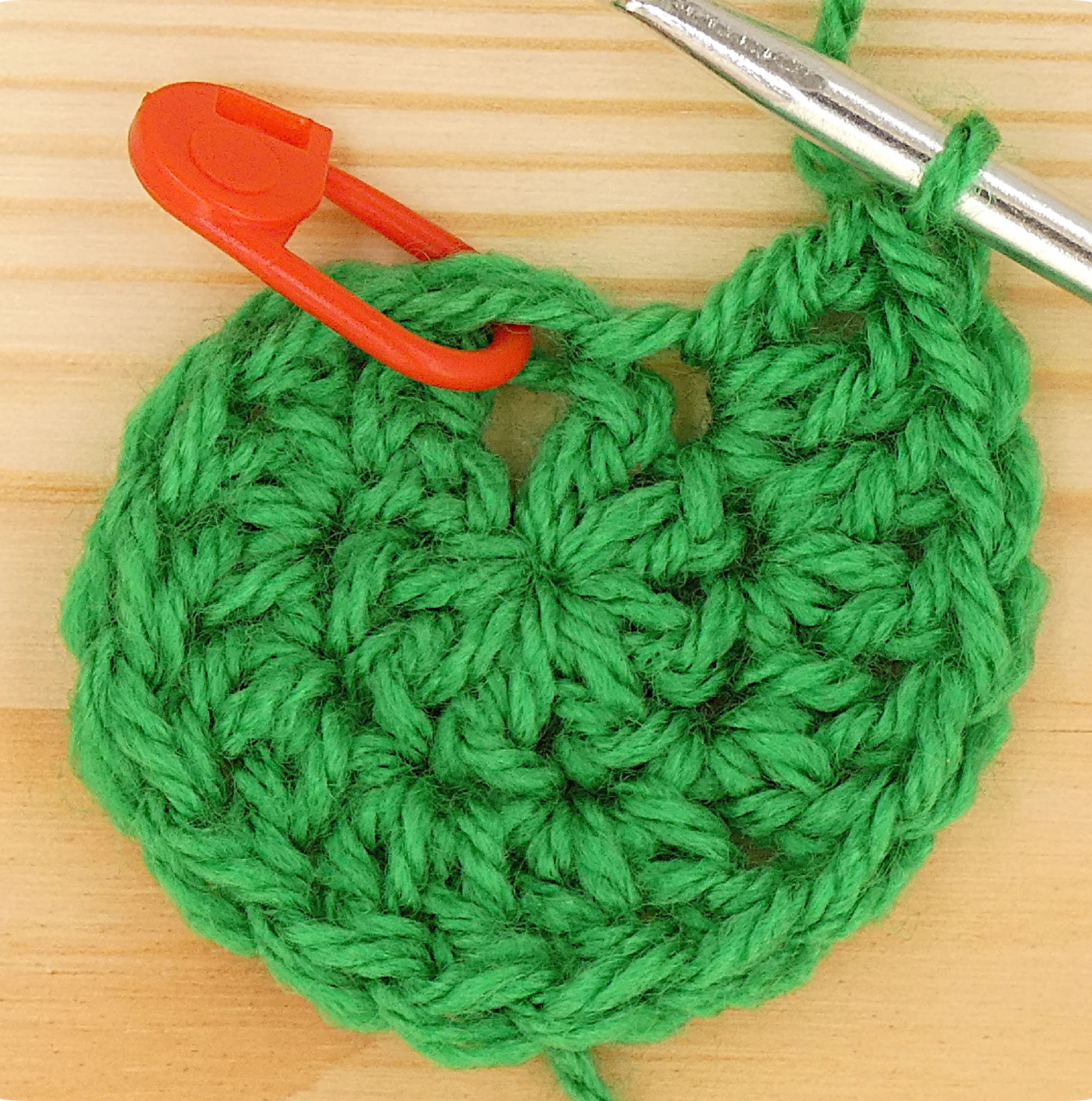
The increase will be on every 2nd stitch. Work an increase, followed by 1 Tr (Dc) a total of 8 times. The stitch count will be 24.

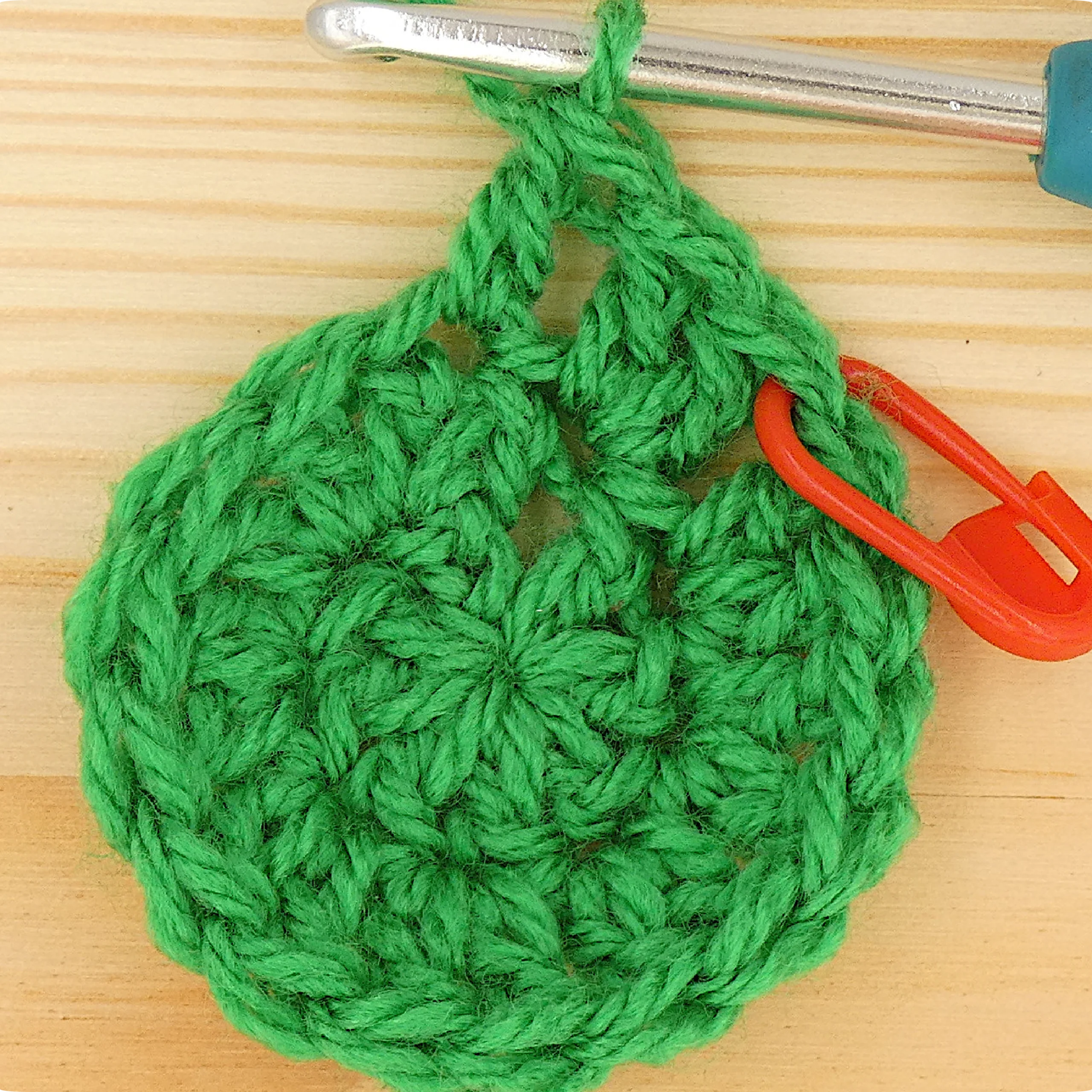
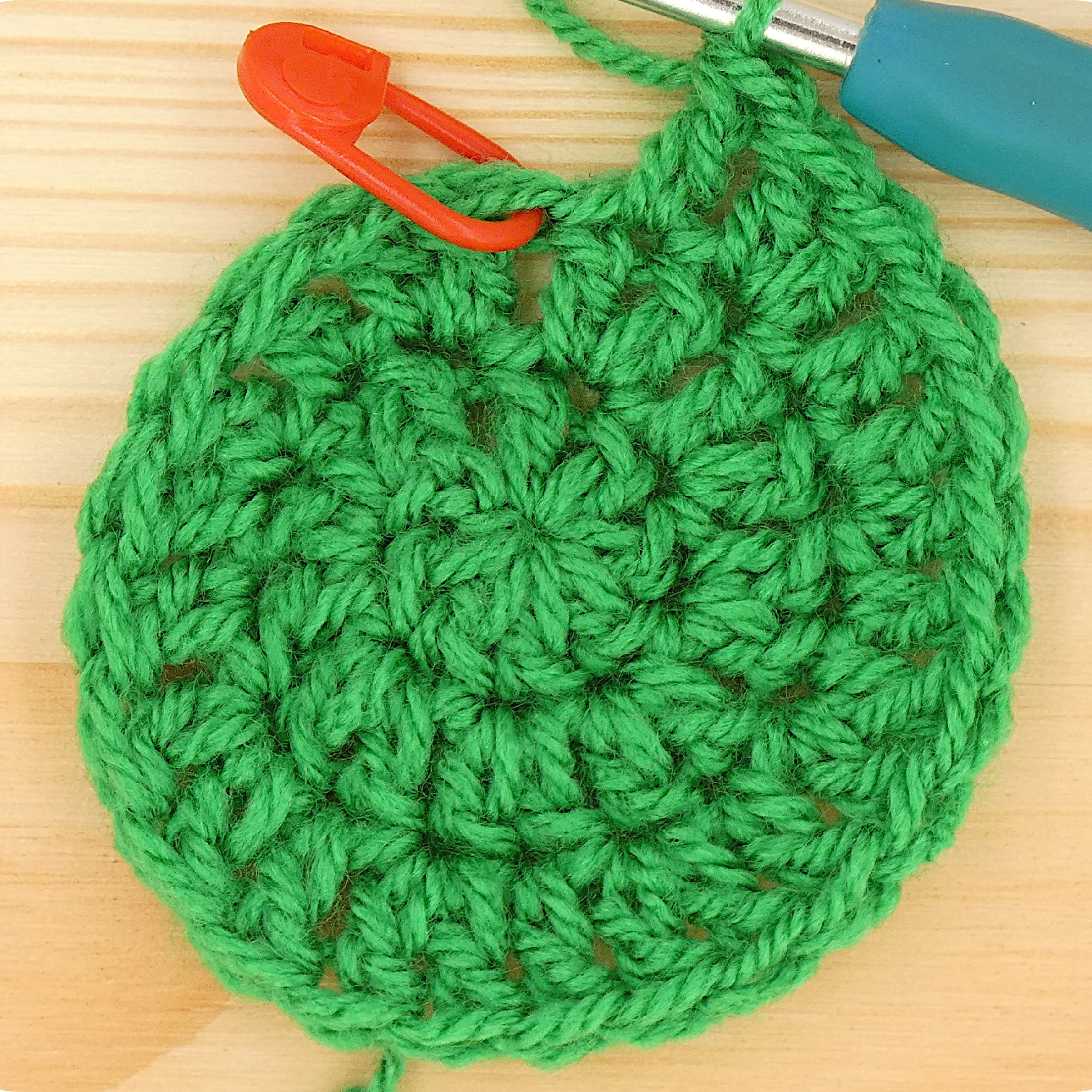
The repeat for this round is an increase followed by 2 Tr (Dc). The stitch count will be 32.

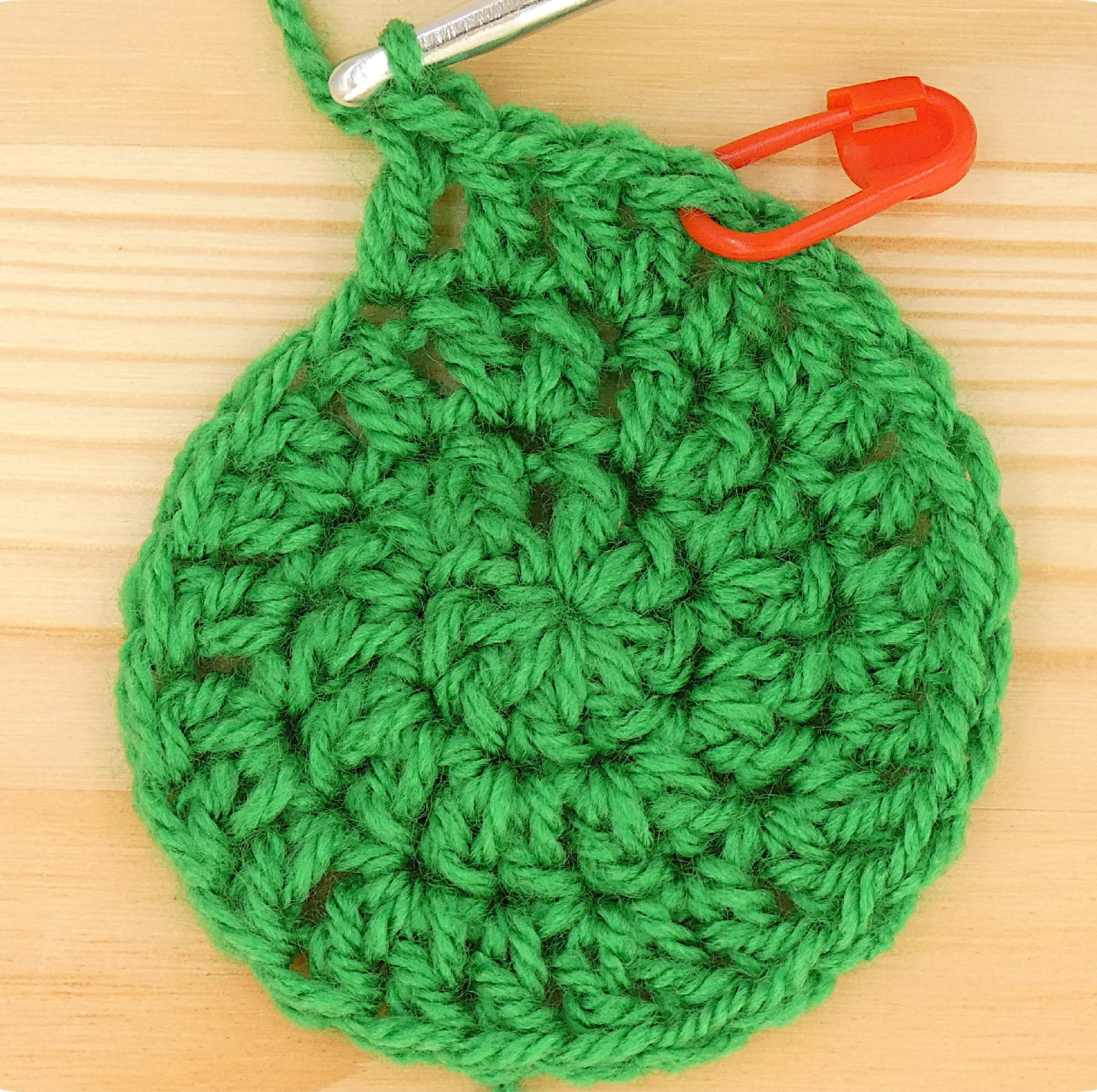
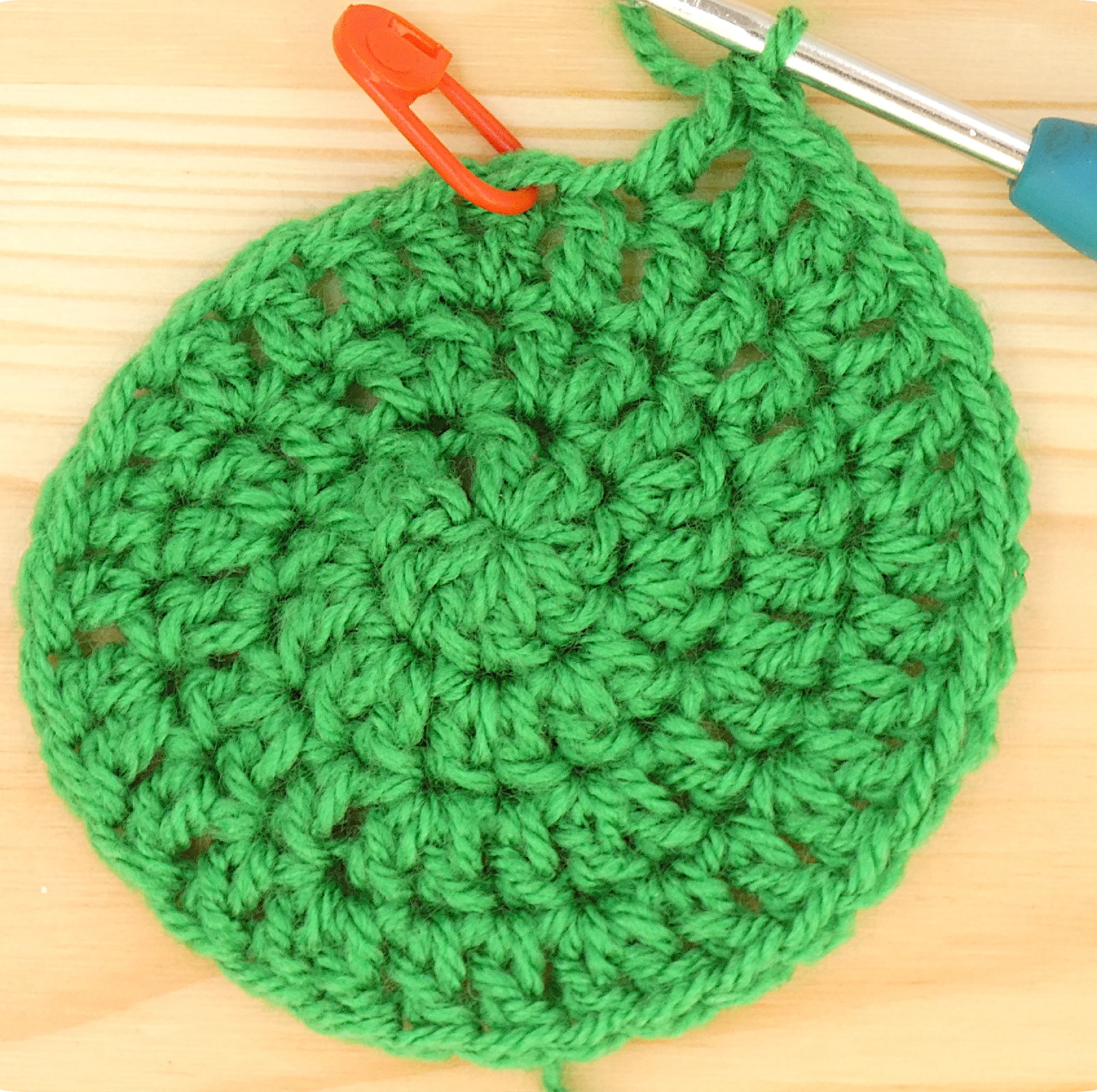
Once again, I’ll leave you to finish the remaining rounds by your self 🙂
You can find the pattern here.
We covered a lot in this tutorial! We’ll put it all to use in lesson 13 , when we make this 6 petal flower 🙂
Welcome!
My name’s Katie and I’m a crochet addict!
I learnt to crochet about 20 years ago whilst living in Ireland. I soon had a street stall selling my crochet hats and bags, eventually progressing to organising craft fairs.
I returned to street selling for a few years to fund my travels around Latin America, before settling down and becoming a mum to two cool kids.
I love working with colour and creating vibrant, detailed crochet and wanted to translate that into patterns.
Free Crochet Scarf Pattern – Wagon Wheel
Crochet Ear Warmer Pattern
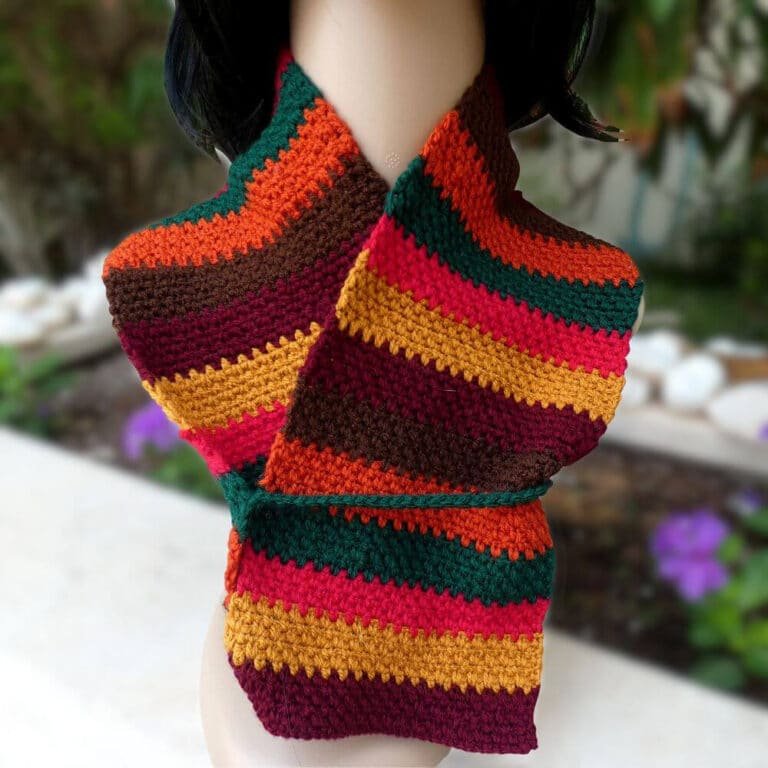
Crochet Short Scarf Pattern
Contents